
What Breeds of Dogs Will Insurance Companies Not Cover

Have you been wondering what breeds of dogs will insurance companies not cover, and why your policy fell short?
Pet insurance typically steps in for big surprises. It pays for accidents like broken bones or swallowed toys. It also handles illnesses such as infections, cancer, or allergies after you meet the deductible.
However, many plans skip certain things. Pre-existing conditions top the list; if your dog had hip issues before signup, expect a denial. Routine care like vaccines or checkups stays out too, along with elective fixes such as spaying.
In addition, cosmetic treatments and breeding costs often get rejected. As of 2026, policies vary by company and location. For example, MetLife covers hereditary problems if they show up later, but ASPCA waits 180 days for curable issues.
So, what makes one dog’s claim pay out while another’s doesn’t? Location rules, your dog’s age, and provider choices all play a part. Always check your policy details to avoid shocks.
That’s why we’re breaking it down here. First, we’ll cover common exclusions that hit dogs hardest. Next, look at breed trends and why some mixes face hurdles. Then, compare top providers like ASPCA and MetLife.
We’ll also share tips to pick better coverage. By the end, you’ll know exactly what to watch for. Stick around; this guide saves you money and stress down the road.
Most importantly, remember waiting periods. Cruciate ligament tears need six months in many plans. Wellness add-ons help with vaccines, but they’re extra.
Policies change, so verify with your insurer today. Your Pit Bull deserves the best protection possible. Let’s get into the details now.
What breeds of dogs will insurance companies not cover
Pet insurance providers rarely ban breeds outright, unlike homeowners policies that often exclude high-risk dogs for liability reasons. However, some pet plans limit coverage or charge more for certain breeds because of higher claims costs from bites, injuries, or genetic health issues.
For example, Pit Bulls top bite statistics, accounting for 65-68% of fatal attacks from 2010-2023, per data from sources like DogsBite.org. Rottweilers follow at 4-10%. These numbers drive up payouts for vet bills and related liabilities. In addition, large breeds rack up expensive treatments for hips or hearts.
Companies focus on actuarial data to keep premiums affordable. They worry about severe injuries from strong jaws or size. Yet, critics point out that owner training matters more than breed alone. Still, if your dog looks like a restricted type, expect questions or denials. Mixed breeds trigger issues too, based on appearance or DNA tests.
Here’s a quick list of breeds that face the most scrutiny across insurers:
- Pit Bulls and mixes
- Rottweilers
- German Shepherds
- Doberman Pinschers
- Chow Chows
- Akitas
- Wolf-hybrids
- Great Danes
- Huskies
- Malamutes
Shop for breed-neutral options like ASPCA or Embrace, which evaluate dogs individually. One family with a Pit Bull mix got turned down by a regional provider after a vet noted its looks, despite no incidents. They switched to Trupanion and saved on a later injury claim.
Pit Bulls and Other ‘Aggressive’ Breeds That Face the Most Restrictions
Pit Bulls grab headlines for bites, but responsible owners prove them wrong. Data shows they link to 284-406 fatal attacks from 2010-2023, far above their 6% share of U.S. dogs. Rottweilers add 26-51 more. Insurers flag these breeds because bites lead to huge vet tabs and lawsuits. A single claim can hit thousands for stitches or rehab.
Mixed breeds complicate things. If your dog has Pit Bull traits, photos or DNA tests might block coverage. One owner shared how their “lab mix” got denied after a test revealed 25% Pit Bull DNA. Behavior history overrides breed for smart providers, though.
You can fight back. Seek policies from Nationwide or Lemonade that skip breed bans. Get a Canine Good Citizen certificate to show your dog stays calm. Train early with pros; it lowers risks and proves your pup safe. Above all, disclose breed upfront to avoid claim surprises. Many happy Pit Bull owners thrive with the right plan.
Large or Working Breeds Like Huskies and Great Danes on the Exclusion List
Huskies escape often and pull hard, leading to injury claims. They tie to 1-13 fatal attacks in recent data. Great Danes grow massive, straining joints and hearts; vet costs soar. German Shepherds and Dobermans face flags for herding instincts that spark chases. Malamutes share Husky energy issues.
Health drives exclusions here. These breeds rack up bills for dysplasia or bloat surgery, which runs $5,000 plus. Behavior adds liability if they knock over kids. Providers like MetLife cover most, but some add riders or hike rates.
Owners, take charge. Fence yards tight for Huskies. Feed joint supplements to Danes early. Enroll in obedience classes; certificates sway underwriters. Compare Trupanion for direct vet pay without breed hassles. Check state rules too; places like New York push fair treatment.
Pick accident-only plans if illness worries you. Disclose size and history at signup. Your loyal giant deserves coverage that fits.
Hereditary Health Issues Tied to Specific Breeds That Insurance Skips
Pet insurance skips many hereditary health issues because they stem from breed genetics. These problems predict high vet bills, so companies exclude them outright. Even if symptoms start after you buy a policy, claims get denied if vets link it to the dog’s breed. In short, what dogs will pet insurance not cover often boils down to these genetic risks.
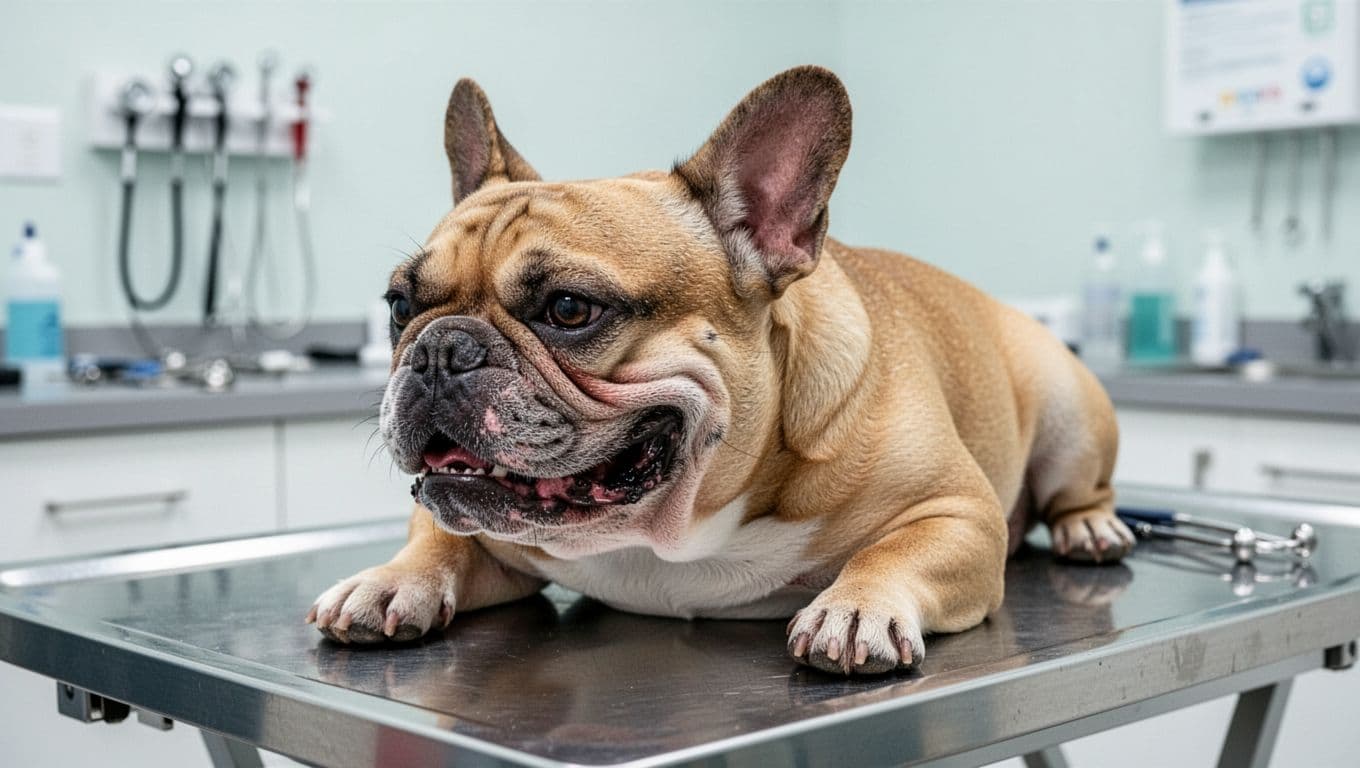
For example, German Shepherds face hip dysplasia often. Labs and Golden Retrievers share that joint trouble too. Cavaliers battle heart woes early. French Bulldogs gasp through breathing issues. Insurers know these hit certain breeds hard, so they build exclusions in.
Check this table for a quick snapshot of common pairings:
| Breed(s) | Hereditary Condition | Key Reason for Exclusion |
|---|---|---|
| German Shepherds, Labs, Golden Retrievers | Hip Dysplasia | Predictable joint surgery costs thousands |
| Dachshunds, Corgis | IVDD (Intervertebral Disc Disease) | Costly spinal treatments common |
| French Bulldogs, Pugs | BOAS (Brachycephalic Obstructive Airway Syndrome) | Expensive airway surgeries needed |
| Cavalier King Charles Spaniels | Mitral Valve Disease | Affects ~50% by age 5; nearly 100% by age 10 |
| Chihuahuas, small breeds | Luxating Patella | Frequent knee corrections rack up bills |
| Bulldogs | Skin Fold Dermatitis | Ongoing allergy management adds up |
This setup keeps premiums low, but it leaves owners exposed.
Orthopedic Problems Plaguing Popular Large Breeds
Large breeds like Labs and German Shepherds often develop hip dysplasia. Their ball-and-socket joints loosen, causing pain and limps. Think worn-out hips like old car shocks that fail on rough roads. Surgery to fix it runs into thousands, so insurers exclude it as breed-predictable.
Golden Retrievers share this risk too. Luxating patella hits smaller joints in breeds like Chihuahuas, where the kneecap slips out of place. Owners face repeated fixes because dogs favor the leg. However, even large breeds get patella woes sometimes.
Then there’s IVDD in Dachshunds and Corgis. Discs in their backs bulge or rupture, leading to paralysis scares. Vets charge big for surgery or rehab. These costs drive exclusions across plans. Your active pup deserves prevention like weight control and ramps. Still, claims fail if genetics tie in.
Breathing and Heart Woes in Flat-Faced and Toy Dogs
Flat-faced breeds suffer BOAS. French Bulldogs and Pugs pant hard because short noses block airways. Surgery widens nostrils or shortens soft palates, but it costs a bundle. Insurers skip it since brachycephalics predict these gasps.
Cavaliers face mitral valve disease worst. About 50% show signs by age 5; 70% by age 7. Nearly all have it by 10. Valves leak, causing heart failure. Repair surgery proves rare and pricey, with tough recovery. Plans deny because Cavaliers hit this early and often.
Wrinkly dogs like Bulldogs deal with skin allergies too. Folds trap moisture, sparking infections. Constant meds and cleanings add up. These breed traits make coverage tough. Owners, choose mixes or screen pups early. Prevention beats denied claims every time.
Pre-Existing Conditions: The Silent Deal-Breaker for Any Dog
Pre-existing conditions top the list of what breeds of dogs will insurance companies not cover. These issues strike silently because insurers define them as any health problem with signs or symptoms before your policy starts. Even undiagnosed troubles count if records show early hints like limping or itching.
Most plans exclude them forever to keep costs down. For example, ASPCA covers curable ones after 180 symptom-free days, but knee issues stay out. AKC waits 365 days for both curable and incurable types. Waiting periods help new problems only; they skip retroactive fixes. Your dog’s past haunts claims long-term.
What Counts as Pre-Existing? Common Signs and Examples
Insurers flag subtle clues from vet history. Limping hints at hip dysplasia, even if untreated. Allergies show through chronic itching or ear infections. Diarrhea episodes signal gut woes like colitis.
Here’s a quick rundown of frequent examples:
- Curable issues: Skin dermatitis, ear infections, cherry eye, or respiratory bugs.
- Chronic ones: Cancer, allergies, IBS, conjunctivitis.
- Incurable or hereditary: Diabetes (from excess peeing), heart disease, epilepsy, arthritis.
A Golden Retriever with a slight limp on park grass often points to joints. Bunny hopping screams hips too. These signs trigger denials later, no matter when diagnosed.
How Insurers Review Records and Deny Claims
Companies pull full vet records at signup and claims. They spot patterns like repeated allergy meds or weight loss notes. One owner got hit hard: Their Lab puppy scratched ears at eight weeks. Vet records noted it. Months later, a flare-up claim denied because early signs existed.
Pre-existing tops denial reasons. No human-style laws protect pets here. However, you can insure for new accidents only. Always disclose upfront; hiding backfires.
Smart Tips to Avoid Pre-Existing Pitfalls
Get coverage young, ideally as a puppy. Healthy pups slip under radars easier. Schedule a full vet check before applying; fix minor issues first.
Shop AKC or ASPCA for flexible rules. Compare quotes yearly because policies shift. In short, act fast. Your dog avoids bill shocks this way.
Routine Care and Other Extras That Fall Outside Coverage
Pet insurance focuses on surprises like broken bones or sudden illnesses. It skips everyday stuff and extras that what dogs will insurance not cover in standard plans. Routine visits, vaccines, grooming, and spay or neuter procedures fall outside basic coverage.
Cosmetic surgeries and behavioral training stay out too, unless an accident causes the issue. Breeding costs or show dog injuries often get denied because providers see them as optional risks. These gaps keep premiums low, but they catch owners off guard.
Why Checkups, Shots, and Grooming Aren’t Included
Basic plans exclude preventive care to target big bills only. Checkups, vaccines, flea treatments, and dental cleanings cost hundreds yearly, yet insurers leave them out. Grooming, nail trims, and baths count as owner duties too. Spay or neuter surgeries fall into elective care, so expect full payment from your pocket.
However, many add-ons fix this. MetLife offers wellness riders for shots, teeth cleanings, and parasite prevention. Embrace and Trupanion provide similar options. These extras run $10 to $30 monthly, but they save on routine tabs. Check your policy; without them, your budget handles puppy vaccines or senior exams.
Age and Lifestyle Factors That Block New Policies
Age limits block many seniors from new coverage. Most insurers cap puppies to 7 or 8 years old, though some like MetLife accept any age. Older dogs face higher rates anyway, plus exclusions for age-related woes if they show early signs.
Working dogs, breeders, and show pups trigger denials too. Plans skip injuries from racing, guarding, or breeding because those count as commercial use. For example, a herding dog’s torn ACL from trials gets rejected. ASPCA and Embrace review these cases individually, but Trupanion often bars them outright.
Always read the fine print. It spells out these rules clearly for your dog’s life stage and habits.
Ways to Navigate Exclusions and Still Protect Your Dog
Exclusions frustrate owners, but you can work around them. Many insurers now assess dogs individually instead of banning breeds. In 2026, trends show fewer restrictions overall, so hope exists. Shop accident-only policies if full coverage skips your pup. Self-insure with savings too. Get quotes from several companies today to find fits.
Finding Breed-Friendly or No-Exclusion Policies
Look for providers that skip breed bans. Pumpkin Pet Insurance stands out with no breed or age limits. ASPCA, Spot, Pets Best, and MetLife also welcome high-risk dogs like Pit Bulls through individual reviews. They check behavior and history, not just looks.
Use comparison sites for quick scans. MoneyGeek ranks plans by price and coverage in 2026. Consumer Reports scores customer service too. Enter your dog’s details there; results show options fast.
Start young if possible, because puppies face fewer hurdles. Disclose mixes honestly, and add training certificates. Many owners switch to these plans after denials elsewhere. Your dog gets protection without fights. Compare now at those sites.
Budgeting and Alternatives When Coverage Isn’t an Option
Build an emergency fund first. Aim for $3,000 to $5,000 in a high-yield savings account. Add $50 monthly from walks or treats. It covers surprises like breaks or infections.
Pet credit cards help too. CareCredit offers zero-interest plans for vets. Pay over time without fees if you clear balances quick. Charities step in for extras. RedRover funds urgent care for low-income owners. Local shelters run relief programs; call yours.
Track expenses yearly. Apps like Mint log vet bills. These steps protect your dog, even if insurance says no. Start saving today.
Conclusion
Pet insurance skips several key areas when it comes to what breeds of dogs will insurance companies not cover. High-risk breeds like Pit Bulls face extra scrutiny or higher rates because of bite stats and injury costs. Hereditary issues, such as hip dysplasia in German Shepherds or breathing woes in French Bulldogs, often get denied as predictable breed risks. Pre-existing conditions block claims forever in most plans; even subtle signs from vet records trigger rejections. Routine care, including vaccines and checkups, stays out of basic policies too, although wellness add-ons help cover those.
However, smart shopping opens doors for almost any dog. Providers like ASPCA, MetLife, and Pumpkin review pups individually, skipping outright breed bans. They focus on current health and behavior, so your trained Pit Bull mix or senior Lab can qualify. Start young, disclose everything upfront, and compare quotes. Many owners switch plans and win big claims after early denials.
In short, these exclusions protect affordable premiums, but they don’t doom your dog to uncovered bills. Build that emergency fund alongside coverage. Review your dog’s breed, health history, and lifestyle right now. Get fresh quotes from top sites today. You avoid shocks like that $3,000 surgery denial from the park limp we started with.
Back to Pet Insurance Explained


