
Pet Insurance FAQ: Answers for 2026
Back to Pet Insurance By State
Did you know that in 2026, just 5.4% of dogs and 2% of cats in the US have pet insurance? Vet bills have jumped over 60% in the past decade, yet most pet owners still pay out of pocket. Insurers wrote $1.31 billion in premiums in Q1 2025 alone, showing how fast this market grows.
We all love our furry friends, but surprise vet visits can hit hard. A broken leg or sudden illness might cost thousands. That’s where pet insurance steps in as your safety net.
It covers accidents, illnesses, and often routine care too. Premiums average $62 a month for dogs and $32 for cats, based on age and breed. You pick a plan that fits your budget and pet’s needs.
This pet insurance FAQ answers your top questions for 2025. We’ll break down what it covers, real costs, top providers, how claims work, and tips to pick the best one. No more guessing; get clear facts to protect your pet without breaking the bank.
Pet ownership brings joy, but costs worry every pet parent. With the industry expanding 20-29% yearly, now’s the time to explore options. Stick around, and you’ll feel ready to decide.
What Is Pet Insurance and How Does It Work?
Pet insurance acts like a safety net for your pet’s vet bills. You pay the vet upfront, meet your deductible, and the insurer reimburses you a set percentage. This differs from human health insurance, where providers often bill insurers directly.
Key terms matter here. Premiums are your monthly payments; expect about $62 for dogs and $32 for cats in 2025, per recent data. Deductibles range from $100 to $1,000 annually; pick one that fits your budget. Reimbursement rates usually hit 70-90% after the deductible. Some plans add co-pays, like 10-20% per claim. Coverage limits cap payouts, often at $5,000 to unlimited per year.
Plans come in accident-only for cheap coverage, comprehensive for accidents plus illnesses, or wellness add-ons for vaccines and checkups. Trupanion’s 72% loss ratio shows they pay out most premiums on claims, building trust.
Claims work simply: pay the vet, submit bills online within 30-90 days, and get money back fast. The big pro? Peace of mind when Fido twists a paw or Kitty fights an infection.
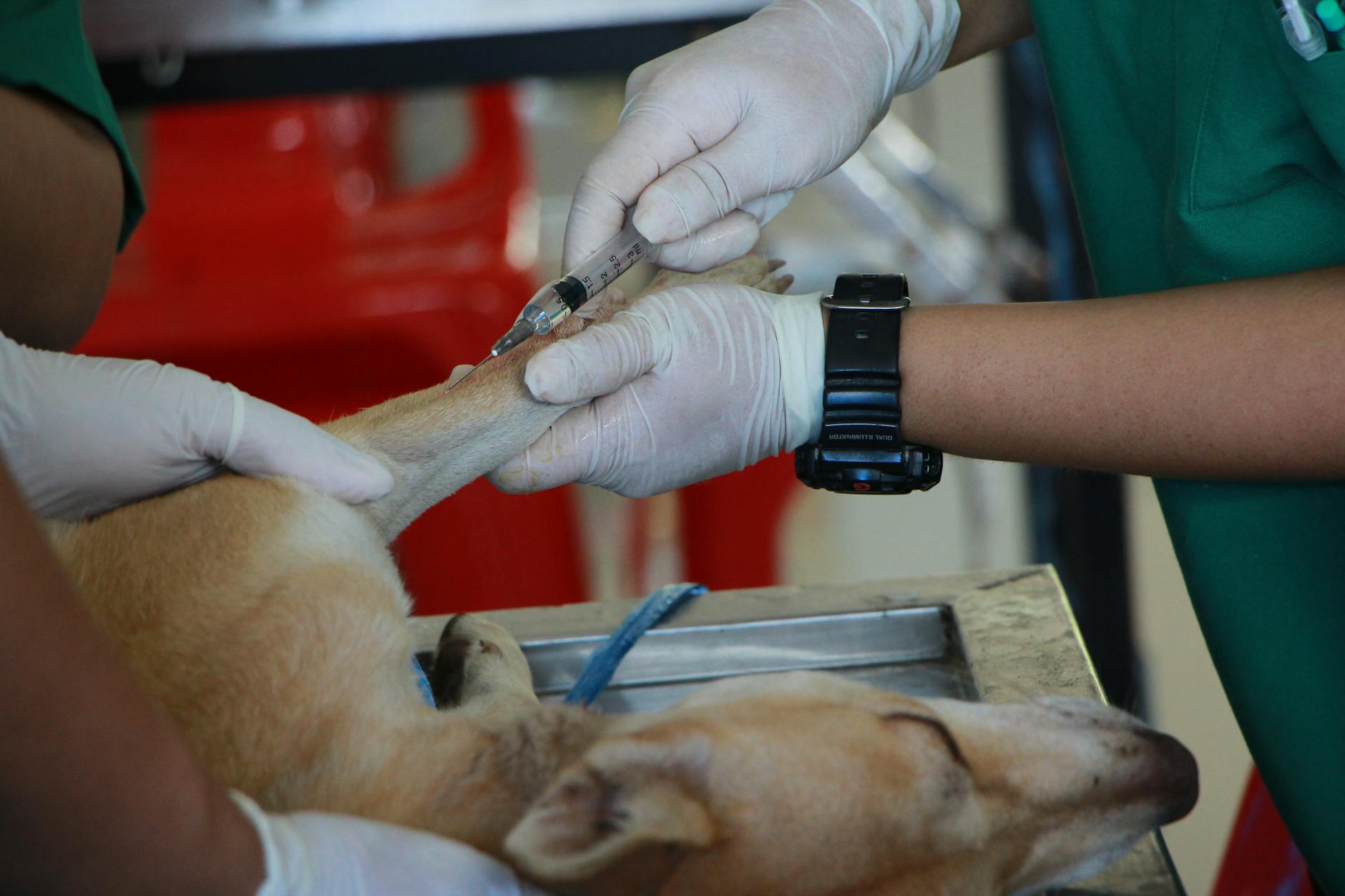
Photo by Pranidchakan Boonrom
Accident vs. Illness Coverage Explained
Most pet insurance bundles accident and illness coverage, but understanding the split helps you choose right. Accidents cover injuries from bumps and mishaps, like broken bones, swallowed objects, or car hits. Think sudden trauma that sends you to the ER.
Illness coverage handles diseases, such as cancer, infections, allergies, diabetes, or kidney failure. These creep up over time and rack up bills through tests, meds, and surgery.
Why bundle both? Vet costs soared with inflation; common claims include ear infections (top for dogs), dental issues, and tumors. Bankrate breaks it down well, noting accident-only plans cost less but skip chronic ills.
Here’s a quick look:
- Accidents: X-rays for fractures ($200-1,000), wound stitches ($300+).
- Illnesses: Cancer chemo ($3,000-5,000), UTI antibiotics ($500).
- Bundled plans: Cover 80% of claims; accident-only skips 60% of costs.
Opt for comprehensive unless your pet stays indoors.
Reimbursement Model Basics
You handle the “pay vet first” model in most cases. Visit the vet, foot the full bill, then file a claim for reimbursement. Submit invoices and records via app or portal; insurers review in days to weeks.
Direct pay to vets exists but stays rare; only a few partners offer it. Stick to reimbursement for flexibility with any vet.
Customize your plan: choose 70%, 80%, or 90% rates, deductibles from $0-$1,000, and annual limits. Higher reimbursement means pricier premiums, but it matches your risk tolerance.
How Much Does Pet Insurance Cost in 2025?
Pet insurance premiums average $62 a month for dogs and $32 for cats in 2025. That adds up to about $748 yearly for dogs and $386 for cats. These figures come from recent industry data as vet costs climb and adoption grows 20-29% each year. Yet only about 4-5% of pets have coverage, leaving most owners exposed. Trupanion saw premiums rise 11.7% in Q1 2025 alone, hitting $302 million.
Expect variation based on your pet’s details. Check Pawlicy Advisor for quotes by breed and state to see real numbers.
Here’s a snapshot of breed examples:
| Pet Type | Average Monthly Premium | High-Cost Breed Example | Monthly Cost | Low-Cost Breed Example | Monthly Cost |
|---|---|---|---|---|---|
| Dogs | $62 | French Bulldog | $92 | Goldendoodle | $44 |
| Cats | $32 | Maine Coon | $31 | Ragdoll | $27 |
Larger dogs drive up costs due to higher risks.
Premiums for Dogs vs. Cats
Dogs cost nearly twice as much to insure as cats. You pay around $62 monthly for a dog versus $32 for a cat, per 2025 averages. Why the gap? Dogs face more accidents and breed-specific issues. A big Labrador might run $70 or more monthly, while a small Chihuahua dips under $50.
Cats stay cheaper overall. Indoor life means fewer mishaps, so premiums hover lower. Take a Maine Coon at $31 monthly; it tops cat breeds but beats most dogs.
Real-world math hurts without coverage. A dog’s torn ligament surgery hits $3,000; insurance reimburses most after your deductible. Cats dodge big bills less often, but allergies or urinary issues still add up.
Shop accident-only for basics at $16 for dogs or $9 for cats. Full plans suit active pets better. Your wallet thanks the difference.
Factors That Affect Your Quote
Several things shape your pet insurance price. Age tops the list: puppies and kittens cost less, say $25-40 monthly, but a 10-year-old dog jumps to $100 plus. Older pets claim more.
Breed matters too. Bulldogs and Frenchies pay premium prices, around $92 monthly, for breathing or skin woes. Mixed breeds save you cash.
Zip code swings costs. California vets charge more than Oklahoma ones, so premiums follow. Urban spots add 20-30%.
Coverage level and add-ons seal the deal. Bump reimbursement to 90%? Add $10-20 monthly. Wellness for vaccines costs extra $10-25.
Lower your quote with smart moves. Pick a higher deductible, like $500, to cut premiums 20%. Bundle multi-pet for discounts. Buy young to lock in rates. Experian shares six solid ways to save.
Get quotes from three providers. Your pet’s perfect plan waits.
What Does Pet Insurance Cover and Exclude?
Pet insurance steps up for unexpected vet bills, but it skips some basics. Most plans cover accidents like broken bones or swallowed toys, illnesses such as infections or cancer, surgeries, prescription medications, and diagnostics like X-rays or blood tests. About 80% of insured pets are dogs, which face higher risks from active lifestyles. Wellness add-ons handle routine care like vaccines or flea prevention.
Exclusions keep premiums low. Plans don’t touch pre-existing conditions (issues before signup), routine checkups (unless you add wellness), or breeding-related costs like whelping or spay/neuter. Elective procedures, like cosmetic surgery, also fall out. Check your policy details; providers like MetLife Pet Insurance list them clearly.
Rising vet costs drive claims. Bills jumped over 60% in the last decade, pushing owners to file for accidents and illnesses that hit hard.

Photo by Mikhail Nilov
Top Reasons Pet Owners File Claims
You file claims most for everyday woes turned pricey. Skin allergies top dog lists, with costs averaging $1,200 per case. Gastroenteritis follows close for upset stomachs from bad food or toxins. Cats lead with urinary issues and hyperthyroidism, per Nationwide’s latest data.
Vet inflation fuels this; costs rose 7-10% yearly, making chronic issues like diabetes or arthritis claim magnets. A single MRI runs $2,000 now.
Insurance shines here. Insured pets cut euthanasia risk by 50%, studies show, as owners afford treatments over tough choices. Trupanion and others report 70-80% of claims tie to these trends. Dogs file twice as often as cats due to adventures. Spot patterns early; prevention saves claims and stress.
Who Are the Best Pet Insurance Providers in 2025?
You face 25 to 30 pet insurance companies in a market that pulled in $5.1 billion in 2024. Premiums keep climbing as more owners sign up. Top spots go by Q1 2025 premiums: Trupanion leads at $302 million, Nationwide follows with $270 million, and Independence takes third at $188 million. Customer ratings back them up too. Trupanion scores a top 4.9 out of 5 stars across 50,000 reviews, per sites like Pet Insurance Review.
These leaders shine with unlimited coverage options, fast claims, and strong payouts. Trupanion skips waiting periods for cruciate ligaments; Nationwide adds wellness perks. Ratings hover at 4.7 to 4.9 for all three. But pick based on your pet’s breed, age, and needs.
Pros of top picks:
- Trupanion: Direct vet pay, no payout caps.
- Nationwide: Multi-pet discounts, exam fee coverage.
- Independence: Flexible deductibles per condition.
Cons:
- Trupanion: Higher rates for some breeds.
- Nationwide: Longer claim times reported.
- Independence: Fewer add-ons.
Compare quotes from all three on sites like Pawlicy Advisor. Enter your pet’s details for side-by-side costs. Aim for three quotes; it takes minutes and saves hundreds yearly.
Trupanion vs. Nationwide Breakdown
Trupanion and Nationwide top many lists, but they differ on coverage and rates. Trupanion offers unlimited lifetime payouts with 90% reimbursement after a $0-$1,000 deductible. It covers meds, surgery, and diagnostics fully, even direct to vets. Rates average $60-80 monthly for dogs, higher for brachycephalic breeds. No wellness base plan, but strong on chronic ills.
Nationwide caps annual at $10,000 standard (unlimited optional), with 70-90% back. It bundles exam fees and wellness riders for vaccines. Dogs run $50-70 monthly, often cheaper for cats. See a full Trupanion vs. Nationwide comparison here.
| Feature | Trupanion | Nationwide |
|---|---|---|
| Reimbursement | Up to 90%, unlimited | 70-90%, up to unlimited |
| Rates (Dog) | $60-80/mo | $50-70/mo |
| Unique Perk | Direct vet pay | Wellness add-ons |
| Ratings | 4.9/5 | 4.7/5 |
Trupanion suits high-risk pets; Nationwide fits families with routines. Check both for your quote.
How Do I Choose and Buy Pet Insurance?
Picking the right pet insurance feels overwhelming at first, but a few smart steps make it simple. You want coverage that matches your pet’s risks and your budget. Start by gathering quotes from top providers like Trupanion or Nationwide, then compare key details side by side. This pet insurance FAQ section walks you through the process so you buy with confidence in 2025.
Steps to Get Quotes and Compare Plans
Grab your pet’s details: age, breed, and zip code. Head to comparison sites or provider pages for free quotes. Enter info once, and see options from multiple companies.
Compare these must-haves:
- Coverage scope: Accidents, illnesses, or wellness add-ons.
- Deductible: $250 saves on premiums over $500.
- Reimbursement rate: 80-90% suits most budgets.
- Annual limits: Unlimited beats $5,000 caps for chronic issues.
Use tools like U.S. News’ best pet insurance guide for side-by-side views. Aim for three quotes; it takes 10 minutes and spots the best deal.
Best Time to Sign Up
Buy when your pet stays young and healthy. Puppies under two years cost 50% less than seniors. Rates lock in at signup, so early beats waiting for that first vet scare. Skip if your pet has issues; pre-existing conditions get excluded.
Add a Wellness Plan?
Wellness riders cover vaccines, flea meds, and checkups for $10-25 extra monthly. Skip for low-maintenance pets; add if routines rack up bills. Check if base plans bundle them, like Nationwide does.
Tips for Your First Claim
Pay the vet upfront, snap photos of bills, and file online within 30 days. Note your policy number. Expect payout in 10-14 days at 80% back. Test with a small claim to learn the ropes.
More Important Pet Insurance FAQ
Should you get pet insurance before going to the vet
Can you cancel pet insurance at any time
Does pet insurance cover hip replacement
What dogs will insurance not cover
What pet insurance does not cover routine care
How long do pet insurance claims take to process
Questions to ask pet insurance companies
Does pet insurance cover cataract surgery
How often should pet scans be performed
Best pet insurance for english bulldogs
Pet insurance claim rejected: Now What?
Can a dog get worms from eating cat poop
Can I cancel spot pet insurance at any time
How do i cancel spot pet insurance
Cancelling pet insurance when pet dies
Do all vets accept pet insurance
What documents needed to file pet insurance claim
What pet insurance covers behavioral therapy
Can you insure a senior cat with health issues
Does pet insurance refund unused premiumservices
What insurance covers dog bites
Dog hernia surgery cost without insurance
Pet insurance for cataract surgery
Conclusion
Pet insurance delivers solid protection at reachable prices. Dogs average $62 a month, cats $32, with plans from Trupanion and Nationwide covering accidents, illnesses, surgeries, and meds. You pick deductibles and reimbursement rates that fit your budget, skipping pre-existing woes and routines unless you add wellness.
This pet insurance FAQ clears up costs, claims, and choices for 2026. Of course, this will change in time but this is where we are at as of the time of this writing, 31 December 2025. The market surges with $1.31 billion in Q1 premiums alone, as vet bills climb over 60% in a decade. Don’t wait for a crisis.
Grab free quotes now from sites like Pawlicy Advisor. Compare three top providers in minutes to save hundreds yearly.
Drop your experiences in the comments. Which plan saved your wallet? Your pet deserves top care as family, backed by smart coverage. Act today for peace tomorrow.