
Compare Dog Breeds Tips

French Bulldogs snag the top spot in recent AKC rankings, yet Labrador Retrievers and Golden Retrievers hold strong as enduring family favorites. Labs ruled number one for 31 years, and Goldens shine with their patient, playful vibe. These picks prove popularity alone doesn’t guarantee a great match.
Picture this: a friend grabs a high-energy German Shepherd for their small apartment and busy schedule. Endless barking, shredded cushions, and guilty walks follow. That mismatch stole their joy, so compare dog breeds wisely to avoid regret.
You can compare dog breeds by key factors like size, energy levels, temperament, grooming needs, and health risks. Trends show people skip fads now. Instead, they pick pups that fit daily life, whether for kids, cozy spaces, or trails.
In this post, I will break down those factors first. Then, explore top matches for families, apartment dwellers, active owners, and even seniors. Plus, health tips to keep tails wagging long-term. Find your perfect fit today.
Core Factors to Weigh in Every Breed Comparison
You want the right dog for your life, so compare dog breeds by expert-backed factors like size, energy, temperament, grooming, health, and climate fit.
Trends in 2026 show Labs topping AKC lists for families, while French Bulldogs suit apartments. First, measure your yard or check daily walk time. Got a big space or tiny apartment? These steps match pups to your routine. Here’s a quick table with Labs, Poodles, and Bulldogs for fast comparison.
| Breed | Size | Energy Level | Temperament | Grooming/Health | Climate Fit |
|---|---|---|---|---|---|
| Labrador Retriever | Large (55-80 lbs) | High (1-2 hrs exercise) | Friendly, kid-loving | Weekly brush; hip issues | All-season tolerant |
| Poodle | Small/Medium/Large | Medium (daily walks) | Smart, gentle | Daily clips; low shed | Cool weather best |
| Bulldog | Medium (40-50 lbs) | Low (short walks) | Calm, loyal | Weekly; breathing problems | Mild temps only |
This snapshot helps you spot fits fast. Now, let’s break it down.
Size and Living Space: Tiny Toys to Towering Guardians
Small breeds like Pugs stay under 20 pounds, so they thrive in apartments. You handle them easily, but watch fragility around kids. Medium Beagles fit average homes with some yard play. They offer balance without overwhelming space.
Large Labs top 55 pounds and need yards for zoomies. They protect families well, yet joint issues hit giants harder. Measure your space first. In 2026 trends, adaptable sizes win for urban families.
Energy and Exercise: Marathon Runners or Sofa Snugglers
High-energy Border Collies demand two hours of runs or hikes daily. Pick them if you stay active. Low-energy Bulldogs love short walks and couch time, perfect for busy owners.
Match your routine. Hikers choose herders, while desk workers grab independents like Bassets. Log your free time for walks. As a result, mismatches drop, and joy rises in active 2026 homes.
Temperament: Playful Pals or Independent Spirits
Goldens stay patient with kids, making them family stars. German Shepherds guard loyally but eye strangers warily. Hounds chase small prey, so train early.
In multi-pet homes, test introductions. Gentle picks bond fast. Labs lead 2026 for easy vibes, so prioritize play style
Grooming, Health, and Climate Fit
Labs need weekly brushes for easy care. Poodles demand daily grooming to avoid mats. Small dogs face dental woes; large ones battle hips; flat-faces like Bulldogs struggle breathing.
Huskies handle cold snaps, but short-noses hate heat. Check vet records. Therefore, pick for your weather and commit to care. Trends favor low-maintenance for long, happy lives.
Family Favorites Compared: Kid-Ready Breeds Side by Side
Families often search to compare dog breeds that handle kids with ease. Labrador Retrievers, Golden Retrievers, and Staffordshire Bull Terriers top the list for their patience, playfulness, and protection. In the latest AKC rankings for 2025 registrations (out early 2026), Labs hold #2 and Goldens sit at #3. Staffies rank lower but win hearts as loyal companions. These breeds forgive rough play and bond tight. However, each brings unique traits. Check this table to see side-by-side differences in key areas.
| Breed | Size | Energy Level | Temperament | Grooming | Health Concerns |
|---|---|---|---|---|---|
| Labrador Retriever | Large (55-80 lbs) | High (1-2 hrs/day) | Friendly, outgoing, kid-tolerant | Weekly brush; heavy shed | Hip dysplasia |
| Golden Retriever | Large (55-75 lbs) | High (1 hr+/day) | Gentle, affectionate | Frequent brush; moderate shed | Hip/elbow issues, cancer |
| Staffordshire Bull Terrier | Medium (25-40 lbs) | Medium (30-60 min/day) | Loyal, playful, protective | Low; short coat | Skin allergies, heart |
This chart shows Labs and Goldens match big families with space. Staffies suit smaller homes better. Most importantly, all three stay calm around tots
Labrador Retriever: The Energetic All-Rounder
Labs greet everyone with wagging tails. They love kids because they stay patient during tug games or chase sessions. Train them easy, so they fit busy homes. Energy runs high, yet daily walks manage it well. Compared to Goldens, Labs push harder for play. Staffies offer less bounce but more cuddle time.
Heavy shedding means vacuum often. Still, their friendly vibe shines. Hip dysplasia hits some lines, so pick reputable breeders. In short, Labs thrive with active families who commit to exercise.
Golden Retriever: Sweethearts with Golden Hearts
Goldens melt hearts with soft eyes and gentle nudges. They excel with toddlers because they tolerate pulls and hugs without snap. Affection flows nonstop. Similar to Labs in energy, they need solid walks or fetch. However, their curlier coat traps more dirt. Brush often to keep it neat.
Grooming takes extra time versus short-haired Staffies. Pros include loyalty; cons mean cancer risks later. Therefore, Goldens suit patient owners who prioritize bonding over low upkeep.
Staffordshire Bull Terrier: Muscular Softies
Staffies look tough with ripped muscles, but they turn mushy around kids. They protect without aggression if socialized early. Compact size fits apartments or yards. Loyalty beats Labs in intensity, though smaller frames limit roughhousing.
Low grooming saves weekends, unlike Goldens. Playful yet chill, they nap after short romps. Watch skin allergies. As a result, Staffies deliver big love in a medium package for protective families.
Apartment All-Stars: Compact Breeds That Fit Small Spaces
City folks often compare dog breeds for tight apartments. French Bulldogs, Pugs, and Boston Terriers shine here because they stay small, quiet, and low-key. These compact stars need minimal space and exercise, so they match urban routines perfectly. However, all three face brachycephalic issues like breathing struggles and heat sensitivity. Vet bills add up, yet their portable size and affectionate nature win fans. Frenchies lead AKC popularity at #1 based on recent data.
Check this quick table to compare dog breeds on key apartment factors.
| Breed | Noise Level | Shedding | Exercise Needs |
|---|---|---|---|
| French Bulldog | Low (quiet) | Moderate | Short walks (20 min) |
| Pug | Low (snore) | Moderate | Minimal (10-15 min) |
| Boston Terrier | Low | Low | Moderate (30 min) |
This setup shows why they thrive indoors. Pros include easy carrying and lap cuddles. Cons mean extra health checks. Still, they adapt well to elevators and small pads.
French Bulldog: The Chill City Slicker
French Bulldogs lounge like pros in small spaces. Their bat ears and smushy faces charm everyone. You get a quiet companion because they bark little. Low exercise fits busy schedules; short walks or indoor play suffice.
They bond tight with owners, so affection flows easy. However, heat wipes them out fast due to flat faces. Breathing issues demand cool air and vet visits. Pick healthy lines to cut risks.
In addition, they shed moderately, so quick brushes work. Compared to bigger breeds, Frenchies save space and energy. Urban trends favor them for good reason. Families love their calm vibe around kids too. Keep them comfy, and they repay with endless loyalty.
Pug: Wrinkle-Faced Lap Lovers
Pugs curl up on laps without fuss. Playful sparks light up small rooms, yet they need few walks. Clean those wrinkles daily to dodge infections. They snore more than Frenchies, but it adds charm.
Affectionate hearts make them clingy pals. Minimal exercise keeps them happy; 10 minutes outside does it. However, brachy problems hit hard with gasping breaths and eye woes. Watch weight because it worsens issues.
Grooming stays simple besides folds. They tolerate apartments well, even with noise nearby. In contrast to Frenchies, Pugs push play a bit more. Therefore, they suit couch potatoes who crave cuddles. Vet care matters, but joy outweighs it.
Boston Terrier: Tuxedo-Clad Energizers
Boston Terriers sport tuxedo coats that pop in cities. Friendly faces greet neighbors without drama. Adaptable energy means moderate play fits tiny homes. They breathe easier than other flat-faces, so walks extend a tad.
Loyal bonds form quick with families. Low shedding simplifies cleanups. However, allergies and patella slips need monitoring. Still, health holds better overall.
Short bursts of zoomies tire them out. In short, Bostons balance pep and chill. They handle urban bustle like champs. Compared to Pugs, less snoring helps quiet nights. Active owners grab them for fun without overload.
Energy Extremes: Active Adventurers vs Senior Sidekicks
Active owners often compare dog breeds by energy match. High-drive herders like Border Collies demand runs and mental games. Seniors prefer chill companions that nap most days. Labs offer middle ground with steady stamina, but extremes suit specific lives best. Recent trends favor smart breeds for agility work, while low-key picks ease senior routines.
This table breaks down daily needs and trainability to spot quick fits.
| Breed | Energy Level | Daily Exercise | Trainability | Best For | Health Notes |
|---|---|---|---|---|---|
| Border Collie | Very High | 2+ hrs (runs, herding) | Top-tier (obedience pro) | Runners/trainers | Joint stress in large frames |
| Australian Shepherd | High | 1-2 hrs (agility) | Excellent (jobs needed) | Hikers/active families | Hip issues possible |
| Labrador Retriever | High | 1-2 hrs (fetch/swim) | Good (versatile) | Families/outdoors | Hip dysplasia common |
| Greyhound | Low | 20-30 min bursts | Moderate | Seniors/couch time | Low grooming, slim build |
| Bulldog | Low | Short walks (10-20 min) | Fair (stubborn) | Relaxed homes | Breathing struggles |
| Basset Hound | Low | Slow strolls (20 min) | Low (scent-focused) | Gentle walks | Ear infections |
High-energy pups prevent boredom with tasks. Low ones bond without draining you. As a result, mismatches fade in 2024 trends.
Border Collie and Australian Shepherd: Workaholic Wonders
Border Collies stun with smarts. They herd anything that moves, so runners love their pace. You need agility classes or obedience drills daily. Labs match energy but lack their laser focus. In addition, these herders bore fast without jobs, so puzzles keep them sharp.
Australian Shepherds leap into action. They crave disc throws or trails. Trainability tops charts because they live for tasks. However, Labs chill easier post-play. Both face joint wear from constant motion, so watch hips. Pick them if you run marathons. Otherwise, they overwhelm.
Greyhound: Speedy but Snoozy Retirees
Greyhounds sprint tracks then crash on couches. They sleep 18 hours, so seniors get gentle giants. Short yard dashes thrill them enough. Low grooming means quick wipes. In contrast to Labs, they skip long hikes.
You bond over quiet evenings. They stay calm around visitors. Still, slim builds need soft beds. Heat tires them less than Bulldogs. Therefore, retired racers suit low-key laps perfectly.
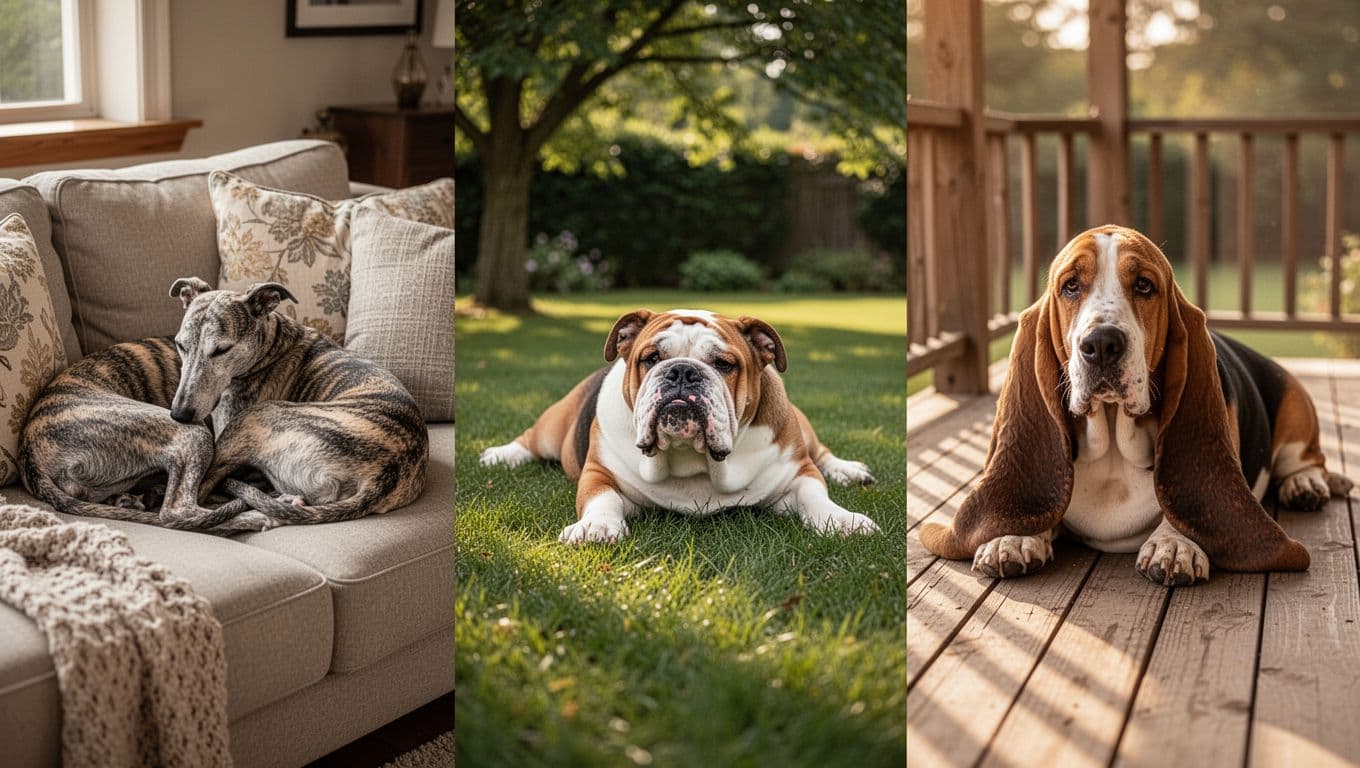
Bulldog and Basset Hound: Ultimate Relaxers
Bulldogs plop down after tiny walks. They snuggle close, so affection flows easy. Breathing woes limit play, unlike speedy Greyhounds. Clean wrinkles often. Seniors adore their loyalty.
Basset Hounds trail slowly with droopy ears. Short strolls scent the air. They love pets but ignore commands sometimes. Ear checks prevent infections. In short, both deliver chill without demands. Labs outpace them by miles.
Health Smarts: Spotting Risks When You Compare Breeds
You compare dog breeds smartly when health enters the picture. Size and face shape predict big issues, so check them first. Small pups battle teeth and knees. Medium ones fight ears and hips. Large dogs face bloat and joints. Flat-faced types gasp for air. Recent vet data shows small breeds live 7-20 years, medium 12-15, large 6-13. Brachycephalics like Pugs cut short at 3-7 years. Labs average 13.1 years despite hips. Goldens drop to 6-8 from cancer. Pick tested breeders and grab pet insurance to ease costs.
Here’s a quick table to compare top risks by size.
| Size/Type | Examples | Avg Lifespan | Key Issues |
|---|---|---|---|
| Small | Pug, Chihuahua | 7-20 years | Dental disease, knee luxation, breathing |
| Medium | Beagle, Staffy | 12-15 years | Ear infections, hip dysplasia, allergies |
| Large | Lab, Golden | 6-13 years | Bloat, hip/elbow dysplasia, cancer |
| Brachycephalic | Frenchie, Pug | 1.5-8 years | Breathing syndrome, spinal problems |
This view spots mismatches fast. For example, Labs dodge Pug breathing woes but carry hip risks.
Small Breeds: Guard Teeth and Knees
Pugs lose teeth to plaque fast. Knees slip out of joint, so limps follow. Breathing adds stress because flat faces block air. Clean teeth daily. Vet checks catch knees early. Insurance covers fixes.
Medium Breeds: Clean Ears, Watch Hips
Beagles trap gunk in floppy ears, breeding infections. Hips ache from dysplasia in Staffies too. Wipe ears weekly. X-rays spot hips young. Low-cal diets help weight.
Large Breeds: Fight Bloat and Dysplasia
Labs twist stomachs into bloat emergencies. Hips grind in Goldens and Labs alike. Feed small meals often. Screen parents for joints. Cancer hits Goldens hard, so monitor lumps.
Flat-Face Fix: Breathing First
Frenchies snore and overheat from narrow airways. Pugs gulp air during play. Surgery helps some. Skip hot days. Cool homes extend lives.
These steps keep pups healthy long-term. Now, tie it all together with your best pick.
Conclusion
You now know how to compare dog breeds by size, energy, temperament, grooming, health, and climate. Families love Labs and Goldens for their kid-friendly play. Apartment dwellers pick Frenchies or Pugs for low-key vibes. Active folks chase Border Collies, while seniors relax with Greyhounds or Bulldogs.
List your daily routine, space, and family needs first. Then, head to the AKC site or chat with a vet to narrow options. This match prevents mismatches and boosts joy.
Back to Pet Insurance Explained


