
Pets at Home Cat Insurance

Back to Pet Insurance Reviews
If your cat faces a sudden illness or injury, those vet bills can add up fast. Think scans, surgery, or treatment for ongoing conditions like diabetes. That’s where Pets at Home cat insurance comes in, a UK policy you can buy through their stores and online, backed by Petplan.
This cover helps British cat owners handle unexpected costs without breaking the bank. It’s not available in the US, but if you have UK ties or just want to know more, it’s worth a look. Plans range from basic time-limited options to lifetime cover that renews each year.
Costs run about £10 to £30 a month, but they change based on your cat’s age, breed, location, and health. The best plan fits your budget and your furry friend’s needs. You’ll also pick an excess amount you pay first.
In this post, you’ll find out exactly what it covers and skips, like pre-existing issues or routine care. Learn how lifetime policies work, key price factors, and quick comparisons to other UK insurers. Stick around to see if it matches what you need.
How Pets at Home cat insurance works (and who actually underwrites it)
Pets at Home cat insurance makes it simple to protect your cat. You start by getting a quote online or in store. Pick your cover level, like basic or lifetime. Pay monthly or yearly, often around £10 to £30 depending on details. When your cat needs vet care, you claim after treatment, sometimes straight from the vet. But who runs the show behind the scenes? Pets at Home sells the policies in partnership with Petplan. It’s not their own insurer as of February 2026. Petplan underwrites everything, which means they set the real terms.
The Petplan partnership in plain English
Think of it this way: Pets at Home is the friendly shop front. You buy your policy there because it’s convenient, especially if you already shop for cat food or toys. Petplan handles the heavy lifting. They create the pricing, write the policy rules, and process every claim. Pets at Home just connects you to Petplan’s plans and helps with quotes or questions.
This setup builds trust. Petplan has a solid track record. Customers rate them high, like 4.88 out of 5 from over 2,300 reviews on sites such as Smart Money People. They score well on Feefo too, around 4.7 stars from thousands. Their Covered for Life lifetime policies often earn top marks, including Defaqto 5-star ratings. That’s a big plus for cat owners who want reliable cover. No one wants a policy that looks good on paper but falls short when kitty gets sick.
What “lifetime cover” means, and why it matters for cats
Lifetime cover sounds straightforward, but it packs real value for cats. Each policy year, your vet fee limit resets to the full amount, say £4,000, £7,000, or £12,000. You can claim for the same issue over and over, as long as you renew without gaps. This shines for chronic problems your cat might face later in life.
Picture your tabby developing diabetes. Lifetime cover pays for insulin, check-ups, and hospital stays year after year. Allergies mean ongoing skin treatments; no worry about hitting a one-time cap. Arthritis brings pain meds or hydrotherapy up to £2,000 annually, resetting fresh each time. Even kidney disease gets support for dialysis or special diets, without the limit vanishing after diagnosis.
Compare that quickly to other styles. Accident-only plans skip illnesses entirely; fine for a kitten but useless for diabetes. Time-limited cover caps claims per condition at 12 months or a set amount, so arthritis treatment stops cold. Max benefit gives a total pot per issue that never refills; great for one-off fixes, risky for lifelong needs. Lifetime stands out for older or breed-prone cats, like Persians with kidney woes.
How claims usually work, including typical timelines
Claims keep things stress-free during tough times. You pay the vet upfront most times, then get money back. Here’s the typical flow:
- Treat your cat and settle the bill.
- Gather invoices, vet notes, and your policy details.
- Submit online via My Petplan, ask your vet to send it direct, or post a form.
Petplan reviews and reimburses you, minus your excess. Some vets claim direct; you just pay the excess (they might add a small admin fee, like £25). Submit within 60 days to stay covered.
Payouts come fast for most. Many owners see cash in days, though it can take 1-2 weeks total. Petplan pays 97% of claims, and your premiums won’t jump just for using it. Check with your vet first; direct claims save hassle if available.
What Pets at Home cat insurance covers, and what it typically does not
You want to know the real details on Pets at Home cat insurance coverage. Does it pay for that emergency surgery or those pricey scans? Policies through Pets at Home, underwritten by Petplan, handle many unexpected vet costs. They focus on accidents and illnesses that pop up after you start the policy. Limits apply based on your plan level, like £3,000 to £12,000 per year for lifetime options. But routine stuff often stays out of bounds. Let’s break it down so you see what makes the cut and what gets left behind.
Common vet treatments and tests that are usually covered
Pets at Home cat insurance steps up for a range of sudden health issues. Think diagnostics such as MRI or CT scans to spot hidden problems. Surgery counts too, whether it’s removing a swallowed string or fixing a urinary blockage. Hospital stays for observation or intensive care fall under vet fees. Prescription medications keep going during recovery, and physiotherapy helps with mobility after injuries.
Hereditary conditions get coverage if they show up after the policy starts and meet the terms. Your Siamese with a sudden heart issue or Persian facing kidney trouble could qualify under lifetime plans that renew limits yearly.
Here are everyday scenarios where it shines:
- Your cat swallows string: Emergency surgery and follow-up meds get paid, minus your excess.
- Urinary blockage hits: Scans, catheter insertion, and hospital care add up fast; the policy covers most.
- Broken leg from a fall: X-rays, surgery, and physio to get your cat jumping again.
- Sudden vomiting needs scans: Blood tests, ultrasound, and treatment for underlying causes like pancreatitis.
These examples show how the cover protects against big bills from surprises. Just ensure your vet bills match the policy terms.
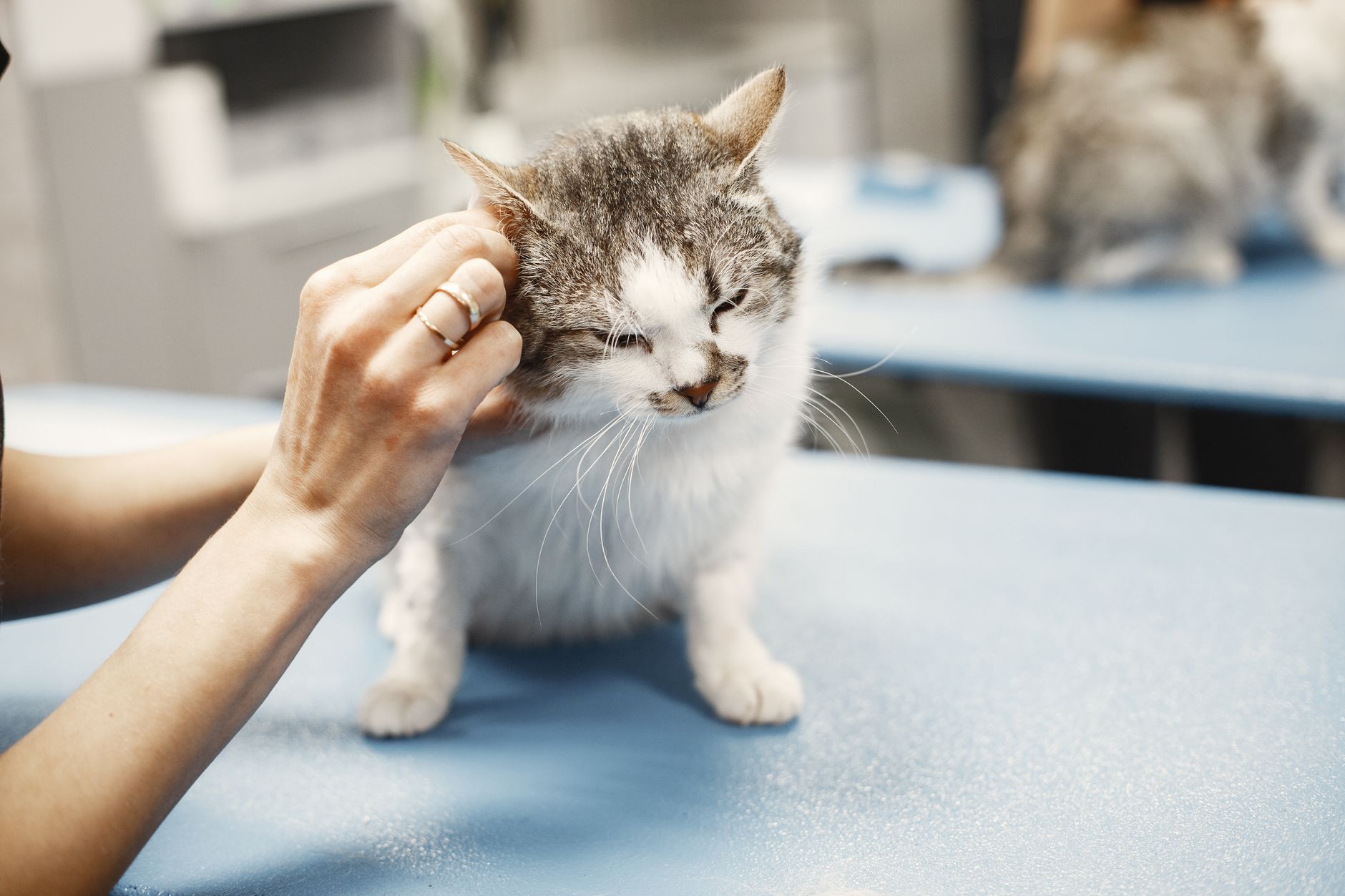
Photo by Gustavo Fring
Exclusions that surprise people (routine care, dental, waiting periods)
Many cat owners overlook key exclusions in Pets at Home cat insurance. Routine and preventative care sits firmly outside coverage. That means no pay for vaccines, flea or worm treatments, or yearly checkups. Most routine dental cleanings also miss out, though some accident-related dental work might sneak in.
Waiting periods catch folks off guard too. Illnesses that start in the first 14 days often get excluded. Your cat shows signs right after signup? Tough luck on that claim. These rules prevent quick grabs on known issues.
Always grab the policy wording for exact dental rules and waiting times. They shift by plan, so don’t assume. One owner learned this when their cat’s upset tummy hit day 10; claim denied despite worry.
Pre-existing conditions: what that really means for your cat
Pre-existing conditions mean any health trouble your cat showed signs of, got diagnosed for, or received treatment for before the policy began. A limp you noticed last month? Past flea allergy meds? Those stay uncovered, even if symptoms vanish.
Pets at Home cat insurance draws a hard line here, but limited cases might allow coverage under specific terms. Say your kitten had a minor ear issue fully resolved young; check if it qualifies.
Protect yourself with these steps:
- Insure early, when your cat stays young and healthy.
- Keep detailed vet records to prove no prior issues.
- Ask Petplan for written clarity on your cat’s history before buying.
This approach keeps surprises low. Your healthy tabby today avoids tomorrow’s regrets. Read the full policy to confirm.
How much Pets at Home cat insurance costs, and what makes the price go up
Pets at Home cat insurance premiums start low for young, healthy cats but climb based on a few key details. You might pay around £3 to £8 a month on average, though quotes shift with your cat’s profile. These plans, backed by Petplan, renew yearly, and prices often rise then due to age or other changes. Claims won’t slap on extra penalties, which keeps things fair. Exact costs come from your online quote, so plug in your details to see real numbers. Let’s look at what drives those prices and how to trim them without skimping on protection.
The biggest pricing factors: age, breed, location, and cover level
Your cat’s age tops the list. Kittens and young adults cost less because they face fewer risks. An older cat, say over seven years, pushes premiums higher since vets see more issues like arthritis. A two-year-old tabby might quote half what a ten-year-old pays.
Breed matters next. Pedigree cats like Persians or Siamese carry higher risks for things such as kidney problems or heart defects. Non-pedigree moggies usually land cheaper quotes since they dodge those breed-specific woes.
Location plays a role too. Live in a busy city like London? Vet fees run higher there, so your premium reflects that. Rural spots often mean lower costs thanks to cheaper local practices.
Cover level seals the deal. Basic accident-only plans stay affordable, but lifetime options with £3,000 to £12,000 yearly vet limits cost more. You get what you pick: higher protection means higher price, but it pays off for serious needs.
Excess and co-insurance: what you pay out of pocket
The excess acts like your deductible. You cover this amount first on each claim, then the policy kicks in. Pets at Home cat insurance sets it per condition in many cases, so one ongoing issue like diabetes has a single excess. Some policies apply it per year or per claim, which adds up faster.
Expect options from £60 to £200 or more. It can rise at renewal, especially as your cat ages. No co-insurance shows up in these plans; you don’t pay a percentage after the excess. Petplan covers the rest up to your limit.
Check the excess rules before you buy. Does it reset yearly? Apply to meds only? A high excess drops your premium but hits your wallet on claims. Pick what fits your budget and your cat’s habits.
Discounts and savings ideas that do not reduce needed coverage
Smart choices cut costs without cutting corners. Buy Pets at Home cat insurance online for a straight 10% discount right off the quote. Multi-pet deals pop up too; add a second cat and save a minimum of £24 a year, even on different plans.
Pay yearly instead of monthly. It often shaves pounds since you skip installment fees. Raise your excess if you have savings ready; that lowers premiums now but watch claims.
Insure young. Start when your kitten turns healthy and cheap, locking in lower base rates. Keep the policy active year after year. Lifetime benefits renew only without gaps, and you avoid proving no pre-existing issues later.
These moves keep your cover strong. Run quotes with tweaks to spot the best fit for your crew.
How to compare Pets at Home cat insurance with other options, step by step
You have quotes from Pets at Home cat insurance and spots like ManyPets or Purely Pets. Now pick the right one without regret. Start by lining up key details side by side. This stops you from missing gaps in cover or hidden costs. Focus on how each stacks up for your cat’s needs, like ongoing health woes or just basic accidents. Grab quotes from at least three providers, note your cat’s age and breed, then run through a clear checklist. That way, you spot the best match fast.
A quick comparison checklist before you click “buy”
Before you commit, print or save PDFs of all quotes and policy summaries. They prove what you saw and help later claims. Use this checklist to compare Pets at Home cat insurance (via Petplan) against others like ManyPets lifetime plans or Purely Pets time-limited options. Tick off each point for every quote.
Here’s a simple table to make it visual:
| Feature | Pets at Home/Petplan Notes | Other Insurer (e.g., ManyPets, Purely Pets) | My Pick |
|---|---|---|---|
| Policy type | Time-limited (£3,000/condition, 12 months); lifetime available with yearly reset | Lifetime (£3,000+ yearly); time-limited or max benefit (one-time pot) | |
| Annual vet fee limit | £3,000 per condition (time-limited); higher for lifetime | £2,000-£12,000 yearly (lifetime); fixed per issue otherwise | |
| Limits reset yearly? | Yes on lifetime; no on time-limited | Yes on lifetime; no/12 months on others | |
| Excess details | Per condition, £100-£150 typical; rises on renewal | Per year/condition; low options but age co-pays | |
| Scans/specialist care | Full cover for MRI/CT, referrals | Similar, but check limits | |
| Hereditary conditions | Covered if new after start | Often yes on lifetime; varies | |
| Dental rules | Illness covered (add-on possible) | Add-on or limited elsewhere | |
| Waiting periods | 14 days for illnesses | 14 days standard | |
| Pre-existing rules | No cover for prior signs/treatment | Same; declare history | |
| Vet direct claims? | Yes, pays 97% direct | Often yes, but fees vary |
This setup shows Pets at Home shines on dental and hereditary if lifetime. Others might win on low excess but cap dental.
When lifetime cover is usually the best fit (and when it may not be)
Lifetime cover from Pets at Home cat insurance suits cats prone to repeats, like a Bengal with allergies or a senior with arthritis. Each year resets your limit, say £7,000, so claims roll on without end. Your Persian’s kidney checks stay paid year one, two, and beyond.
It skips sense if cash stays tight and you just need accidents. A young indoor cat rarely gets hit by cars, so basic plans cost less. Older cats push premiums sky high too; a 10-year-old might double the quote versus time-limited.
Pick the strongest you can swing long term. Switching later adds exclusions for fresh issues. Your cat’s diabetes shows up post-switch? No cover. Stick and renew without breaks for steady peace.
Questions to ask customer support so there are no surprises later
Chat or call support before signup. Get answers in writing. Copy these questions for Pets at Home or rivals:
- How do you apply excess: per year, per condition, or per claim?
- Do scans or specialist visits add extra excess?
- Does dental illness count after a routine exam?
- What exactly makes a condition pre-existing?
- How do renewal prices change, and what bumps them?
- Any age-related co-pays kick in later?
- What gets covered for complementary therapies like physio or acupuncture?
Clear replies spot weak spots. One owner asked about excess on meds; it saved hassle during claims.
How to buy Pets at Home cat insurance online in a few minutes
Buying takes minutes on the Pets at Home site. Head to petsathome.com/insurance. Pick cat insurance, then enter your pet’s age, breed, and postcode. Answer health questions honestly.
Choose your level, like Essential time-limited or lifetime upgrade. Spot the 10% online discount and apply it. Review the quote, excess, and summary docs. Pay monthly or yearly, get instant confirmation.
Note your start date and 14-day waiting period. Cover kicks in after that for new issues. Print everything and add your cat’s microchip details. Done, your tabby stays protected.
Conclusion
Pets at Home cat insurance, backed by Petplan, delivers solid protection for your cat’s unexpected health needs. It covers key treatments like scans, surgery, and medications, especially under lifetime plans where limits reset each year. Focus on the policy type that fits your cat, vet fee caps, excess amounts, and common exclusions such as pre-existing conditions or routine care.
This setup helps you manage big bills without stress, as long as you renew on time. Lifetime cover stands out for cats with ongoing issues like diabetes or arthritis.
Back to Pet Insurance Explained


