
Healthy Paws vs Nationwide

Your dog’s emergency surgery bill hits $5,000 overnight. Cats hide illnesses until it’s too late, and vet costs soar. Pet insurance steps in for those big accidents and surprise sicknesses, but picking the right plan saves you stress and cash.
In this Healthy Paws vs Nationwide breakdown, we compare how they handle claims. Healthy Paws reimburses your actual vet bill, up to 80% after deductible with no per-condition caps. Nationwide follows a benefit schedule, paying set amounts up to 70% with some limits on basic plans.
Both cover accidents, illnesses like cancer, and hereditary issues without lifetime caps on core coverage. However, Healthy Paws shines for unlimited payouts and any licensed vet; Nationwide adds optional wellness perks but uses annual deductibles. Premiums vary too: Healthy Paws costs less for young dogs, while Nationwide wins for older cats and dogs.
You’ll see average monthly rates by pet age, pros and cons from real reviews, plus who each fits best. For example, go Healthy Paws for fast claims and high emergencies; pick Nationwide if budget rules. Stick around to find your best match and protect your pet without breaking the bank.
How each company pays your vet bill, and why that matters more than the monthly price
Monthly premiums grab attention first. Yet, the real test comes when your pet faces a $3,000 emergency surgery. Healthy Paws vs Nationwide diverges here because one reimburses your actual bill percentage, while the other often sticks to fixed amounts per condition. This setup determines your out-of-pocket costs during crises. Payout structure trumps low premiums every time, especially for unpredictable vet bills. Let’s break it down.
Healthy Paws reimbursement style: percentage of the real invoice, with no annual or lifetime caps
Healthy Paws keeps it straightforward. You choose your reimbursement rate, such as 50%, 70%, 80%, or 90%, after hitting an annual deductible from $100 to $1,000. They pay that percentage of your actual vet invoice for covered claims. No annual limits hold you back. No lifetime caps restrict help either. No per-condition maximums apply to new accidents or illnesses.
Picture that $3,000 surgery on your dog. With a $500 deductible and 80% reimbursement, you pay upfront, then get back $2,000 after deductible (80% of $2,500). Bills climb higher? They still cover eligible costs without cutoff. This predictability shines for big emergencies.
You visit any licensed vet in the US or Canada, including specialists. Diagnostics, meds, surgeries, and even alternative therapies count if your policy includes them. Claims process fast, often in two days via app. As a result, you focus on your pet, not finances.
Nationwide benefit schedule: what a “set payout per condition” can look like in real life
Nationwide mixes plans, but many use a benefit schedule. This means fixed dollar amounts per condition or service, regardless of your invoice. For example, they might pay $500 max for knee surgery, even if costs hit $3,000. You cover the rest after deductible.
In our surgery scenario, a schedule plan caps at $1,000 per condition. After a $250 deductible, you get maybe $750 total. Higher bills leave you paying more. However, smaller claims benefit from listed predictability. An ear infection at $250? They cover it fully if scheduled that way.
Not every Nationwide policy follows this exactly. Reimbursement plans pay 90% of bills in premium tiers like Major Medical, sometimes with unlimited options. Yet, the common schedule style draws budget shoppers. Always review the sample schedule before buying. In addition, exam fees cover in some setups, but caps persist.
Quick checklist to judge payout risk before you buy
Confused by fine print? Use this quick checklist to spot risks in any Healthy Paws vs Nationwide quote or rival plan. Answer yes or no to gauge coverage strength.
Start with limits: Does it have an annual payout cap, lifetime maximum, or per-condition limit? Next, check for benefit schedules with fixed amounts. Ask if exam fees reimburse fully. Does it include specialists, diagnostics like X-rays, and alternative care? Finally, review ongoing conditions; do they reset yearly without new caps?
| Question | Why It Matters |
|---|---|
| Annual or lifetime limit? | Blocks unlimited help for chronic issues. |
| Per-condition cap or schedule? | Undergays big bills over fixed payouts. |
| Exam fees covered? | Adds up fast in visits. |
| Specialists and tests OK? | Essential for real diagnoses. |
| Ongoing conditions handled? | Life happens beyond year one. |
Run through these before signup. Strong plans like Healthy Paws ace most. Weaker ones falter on caps.
What is covered (and what is not): accidents, illnesses, exams, and wellness care
Both Healthy Paws and Nationwide cover core needs like accidents, illnesses, hereditary issues, diagnostics, prescriptions, rehab, alternative therapies, and exam fees. However, Healthy Paws skips wellness add-ons, while Nationwide offers them as extras.
In a Healthy Paws vs Nationwide matchup, these choices shape your budget for surprises versus routine visits. Accidents hit fast, like broken bones from a jump. Illnesses creep in, such as cancer or infections. Both plans tackle these big costs, but gaps exist in everyday care and past issues. Let’s look closer.
Accidents and illnesses: where Healthy Paws tends to be straightforward
Healthy Paws covers a wide range of accidents and illnesses without annual or lifetime caps. Think imaging like X-rays and MRIs, surgeries, hospitalization, and cancer treatments such as chemo. They also include hereditary problems, diagnostics, meds, rehab after injuries, alternative care like acupuncture, and exam fees tied to claims.
You pay upfront at any vet, then file for reimbursement up to your chosen rate. No per-condition limits mean big bills get full attention after deductible. For example, a dog’s torn ligament surgery costs thousands; Healthy Paws pays 80% of eligible parts without cutoff. Claims average about two days for processing, so cash flows back quick.
Nationwide matches most of this on higher plans, yet schedules sometimes cap amounts per item. Still, both handle emergencies well. As a result, Healthy Paws feels direct for unlimited support on high costs.
Wellness and routine care: why Nationwide may win for people who want help with checkups
Wellness add-ons differ big time in Healthy Paws vs Nationwide. Healthy Paws does not offer one, so you cover vaccines, annual exams, flea and tick prevention, and dental cleanings out of pocket. Routine care stays your bill.
Nationwide lets you add wellness coverage. It includes those items, based on your plan level. For instance, basic options reimburse vaccines and exams; higher tiers add preventives and teeth work. This helps budget yearly costs, which add up to hundreds.
Wellness means prevention, not emergencies. A checkup spots issues early, unlike surgery payouts. If your pet needs regular tune-ups, Nationwide eases that load. Otherwise, Healthy Paws keeps premiums lower by skipping it.
Common exclusions and fine print to look for in both policies
Exclusions trip up many owners, so check them close. Both skip pre-existing conditions, meaning issues with signs before signup. Healthy Paws may cover curable ones after 365 symptom-free days; incurable stay out. Nationwide follows suit.
Waiting periods apply too: 15 days for Healthy Paws on accidents and illnesses. Bilateral conditions, like knee problems in both legs, often exclude the second if the first showed before coverage. Breed-related concerns, such as hip dysplasia in big dogs, count as pre-existing if prior symptoms exist.
Dental rules limit to accidents, not routine; illnesses might cover if tied to disease. Always read your state’s policy for your pet. These gaps frustrate, yet clear terms protect everyone. In short, review samples upfront.
Costs and plan settings: how deductibles and reimbursement rates change your monthly bill
Premiums form the base of your Healthy Paws vs Nationwide choice, but they shift based on your pet’s age, breed, and ZIP code. Younger pets pay less because risks stay low. Older ones cost more due to higher illness chances. Breeds with health issues, like Labs for hips, bump prices up.
Urban spots raise rates from pricier vets. Both let you tweak deductibles and reimbursement to fit your budget. However, these picks trade off monthly bills against claim payouts. In short, lower premiums often mean higher out-of-pocket later. Let’s see patterns and tweaks.
Price patterns by pet age: when Healthy Paws may cost less, and when Nationwide may be cheaper
Age drives the biggest swings in Healthy Paws vs Nationwide premiums. Puppies and kittens start cheap. Costs climb as pets hit middle age, then spike for seniors. Breed and location add layers, so quotes differ wide.
Young dog owners often save with Healthy Paws. For example, it runs about 37% less than Nationwide for pups. New owners pocket that cash early on.
Middle-aged dogs flip the script. Nationwide drops to around $101 a month, while Healthy Paws hits $136. That’s real savings as routine risks grow.
Cats follow suit. Middle-aged ones cost $52 monthly on Nationwide, versus $59 for Healthy Paws. Seniors lean Nationwide too, because it handles age-related claims at lower rates.
These stay examples only. Your quote depends on exact details. Always pull fresh numbers from both sites. As a result, young pet parents eye Healthy Paws. Older ones pick Nationwide for value.
Deductibles made simple: paying more now vs paying more later
A deductible means the amount you pay out of pocket each year before insurance kicks in. Both Healthy Paws and Nationwide offer choices from $100 to $1,000. Higher ones cut your monthly premium. Lower ones raise it but ease claim costs.
Pick a high deductible if cash flows steady. You save now on premiums. However, a big vet bill leaves you covering more upfront. Go low if emergencies worry you. Premiums climb, yet reimbursements start sooner.
Take a $500 deductible versus $250. On a $2,000 bill, the $500 option means you pay $500 first. Insurance covers the rest at your rate. With $250, you pay less upfront but see higher monthly costs all year. Balance fits your wallet and risk.
Most owners land in the middle. Test quotes to see shifts. In addition, annual resets keep it fresh each year.
Reimbursement rates: Healthy Paws up to 80% vs Nationwide up to 70%
Reimbursement rate sets what percentage insurance pays after your deductible. Healthy Paws tops at 80% (or 90% in some spots). Nationwide maxes at 70% on many plans. That 10% gap shrinks small bills. It grows huge on $5,000 surgeries.
A $1,000 claim? The difference stays $100. Yet a $10,000 cancer treatment? Healthy Paws hands back $800 more. Big claims favor higher rates. Small ones, like meds, barely notice.
Rates don’t touch caps or schedules. Nationwide schedules limit totals anyway. Healthy Paws stays unlimited. So, pair high reimbursement with no caps for max protection.
Shop your combo. Higher rates cost more monthly. Still, they pay off in crises. Test both in quotes to match your pet’s needs.
Claims, speed, and customer experience: what it feels like when you actually need to use the policy
Your pet twists an ankle during playtime. Vet bills stack up fast. In a Healthy Paws vs Nationwide scenario, the claims process decides if you stress over money or focus on recovery. Both follow similar steps, but tools and timelines differ. Healthy Paws often wraps up in two days through its app. Nationwide takes under a week online, though up to 30 days in some cases. Neither offers direct vet pay, so you front the cash first. Real owners value quick tracking and clear docs. Let’s walk through it.
Filing a claim step by step (so you know what to save and submit)
Claims start the same for Healthy Paws or Nationwide. You handle the vet visit yourself. Then gather proof. Submit online. Wait for review. Common snags, like missing records from an old clinic, slow things down. So keep everything handy.
Follow these steps for smooth sailing:
- Visit any licensed vet and pay the bill upfront. No pre-approval needed.
- Grab an itemized invoice with dates, services, charges, and diagnosis.
- Collect medical notes, test results, or records, especially for repeat visits or unclear issues.
- Submit via app or portal: Healthy Paws lets you snap a photo in their app. Nationwide uses the online portal at my.petinsurance.com.
- Respond to follow-ups if they ask for more docs. Delays happen here without prior clinic files.
- Get reimbursed by direct deposit or check once approved.
Owners skip hassles by photographing bills right away. As a result, approvals come faster.

Apps, portals, and direct pay: small features that can reduce stress
Little tools ease big worries during claims. Healthy Paws stands out with its mobile app. You snap invoice photos, submit instantly, and track status anytime. It also links to Airvet for 24/7 virtual vet chats, no clinic trip required. Nationwide skips a full app for claims, but their online portal shines. Log in to check history, track progress after 72 hours for mailed claims, and grab pre-filled forms. Both send reimbursements by direct deposit.
Direct vet pay? Neither does it. You pay first, then file. However, apps and portals cut paperwork stress. Healthy Paws feels snappier for phone users. Nationwide suits desktop trackers. In short, pick based on your tech habits.
What real-world satisfaction looks like across pet insurance in general
Pet owners expect smooth claims, yet reality mixes good and bad. Consumer Reports’ 2024 to 2025 survey of over 3,500 policyholders shows no insurer scores above average overall. Healthy Paws and Nationwide land in the middle. Most complaints stem from exclusions, limits, and policy mix-ups, not just speed. For example, 40% of owners spent more on premiums than they saved on bills.
Yet many break even or come out ahead. Low marks hit customer service and wait times too. So set expectations low. Read your policy close. In a Healthy Paws vs Nationwide choice, fast tools help, but clear coverage rules matter most.
So which one is better for your pet: simple decision guides for common situations
You face a tough call in Healthy Paws vs Nationwide. Both protect against big vet bills, but your pet’s age, your budget, and care needs tip the scale. For example, young pups with high accident risk suit one style. Seniors need another. However, always pull quotes and read sample policies for your situation. These guides match common setups to the best fit.
Choose Healthy Paws if you want strong protection for expensive accidents and illnesses
Pick Healthy Paws when emergencies loom large. It reimburses up to 80% of your actual vet bill after deductible. No annual caps stop payouts. No lifetime limits bind you either. No per-condition maximums apply. So cancer treatments or surgeries keep flowing without cutoff.
This setup fits high-risk owners. Imagine your active new puppy swallows a toy. Or your dog faces a $10,000 cruciate repair. Healthy Paws covers eligible costs fully at your rate. You worry less about surprise totals over $1,000. In contrast, it skips wellness add-ons. Plus, premiums rise faster as pets age.
Owners with chronic condition fears love this too. Bilateral issues or breed risks get unlimited help if new. Multi-pet homes gain peace from consistent rules across animals. However, if routine checkups matter, look elsewhere.
Choose Nationwide if you want help with routine care or you are shopping with an older pet in mind
Go Nationwide for everyday support or senior pets. It offers wellness add-ons that cover vaccines, exams, flea prevention, and dental work. This spreads routine costs over months. Budgeters appreciate the steady help.
Older pets often cost less here too. Middle-aged dogs run about $101 monthly. Seniors follow suit with lower rates than rivals. Your 10-year-old cat gets value without premium spikes. Young owners might pay more upfront. Still, it suits tight wallets focused on prevention.
On the other hand, watch the benefit schedule. It pays fixed amounts per item, not full bills. A $3,000 surgery might cap at $1,000. Annual limits apply on basics. So check schedules and caps first. High-risk folks or big-claim seekers may pay extra out of pocket.
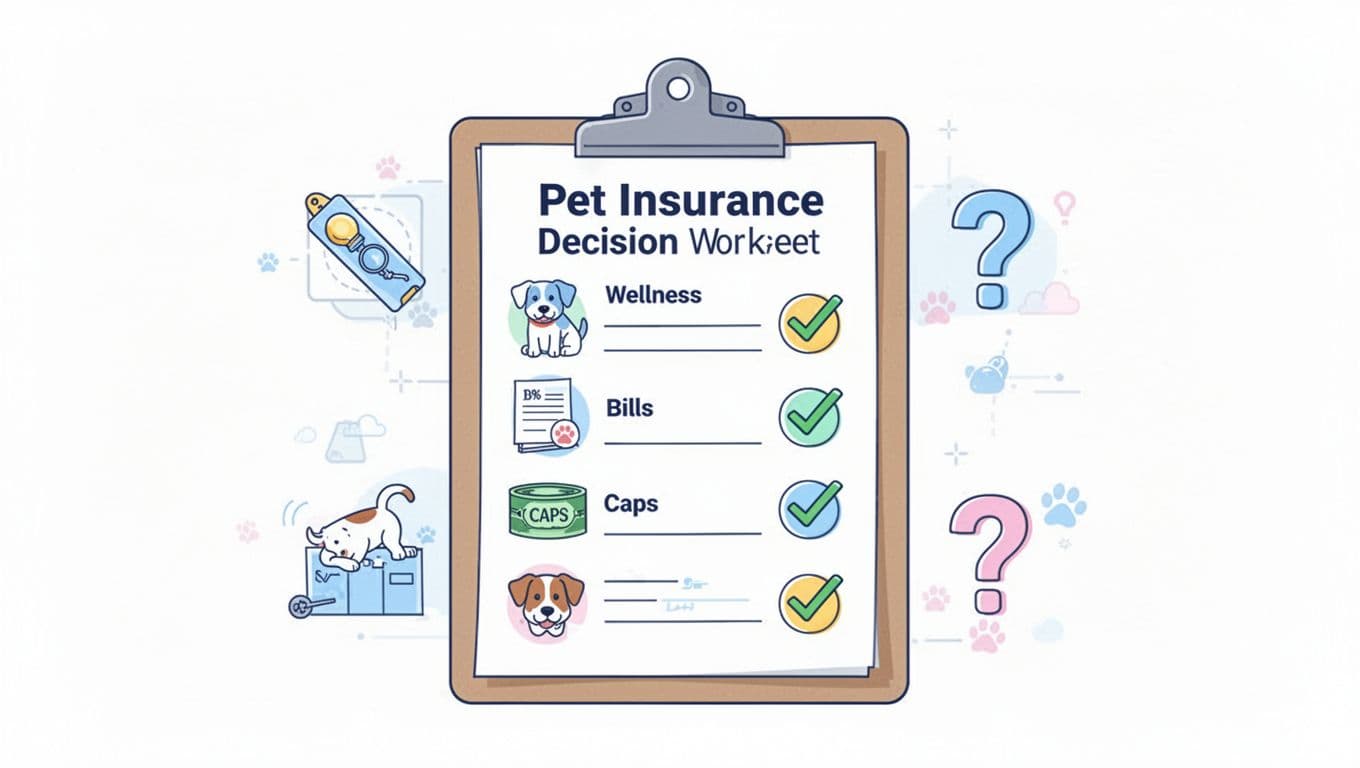
Fast decision worksheet: 8 questions to answer before you pick a plan
Unsure still? Answer these eight questions to nail your Healthy Paws vs Nationwide choice. Jot yes or no. Tally fits at the end. This quick tool spots gaps fast.
Use it like this: Review each for your pet and budget. Strong yes to unlimited payouts? Lean Healthy Paws. Wellness priority? Try Nationwide.
| Question | Healthy Paws Fit | Nationwide Fit |
|---|---|---|
| Do I want wellness coverage? | No | Yes, as add-on |
| Can I afford a $500 to $1,000 surprise vet bill even with insurance? | Strong if high deductible OK | Check schedules first |
| Do I want no annual or lifetime caps? | Yes, fully unlimited | Only on top plans |
| Is the plan benefit schedule or percent of invoice? | Percent of actual bill | Often schedule |
| What counts as pre-existing exclusion? | Symptoms before policy | Similar, check details |
| What is the waiting period for claims? | 15 days typical | Varies by plan |
| Are exam fees covered? | Yes, if tied to claim | Yes on most |
| What is my max reimbursement rate and deductible? | Up to 80%, $100-$1,000 | Up to 70%, similar deductibles |
High matches guide you. For instance, new puppy owners hit big on no caps. Senior dog folks score wellness. Chronic worry? Prioritize unlimited. Multi-pet budgets balance both. In short, test quotes next.
Conclusion
Healthy Paws stands out in the Healthy Paws vs Nationwide matchup because it reimburses a percentage of your actual vet bill. It has no annual or lifetime caps. So big emergencies get full support after your deductible. Nationwide, on the other hand, often relies on a benefit schedule with fixed payouts per condition. However, it offers wellness add-ons for routine care. Plus, its pricing works better for older pets in many cases.
Both protect your furry friend well. Yet your choice depends on needs like unlimited payouts or yearly checkups. In short, Healthy Paws fits high-risk situations. Nationwide suits budget watchers with preventives.
Back to Pet Insurance Explained


