
Dog Braces for Teeth (Signs, Treatment Steps, Cost, and Care)

If your dog’s teeth look “off,” it can be more than a quirky smile. In some dogs, a bad bite can cause real pain, mouth sores, and trouble eating. That’s where Dog Braces for Teeth come in.
Dog braces are orthodontic devices a vet uses to gently move teeth into a safer position, so your dog can chew and close their mouth without teeth stabbing soft tissue. They’re not about looks, they’re about comfort and function. In some cases, a misplaced canine tooth can press into the palate, or a crowded mouth can trap food and inflame gums.
Dogs may need braces for issues like malocclusion (a bad bite), teeth that poke the roof of the mouth, retained baby teeth that don’t fall out, or tooth and jaw changes after an injury. Treatment usually involves an exam and dental X-rays, then placing or adjusting the device under anesthesia.
In this post, you’ll learn the signs to watch for, what the treatment process looks like, what affects the cost, how to care for braces at home, and when other options (like extraction or appliances) make more sense. Your general vet can spot the problem, but they may refer you to a board-certified veterinary dentist for orthodontic work.
What are dog braces for teeth, and when do dogs really need them?
Dog Braces for Teeth are part of veterinary orthodontics, which means using small devices to move teeth into a safer position. The goal isn’t a perfect smile, it’s a mouth that works without pain. Think of it like adjusting a door that scrapes its frame. If the “hinges” (the bite) don’t line up, soft tissue gets pinched and worn down over time.
Dogs usually need braces when a tooth is traumatic, meaning it hits or rubs the gums, lips, or roof of the mouth. That rubbing can cause sores, infection, and swelling, and it can make chewing uncomfortable. Many problems show up during puppy growth, so vets often spot them around 4 to 6 months, when adult teeth are coming in. Adults can still need orthodontic help too, especially after tooth loss, injury, or years of an uneven bite.
Common bite problems braces can fix (malocclusion, base narrow, crowded teeth)
Some bite issues are easy to miss until you know what to look for. Here are the most common problems veterinary dentists correct, and what you might notice at home.
- Malocclusion (bad bite): This is a catch-all term for teeth that don’t line up right when the mouth closes. You may see the lower jaw sit too far forward or back, or a single tooth that seems “out of place.” Why it matters: a poor bite can cause repeated rubbing, cracked teeth, trouble grabbing food, and chronic mouth irritation. For a clear overview of malocclusion types and why treatment can prevent injuries, see Common Veterinary Dental Problems: Malocclusions.
- Base narrow canines (lower canines pointing inward): In this problem, the lower canine teeth angle straight up instead of slightly outward. Owners often notice the tips sitting too close to the upper gums, or even pressing into the roof of the mouth. Why it matters: those canine tips can create painful punctures or ulcers on the palate, and dogs may keep their mouth slightly open or act picky about chew toys. This is one of the classic “function first” reasons for braces, because it prevents direct tissue trauma. (More detail here: Base Narrow Canines.)
- Crowded teeth: Crowding means there isn’t enough room in the jaw for all the teeth to sit in a clean, spaced way. You might notice overlapping teeth, rotated teeth, or food that seems to stick in the same spot. Why it matters: crowding traps plaque and debris, raising the risk of gingivitis, bad breath, and periodontal disease, and it can make brushing harder.
Retained baby teeth and why early checks matter
Retained baby teeth (also called persistent deciduous teeth) happen when a puppy tooth doesn’t fall out on time and the adult tooth comes in anyway. Instead of a clean “swap,” your pup ends up with two teeth fighting for one space.
What you might notice:
- A “double tooth,” most often the canines (fangs)
- Adult teeth coming in at a weird angle
- Quick tartar buildup in that tight gap
Why it matters: the baby tooth can trap the adult tooth in the wrong spot, which sets the stage for crowding and an abnormal bite. That cramped area also holds bacteria close to the gumline, increasing the risk of early gum disease. Early vet exams during the 4 to 6 month window can catch retained teeth before they push the bite off course. For a practical explanation of what retained baby teeth are and why removal is often recommended, see Persistent Deciduous Teeth (Baby Teeth) in Dogs.
Injury, jaw growth issues, and special cases (like after jaw surgery)
Teeth don’t always shift because of genetics. Trauma during growth, like a fall, a bite injury, or getting hit by something hard, can change how a tooth erupts or how the jaw develops. Even mild jaw changes can make a canine tooth start poking the lip or palate.
In these cases, a veterinary dental specialist may use braces or other orthodontic appliances to:
- Reposition a tooth that’s causing soft tissue injury
- Guide a growing mouth toward a safer bite
- Manage tooth drift after tooth loss or complex treatment, including cases following jaw surgery
The best plan depends on dental X-rays, jaw alignment, and which teeth are truly causing damage. The goal stays the same: stop pain, prevent new wounds, and help your dog chew normally.
Signs your dog might need braces (and when it is an emergency)
Dogs rarely “tell” you their mouth hurts, they show you. A painful tooth-to-tissue hit can make a confident chewer act cautious, cranky, or oddly picky. If the bite is off, Dog Braces for Teeth can sometimes move the problem tooth into a safer spot, so your dog can eat and rest without repeated pokes and sores.
Here’s a practical at-home checklist you can use to spot early warning signs, without turning inspection time into a wrestling match.
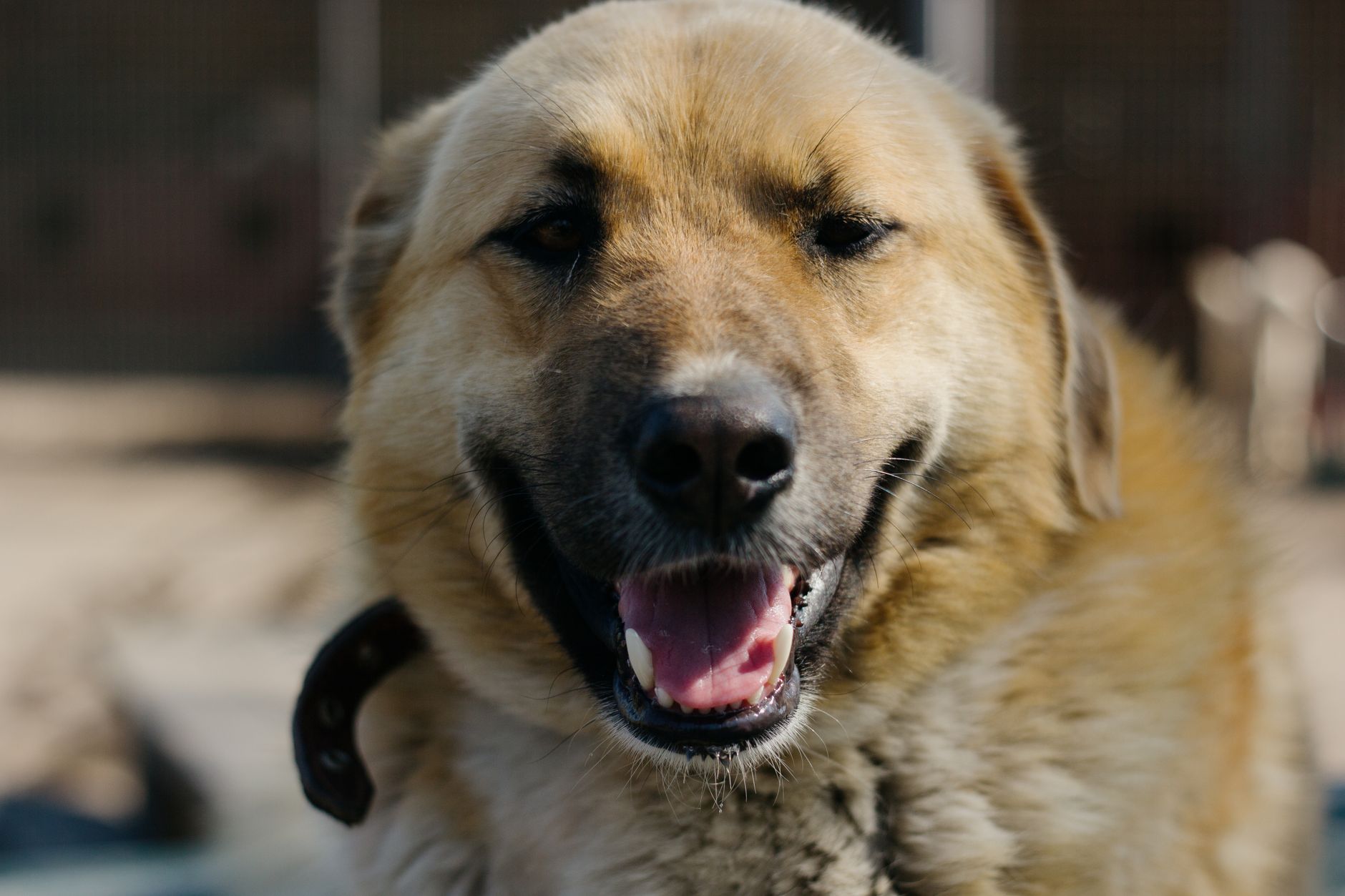
Photo by Plato Terentev
Everyday clues at home: chewing trouble, drooling, bad breath, slow eating
A “bad bite” can work like a pebble in your shoe. Your dog can still walk, but every step annoys the same spot until it becomes a real injury. Watch for these everyday changes:
- Chewing trouble: dropping kibble, switching sides, yelping with a chew toy, or avoiding hard treats.
- Drooling: more saliva than normal, strings of drool, or wet front paws from face rubbing.
- Bad breath: not just “dog breath,” but a stronger odor that can hint at infection, trapped food, or gum damage.
- Slow eating or fussiness: walking away mid-meal, taking tiny bites, or chewing with visible caution.
If you can do it calmly, pay attention to how the teeth line up when the mouth is closed. You’re looking for teeth that seem to “catch,” teeth that sit unusually inside the lips, or a canine tooth that appears to point into soft tissue. Don’t force the mouth open; a quick look during a yawn or relaxed cuddle tells you plenty.
For more detail on bite issues that can cause discomfort, see Understanding malocclusions in dogs and cats.
What you might see in the mouth: teeth hitting the roof of the mouth or gums
Some orthodontic problems are visible once you know where to look, especially with inward-pointing lower canines. If a tooth keeps striking soft tissue, it can leave “battle marks” behind.
Common things owners notice:
- Red spots on the palate (roof of the mouth), right behind the upper canine teeth
- Ulcers or raw patches that look like scraped skin
- Small indent marks that match the shape or tip of a tooth
- Swollen gums around a tooth that looks rotated or crowded
These injuries can worsen fast because the tooth hits the same area every time your dog chews or closes their mouth. That repeated contact can deepen the sore, invite bacteria, and create a cycle of pain and inflammation. If you suspect a tooth is contacting the palate or gums, it’s worth scheduling a dental exam sooner rather than later.
A veterinary dentist’s overview of canine orthodontic options is also helpful here: Does my dog need braces? Canine orthodontics explained.
When to call right away: swelling, bleeding, sudden pain, not eating
Some signs should move you from “monitor” to “contact a clinic now.” Waiting can mean more tissue damage, a broken tooth, or an infection that spreads.
Call your vet quickly or contact an emergency clinic if you see any of the following:
- Bleeding from the mouth that doesn’t stop promptly, or blood mixed with drool
- Facial swelling (especially under the eye or along the jaw)
- Sudden, intense pain (crying out, pawing at the mouth, snapping when you touch the face)
- Refusing food or water, or dropping food and walking away repeatedly
- A tooth that appears to be piercing the roof of the mouth or stuck into gum tissue
- Bad breath plus swelling or discharge, which can point to infection
These are red-flag symptoms because the mouth heals slowly when it keeps getting re-injured, and bacteria in oral wounds can cause serious problems. A vet can confirm what’s going on and tell you whether braces, another appliance, or a different treatment is the safest next step.
How dog braces work: types, the fitting process, and how long treatment takes
Dog Braces for Teeth work by applying gentle, steady pressure so a problem tooth shifts into a safer spot over time. In dogs, that usually means moving one tooth that is causing damage, not straightening an entire mouth for looks. The end goal is simple: stop teeth from stabbing the palate, lips, or gums, and help your dog bite and chew without pain.
Most orthodontic cases follow a clear timeline, from the first exam to removal. Treatment often takes a few weeks to a few months, depending on your dog’s age, how far the tooth needs to move, and which appliance is used.
Types of dog braces and appliances (brackets and wires, buttons with elastic chains, arch bars)
Veterinary dentists have a few main “tools” they can choose from. The best one depends on which tooth is the problem and the direction it needs to move.
- Brackets and wires (traditional-style braces): These look most like human braces. Small brackets attach to teeth and a wire guides movement.
- When a vet dentist might choose it: when multiple teeth need small adjustments, or when they need more control over the tooth’s position.
- What to expect: it is precise, but it can be more hardware in the mouth than many dogs need.
- Buttons with elastic chains (often used for one tooth): A tiny “button” is bonded to a tooth, then connected to an elastic chain that pulls the tooth in the right direction.
- When a vet dentist might choose it: when a single tooth needs tipping or shifting (often a canine tooth, like a “lance” canine or a tooth that is pointing into the palate). This setup is common because it can fix the painful contact without placing a full set of braces.
- A helpful clinic overview of elastic chain use in pets is available from Apex Veterinary Specialists and Emergency.
- Arch bars (specialty precision appliances): Arch bars are rigid bars secured to teeth to stabilize and guide movement. They are more technical than the average “pet braces” image people have in mind.
- When a vet dentist might choose it: when strong stabilization is needed, or when a specialist wants very controlled movement and anchoring. These are more commonly placed by dentists who do orthodontic and oral surgery work.
- For a deeper, veterinary-focused discussion of orthodontic concepts and appliances, see Occlusion and Orthodontics.
No matter the device, the strategy is the same: move the tooth enough to stop trauma, then remove the appliance once the bite is safe.
Step-by-step: exam, dental x-rays, cleaning, placement, rechecks, removal
Here’s what the full journey usually looks like, so you can plan time, costs, and expectations.
- Consult and oral exam
- Your vet (or veterinary dentist) checks how the teeth meet when your dog closes their mouth. They look for contact points that cause sores or punctures.
- You will likely talk through options like orthodontic movement vs extraction, especially if the tooth is damaged or the bite problem is severe.
- Dental X-rays under anesthesia
- Dental X-rays are not just a formality. They help the dentist check tooth roots, bone support, and hidden disease before moving a tooth.
- Moving a tooth with an unhealthy root can cause complications, so this step is about safety as much as planning.
- Professional cleaning (often done the same day)
- Many clinics do a full cleaning and polish before placement. A clean tooth surface helps the bonding material stick better, similar to how tape holds poorly on dusty surfaces.
- Appliance placement (typically under anesthesia)
- Placement is usually done under anesthesia so the dentist can keep the mouth dry, position the device correctly, and avoid stress for your dog.
- Expect a same-day procedure in many cases, with a short recovery period at home.
- Recheck visits and adjustments
- Follow-ups matter because teeth can move faster or slower than expected. The dentist may tighten an elastic chain, check for rubbing, and confirm the tooth is moving safely.
- Many dogs need several rechecks. Skipping them can mean sores go unnoticed or the tooth moves too far.
- Removal
- Removal is often quick, but it may still be done under light anesthesia or sedation, depending on the appliance and your dog’s comfort.
- After removal, your dentist checks the bite and looks for any soft tissue irritation that needs time to heal.
Will my dog feel pain? What the adjustment period is like
Most dogs have an adjustment period, but it is usually manageable. Think of it like breaking in a new pair of shoes, there may be mild soreness at first, then the mouth “forgets” the appliance is there.
What you might see in the first few days:
- Mild soreness or slower chewing, especially with hard kibble or tough treats
- Extra drool or a little lip licking
- Brief caution with toys, then a return to normal habits
Your veterinary team can recommend pain control if needed, and they will tell you what foods to offer during the comfort period (often softer meals for a few days). If your dog seems very uncomfortable, do not wait it out.
Call the clinic if you notice signs the appliance is bothering the mouth, including:
- Pawing at the face or repeated rubbing on furniture
- Bleeding, bad breath that suddenly worsens, or swelling
- Rubbing sores on the lip or gumline
- A device that looks loose, bent, or missing
- Refusal to eat, or sudden snapping when the mouth is touched
With the right appliance, good rechecks, and smart home care, Dog Braces for Teeth can be a short-term project that prevents long-term mouth pain.
Cost, risks, and daily care with dog braces for teeth
Dog Braces for Teeth can feel like a big commitment, mostly because it’s not just “putting braces on.” You’re paying for planning, safe anesthesia, dental imaging, and repeat check-ins so your dog stays comfortable while the tooth moves. The upside is that good orthodontic care aims for a pain-free bite, not a picture-perfect smile.
What affects the price: specialist vs general vet, anesthesia, custom gear, follow-ups
Quotes vary a lot because no two mouths are the same. A single inward-pointing canine that needs a small correction is a very different project than multiple teeth that need controlled movement.
Here’s what commonly changes the total cost:
- Specialist vs general vet: A board-certified veterinary dentist (often listed as AVDC) may cost more upfront, but you’re paying for focused training, better case selection, and more experience with orthodontic devices. Many general vets diagnose the issue and refer out for treatment.
- Anesthesia and monitoring: Placement and many adjustments happen under anesthesia or sedation. The clinic’s monitoring, safety protocols, and your dog’s health status all affect the quote.
- Dental imaging and cleaning: Dental X-rays help the vet check roots and bone before moving teeth. Many dogs also need a professional cleaning the same day so the bonding material adheres well.
- Custom gear and materials: Some dogs need custom-fitted appliances, specialty bonding, or protective coverings. If your dog is a strong chewer, the plan may include extra reinforcement.
- Follow-up visits and repairs: Rechecks are part of the treatment, not an optional add-on. If a bracket loosens or a chain breaks, repairs can add cost.
Regional pricing matters too. Overhead, staffing, and referral access vary by city and state, so it’s normal to see different estimates for similar cases.
Before you schedule, ask for a written treatment plan. It should spell out what’s included (X-rays, cleaning, placement, rechecks, removal) and what could cost extra (repairs, additional anesthesia time). For a general overview of cost ranges and why they vary, this summary can help you frame questions for your vet: Braces for Dogs: Effectiveness & Costs (2025 Update).
Insurance is a wildcard. Some pet insurance plans may help if braces are medically needed, but others exclude dental orthodontics or label it as pre-existing if the bite problem was noted before coverage started. Call your insurer and ask what documentation they need.
Safety and risks: what can go wrong, and how vets prevent problems
Most dogs do well with orthodontic appliances when the case is chosen carefully and rechecks happen on schedule. Still, braces are hardware in a busy mouth, so small issues can pop up.
Common risks include:
- Brackets or buttons loosening: Saliva, chewing, and plaque can weaken bonds over time.
- Chewing damage: Some dogs can bend wires or snap elastic chains if they chew hard items.
- Inflamed gums: Plaque collects around attachments, which can irritate gum tissue.
- Sores from rubbing: A wire end or appliance edge can rub the lip or cheek.
- Infection risk if hygiene is poor: Gum inflammation can progress if plaque builds up.
- Rare reactions: Some dogs have unusual sensitivity to materials, medications, or anesthesia.
Vets prevent problems with smart planning and routine checks. Choosing a veterinary dental specialist improves device selection and placement accuracy. Recheck visits help catch tiny rub spots before they turn into ulcers. Daily cleaning at home keeps gums calmer, which makes everything easier. If you want a practical, vet-written overview of how canine braces are handled safely, this article is a solid starting point: Dog Braces: Everything You Need to Know.
Home care made simple: food, brushing, and toy rules
Home care is where Dog Braces for Teeth succeed or fail. Think of it like keeping sand out of a zipper. A little daily effort prevents bigger trouble.
If your vet approves, these habits help:
- Food: Offer softer meals if advised, especially right after placement or adjustments. Some dogs do fine with kibble, but others need a gentler option for a few days.
- Brushing: Brush gently around the appliance with a soft toothbrush. Don’t “snap” bristles under wires, sweep along the gumline.
- Daily 10-second check: Look for redness, swelling, a missing bracket, a bent wire, or a spot that seems to rub when your dog closes their mouth.
Keep the “toy rules” simple: if it doesn’t dent with a fingernail, it’s too hard.
A quick do not list to protect the appliance:
- Antlers
- Hard nylon bones
- Ice cubes
Also avoid tug games that twist the mouth or pull sideways on hardware, unless your vet says it’s safe.
Alternatives to braces: extraction, tooth reshaping, other appliances, or monitoring
Braces are not the only path, and sometimes they’re not the best one. Vets often choose alternatives when there’s severe crowding, a tooth is fractured or infected, the budget is tight, or a dog won’t tolerate repeated visits and mouth handling.
Common options include:
- Extraction: Removes the tooth that’s causing trauma or can’t be saved. It can be the simplest way to stop pain fast.
- Tooth reshaping (crown reduction with protection): In select cases, shortening a tooth can stop it from stabbing the palate, but it must be done carefully to protect the tooth.
- Other appliances: Some dogs do better with a different orthodontic device than traditional brackets and wires, depending on the direction of movement needed.
- Monitoring: If there’s no traumatic contact and no pain, watching and rechecking may be reasonable, especially in growing puppies.
The goal is always a comfortable, functional bite, not “perfect” teeth. Ask your vet to compare the options side by side with clear pros and cons, including comfort, timeline, and long-term dental health. For a clinical overview of treatment strategies for malocclusion, including extraction as an option, see Dog Malocclusion Treatment: A Veterinary Guide.
Conclusion
Dog Braces for Teeth can be a smart, short-term fix when a bad bite is causing pain, sores, or damage to the roof of the mouth. The point is function, getting teeth out of the way so your dog can eat, chew, and rest without constant irritation. Done well, orthodontic appliances can move a problem tooth in weeks to months and help avoid extractions in the right case.
Not every crooked tooth needs treatment. If there’s no traumatic contact, no wounds, and your dog eats normally, the best plan may be simple monitoring. A clear diagnosis matters, and it should come from a vet, often a veterinary dental specialist, with dental X-rays to check roots and bone before any tooth is moved.
Here’s a simple action plan: schedule an oral exam, ask about dental X-rays under anesthesia, then discuss braces vs other options (like extraction or reshaping) and what aftercare will look like. Follow the recheck schedule closely, and stick to the home rules on brushing, food, and chew toys, because aftercare is what protects the results.
Thanks for reading, if your dog has a “weird bite,” get it checked before it becomes a lasting mouth injury.


