
Winter Weather Pet Safety Tips for 2026
Back to Pet Insurance By State
A small pup huddled in the doorway, eyes wide, ears folded against the cold as a gust of wind sent a shiver through her body. The snow kept piling up, and I could feel the cold bite through her fur. In that moment I realized how quickly winter can turn from cozy to risky for our four legged friends. Cold snaps hit harder in 2026, and that means we need to act fast to protect the pets we love.
This post shares clear, practical advice for winter weather pet safety tips that can keep tails wagging and paws safe. You’ll learn how to create indoor comfort that feels like a warm hug, how to prep outdoors without risking frostbite, and what hazards to watch for on the coldest days. You’ll also find guidance tailored for special pets who need a little extra care and a quick checklist for warning signs that something is not right.
First, the basics matter. Hypothermia and frostbite are real threats when temperatures drop, especially for small dogs, senior pets, and those with short coats. Keeping indoor spaces warm, dry, and free from drafts helps a lot, and a cozy bed away from cold floors makes a big difference. If your pet must be outside, a well insulated shelter, proper bedding, and regular checks for moisture and ice can save them from harm.
Next, outdoor prep and daily routines play a huge role. Short, frequent outings with mindful timing and warm clothing for tiny or hairless pets can prevent cold stress. After walks, wipe paws and fur to remove ice, salt, and chemicals that can irritate skin or be swallowed.
This guide also covers common hazards, special considerations for certain breeds and ages, and the warning signs that tell you when it’s time to head indoors. Here’s what to expect: indoor comfort, outdoor prep, hazards, special pets, and recognizing warning signs before winter takes its toll.
Stay tuned as we break down each area with practical steps you can implement today.
Winter Weather Pet Safety Tips
Winter is a time when our pets crave extra warmth, comfort, and routine. A thoughtfully arranged indoor space can turn frosty days into cozy, peaceful moments for both dogs and cats. In this section, you’ll find practical, human-friendly tips that help you create a snug home environment while keeping safety at the forefront.
Pick the Right Bedding and Spots to Beat the Chill
When the thermometer dips, the goal is to give pets a warm retreat that stays dry and draft-free. Start with elevated bedding off cold floors and away from windows where chilly air leaks in. An elevated cot or a fluffy bed placed near family activity but not directly by a draft works well for most dogs and cats. If you can, choose beds with memory foam or thick cushioning to retain body heat without trapping moisture.
For outdoor shelters, straw or cedar shavings are good choices to insulate and wick away moisture, but indoor comfort should be your priority. If your pet spends time in a shelter or garage, keep the bedding clean and dry, and elevate it a few inches off the ground. Regularly check for dampness, ice buildup, or stray water from water bowls that can soak bedding.
Warmth safety matters too. Heated pet beds or blankets can be excellent additions, but use them with care. Look for products with automatic shutoff, proper chew-proof cords, and clear placement away from where pets could chew or pull on cords. Don’t rely on a single heat source; provide a cool-down area and plenty of fresh air when a heater is in use.
Corner placement matters. Keep beds away from cold windows and doors, yet still within the heart of family life so your pet feels included. A cozy corner near a sofa or the kitchen table often becomes a favorite spot because it feeds both warmth and social connection.
Boost Meals to Help Them Stay Warm Inside
Winter increases a pet’s energy needs as the body works harder to stay warm. You don’t need to overhaul the entire feeding plan, but small adjustments can help maintain energy without overfeeding. Start by slightly increasing daily calories or adding a small, nutrient-dense treat during the day, especially for active dogs and cats, senior pets, or those with lean body conditions. Monitor weight weekly and adjust accordingly.
Stable routines help as well. Keep regular meal times and water available at all times. Hydration matters, even when indoor air feels dry. If your pet tends to burn more energy indoors, a modest bump in calories may be appropriate, but avoid dramatic changes that could lead to weight gain.
Food texture and variety can aid appetite. If your pet tires of the same food, talk to your vet about safe, wholesome mix-ins or temporary dietary tweaks that align with their health needs. Always introduce any change gradually over a week to prevent digestive upset.
Indoor Comfort Essentials: Coat Care, Hydration, and Safe Heating
Cold weather is a reminder to protect paws and skin. Wipe and dry paws after outdoor time to remove salt and de-icers. Keep water fresh and accessible; indoor heat can dry the air, increasing thirst, so check water bowls more often. If you must shave your pet for medical reasons, proceed with caution—winter coats act as natural insulation. When in doubt, consult your veterinarian before shaving or clipping fur for temperature management.
A balanced approach to indoor warmth means combining elevated bedding, safe heated options, and mindful feeding. With these steps, your home becomes a true winter retreat where pets feel secure, comfortable, and loved.
Gear Up Your Pets for Safe Outdoor Time
Winter days bring a crisp sparkle, but they also demand extra preparation to keep our furry friends safe and comfortable. This section covers practical gear strategies that work for real life, from how to fit sweaters on short-haired pets to why booties and multiple jackets matter when weather is wet. You’ll also find quick wins for paw care, identification, and staying responsible on wintry strolls.
Choose Coats and Booties That Actually Work
A well fitting coat is more than a fashion statement in cold weather. For short-haired breeds, a snug sweater that covers the chest and abdomen blocks wind and reduces heat loss. Look for soft inner linings and a cut that won’t ride up when your dog moves. For wet or damp days, layer up with a second jacket or a waterproof outer shell to keep the fur beneath dry. The key is mobility—your pet should be able to sit, lie down, and walk without feeling restricted.
Booties are not just for style; they protect paws from ice, salt, and chemical deicers that can irritate skin or be swallowed. Choose booties with grippy soles for traction on slick surfaces and ensure a secure, snug fit around the ankles to prevent slipping off. If booties aren’t an option, petroleum jelly on paw pads can offer a protective barrier, but never rely on it alone for traction or warmth. Toe hair often collects ice and snow, so trim between the toes to reduce ice balls and keep movement comfortable. Always test new gear at home first to confirm it stays on during walks.
Short and Smart Walks in Snow and Ice
Keep outdoor trips brief on very cold days and opt for the warmest part of the day for necessary ventures. Wind chill can intensify cold exposure quickly, especially for small, senior, or short-haired pets. Use a sturdy leash at all times and avoid off leash in snow or on ice. A front-clip harness can help control movement without putting stress on the neck, and a lightweight reflective vest or collar increases visibility in low light.
Paw care should be part of the routine after every outing. Wipe paws, legs, and belly to remove snow, salt, and de-icers. Examine between the toes for any lodged ice or debris. If paws look dry, apply a vet approved balm to prevent cracking. Hydration matters even when it’s cold, so offer fresh water and monitor for signs of discomfort or limping. If the temperature dips below what you’re comfortable with, shorten the walk or skip it altogether.
ID tags should be visible and up to date at all times. If your pet escapes, a clear contact number is a lifeline in wintry neighborhoods. Microchips supplement ID tags but don’t replace them. On days when crowds or travel increase, keep your pet indoors or in a secure, familiar space to reduce risk.
Images: 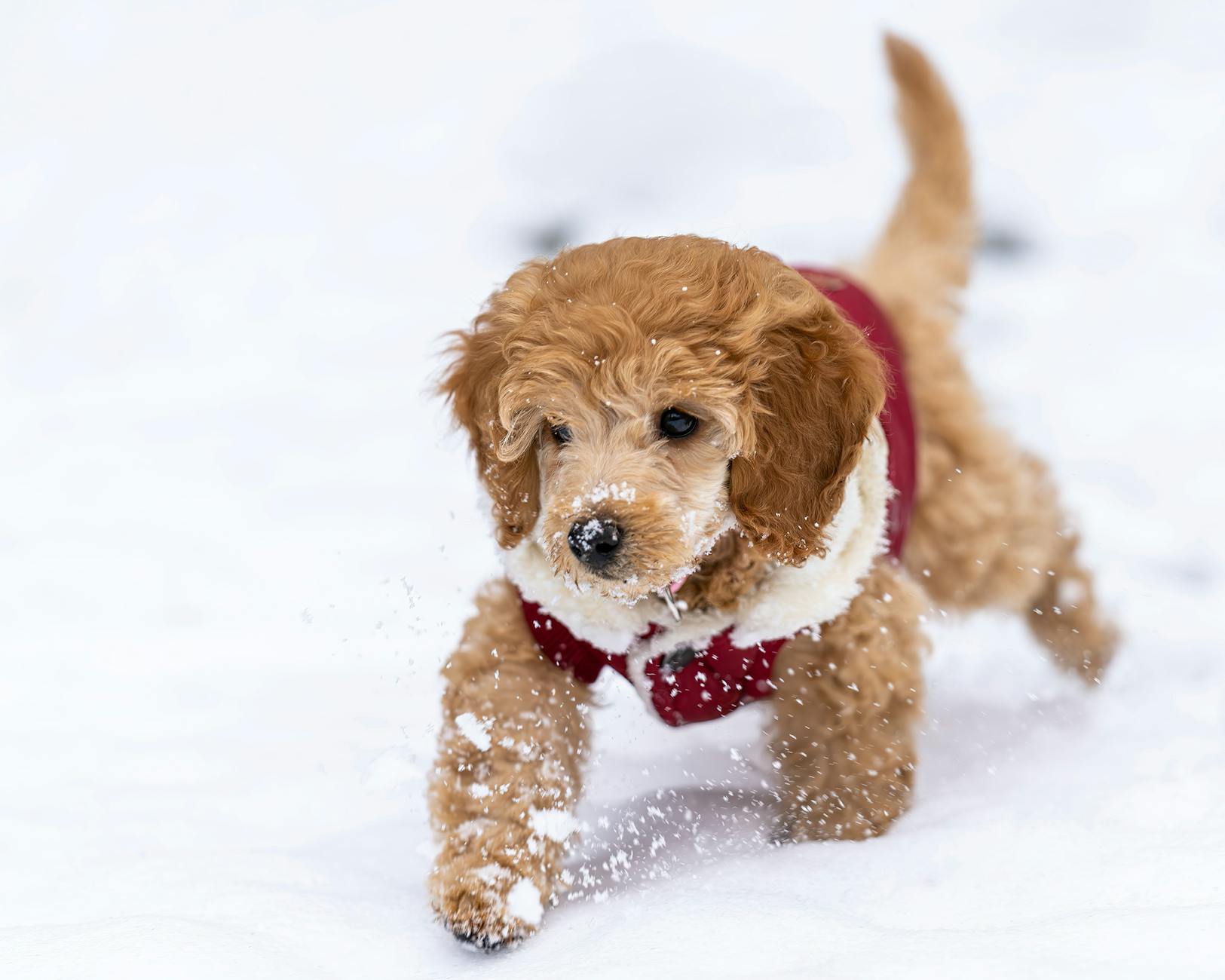 Photo by Skyler Ewing
Dodge These Sneaky Winter Hazards Around Your Pets
Winter brings a quiet beauty, but it also hides risks that can catch you and your furry friends off guard. This section focuses on two high-stakes dangers that pop up every year: antifreeze and de-icing chemicals, plus the salt and ice melts that protect sidewalks but burn paws. With practical steps and clear signs to watch, you’ll be better prepared to keep tails wagging through the cold months.
Handle Antifreeze and De-Icing Chemicals Smartly
Antifreeze remains a top winter danger for dogs and cats in 2026. Its sweetness lures pets in, while the chemical ethylene glycol damages kidneys and the nervous system. A small amount can be deadly; even a teaspoon in a cat or a few tablespoons for a medium dog can trigger severe poisoning. Quick action saves lives, so treat any suspicion as an emergency.
If exposure happens, here are the immediate steps to protect your pet:
- Act fast. Call your vet or an animal poison control center right away, even before symptoms appear. Time matters because treatment is most effective early.
- Contain and remove the source. Clean up spills with towels or absorbent material, then dilute with water and sweep away. Block access to the area so pets cannot lick up leftovers.
- Transport for care. Do not wait for symptoms to appear. Bring the suspected antifreeze source and the animal to the clinic so clinicians can start IV fluids and supportive care immediately if needed.
Watch for early symptoms, which can show up 30 minutes to 12 hours after ingestion:
- Vomiting or excessive drooling
- Increased thirst or urination
- Unsteadiness, wobbliness, or trouble coordinating
- Lethargy or seeming drunk As poisoning progresses, kidney issues and more serious neurological signs can appear, often within 24 to 72 hours.
Beyond spills, be mindful of other winter chemicals around the home:
- Store antifreeze high and locked. Pets access to leaks is a common route to exposure.
- Use pet-safe alternatives when possible. Propylene glycol antifreeze is less toxic than traditional formulas, though no antifreeze is perfectly safe if a pet ingests it.
- Clean up any holiday or winter messes promptly. Snow globes and other container items can also hide ethylene glycol.
Other winter hazards to keep in check include road salt and ice melts. These products irritate paws and can upset stomachs if licked, so wipe paws after every walk and choose pet-safe melts when possible. If your pet does lick treated areas, monitor for irritation and contact your vet if you notice persistent licking, redness, or swelling.
Key takeaway: prevention and quick response are your best tools. Keep a tidy, well-sealed area, have the contact numbers for your vet or poison control handy, and choose safer de-icers when you can.
Protect Paws from Salt and Ice Melt Burns
Salts and chemical melts are there to keep sidewalks safe, but they can be harsh on paws. Exposure can lead to dryness, cracking, and even chemical burns if a pet licks the residue. A smart routine protects your pets without compromising safety for you.
Start with a simple after-walk routine:
- Wipe and inspect. Use a damp cloth or pet wipes to clean the paw pads, between the toes, and the underside of the paws. Check for redness, cracking, or small cuts.
- Dry thoroughly. Especially after a snowy walk, ensure paws are completely dry to prevent irritation and chafing.
- Reward a calm check. While you’re at it, glance over nails and fur for any clumps of ice that could cause discomfort or pull.
When it comes to products, not every melt is created equal. Look for pet-safe ice melts that are chloride-free and formulated to minimize residue on fur and skin. Several options exist that melt ice effectively while staying gentler on paws than standard road salt.
If you prefer to avoid melts altogether, consider these safer alternatives:
- Non-toxic or low-toxicity blends designed for pets and plants.
- Sand, wood ash, or cat litter for traction on slick surfaces.
- Bare Ground or similar products that emphasize safer chemistry without harsh burns.
- Urea-based products can be gentler on paws, but avoid them on very cold days when pets may lick their feet more aggressively.
Paw protection gear can also make a difference:
- Pet booties with grippy soles help prevent slips and keep ice away from sensitive pads.
- If booties aren’t your pet’s thing, apply a veterinary-approved paw balm before walks and after to seal the pads.
- Trim hair between the toes to prevent ice balls from forming, which can be painful and hinder movement.
During winter walks, shorter outings are often wiser for dogs with dry or sensitive paws. Keep walks timed to the warmest part of the day and avoid walking on fresh ice if possible. Always bring extra treats and water to reinforce a calm, comfortable outing.
If you notice signs of trouble after a walk, such as limping, persistent licking, redness, swelling, or cracking, schedule a quick vet check. Early care prevents minor irritation from becoming a bigger problem.
Safe, careful routines protect paws without dampening the joy of winter adventures. With the right approach to paw care and the smart use of pet-safe melts, your furry companions can enjoy snowy strolls while staying comfortable and healthy.
Special Winter Care for Birds, Fish, and Other Pets
Winter brings a quiet strain on creatures that thrive indoors and those kept outside or in semi-outdoor spaces. The goal is simple: keep warmth steady, humidity balanced, and stress low. Below you’ll find practical, humane steps to protect birds, fish, small critters, and outdoor livestock during chilly months. This section translates expert guidance into real, doable actions you can implement this season.
 Photo by MART PRODUCTION
Keep Birds and Small Critters Toasty
Birds and small critters stay healthiest when their living spaces stay warm, dry, and free from drafts. Start by optimizing room temperature and humidity so feathered friends and tiny mammals aren’t fighting the cold.
- Humidity matters. Dry indoor air can thicken respiratory passages and stress wildlife that normally breathes moist air in their natural environment. Use a room humidifier near their enclosure or run a small, unobtrusive humidifier in the room. If you notice feather fluffing or lethargy, it can signal the air is too dry or too cold.
- Avoid drafts and cold windows. Place cages away from exterior walls, doors, and cold air jets from vents. A small, stable heat source can help overnight, but keep it away from toys or toys that could be chewed and never leave a heat source unmonitored.
- Nighttime warmth for birds. For many smaller birds, a covered cage at night with a nest box and soft blankets creates a sense of security and reduces heat loss. Ensure the setup has adequate ventilation and never blocks air flow entirely.
- Fresh water, always. Ice can form in water containers, leading to dehydration. Use heated water bowls or bottles designed for pets to keep water unfrozen, and check water levels more frequently in winter.
- Extra calories for energy. Cold weather raises energy needs. Offer slightly higher-fat seeds or small nuts as a supplementary treat, but keep the core diet steady to prevent digestive upset.
- Monitor daily. Look for signs of cold stress, such as fluffed feathers for long periods, reduced activity, or reluctance to perch. If you see these, adjust the environment and give them a quieter, warmer space.
Fish: Steady Water and Calm Water Temperature
Aquatic life requires a stable, safe climate even when the house feels like a freezer. A little attention to tank setup can prevent stress and disease.
- Tank heaters and stable temperatures. Ensure your heater maintains the species-appropriate temperature. Sudden drops can stress fish and lead to disease.
- Humidity and air exchange nearby. Indoor heating dries the air; use a humidifier near the fish area or keep the room’s ambient humidity higher to reduce water evaporation and stress on fish gills.
- Water quality is crucial. Warmer water can raise metabolism, so monitor ammonia, nitrite, and nitrate levels closely. Do a quick weekly water test and perform partial water changes as needed to keep conditions stable.
- Feeding adjustments. Slightly increase the protein content during the coldest weeks to supply energy for warmth, but avoid overfeeding to keep water quality in check.
- Tank insulation. If the room is especially cold, insulate tank sides with foam or a thick wrap. Keep filters from freezing and check heater cords for safety.
Livestock and Outdoor Exotics
Outdoor birds, small livestock, and exotics kept in covered areas need protection from wind, moisture, and freezing temperatures while still allowing for safe ventilation.
- Dry, draft-free shelters. Elevate bedding off the floor and use deep straw or shavings to trap body heat. A well-insulated space matters more than a flashy setup.
- Unfrozen water. Heated buckets or waterers prevent dehydration and stress. Check water supplies multiple times daily to ensure they stay unfrozen.
- Extra calories and warmth. Increase feed slightly during the coldest spells to support energy needs. Keep fresh hay or forage available and provide sheltered areas where animals can huddle.
- Regular checks. Inspect ears, paws, or extremities for frostbite signs in higher-risk species. If frostbite is suspected, move them to a warmer area and contact a vet promptly.
Indoor Exotics: Treat Similar to Cats
Many indoor exotics, like certain small mammals, thrive with simple adaptations.
- Consistent temps and humidity. Keep enclosures in a room with stable temperature and avoid direct sunlight or heat vents.
- Safe bedding and enrichment. Thick, dry bedding supports warmth and comfort, while enrichment activities help reduce stress in short daylight periods.
- Easy access to water and food. Fresh water daily and a steady food supply prevent dehydration and energy dips.
Quick takeaway: warmth, dry comfort, and steady routines matter most. With a few targeted tweaks, your birds, fish, and other pets stay healthy, even when winter bites.
Spot Cold Stress Early and Act Fast
Winter can move quickly from cozy to risky for our pets. Spotting cold stress early gives you a chance to act fast and minimize harm. This section covers how to recognize the tells, what to do in the moment, and when to seek professional help. You’ll learn practical steps you can take today to keep tails wagging through the cold.
Read the Early Warning Signs of Cold Stress
Cold stress shows up in a few telltale ways. For many pets, shivering is the first clue that the body is trying to generate heat. You might also notice lethargy or a sudden drop in energy, especially after time outdoors. In more serious cases, pale gums can signal reduced blood flow and a body in distress. Some pets become slower to respond, seem confused, or have trouble coordinating their movements. Short noses and ears can feel unusually cold to the touch, and breaths may become slower or more labored.
Beyond these, a disinterest in normal activities, reluctance to go outside, and hiding or seeking extra warmth are common red flags. If your pet has a short coat, is very young, elderly, or has a chronic illness, these signs may appear earlier or be more pronounced. The key is to watch how they respond after exposure to cold—any deviation from their usual energy and behavior deserves attention.
Quick Actions If You Suspect Cold Stress
Acting fast can prevent a minor chill from turning into a medical emergency. Move indoors immediately to a warm, dry space away from drafts. Remove wet gear and ensure the room is comfortably warm, not hot. Check the pet’s temperature if you have a reliable rectal thermometer; a normal range is around 101 to 102.5 F for most dogs and cats, but any sustained reading below 99 F warrants veterinary guidance.
Offer warm blankets and, if needed, a heat source that’s safe for pets. Avoid using hot water bottles or heat lamps directly on the body. Gradually raise body temperature over 20 to 30 minutes and then monitor breathing, responsiveness, and movement. Hydration matters, so provide water at room temperature. If the pet shows continued shivering, becomes unresponsive, shows confusion, or the gums stay pale or bluish, seek veterinary care immediately. Even if symptoms seem to improve, contact your vet to rule out underlying issues.
When to Call a Vet and What to Expect
Some cases require urgent professional help, especially for small, elderly, or medically fragile pets. If you see signs like persistent lethargy, trouble breathing, severe trembling, constant groaning, or pale to bluish gums, call the clinic or an emergency animal hospital now. Bring your pet and any clues about exposure, including time outdoors and what they might have ingested or walked through.
In the clinic, expect a quick physical exam and possibly a blood workup or warm IV fluids if hypothermia is present. Treatment focuses on safely warming the body, correcting fluid and electrolyte balance, and monitoring heart and organ function. The sooner you seek care, the better the outcome. Remember, even if your pet seems to rebound after a short warm-up, follow up with your veterinarian to ensure there are no hidden complications.
Conclusion
Winter weather pet safety tips come together to keep tails wagging and paws protected, no matter how cold it gets. Prioritize indoor warmth, short outdoor windows, and quick checkups after every outing to nip frost risk in the bud. Small, senior, or short-coated pets need extra care, so tailor routines to their comfort and energy needs.
Plan ahead this season by stocking pet-safe ice melts, keeping antifreeze out of reach, and using paw care routines after walks. Simple steps like wiping paws, providing warm bedding, and offering fresh water help pets stay healthy when the air is dry and temperatures drop. A well-fitting coat or booties can make a big difference on icy days.
Act now to protect your four-legged family. Share these winter tips with fellow pet lovers, and take a quick headcount of your pets to confirm gear, shelter, and ID are up to date. If you notice signs of cold stress, call your vet promptly and keep a warm, quiet space ready.
Healthy, happy pets make the cold weather brighter. With calm routines, proactive care, and a little extra warmth, the season stays cozy for every furry friend.
Back to Pet Tips