
What to Do When You Rescue a Kitten
Back to Pet Insurance By State
You rush over and find a tiny, meowing miracle in a cardboard box or tucked into an alley. It’s hard not to feel a rush of protectiveness, but a calm approach gives the kitten the best start. Rushing in with big moves or harsh words can scare a scared kitten and make the situation harder for both of you.
In this guide we’ll cover the essentials you need right away: observe first to assess needs, create a quiet safe space, and plan for feeding and medical care. You’ll learn how to rescue without adding stress, how to set up a warm home environment, and how to recognize when it’s time to call a vet. The goal is to give you clear steps you can follow with confidence, backed by guidance from trusted organizations like the ASPCA and Humane Society. What to do when you rescue a kitten is about small, steady actions that build trust and safety from day one.
We’ll also touch on the 2026 trends that affect new rescuers, including early spay or neuter at 8 weeks or 2 pounds and humane TNR programs for feral kittens. These practices help prevent future litters and reduce stress on communities while keeping rescued kittens healthy and happy. You’ll leave with a practical plan you can adapt to your pace and space, plus tips for long term care that keep a kitten thriving as it grows into a well socialized cat.
Observe from Afar: Is Rescuing the Best Choice Right Now?
When you spot a stray or feral kitten, your first instinct is to rush in and fix everything. But often the best move is to pause, observe, and plan. This section explains how to judge whether a rescue is needed now or if waiting a bit might protect both the kitten and its mom. The goal is to keep you and the kitten safe while giving mom a chance to care for her young.
 Photo by Hiếu Nguyễn
Spot the Signs That Scream ‘Rescue Me’
Kittens that truly need human help often show clear red flags. Start by watching from a distance for 2 to 4 hours, at about 35 feet away. If you see any of the following, it’s time to intervene:
- They are alone for long stretches or crying constantly, and look dehydrated or weak.
- They’re covered in fleas, have wounds, or show signs of illness like runny eyes or nose, diarrhea, or lethargy.
- The mother doesn’t return after several hours of waiting, especially in dangerous areas like near traffic or predators.
- The kittens are older than 4 to 6 weeks but seem feral and unhealthy, or if weather turns extreme and they’re exposed.
If the kittens seem healthy and especially if the mother is nearby and feeding, it’s often wiser to watch longer rather than pull them away. For newborns, you can look for age clues such as closed eyes or an umbilical cord still attached. Newborns require the mother more than anything, and human intervention too early can disrupt the bond and feeding process.
Handle the Rescue Without Bites or Scratches
If you determine a rescue is needed, move carefully and calmly to reduce stress for both you and the kittens. Use a plan that protects you while preserving the natural family bond whenever possible:
- Wear thick gloves and, if possible, use a towel to gently scoop the kittens into a covered carrier.
- If there is more than one kitten, bring the whole family if feasible. Do not separate nursing young from mom unless there is an immediate danger to the babies.
- Keep the environment quiet and warm during transport; minimize loud noises and sudden movements to avoid spooking mom and kittens.
- Plan for safe, quiet transportation to a shelter or foster caregiver. If the mother is present, prioritize leaving her with the kittens and setting up a secure space nearby so she can continue nursing.
- If you must separate for safety, do it quickly and gently, always prioritizing the mother’s welfare and the kittens’ medical needs.
After the rescue, handle the situation with calm, consistent routines. Speak softly, avoid sudden gestures, and provide a stable, warm space. Remember that many kittens thrive when they stay with their mother and siblings during the early weeks. However, if the mom is absent for extended periods, or the kittens appear ill or in danger, contact a local rescue or veterinarian for guidance. This approach keeps you safer and gives the kittens a better chance at a healthy start.
Build a Cozy Recovery Nest: Your Kitten’s Safe Haven
When you bring a tiny life into your home, the first hours set the tone for trust and growth. A dedicated recovery nest gives a kitten a calm, safe space to rest, eat, and regain strength. The goal is simple: a warm, quiet spot where the kitten can feel secure, with easy access to food, water, and a clean litter area. This section breaks down how to build that cozy haven, so you can support healing without adding stress.
Keep Newborns Warm and Hidden from Stress
Newborn kittens can’t regulate their body temperature on their own, so warmth is a matter of life and death. From birth, their nest should be warmer than the room to prevent dangerous hypothermia. Here are the exact temperature targets to aim for by age, plus safe heating methods.
- Age 0-1 week: aim for a nest temperature of 85-90°F (room should be comfortable, around 80-85°F). Newborns have a rectal temperature of roughly 92-99°F, which means they need the surrounding heat to stay above their own set point.
- Age 2-3 weeks: the nest can be slightly cooler, roughly 79-85°F, while their body temperature climbs toward the normal range.
- Age 4 weeks: the nest can drop further to about 73-80°F as they begin to regulate heat more effectively.
Safe heating setups keep warmth readily accessible but not overwhelming. Use a box or carrier as a nest with low sides for easy access. Place a heating method on one side only so the kittens can move away if it gets too warm. Good options include a heating pad on the lowest setting wrapped in 2-3 towels, a snuggle-safe disk, or a rice sock warmed briefly in a microwave and wrapped in cloth.
Cover the nest with a towel to trap heat while maintaining airflow and monitoring for comfort. Keep the overall room temperature around 80-85°F for kittens under six weeks. Always check behavior: huddling tightly together or frequent shivering signals it’s too cold; spreading out or panting signals it’s too warm. Never use direct heat lamps or unwrapped heating pads, which can cause burns.
Why warmth matters is simple. When a kitten is too cold, metabolism slows, digestion falters, and the immune system weakens. Warmth stabilizes vital functions, supporting a quicker, steadier recovery and reducing the risk of fatal hypothermia.
Place Food, Water, and Litter in Smart Spots
A well-planned recovery setup reduces stress and makes daily care practical. Create a quiet, draft-free space such as a small bathroom or a crate with a clearly defined nesting corner and a safe distance between activities.
- Food and water should sit on the cooler, opposite side from the nest. Use shallow dishes to minimize spills and prevent the kitten from stepping into messes. For the youngest kittens, offer kitten formula or wet food as appropriate, and ensure fresh water is available once they’re ready to drink.
- A low-sided litter box with non-clumping litter is placed nearby but not in the nest area. This reduces odor and mess while giving the kitten a clear signal to use the bathroom away from nursing areas.
- Distances matter. Keep food, water, and the litter box in distinct zones about a short, comfortable walk from the nest, so the kitten can explore without fear or strain.
If you’re unsure about age, hold off on offering solid food and focus on warmth and mothering cues from the environment. In the first 24 to 48 hours, stimulating bathroom needs is essential for under 4 weeks. After each feeding or care session, gently rub the genital area with a warm, damp cotton ball to imitate maternal licking, which helps trigger urination and defecation. Weigh the kitten daily to monitor growth and adjust care as needed. This measured setup reduces stress, supports steady growth, and gives the kitten the best chance to thrive in a new home.
Feed Like a Pro: Match Meals to Your Kitten’s Age
When you rescue a kitten, feeding is the backbone of health and growth. The right meals at the right times support a steady rise in strength, a smooth transition to solids, and a happy, curious temperament. This section guides you through quick age estimation and a practical feeding plan that keeps your kitten thriving from neonate to a thriving youngster. You’ll learn to read signs of hunger and fullness, use KMR safely, and monitor growth without guesswork.
Quick Age Check Using Eyes, Teeth, and Behavior
Estimating a kitten’s age helps you tailor care without rushing the wrong milestones. Use simple visual cues and behavior to place your kitten in a safe age range, then confirm with a vet when possible.
- Newborn to 1 week: Eyes closed, ears folded, very little movement, tiny and fragile. Umbilical cord often visible. Past this stage, warmth and nursing from the mom are critical.
- 1–2 weeks: Eyes begin to open, usually blue. Tiny movements, waking spells, and sweet, uncertain wobbles as they crawl toward a light.
- 3–4 weeks: Eyes and ears fully open, socializing begins, attempting short walks, and starting to take small amounts of formula or soft foods.
- 4–5 weeks: More coordinated play, begins to lap formula or soft food, starts using a litter box, and may show the first canine teeth.
- 6–7 weeks: Weaning accelerates, teeth are more visible, and the kitten weighs around 1 to 1.5 pounds. Baby behaviors mix with growing confidence.
- 8 weeks and beyond: Fully weaned or nearly there, looks more like a tiny cat, with solid appetite for solids and a better sense of balance.
If you’re unsure, err on the side of warmth and gentle handling and arrange a vet check to confirm age. Age guides help you plan feeding, but every kitten is unique, so observe closely for readiness cues.
Feeding Schedules and Amounts That Build Strength
Feeding progress follows a simple arc: nourish with kitten milk replacer (KMR) for the youngest, then introduce soft foods, and finally blend in kibble as they grow. The plan below follows recommended practice and keeps you aligned with safe transitions.
- 0–4 weeks: Bottle feed KMR every 2–3 hours. Start with 2–4 ml per feeding and gradually increase as weight grows. Every day, weigh the kitten to ensure healthy gains and adjust portions accordingly.
- 4–8 weeks: Begin to mash wet kitten food with KMR into a soft gruel. Offer 4–6 meals per day. This is the critical transition period from bottle to solids; go slowly to avoid diarrhea.
- 8+ weeks: Move toward a mix of kibble and wet food, offered in 3–4 meals daily. The kitten should be ready to eat dry kibble that’s easy to chew and digest, with continued access to water.
Bottle tips and transition guidance:
- Hold the bottle upright with the head slightly elevated, similar to nursing from mom.
- Burp gently after each session.
- Warm the formula to body temperature; test on your wrist to ensure it’s not too hot.
- Stimulate bathroom needs after feeds using a warm, damp cloth, especially in the first weeks.
- Clean bottles thoroughly after every use.
Weigh daily to track growth and ensure steady gains. Signs of overfeeding include a bloated belly or diarrhea, while underfeeding shows as lethargy and poor weight gain. If a kitten stalls in growth or shows digestive issues, consult a veterinarian promptly. As you progress, keep a simple chart to track age, feeding type, amount, and weight. This practical approach makes it easier to care for a kitten rescued into a new home and sets up a foundation for a healthy, happy cat.
Catch Health Issues Early and Get Vet Help Fast
Bringing a rescued kitten into your home is a joyful beginning, but it also comes with a responsibility to spot health issues early and seek timely veterinary care. Quick action can prevent minor problems from becoming major ones, and it sets your new fur friend up for a long, happy life. Below you’ll find practical guidance on recognizing warning signs, handling quick home fixes, and establishing a solid first vet visit plan that aligns with 2026 best practices.
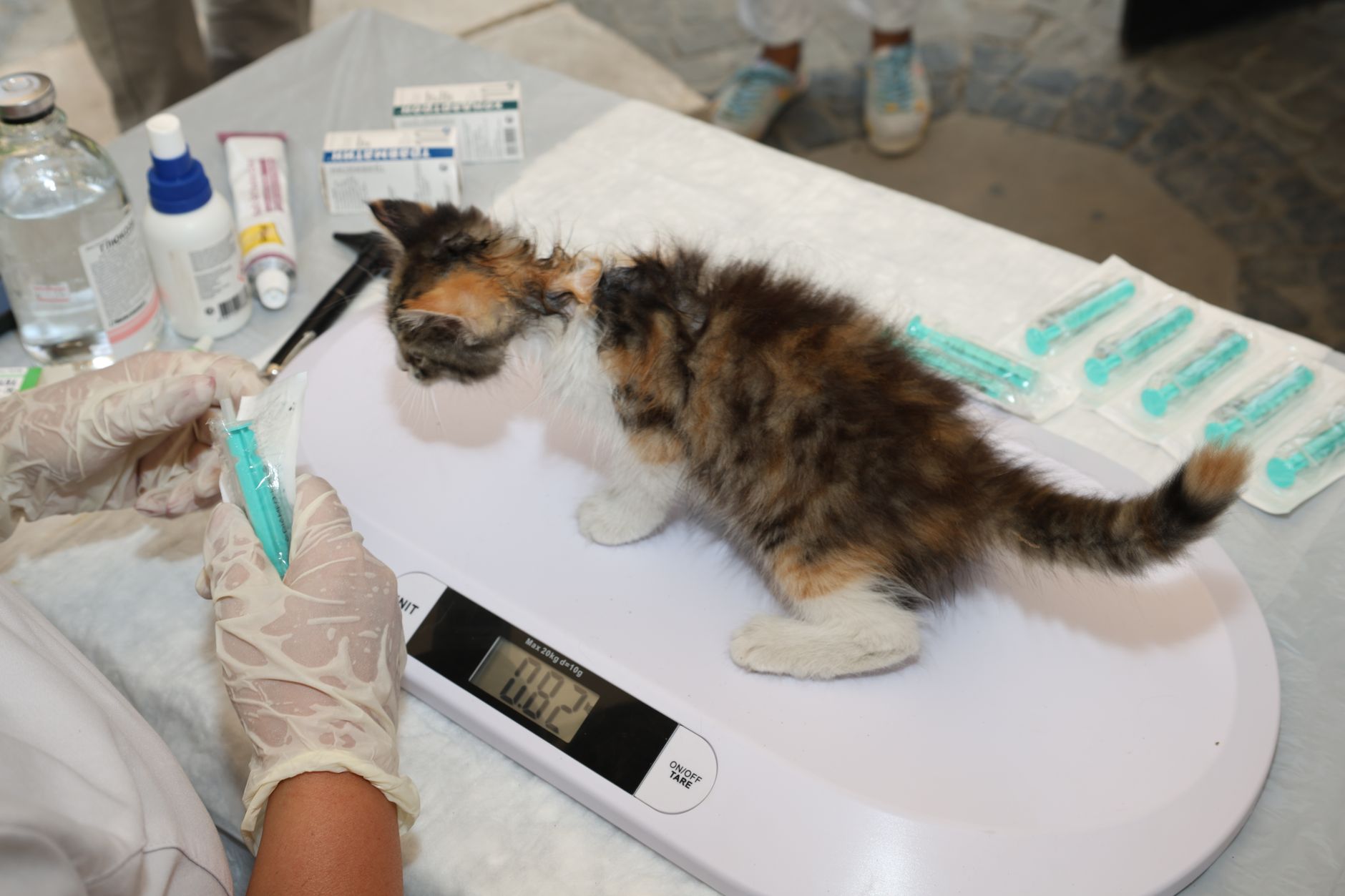 Photo by Tahir Xəlfəquliyev
Top Warning Signs and Quick Home Fixes
When a kitten is suddenly off its game, it’s easy to panic. Stay calm, assess quickly, and act decisively. Early signs of trouble often show up as subtle changes in energy, appetite, or appearance, but some issues demand urgent vet care. Here’s how to spot red flags and what you can do at home to stabilize the situation while you arrange professional help.
- Lethargy or unresponsive behavior: If a kitten won’t engage, stays tucked away, or doesn’t respond to gentle stimuli, it could signal illness, dehydration, or pain.
- Sneezing, eye discharge, or runny nose: These can indicate infections or upper respiratory issues, especially in crowded or stressed environments.
- Eye goop or crusting: Persistent discharge warrants veterinary evaluation to rule out conjunctivitis or more serious conditions.
- Worms or unexplained weight loss: Visible parasites or rapid weight changes require prompt treatment and a vet visit for a proper deworming plan.
- Underweight or poor weight gain: Regular weigh-ins help you notice growth stalls early. If weight gain lags, contact your vet quickly.
What you can do at home right away:
- Isolate acutely unwell kittens to prevent spread and reduce stress.
- Keep them warm and hydrated. Offer small, frequent fluids if they’re able to drink, and use a warm, damp cloth to stimulate grooming and bathroom needs as needed.
- Minimize stress with a quiet space and predictable routines. Avoid handling if they show signs of distress or aggression from pain.
If you notice any of these red flags, reach out to a veterinarian as soon as possible. The sooner you get a professional assessment, the better the outcome tends to be for appetite, recovery, and long-term health. For kittens showing mild symptoms, a few days of careful home care and close monitoring can be appropriate, but any worsening or new signs should prompt a vet visit without delay.
Your First Vet Visit: What to Expect, Questions to Ask, and 2026 Guidelines
A well-planned first vet visit sets a solid course for a rescued kitten. Expect a comprehensive intake assessment, vaccinations, parasite control, and the start of a vaccination series designed to protect against common kitten illnesses. In 2026, the emphasis is on early protection, parasite prevention, and supportive care that fits foster and home environments.
- What to expect: A routine intake will include weight, age estimation, general exam, and a discussion of feeding history and environment. A veterinary team will plan vaccines, deworming, flea and tick prevention, and screening tests such as FIV/FeLV. Microchipping often happens during this visit for long-term identification, and many clinics discuss early spay/neuter as part of the plan.
- Questions to ask:
- What vaccines will the kitten receive, and what is the schedule?
- When should I start deworming, and with what medication?
- Should we test for FIV/FeLV now, and should we retest later if results are initially negative?
- Is microchipping recommended, and what are the costs?
- What are the signs that should trigger a return visit?
- Are there low-cost clinic resources in my area for vaccines and spay/neuter?
- If the kitten is under 2 pounds or under 8 weeks, when is the next check needed and what care adjustments are required?
- Early spay/neuter benefits: Doing spay or neuter at 8 weeks or when the kitten reaches 2 pounds is increasingly common for rescuers. Benefits include reduced risk of certain cancers and behavioral issues, easier integration into homes, and faster adoption rates. Many shelters now adopt this approach as a standard practice, with pathways that support the health and welfare of rescued kittens.
2026 updates and trends you should know:
- Shelter-guided protocols now place a strong emphasis on early vaccination and parasite control within foster programs, with clear timelines to standardize care across homes and clinics.
- TNR programs and proactive early interventions for kittens in rescue settings are expanding, helping to curb overpopulation while ensuring rescued kittens receive timely care.
- Microchipping and routine welfare checks are being reinforced as core elements of kitten health, improving outcomes through faster reunification and consistent medical histories.
- If you are caring for a kitten under the care of a rescue or shelter, ask about access to low-cost clinics, vaccine clinics, and spay/neuter subsidies in your area.
First vet visit essentials for rescuers:
- Bring any prior medical records you have, notes on feeding, weight changes, and behavior.
- Have a clear feeding and hydration plan and be prepared to discuss parasite control and vaccination schedules.
- Schedule follow-up visits and boosters as recommended by your veterinarian, and note milestones for growth and development.
400 words.
Socialize and Train: Turn Fear into Purring Trust
A kitten rescued from the street is scared, but with gentle, consistent socialization you can turn fear into a confident, curious feline. This section covers practical steps you can take in the first weeks to build trust, reduce stress, and set up a playfully cooperative temperament. Think small, steady, and patient. Every positive interaction compounds into a calmer cat who explores, then snuggles into your lap. You’ll learn how to approach litter training for tiny beginners, gentle socialization techniques for shy or feral kittens, and ways to enrich their space so play becomes a path to trust rather than a chase of fear.
Litter Box Success in Days, Not Weeks
Young kittens need clear cues and gentle handling to learn bathroom basics without added stress. Start with stimulation for unscented, soft litter that’s easy to dig. For newborns and very young kittens, a warm, private spot helps them focus on the box rather than the world outside.
- Place a low-sided litter box in a quiet corner, with about 2 inches of non-clumping, unscented litter. Avoid clumping litter until they’re older to prevent ingestion hazards.
- After meals, naps, or play sessions, gently guide the kitten to the box and offer soft praise when they investigate. Short, positive sessions work best.
- Accidents happen. Clean with an enzymatic cleaner to remove the scent and prevent repeats. If a location becomes a habit, place another box there and gradually move it closer to the nest.
- If you notice ongoing accidents, reassess placement, litter type, and box size. A well-timed cue and slow, calm approach can shorten the learning curve to just a few days.
Stimulation for young kittens includes a daily routine of brief practice sessions that pair a calm voice with a treat or gentle petting after success. This builds a positive association with the box and with your presence, turning bathroom trips into predictable, stress-free events.
Gentle Socialization Tricks for Shy or Feral Kittens
The critical window for socialization is small but powerful. Between roughly 2 and 9 weeks, kittens learn to see humans as safe. If you miss this window, older kittens can still learn, but they need more time and patience.
- Use play wands and soft toys to mimic prey and invite engagement without forcing contact.
- Hand feeding with small treats builds trust. Sit quietly while they eat, then gradually reduce distance as they become comfortable.
- Keep voice soft and movements slow. Slow blinking from you signals safety.
- Start with short sessions, 15–30 minutes daily, and gradually extend as the kitten tolerates it.
- For older or very shy kittens, introduce gradual handling. Begin with the head and shoulders during feeding, then slowly progress to gentle petting and supported handling.
If a feral kitten over eight weeks shows limited progress, consider barn or TNR programs as a humane option. Socialization is possible beyond the early weeks, but it takes consistency and the right environment.
Enrich Your Space for a Playful, Happy Kitten
A stimulating space supports a confident, content kitten who views exploration as a game, not a threat. Build vertical space with cat trees, shelves, and perches to give safe retreat spots. Introduce a gentle variety of toys, from feather wands to puzzle feeders, to keep curiosity alive.
- Provide multiple scratchers and at least two litter boxes on different levels if you have a multi-story home.
- Create dedicated play times each day, using treats and praise to reinforce curiosity and bravery.
- Introduce slow, controlled introductions to other calm pets and people, always respecting the kitten’s pace.
- Regularly rotate toys to maintain interest and prevent boredom.
As your kitten grows, keep these ongoing needs in mind: regular vet checks, continued social experiences, and a calm, predictable home routine. A well-enriched space turns fear into confidence, laying the foundation for a curious, happy cat that loves to explore beside you.
Conclusion
Rescuing a kitten starts with calm, deliberate actions that set the foundation for a healthy life. Observe from a distance to judge the right moment, create a warm, quiet recovery space, and feed by age with a careful transition from formula to solids. Keep vet care in mind from day one, and introduce gentle socialization that builds trust rather than fear. If nearby, consider humane TNR programs for feral kittens and push for early spay or neuter when appropriate. These steps come together to reduce stress, protect health, and boost long term outcomes.
Fostering and eventual adoption are powerful ways to extend this impact. Reach out to your local Humane Society or the ASPCA for foster programs and extended care resources. They can help with medical attention, guidance on age appropriate care, and support as you nurture a kitten through growth and social development. Community involvement matters; when shelters partner with foster homes and adoptive families, live release rates rise and more kittens thrive.
Your thoughtful care matters beyond your doorstep. By sharing stories, supporting responsible rescue, and participating in TNR efforts, you help create a kinder environment for all cats. Lives are saved when each rescue leads to a stable, loving home. If you’ve rescued a kitten, tell your story, spread awareness, and encourage others to rescue responsibly.
Back to Pet Tips