
What Is a Rescue Cat
Back to Pet Insurance By State
What is a rescue cat, and why does it matter to you right now? A rescue cat is simply a feline who has been saved from tough spots like shelters, streets, or owner surrender, and is now ready for a loving home. Each story starts with a second chance, and that chance can change a life as well as yours.
In 2025, about 2.26 million cats entered US shelters, making up a significant portion of overall intakes. Adoptions have kept pace with those numbers, with roughly 2.2 million cats finding homes in 2024 and another strong year on the way. The life you give a rescue cat can ripple out to your whole family and community.
The reasons to adopt are practical as well as emotional. The live release rate for cats rose to about 82 percent in 2025, up from earlier years, showing that more cats are leaving shelters alive and thriving. Euthanasia numbers have dropped in recent times, with a record low around 188,000 in the latest trends, underscoring kinder outcomes for many felines.
If you’re thinking about bringing a rescue cat into your life, this post will walk you through what to expect, how to choose a cat who fits your home, and the little steps that help with a smooth transition. You’ll learn what sets rescue cats apart, the benefits of adoption, and practical tips for helping them settle. Ready to learn more?
How Rescue Cats Find Their Way to Safety
When we talk about a rescue cat, we’re really tracing a path from uncertainty to a hopeful future. These cats arrive through a mix of routes that each tell a story of need, care, and second chances. Understanding where they come from helps us see why adoption matters and how rescue networks work behind the scenes to move cats from risk to safety.
From Streets and Shelters: Where Rescue Cats Come From
Rescue cats arrive via several well-worn routes. Many are taken in by shelters run by animal control or humane societies, where staff triage, vaccinate, and spay or neuter before找 homes. Others come from rescue groups that operate foster-based programs, pulling animals from overcrowded facilities or high-kill places where fewer chances exist for adoption.
A sizable share are strays found on the street, captured by good Samaritans or community catch projects. In 2025, roughly 2.25 million cats entered shelters or rescue systems in the United States, with shelters continuing to handle the majority of intake despite efforts to spread the load to rescues and foster networks. Overcrowding remains a constant pressure in many facilities, driven by limited space, staffing constraints, and the ongoing kitten surge. The work of rescue organizations—pulling cats from high-kill areas, coordinating transfers, and placing them into foster care or adopter homes—helps prevent needless euthanasia and gives cats a fighting chance at a better life.
When you adopt a rescue cat, you’re choosing a mixed-breed by default, often already spayed or neutered and fully vaccinated, at a lower upfront cost than buying from a breeder. This path reflects a practical commitment to animal welfare and a personal choice that can reshape your family dynamics for the better.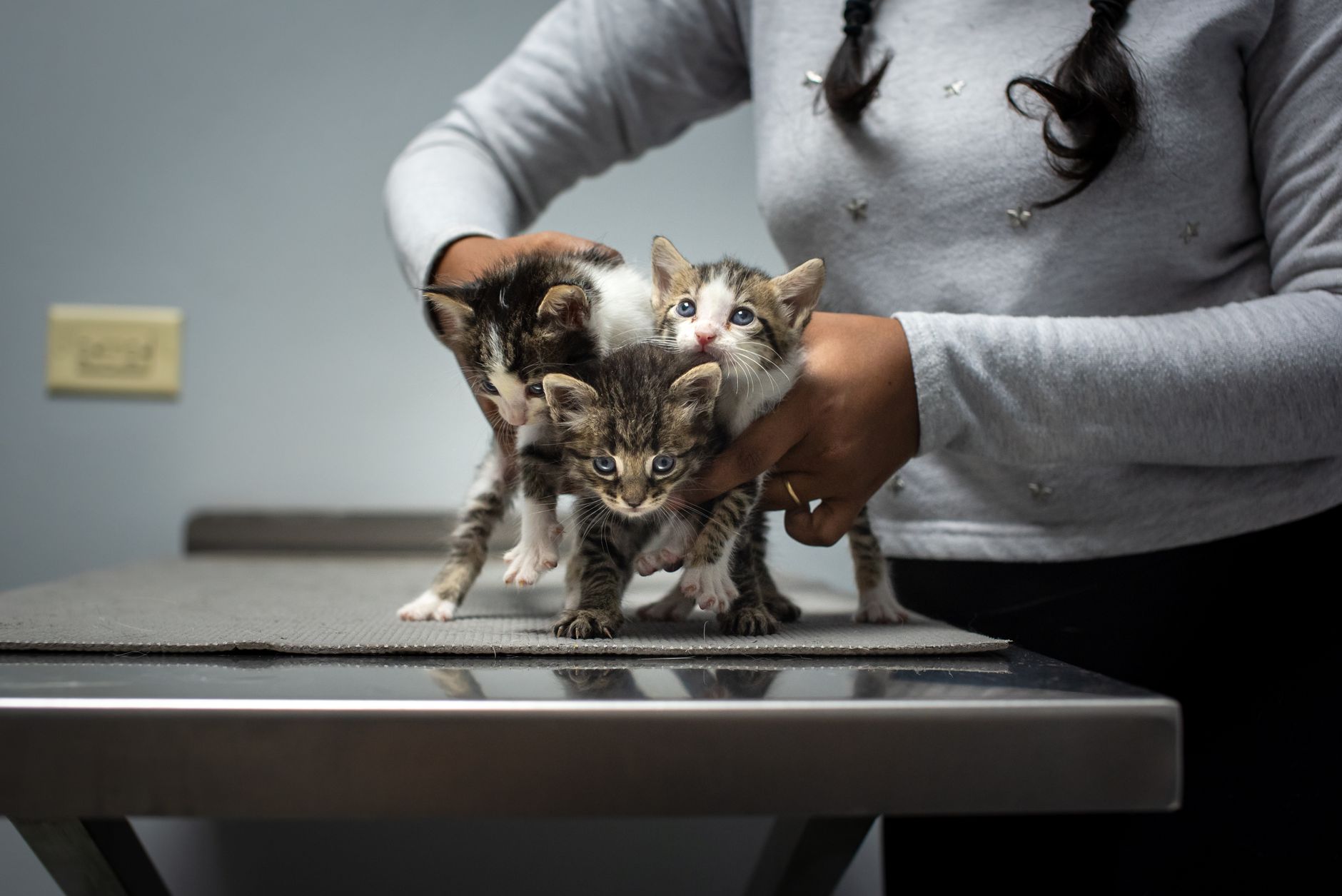
Photo by Dominik Gryzbon
Why Millions of Cats Need Rescuing Each Year
Millions of cats require rescue each year due to a combination of factors that are both predictable and avoidable. Strays account for nearly half of all intake, while owner surrender remains a steady driver as costs rise and housing situations tighten. Since 2019, surrender rates have inched upward, driven by economic pressures and family changes. In 2024 through 2026, the picture remains similar: many families face tight budgets, moves that disallow pets, or landlord restrictions that push pets into shelters either temporarily or permanently.
The cost of cat ownership has grown substantially, with annual expenses commonly cited in the range of roughly $961 to $2,487 depending on health needs, routine care, and unpredictable vet bills. This financial strain nudges some households toward relinquishment, even as communities expand resources like low-cost clinics and community spay/neuter programs.
On the brighter side, rescue networks and shelters are expanding outcomes. High-kill facilities are increasingly working with rescues to pull adoptable cats, while Trap-Neuter-Return (TNR) programs help reduce future intakes by stabilizing cat populations in communities. The result is a growing emphasis on placing cats in homes rather than ending lives in shelters. If you’re considering a cat, you’ll find that rescue cats offer diverse backgrounds, from what they’ve endured to what they can become in a calm, loving home. Their resilience is real, and their potential to enrich a family is profound.
Photo by Dominik Gryzbon
Why Choosing a Rescue Cat Beats Buying from a Breeder
If you’re weighing your cat options, a rescue cat offers practical advantages that often surprise first-time adopters. You get a loving companion while supporting a humane system that saves lives. This section covers why rescue cats can be healthier, more affordable, and a better personality match for many families. It also tackles common myths that keep people from adopting and shows how a well-matched cat can enrich your home from day one.
Healthier, Cheaper, and Full of Love: The Real Advantages
When you choose a rescue cat, you’re picking a path that blends health, value, and warmth. First, health is a practical win. Shelter and rescue workers screen for common issues, provide vaccines, spay or neuter, and treat or monitor health needs before you bring a cat home. That means fewer surprise vet bills in the early weeks and a streamlined start to a long, happy life together.
Cost is another clear advantage. Adoption fees are typically far lower than the price of a breeder kitten. Think in terms of a wide range from around $75 to $500 for most adoptions, with seniors often available for around $50 to $150. You still get essential care like vaccines and microchips, and many rescues include spay or neuter as part of the adoption package. Compare that to breeder kittens, which can run into the high hundreds or even thousands. Those upfront savings can be redirected toward a robust first-year care plan, a comfy bed, and enrichment toys that help your new family member settle quickly.
Personality matching plays a big role too. Rescue groups often categorize cats by temperament and energy level, making it easier to find a companion who fits your lifestyle. Do you want a cuddle-heavy lap cat, a curious explorer, or a relaxed feline who enjoys watching the world go by? A well-matched cat reduces the chance of behavior hiccups and makes bonding smoother. And because many rescue cats are older or come with a bit of life experience, you can often skip the frantic kitten phase and jump right into a settled, loving partnership.
Behavioral outcomes are part of the package as well. Mixed-breed cats tend to have diverse temperaments and fewer breed-specific health concerns, which can translate into a more predictable, balanced pet. With the right introduction, training, and enrichment, a rescue cat can become deeply bonded to you and your family, delivering affection in real, rewarding ways. If cost is a concern, or you want a cat whose health history you can review, adoption is a sensible choice that still leaves room for a long, joyful life together.
Myths About Rescue Cats That Just Aren’t True
There are several persistent myths about rescue cats that simply don’t hold up under a closer look. Let’s unpack them and set the record straight so you can make a confident choice.
- Not damaged or unfriendly. Rescue cats are evaluated and cared for before adoption. Temperament assessments, veterinary checks, and behavior observations help match you with a cat that fits your home. Most cats settle in quickly once they have a safe, loving routine.
- Unhealthy by default. Shelters and rescues vaccinate, treat obvious issues, and ensure cats are ready for homes. This means a rescue cat can be just as healthy as a kitten bought from a breeder, often with the added benefit of a health check-up history and ongoing veterinary oversight from the rescue.
- No purebreds in shelters. While many people think purebreds live only with breeders, the truth is that a meaningful portion of shelter cats are purebred or mix with purebred ancestry. Breed-specific rescues also exist, but even general shelters can have cats with recognizable breed traits. If you’re after a specific breed but want to adopt, breed rescues are a solid option.
- Baggage that’s impossible to overcome. Trauma or shy tendencies in some cats are real, but they respond well to patient, consistent care. A confident, steady routine, gentle handling, and enrichment can help many rescue cats become outgoing and affectionate members of the family.
Worried about personality matching? Rescue organizations now categorize cats by energy level, sociability, and needs, making it easier to find a cat that aligns with your home life. The right match can lead to a strong, lasting bond and a sense of pride in giving a second chance a real home. If you’re shopping for a cat, remember that a rescue cat brings the same love, humor, and companionship as any kitten, with the added assurance that you’re changing a life for the better.
Your Step-by-Step Path to Adopting a Rescue Cat
Thinking about bringing a rescue cat into your life? This section breaks down the practical path from first browsing to bringing your new family member home. You’ll see where to look, how to connect, what to expect during the application, and the steps that turn a hopeful interest into a joyful adoption. Each stage is designed to be straightforward, with real tips to help you move quickly and confidently.
Finding and Meeting Your Perfect Match
Start by exploring reputable sources where rescue cats are listed and described in honest detail. Sites like Petfinder and Adopt-a-Pet are excellent starting points because they filter by age, location, and temperament, helping you narrow your options before you visit. When you find a cat that seems like a good fit, read their profile closely for energy level, health notes, and any adoption requirements.
Reach out to the shelter or rescue to express interest and schedule a meet-and-greet. If you’re applying with others in your household, arrange a time that works for everyone so you can observe how the cat responds to different people. A successful first meeting is less about instant chemistry and more about mutual comfort and clear signals of a good fit.
If you’re drawn to a particular cat, ask about their history, daily routine, and any behavior notes. You want a match you can commit to, not a quick impulse. After a meet, keep notes on each cat’s temperament and how easily they settle during the visit. This helps you compare options with clarity and makes the next steps easier.
Application, Approval, and Bringing Them Home
The path from interest to a wagging welcome is built on a solid application, a careful interview, and a smooth transition plan. Start with honest, thorough answers in the application, including details about your living situation, work schedule, and experience with pets. Many rescues ask for landlord approval or proof that pets are allowed, so have a current lease or a letter ready.
The approval timeline varies, often ranging from a few days to a couple of weeks as the rescue checks references and ensures the home will be safe. Once approved, you’ll coordinate a pickup date and prepare for the big moment. This is when the practical side comes into focus: secure a carrier, stock up on food and litter, and create a safe, quiet space for the first weeks.
If you’re bringing home a senior cat, many rescues offer waivers or reduced fees, and the process may be a bit quicker, recognizing the value of a calm, loving home for cats at any age. Each step is designed to ensure you and your new cat start with trust, a clear routine, and the right resources to thrive together.
Settling In: Tips to Help Your Rescue Cat Feel at Home
Moving a rescue cat into your home is a moment of new beginnings for both of you. The goal is simple: create safety, predictability, and trust so your new family member can relax into life with you. This section highlights practical steps for a calm first week, with a focus on a safe room, gentle introductions, and building a lasting bond rooted in gratitude.
First Days Essentials
During the first days, a safe room becomes your cat’s anchor. Choose a quiet room with minimal foot traffic, away from the main living area. This is where your rescue cat will decompress, smell, and slowly adjust to your household rhythms. Set up a practical, welcoming space with these essentials:
- Litter box in a corner, away from the food bowl
- Fresh water and a consistent, familiar diet
- A comfy bed and cozy blankets
- A sturdy hiding spot, such as a box or covered cat bed
- A tall scratching post and a few interactive toys
- An item with your scent and something from their previous environment
- A carrier kept open in the room for easy retreat and veterinary transport
Hazard checks help prevent stress and accidents. Secure cords, remove choking hazards, and ensure doors and windows stay closed when needed. Keep cleaning products out of reach and avoid placing the food area near the litter.
Maintain a predictable routine: meals, litter cleaning, and gentle play at roughly the same times each day. Use soft lighting and quiet background noise to mimic a safe, homey environment. Most cats take to this routine within a week, but some stay cautious longer. Patience pays off, and a calm, steady approach makes the transition smoother. When you’re ready to introduce your cat to the rest of the home, do so gradually and under supervision.
Photo by Gustavo Fring
Decompression Time
Let your rescue cat explore the safe room at their own pace. Sit nearby but do not reach out for contact right away. This is the period where trust is earned through consistency, not pressure. Short sessions of quiet presence each day help reduce fear and build familiarity. If your cat hides, accept it as normal rather than a setback. Hidey spots are their safety nets, and the goal is to create a routine that doesn’t force interaction.
Within days, you may notice signs of readiness: slow tail lifts, soft meows, or a brief approach for sniffing. When they emerge, offer gentle encouragement with treats and calm talk. Build a pattern of small, positive interactions—brief grooming, a new toy, or a favorite snack. This steady tempo helps them learn that the home environment is safe and predictable. Keep the safe room closed off until you’re confident they can handle a gradual expansion. Remember, this is not a race. A thoughtful pace reduces stress and strengthens the bond you’re forming.
Photo by Gustavo Fring
Essentials List (Compact Reference)
- Litter box (open) placed away from food
- Fresh water, consistent food from the previous routine if possible
- Cozy bed and blankets
- Hiding spots within easy reach
- Scratching post, tall enough to stretch
- Favorite toys and interactive play items
- A personal scent item and a familiar item from their old home
- Carrier left out for comfort and vet travel
Overcoming Early Shyness
Shyness is a normal part of settling in. Your job is to create a calm, predictable environment that invites exploration without pressure. Encourage small steps, like letting them approach you first, or approaching with a treat held still. Avoid forced handling; instead, offer a gentle, rhythmic routine that your cat can anticipate. Short, daily sessions of quiet interaction help to reduce fear and build trust.
Use scent exchanges as a bridge: swap a cloth between you and the cat to accelerate familiarity without direct contact. If your cat hides for a day or two, don’t worry. It’s part of the process. Boost confidence with play that parallels their energy level, and celebrate each tiny victory. The bond you’re building starts with gratitude for the little, steady progress that adds up to a secure, affectionate companion.
Photo by Gustavo Fring
Vet Visit and Routine Health
Plan a vet check within the first two weeks of settling in. A quick health check confirms they’re thriving and helps set a baseline for future care. Bring your cat’s favorite blanket or toy to the appointment so they feel secure in unfamiliar surroundings. Use the safe room as a retreat after visits to maintain a sense of safety. If the cat is new to vaccinations or microchips, your vet can coordinate these steps with you and the shelter records. Regular veterinary care is the backbone of a healthy, long life together.
Photo by Gustavo Fring
Building the Gratitude Bond
Adopting a rescue cat is a two-way gift. Each small milestone — a confident meow, a gentle purr, or a relaxed posture in your presence — reinforces gratitude and strengthens your unique bond. Celebrate the moments of progress, no matter how modest, and make the home feel like a sanctuary. Your consistent kindness teaches your cat to trust, and that trust creates a lasting, meaningful connection you will both treasure for years to come.
Conclusion
A rescue cat is a living reminder that second chances matter. Adoption turns fear into trust, loneliness into companionship, and uncertainty into a steady daily joy. In the United States, adoptions tie directly to stronger live outcomes, with about 1.6 million cats finding homes each year and an overall 82 percent save rate across shelter outcomes. That progress shows what’s possible when communities choose compassion over convenience.
Choosing a rescue cat means welcoming a unique blend of resilience and warmth. Rescue organizations work hard to match cats with homes that fit their energy and needs, reducing behavior hiccups and increasing the chance of a lasting bond. No-kill growth and increasing adoption rates signal a kinder system that still has room to grow, but the trajectory is clear: more lives saved, more families thriving.
If you’re ready to make a difference, visit a local shelter or rescue group, meet the cats, and imagine the daily moments you’ll share. Every adoption reduces euthanasia and strengthens the no-kill effort across communities.
Back to Pet Tips