
What Happens to Cats in Shelters
Back to Pet Insurance By State
A small orange cat named Miso padded into a crowded shelter with a hopeful gaze and a quiet meow that barely rose above the hum of cages. Behind her, dozens more waited, a reminder that shelters often run at or beyond capacity even during kitten season. For many readers, the sight raises a question: what happens to cats in shelters.
The short answer is simple, yet it hides a lot of nuance. Cats enter shelters for many reasons, from stray finds and owner relinquishments to transfers from crowded facilities. Once inside, they face a system that moves at different speeds depending on space, health, and behavior. This post unpacks the journey from intake to outcomes so you can see the real path these cats travel.
A quick snapshot helps set the stage. In recent years shelters have taken in millions of cats nationwide, with adoption rates improving but not always keeping pace with demand. Euthanasia has declined overall, yet some groups of cats still face tough outcomes. Foster care and rescue partnerships play a vital role in expanding space and increasing the odds of a happy ending.
This article aims to shine a clear light on the process and the pressures shelters face. You’ll learn what intake looks like in typical shelters, how cats are assessed and kept healthy, and the options that lead to adoption, fostering, or safer alternatives. We’ll also examine the challenges shelters confront, such as overcrowding, staffing gaps, and the emotional toll on staff and volunteers. By the end, you’ll understand the real story behind what happens to cats in shelters and how you can help.
What happens to cats in shelters from intake to outcomes will be explored in the following sections, including intake, care, foster and adoption pathways, and the ongoing work that improves cat lives.
Why Do Cats End Up in Shelters Anyway?
Shelters see a steady stream of cats for a variety of reasons. Most of the time, the path to a shelter starts with everyday life changes that people feel they have no other option to handle. At the same time, many cats come in as part of larger trends like stray finds and seasonal kitten booms. Understanding these dynamics helps explain why shelters often face crowded conditions and why certain cats face tougher odds. Below are the main pathways that bring cats through shelter doors and the impact those paths have on care and outcomes.
Owner Surrenders and Life Changes
Owner surrender is a common entry point for many cats. People surrender for practical reasons, not out of malice, and that makes the situation feel more personal and relatable. A family moves to a rental that bans pets or imposes steep deposits. A working parent realizes the new schedule means less time for a cat’s needs, and routines fall out of balance. Financial struggles pop up too, from sudden job loss to mounting medical bills for a pet that requires ongoing care. Allergies in the household can also force a difficult decision when a family member can no longer tolerate a cat’s presence.
Shelters often suggest rehoming first if possible. They may connect owners with fostering options, behavior resources, or help with rehoming the cat through a trusted network. The aim is to keep cats in loving homes, not just relocate the problem. When surrender is the only option, staff treat each situation with empathy, explaining options clearly and guiding families toward the least stressful outcome for the cat. The reality is that many surrendered cats face a period of adjustment in a new environment, which can affect behavior and health but also opens doorways for longer-term, permanent placements with the right support.
Strays, Lost Cats, and the Summer Kitten Flood
Strays and lost cats form the largest share of intake. Cats found wandering, separated from their homes, or returned by the public contribute significantly to shelter populations. Community cats, including ferals, add to this mix, creating a complex puzzle for local shelters that rely on humane capture and careful care.
The summer months bring a noticeable surge. Unspayed females can produce multiple litters, and kittens arrive in higher numbers. This “kitten flood” overwhelms shelters that already operate near capacity. The result is more calls, more intakes, and a sharper focus on triage and placement decisions. Good Samaritans often step in to intake stray cats, help with temporary fostering, or coordinate transfers to ensure every cat has a chance at care. Managed intake becomes crucial here: prioritizing emergencies and kittens, coordinating with rescue groups, and encouraging owners to spay or neuter to curb future surges. While adoptable cats still find homes, the seasonal pressure makes every day feel like a race against the clock for space, health, and outcomes.
The First Steps: Intake and Evaluation at the Shelter
When a cat arrives at a shelter, the clock starts ticking in a good way. Staff aim to quickly document history, calm the animal, and start health and behavior assessments that guide every next move. This early phase builds trust with families who may adopt, or with fosters who help a cat recover and shine. The goal is simple: keep the cat safe, treat problems early, and place them in a loving home as soon as they are ready.
 Photo by Engin Akyurt
Checking Health from Nose to Tail
Right at intake, many shelters run a rapid health snapshot. A quick exam identifies injuries, signs of illness, fleas, ear concerns, and other immediate needs. This first look is crucial because it flags problems that could spread in a crowded facility. Within the first 24 hours, a more thorough vet check happens. That exam includes vaccines appropriate for age and risk, parasite prevention, and any necessary treatments.
Early interventions matter for outcomes. Vaccinations reduce disease risk for the cat and for other animals in the shelter, while deworming and flea control protect delicate systems. If a cat tests positive for an illness or shows contagious symptoms, staff isolate and treat to protect others. For many cats, these steps prevent minor issues from becoming serious and set a clear path toward adoption, foster, or transfer.
Triage logic guides who gets urgent care first. Sick or injured cats receive priority attention and, when possible, comfort measures to reduce stress. Healthy, friendly cats move quickly toward vaccines and an introduction to potential adopters. This triage keeps space available for those who truly need it and accelerates the overall process.
What this looks like in practice:
- A calm routine that reduces fear, including quiet rooms and gentle handling.
- Documentation of baseline health and signposting for any ongoing needs.
- A clear plan for next steps based on health and potential for rapid placement.
Behavior Tests: Friendly Pet or Special Needs?
Behavior assessment starts the moment the cat is safely in a quiet space. Staff observe how the cat handles touch, movement, and new people. Does a cat stay relaxed on a lap, or does it pull away when touched? Is the cat curious and engaged, or overwhelmed by handling? These observations shape the next steps and help determine if the cat should head to the adoption floor, enter a foster program, or receive targeted enrichment and training.
Handling tolerance scores become a practical tool. They translate feelings and reactions into numbers that staff can use to plan care paths. A high tolerance score often means the cat can immediately start meeting adopters, appearing on the adoption floor with visible cues of good temperament. A lower score signals a need for slower, structured socialization, sometimes with a foster family or a behavior specialist, to build confidence and reduce stress.
The evaluation also considers compatibility with kids or other pets, a critical factor for families. Clear notes on temperament, energy level, and coping strategies help match the cat to the right home. If a cat shows special needs, shelters map out every option from targeted enrichment to full-time foster care. The aim is not to rush the outcome but to ensure the cat has every chance to thrive once placed.
In the end, these early checks shape every choice after intake. The combination of health and behavior data guides whether a cat goes straight to adoption, needs a bit more time in a foster home, or requires medical or environmental adjustments before reaching a forever home. This careful, compassionate approach is how shelters maximize positive outcomes for each cat who walks through their doors.
Daily Life in the Shelter: Care Amid the Chaos
Seeing a cat settle into a shelter is not just a moment of relief; it’s the start of a careful routine built to protect health, reduce stress, and open doors to a forever home. In busy shelters, daily life unfolds with a mix of steady routines and quick adaptations. The goal is simple but powerful: every cat feels safe, fed, and cared for, even when space is tight. Below, you’ll get a clearer picture of what that looks like in practice, from housing and meals to playtime and medical care, plus the systems that keep overcrowding from eclipse the cat’s chances for adoption.
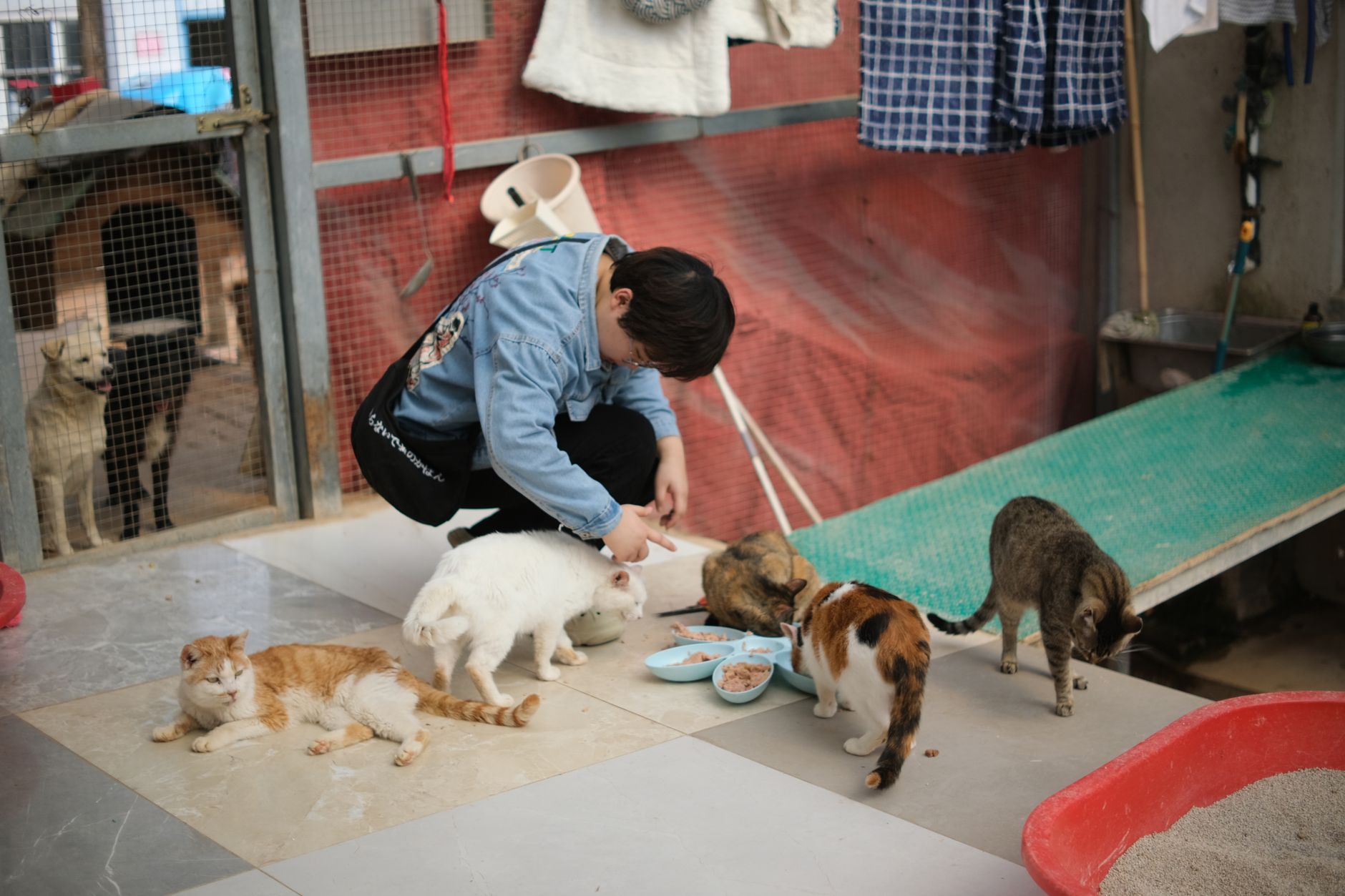 Photo by Mia X
Housing, Meals, and Playtime Routines
Shelters design housing to minimize stress while maximizing safety. Cats are housed in kennels or quiet rooms that mimic a calm home environment. Bedding is soft, washable, and kept dry; elevated perches give a sense of control and security. Each cat gets a dedicated space to retreat, with visual barriers like meshes or curtains to reduce direct eye contact from neighboring cages, which helps shy or scared cats settle in faster.
Nutrition is aligned with age, health, and activity. Fresh water is always available, and meals follow a predictable schedule to create a sense of normalcy. In many facilities, staff rotate between scheduled feeding times and enrichment periods, ensuring every cat eats well before enrichment hours begin.
Cleaning and sanitation are non-negotiables. Daily litter checks, timely waste removal, and routine cage sanitization keep the environment safe for both cats and staff. Gentle handling during cleaning prevents added stress, especially for sensitive cats. Enrichment plays a big role too: scattered treats, puzzle feeders, and lightweight toys encourage natural foraging and play, helping cats burn energy in healthy ways.
Socialization is woven into the day. Even shy cats benefit from short, positive interactions with volunteers or fosters. Gentle petting, calm voice tones, and slow movements are the norm. Regular enrichment visits help cats remain curious rather than fearful, so they’re better prepared for adoption or a move to a foster home when space requires it.
Overcrowding Challenges and Smart Solutions
Overcrowding is the toughest reality in many shelters, particularly during kitten seasons or humane-intended holdovers. The risk isn’t just about space; disease can spread more easily when rooms are packed. Shelters counter this with smart design and procedures. Separate rooms or zones isolate sick cats and reduce cross-contamination. Ventilation is optimized to keep air circulating without creating drafts that stress animals.
To keep pace, many shelters use managed intake. Appointments for surrenders and transfers help smooth the flow and prevent last-minute bottlenecks. This system protects animals from long stays in loud, crowded cages and allows staff to prepare specialized spaces in advance.
Foster programs have a measurable impact. When shy or young cats flee from the bustle, a foster home offers a calmer, home-like setting. Space opens up in the main shelter, which increases adoption speed for other cats and improves outcomes overall. Foster care also provides targeted socialization, which can turn a skittish cat into a confident, adopta capable pet.
In this ecosystem, every routine matters. A well-fed cat with a clean, calm space, access to play and enrichment, and timely medical attention has a real shot at a happy ending. The work behind the scenes is steady, compassionate, and focused on giving each cat a fair chance, even in the face of chaos.
Where Shelter Cats Go Next: Adoption, Foster, or Tough Choices
When a cat arrives at a shelter, the path forward is defined by health, behavior, space, and community support. Shelters aim to move cats into loving homes as quickly and safely as possible, but the route is not a single road. It often includes adoption, foster care for recovery or socialization, transfers to rescue partners, safe returns to owners, or, in limited cases, euthanasia for untreatable illness or aggression. The good news is that progress is real and measurable. Across the country, improved management and expanded partnerships have shifted outcomes toward more happy endings every year.
The Happy Endings: Adoption and Foster Success Stories
Adoption remains the primary goal for most shelter cats, and programs are structured to connect each cat with the right family. Cats with strong health, friendly temperaments, and clear enrichment have the best odds of thriving in homes within a matter of days or weeks. For kittens, the adoption window can be brief, thanks to the universal appeal of small, playful balls of fur and boundless energy. For adult cats, clear profiles, safe meeting spaces, and neighborhood-friendly introductions help families see lasting companionship rather than a short-term rescue.
Foster care is a critical bridge, especially for kittens, shy cats, or those recovering from illness or surgery. A temporary home provides the stability and quiet needed to grow confidence, regulate behavior, and recover from medical issues. Foster success stories often translate into faster overall adoption rates because cats emerge calmer, more confident, and more appealing to potential adopters. On a broader scale, fostering eases shelter overcrowding and creates a pipeline of adoptable companions who are ready to thrive once they meet their future families.
Recent national data reflect steady progress. In 2024, about 2.2 million cats were adopted from shelters and rescues, and more than 2.6 million cats left shelters alive through a combination of adoption, transfers, or returns. When you add the growing network of fosters, transfers to rescue groups, and return-to-field efforts, the path from intake to a forever home becomes more reliable and humane. These trends show how coordinated care, volunteer support, and community involvement translate into real, meaningful outcomes for cats.
Takeaways for readers:
- Adoption is the leading route to a stable, lifelong home, driven by clear matching and supportive adoption processes.
- Foster programs amplify outcomes for kittens and cats with special needs, turning potential stress into growth and increased adoption readiness.
- Positive trends in live releases show that no-kill practices, better health management, and partnerships are paying off.
The Hard Realities: Euthanasia and No-Kill Progress
Shelters still face hard moments, especially with cats that arrive ill, injured, or severely stressed. When medical treatment or behavior modification cannot reasonably lead to a safe, adoptable outcome, euthanasia becomes a last-resort decision. These cases are always handled with care and transparency, balancing compassion for the individual cat with the realities of shelter capacity and public safety.
Yet this is also a story of progress. The no-kill movement has driven shelters to rethink space, intake, and resource allocation. Partnerships with rescue groups, better triage, and expanded foster networks have significantly increased live release rates over the years. Nationally, the save rate for cats and dogs combined has risen to about 82 percent in 2025, a substantial improvement from earlier decades. While not every shelter is yet no-kill, the movement pushes for continual gains and better outcomes for every cat that enters a facility.
Within this framework, no-kill goals are more than slogans. They reflect concrete changes—prioritizing urgent medical care, expanding foster pools, and partnering with rescues to find homes faster. Returns to owners and safe transfers to partner organizations further reduce the number of cats who remain in limbo, waiting for space to open or for a more suitable placement.
Reader takeaway: progress is real and ongoing. The combination of adoption, foster care, and strong partnerships is expanding the number of cats who leave shelters alive and well. You can help by supporting local shelters through donations, volunteering, or fostering a cat in need, knowing your involvement contributes to the broader movement toward higher live release rates.
How You Can Help Change What Happens to Cats in Shelters
Shelters do important work, but the outcomes for cats depend on community involvement as much as on shelter practices. You have the power to influence intake, care, and the path to a loving home. By taking targeted actions, you can ease overcrowding, accelerate adoptions, and push the no-kill momentum forward. Here’s how to turn knowledge into real change.
Understand the shelter journey and where you fit in
Every cat that comes through a shelter door follows a path shaped by health, behavior, and available space. When communities support spay and neuter programs, the number of incoming litters drops, easing pressure on shelters and reducing lengthy stays for cats already in care. Foster homes, too, play a pivotal role by providing calm, home-like environments for kittens or shy cats, speeding socialization and making them more appealing to adopters.
Your awareness becomes action. If you see a stray cat, consider humane options and share resources with neighbors about microchipping, licensing, and return-to-owner programs. When a cat is surrendered, promoting early veterinary care, behavior resources, and potential foster placement can preserve the bond between the cat and family, if possible. Volunteer or donate with intent: funds and time that support medical care, enrichment, and safe housing translate directly into healthier cats and shorter stays.
Engage with your local shelter to learn their needs. Some communities benefit most from weekend foster shifts, while others rely on volunteers for enrichment activities, adoption events, or transport to partner rescues. By aligning your skills with the shelter’s goals, you help move cats toward adoption faster and keep spaces open for new intakes without compromising care.
Take action that moves cats toward adoption and no-kill outcomes
Small, concrete steps create big shifts over time. Start with SPAY/NEUTER first: fewer litters means fewer intakes and calmer shelter populations. If you’re not ready to adopt, consider fostering. A few weeks in a quiet, supportive home can transform a frightened or undersocialized cat into an adoptable companion, often increasing adoption speed for the whole shelter.
Volunteer consistently. Regular volunteers become a steady presence that reduces stress for cats and staff alike. Enrichment activities—gentle brushing, play sessions, or scent games—boost temperament and appeal. Donations fuel vaccines, dental care, and urgent medical treatments that prevent longer stays and improve outcomes. If you’re shopping for a pet, choose adoption over buying from breeders or stores, a straightforward way to give a cat a home while supporting space for others.
Advocate for no-kill practices in your area. Support partnerships with rescue groups, transfer networks, and return-to-field initiatives that divert cats from crowded spaces to healthier paths. Share success stories from your shelter to inspire neighbors, friends, and local leaders to invest in space, staff, and community programs. Your advocacy and action create a ripple effect that saves more lives and builds a community where every cat has a chance to thrive.
Conclusion
What happens to cats in shelters is a journey shaped by health, behavior, space, and strong partnerships. Today, most cats leave shelters alive through adoption, return to owners, or transfers to rescue groups, with a national live release rate around 82 percent in 2025. That means thousands of cats find new families each year and more shelters work toward no-kill outcomes.
Intake trends show steady numbers, but kittens and seasonal surges test capacity. Yet adoptions remain steady or improve, and fostering plays a crucial role in turning shy or ill cats into confident, adoptable companions. The growing network of transfers and return-to-field programs helps move cats to the right placements faster, freeing space for new intakes without sacrificing care.
The bottom line is hopeful: progress is real, even if not perfectly linear. No-kill efforts, better triage, and invested community support have pushed live release rates higher and shortened stays for many cats. Euthanasia remains a last resort, with continued focus on medical care, enrichment, and safer outcomes for every feline in care.
You can help right now. Check your local shelter’s needs, consider fostering, donate to urgent medical care, or volunteer for enrichment and transport. Each small action adds up to more adoptions, healthier cats, and a stronger no-kill future for every cat that comes through shelter doors.
Back to Pet Tips