
What You Need to Adopt a Cat from PetSmart
Back to Pet Insurance By State
Bringing a new cat into your home is a bright spot in everyday life, and the first moment you see a wagging tail or a soft purr is hard to beat. If you’re wondering what you need to adopt a cat from PetSmart, you’re in the right place. This guide explains the path from interest to the first cuddle, with clear steps and practical tips.
The process starts with a simple application, then a meet and match with a cat that fits your routine. You’ll typically need a stable home, time for a cat, and a bit of patience as partners review your details. Along the way, you’ll get vaccine and health information, plus guidance on the essentials you’ll want to have ready.
Keep in mind that details vary by location and partner shelters, so check your local PetSmart or partner site for exact rules. This introduction sets up what to expect as you move through the adoption journey, with practical steps and what you’ll need to prepare in advance. Remember, the goal is a smooth transition that starts your home’s newest member off on the right paw.
What You Need to Adopt a Cat from PetSmart: A Simple Guide
Taking the leap to adopt a cat from PetSmart is exciting, and having a clear path helps you feel confident every step of the way. This section breaks down the essential steps so you know exactly what to expect, from starting the application to bringing your new feline friend home.
 Photo by Nothing Ahead
Start with the Adoption Application
Accessing and completing the adoption form is straightforward and quick. You can start online before you visit, or fill it out in the store if you prefer hands-on help. Have basic identification on hand so the process moves smoothly. While the exact documents can vary, most applicants should be ready with a valid ID and a sense of your daily routine, existing pets, and living situation.
The goal is to gather enough information to ensure the cat finds a safe, stable home. Most people finish the application in under an hour, and many do it ahead of time to streamline their in-store visit. If you’re busy, you can save progress and come back to finish—this flexibility makes it easy to start from anywhere.
Get Matched to the Right Cat
After you submit the application, the staff steps in to guide you toward a good home for a specific cat. The match process focuses on the welfare and happiness of the cat as well as your family’s lifestyle. Expect a relaxed, unhurried approach because the goal is a lasting fit, not a quick decision. You’ll get to interact with cats of different temperaments, ask questions about personality, energy level, and any special needs.
The staff use real-time observations and knowledge of each cat’s history to suggest matches that align with your routine, whether you’re active and outdoorsy or indoors and relaxed. If a cat seems like a mismatch, that’s valuable insight that helps both of you avoid future frustration.
Finalize in the AME System
When you find the right match, the adoption is finalized through the AME system. This step formally completes the transaction and records all relevant details. You’ll receive copies of important records, including vaccination history and care instructions. A key part of this phase is the microchip information, which is typically added or confirmed during the finalization.
You’ll leave with documentation you can reference for future vet visits and emergency contact details. If you’ve added any other pets to your household, this is a good moment to confirm introductions are set up safely and smoothly. The AME system provides a clear, organized trail that helps you manage post-adoption care with confidence.
Pack These Must-Haves Before Heading to PetSmart
Heading to PetSmart for cat adoption is exciting, but a quick prep list helps the visit go smoothly. Bringing the right items with you not only protects the cat’s safety during the trip home but also supports a calm, confident start in your family’s daily routine. Below you’ll find two essential subsections that cover the non negotiable transport needs and the basics for identification and safety once you bring your new cat home.
Why a Carrier is Non-Negotiable
Safety starts the moment you leave the store with your new feline friend. A sturdy carrier is not just convenient; it’s non negotiable for every adoption. Even a briefly curious cat can bolt or dart when a door or gate opens, and a secure carrier keeps both of you safe during the drive home. Look for a carrier with a secure locking mechanism, a comfortable interior, and appropriate ventilation. If your cat is nervous, a carrier with a soft, washable liner and familiar scent can ease the journey.
Choosing the right size matters more than you might think. A carrier that’s too small can make a cat feel trapped and stressed, while one that’s too large can allow movement that compromises safety during transport. A good rule is to select a carrier that lets the cat stand, turn around, and lie down comfortably. For many cats, a medium size works well, especially if you’re carrying a harness to help them feel secure. If you anticipate travel beyond the car, consider a carrier with removable, washable padding and airline approval if you travel by air in the future.
Beyond size, think about setup for the first days at home. A carrier that’s easy to clean and store is a smart choice because you’ll want to reuse it for vet visits and future trips. Pack the carrier with a familiar blanket or toy to provide a comforting scent. In the car, keep the carrier secured with a seat belt or placed on the floor behind the front seat so it can’t shift or tip. With the right carrier, your cat’s first ride home becomes a calm, predictable moment that reinforces trust and safety.
Collar, Tags, and Microchip Basics
Identification is peace of mind for both you and your cat. Even if an adopter’s registry is not mandatory at every PetSmart location, having a collar with an up to date tag is a simple, effective first line of identification. For many cats, a lightweight, breakaway collar is ideal because it reduces the risk of choking if the collar gets snagged. Attach a clear tag with your name, a primary contact number, and, if possible, the rescue or shelter name. Keep your contact information current to ensure you can be reached quickly if your cat ever slips away.
Older cats often benefit from a more straightforward ID approach. If your new cat is a senior, consider a discreet second form of identification, such as a microchip, in addition to a collar. A microchip is a permanent form of ID that can reunite you with your cat if the collar ever goes missing. If you already have a microchip in place, confirm that the registry records are up to date with your current contact details. If you’re starting fresh, your adopter partner can guide you through registering the microchip and linking it to a recovery service.
Auto-registration options exist in some adopter registries, like Adopterluv or similar services. These programs streamline the process of enrolling your pet in a nationwide recovery network, so if your shelter partner offers it, ask about auto-registration at adoption. It can save time and ensure your cat’s ID stays current without extra steps on your end. Even if auto-registration isn’t available, you’ll typically receive microchip and vaccine records during the adoption finalization, so you have a solid starting point for future vet visits.
As you prepare to bring your cat home, keep these ID basics in mind:
- Attach a comfortable, secure collar now, but monitor fit and replace if it becomes worn.
- Add a clearly visible ID tag with your main contact number.
- Confirm microchip registration and keep contact details up-to-date.
- If available, explore auto-registration options to keep your pet’s information current across databases.
These steps create a quick, reliable safety net for your new cat and provide you with a straightforward path to reunification should your cat wander.
Boost Your Chances: Common Adopter Tips and Requirements
If you’re aiming to answer the question, “What do you need to adopt a cat from PetSmart,” this section lays out practical tips and common requirements. Being prepared helps the process move smoothly and shows you’re ready to provide a forever home. You’ll find guidance on what questions to expect about your living situation, plus a clear reminder of the age and readiness expectations adopters should meet.
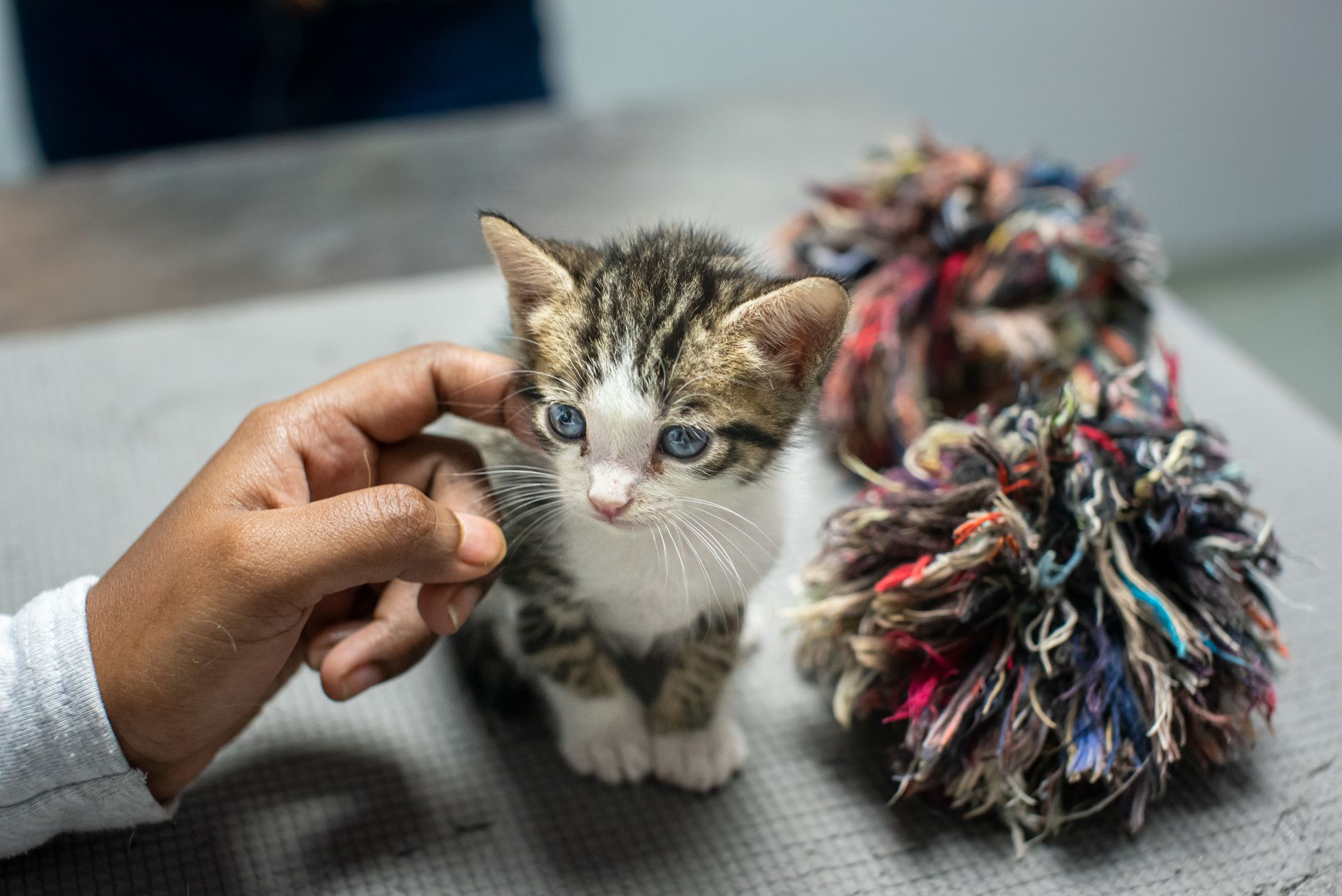
Photo by Dominik Gryzbon
Prepare for Possible Questions on Your Home
When you apply to adopt a cat, shelter staff will want to understand who will care for the cat and where it will live. Expect questions about renting if you don’t own your home, and bring a landlord letter if you’re renting. A simple note confirming pet permissions, building guidelines, and any pet deposits can speed things up and reduce back-and-forth.
If you have other pets, be ready to describe how they interact with cats and how you plan introductions. If kids are in the home, share their ages and how you supervise interactions to keep everyone safe. The goal is to paint a clear picture of a calm, stable environment where a cat can settle in without stress.
Having a few practical details on hand—such as a dedicated space for a litter area, a schedule for feeding, and how you’ll manage vet visits—can boost your chances. Remember, honesty is valued; the team wants a long, happy match, not a rushed decision.
Age and Readiness Check for Adopters
Most adopters are at least 18 years old, and many shelters prefer applicants who can demonstrate ongoing commitment to cat care. Beyond age, readiness means showing you have time, resources, and support for a cat’s needs. Think about daily routines, work schedules, and how a cat will fit into your life long term. If you have never owned a cat before, consider speaking with a shelter or rescue about beginner-friendly cat options and starter supplies. Be prepared to discuss how you’ll handle routine tasks like feeding, litter box maintenance, playtime, and routine vet care.
A clear plan helps the adoption team see you as a capable caregiver and increases the likelihood of a good match. If you work long hours, mention strategies like enrichment activities, puzzle feeders, and safe spaces that keep a cat mentally engaged when you’re away. Confidence comes from showing you’ve thought through the responsibilities and built a stable setup.
Understand the Costs and First Days with Your New Cat
Bringing a cat home is a joyful moment, but it comes with upfront costs and a short period of adjustment. A clear view of what to expect helps you prepare mentally and financially, so the transition is smooth for both of you. This section covers typical adoption fees and a practical plan for the first days in your home.
Break Down the Adoption Fees
Expect a range rather than a fixed price when adopting a cat from PetSmart. Fees typically fall between $50 and $350. The exact amount depends on your location, the rescue partner, the cat’s age, and any ongoing events or promotions. Always check locally through PetSmart’s adoption tool online or at your nearest store for the precise cost and what it covers.
What you get with the adoption fee is designed to get your new cat healthy and ready for a safe start at home. Most fees include:
- Spay or neuter surgery to prevent future litters
- Core vaccinations such as RCP and rabies (if age allows)
- Flea and worm treatments
- A microchip for identification
- Basic health checks, sometimes including FeLV/FIV testing
- Occasional extras, like a short-term pet insurance trial or discounts for adopting a pair
Some stores work with local shelters or rescue groups rather than owning the cats themselves, which can influence what’s included. This means the exact package can vary, so verify the details with your local PetSmart or partner rescue before completing the adoption. If you’re budgeting, plan for some ongoing costs after adoption as well, such as food, litter, and routine vet visits.
To keep expectations clear, note that deposits may apply in some programs and are often nonrefundable. The best approach is to confirm the current package in your area and ask about any optional add-ons or long-term care plans. Being informed helps you avoid surprises and ensures you can provide a comfortable start for your new companion.
Set Up for Success at Home
The first week is about creating a calm, predictable environment. A quiet space with a safe routine helps your cat settle in faster and reduces stress for both of you. Here’s a practical starter plan you can follow.
- Create a quiet room: A bedroom or bathroom works well as the initial safe zone. Keep doors mostly closed and limit loud noises or new visitors during this period.
- Essentials at the ready: Have stable food and water bowls, a litter box, litter, a soft bed or blanket, a crate or carrier for transport, and a few toys. Use the same food the shelter provided at first to avoid tummy trouble, then transition slowly if needed.
- Scooping and cleaning routine: Scoop the litter daily and do a full cleaning every couple of weeks with mild soap. Avoid strong scents that can irritate a new cat.
- Comfort and security: A familiar blanket or toy in the carrier helps ease nerves. Consider a pheromone spray on bedding to promote calmness.
- First week schedule: Keep play gentle and short several times a day to build trust. Allow the cat to emerge from hiding when ready, without forcing interaction.
- Vet check-in: Plan a vet visit within the first 3 to 7 days after adoption. The check-up covers vaccines, deworming, flea checks, and discussion of spay or neuter if needed. Bring any shelter records and ask about recommended preventives.
During the first days, expect some hiding, a cautious approach to new spaces, and slower eating as they acclimate. Patience is part of the process. If a cat seems unusually anxious or stops eating for more than 48 hours, contact your vet for guidance. The goal is steady progress toward a relaxed, engaged cat who feels safe in their new home.
Following this plan helps you build a strong foundation for a happy life together. With the right setup and a thoughtful approach to the first week, your new feline friend can settle in more quickly and start enjoying all the comforts of their new home.
Conclusion
If you’re asking What do you need to adopt a cat from petsmart, the answer comes down to a simple, practical plan: complete the adoption app, gather the basics you’ll transport and care for a cat, and set up your home for a calm welcome. Remember the core needs — the application, items for your new cat, prep time, and the adoption fees — and you’ll move through the process confidently.
Heading to your local PetSmart to fill the app, meet available matches, and confirm the exact requirements is the best next step. The joy of a rescue cat starts with thoughtful preparation and a safe, loving home, not pressure or urgency. Share your experiences, adopt responsibly, and celebrate the everyday moments that make a pawsitive family life possible.
Back to Pet Tips