
Tips on Fostering a Dog: Prep, Care, and Adoption Guide
Back to Pet Insurance By State
US dog shelters hit capacity limits in early 2026. Mid-2025 data shows 2.8 million cats and dogs entered from January to June alone. That’s down a bit from 2024, but adoptions fell to 1.9 million, leaving large dogs stuck longer.
Fostering changes that. You give a shelter dog a short-term home. This lets them relax, show their real personality, and get adopted faster, as rescues report.
Tips on fostering a dog start here. These steps help dogs thrive, ease shelter crowds, and give you joy plus community impact.
Dogs gain confidence in a home setting. You build skills like patience and get puppy cuddles without full commitment. Your town sees fewer strays and quicker happy endings.
Many spots now offer free food, crates, and vet care to start. Virtual training apps make it easy from your couch.
This guide covers prep work, key supplies, daily routines, common hurdles, health checks, basic training, mistakes to skip, and smooth adoptions.
Ready to set up your space right? Let’s dive into prep first.
Prepare Your Home and Heart Before Bringing a Foster Dog Home
You want your foster dog to feel safe from day one. That starts with checking your own setup and making smart changes. These tips on fostering a dog focus on real steps that match what most US shelters expect in 2026. You’ll cover basics like age and space, then secure your home and build a quiet spot for the dog. Local rescues often provide free food, crates, and vet care, so you focus on prep.
Meet Basic Requirements and Find the Right Rescue
Most shelters ask for simple things to keep dogs safe. You need to be at least 18 years old, though some say 21. Make sure you have space for a crate or quiet area, plus time for walks, play, and vet trips a few times a week. Your own pets should be spayed or neutered and up to date on vaccines; skip fostering if they show aggression. A fenced yard helps with high-energy dogs but isn’t always required if you leash walk and supervise closely. Live near a vet and the shelter, and have a reliable car with proof of insurance.
Rescues like Best Friends or your local Humane Society give clear protocols. They cover all vet bills, meds, and basics like food. Update your pets’ shots before applying to avoid quarantine issues.
Here are the main steps to get started:
- Search and apply online. Look up “dog foster application” plus your city’s shelter name. Fill out details on your home, pets, and schedule. It’s free and takes minutes.
- Talk to a coordinator. They call or email soon to ask about your space and match you to a dog.
- Join orientation or training. Attend in-person or online sessions on care, behavior, and emergencies. No experience needed; they teach everything.
- Sign the agreement and pick up supplies. Get food, toys, and crates for free, then choose your foster dog.
Start with spots near you, like Bradshaw or Homeward Trails. This prep leads to smooth fostering.
Dog-Proof Every Corner of Your House
A new dog might chew or bolt if curious. Secure your space to cut stress, prevent damage, and stop escapes. Think of it as baby-proofing for paws.
Hide electrical cords with covers or tape them high. Dogs chew them and risk shocks. Move trash cans to a locked garage or use tall, lidded ones; rummaging spreads germs and makes messes. Stash shoes and valuables in closets since smells tempt gnawing. Block off unsafe rooms like those with fragile items or stairs using baby gates.
Secure doors and windows with latches. Check fences for gaps if you have one. These steps keep the dog contained, reduce your worry, and let it explore without fear. One foster parent shared how a simple cord cover saved their TV after a puppy’s first night.
Create a Cozy Safe Space for Adjustment
Give your foster dog its own spot to unwind. This helps it settle in hours, not days, by cutting overwhelm.
Pick a quiet corner away from traffic. Set up a crate with a soft bed inside; cover three sides with a blanket for den-like calm. Add two bowls nearby: one for water, one for food. Keep it simple at first, no toys until trust builds.
Why this works? Dogs from shelters crave routine. The crate feels secure, like a personal cave, and speeds house training. Place it where you spend time, so the dog bonds without isolation.

Photo by MART PRODUCTION
Feed meals here first. Watch the dog relax as it adjusts. Rescues often supply these items, so you just assemble. Your prep turns a scared pup into a happy one fast.
Stock Up on Must-Have Supplies and Build a Solid Daily Routine
Your home is set up. Now stock the basics and plan your days. These tips on fostering a dog keep things smooth from pickup day. Rescues like the Humane Society often hand over food, crates, and more for free. Buy what they don’t cover to save cash and stress.
The Basics Every Foster Dog Needs Right Away
Grab size-matched items right away. A small pup needs tiny bowls; big dogs want sturdy ones. Skip plastic bowls. They harbor bacteria and chip teeth. Go for stainless steel or ceramic instead.
Stock these must-haves before the dog arrives:
- Collars and leashes: Pick adjustable collars with ID tags that list your contact and the rescue’s info. Match leash length to the dog’s size, like 4-6 feet for walks.
- Food and water bowls: One for kibble, one for fresh water. Place them in the safe space.
- Crate and bedding: Size it so the dog stands, turns, and lies down easy. Add washable blankets or old towels for comfort.
- Toys: Durable options like KONGs stuffed with treats hold attention and ease boredom.
- Grooming tools and clean-up: Brushes for shedding, nail clippers, waste bags, and enzyme cleaners for accidents.
- Extras: Puppy pads if needed, plus heartworm meds from the shelter.
Check with your rescue first. Many supply half this list. Shop sales at pet stores or dollar shops for deals under $50 total. One foster saved $30 by using thrift store towels. These items cut chaos and help the dog feel secure fast.
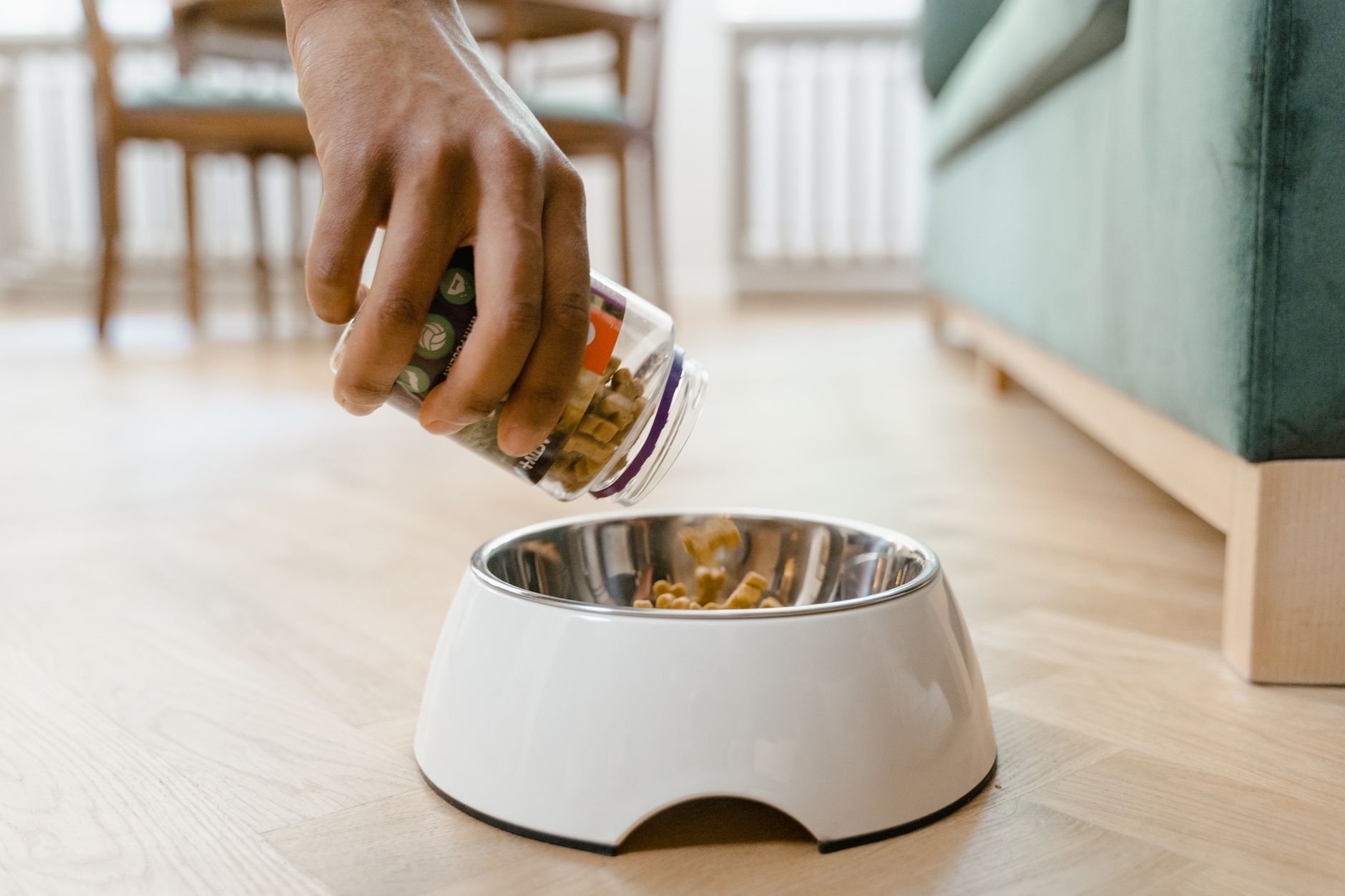
Photo by MART PRODUCTION
Your Day-to-Day Schedule for Happy, Healthy Fostering
Stick to the same routine daily. Dogs from shelters crave it. Consistency drops anxiety and speeds adjustment. Never leave your foster alone over four hours at first.
Build your schedule around these blocks:
- Morning (6-8 AM): Potty break outside, then breakfast with shelter food. Short 10-minute walk after.
- Midday (12 PM): Lunch if twice-daily feeds, plus play or training session. Brush fur and check paws.
- Afternoon (3-5 PM): Two more potty walks, 15-20 minutes each. Toss a toy or practice sit-stay.
- Evening (6-8 PM): Dinner, family time, and a calm wind-down walk. Fresh water always.
- Night (10 PM): Last potty, then crate for sleep.
Adjust for work, but aim for three to four outings. Watch for signs like pacing or whining, which mean more exercise. Positive rewards build good habits. Fosters with set routines see calmer dogs and quicker adoptions. Your steady days turn a shy shelter pup into a confident star.
Handle Tricky Behaviors and Build Good Habits with Kind Training
Fostering is about shaping behavior with patience and consistency. You’ll see progress in days or weeks, not months, as your foster dog learns safety, trust, and new routines. The most effective approach combines gentle guidance, high-quality rewards, and steady practice. Below are practical, real-world strategies to curb common troubles and boost social skills, all anchored in positive, reward-based training.
Smart Ways to Curb Chewing, Barking, and Other Puppy Problems
Chewing, barking, and overstimulation are all signals a dog is learning to navigate a busy world. The fastest fixes rely on clear communication, appropriate outlets, and timely rewards.
- Focus on positive reinforcement. Reward the exact moment your foster dog does the right thing, like chewing a designated toy instead of your shoe. This builds a reliable association between the reward and the behavior you want.
- Redirect with high-value toys. When the pup grabs something off-limits, calmly offer a sturdy chew toy or a stuffed treat. Avoid anger or punishment; a calm redirection teaches self-control without creating fear.
- Short, frequent training bursts. Aim for 5 to 10 minutes, several times a day. Short sessions keep attention high and reduce frustration for both of you.
- Use consistent cues. Simple commands like “sit,” “leave it,” and “crate” create a predictable structure. Pair cues with a calm tone and a reward to reinforce the right response.
- Manage barking with desensitization. If a neighbor’s dog barking triggers yours, start far away and reward quiet moments. Gradually decrease the distance as calm behavior becomes automatic.
- Gentle social exposure. Introduce new sights and sounds in brief, controlled doses. Reward calm behavior with treats and praise, then gradually increase exposure.
Real-world scenario: A two-month-old foster puppy was nipping hands during play and barking at door knocks. We used a “bite inhibition” plan: switching to a chew toy at the first nip, rewarding quiet behavior with small treats, and adding a 30-second window of supervised play before moving to a new task. Within a week, play sessions shifted from mouthing to gentle mouth avoidance, and barking decreased when visitors arrived.
Key takeaway: celebrate small wins with plenty of praise, and keep a steady supply of fresh, engaging toys to prevent boredom-driven mischief. The latest training trends favor positive reinforcement, consistent cues, and incremental challenges that fit a foster’s pace.
Image
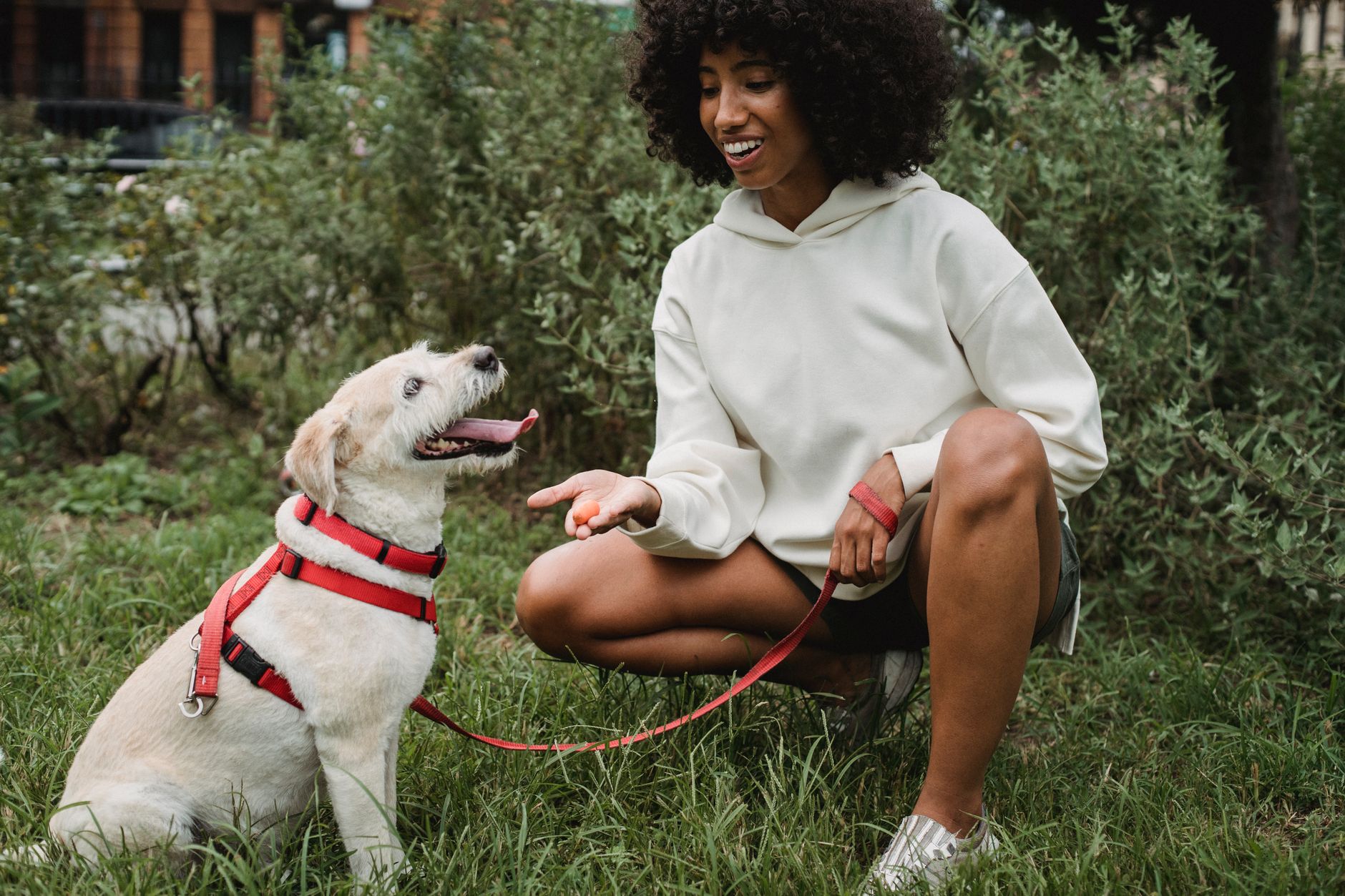
Photo by Samson Katt
Socialize and Train for a Brighter Adoption Future
Socialization is the doorway to a confident, adoptable dog. It’s not about forcing interactions but about guiding the dog through positive experiences that build trust with people, other dogs, and the world around them.
- Start with controlled exposures. Introduce your foster to a variety of people, pets, and environments in short, positive sessions. Always reward calm, friendly behavior.
- Teach essential commands. Basics like sit, stay, come, leave it, and leash manners provide structure and safety, especially for new adopters.
- Include home reinforcement. Practice new skills in the living room, yard, and during walks. The more you practice, the more reliable the behavior becomes for the adopter.
- Group training when offered. If a rescue runs group sessions, join. It helps dogs generalize cues across different people and settings.
- Track progress and share it. Quick notes or brief videos of progress can be powerful for adopters who want to see how the dog learns and responds.
Real-world scenario: A shy terrier mix initially hid behind a crate during meet-and-greets. We worked on a plan that combined short, friendly introductions with sit and watch routines. Each successful encounter earned a treat. After two weeks, the dog approached people with a wagging tail and accepted gentle pats, making it a strong candidate for an adopter who wanted a quieter, affectionate companion.
Progress photos matter. They capture the dog’s growth and help potential adopters visualize life with the dog. When you post updates, include a mix of teachable moments and relaxed, happy behavior. This transparency speeds adoption and makes the journey rewarding for you and the dog.
High-level guidance for 2026 shows positive reinforcement remains the most successful method. Short daily sessions, consistent cues, and varied exposures create reliable, adoptable dogs. The focus stays on building trust and shaping behavior with kindness, not punishment.
Remember, adopting a dog is a team effort. Your steady routine, patient guidance, and honest progress updates are the anchor that helps your foster dog transition to a forever home with confidence.
Keep Your Foster Dog Healthy and Spot Problems Early
A healthy foster dog is a happy, confident companion who’s ready for a forever home. The daily rhythm you establish helps catch issues before they become emergencies. It also keeps your foster dog comfortable, reduces stress, and makes adoptions smoother for the rescue team. Use simple, reliable checks every day and have a quick plan for vet visits. The goal is to protect health, speed recovery from stress, and spot problems early so you can act fast.
Daily Health Checks and Vet Visit Essentials
What to watch
Make a quick, calm scan each day. Look for changes in appetite, energy, coat condition, and bathroom habits. A tired or withdrawn dog, a loss of interest in food, or a sudden dip in activity can signal illness. Keep an eye on the coat for fleas, ticks, sores, or excessive shedding. After meals and play, do a full body check for limp or painful areas, lumps, or swelling. Note any coughing, vomiting, or diarrhea right away. Mild changes can be part of adjustment, but persistent or worsening signs deserve attention.
- Coat and skin: shine, hair loss, fleas, sores
- Appetite and energy: eating, drinking, enthusiasm for activities
- Stool and urine: consistency, frequency, blood or mucus
- Behavior: alertness, social interaction, signs of pain
Meds, transport, and vaccines
Most fosters have a care plan from the rescue. Administer any prescribed medications on schedule and track doses. If you suspect a reaction or missed dose, contact the rescue immediately. Keep a transportation plan ready for vet visits—drive yourself or arrange a trusted ride. Vaccines and deworming are part of routine foster care. Follow the rescue’s schedule and bring any medical records to visits so the vet can see what’s been done.
- Bring proof of vaccination and microchip status when you go
- Have handy the foster agreement, vet contact, and emergency numbers
- Use the rescue’s recommended deworming and parasite prevention plan
When to call the rescue
Reach out the moment you notice red flags. Immediate communication helps the shelter provide guidance or arrange urgent care. Call if you see dehydration, persistent vomiting, signs of severe pain, seizures, or a sudden behavioral change that lasts more than a day. If you must seek urgent care outside business hours, follow the rescue’s emergency protocol and keep their contact handy.
Typical urgent signals:
- Not eating or drinking for 24 hours
- Lethargy, collapse, or unresponsiveness
- Repeated vomiting or bloody stool
- Severe coughing, labored breathing, or inability to walk
Essential vet visits, vaccines, and ongoing care
Treat foster dogs as if they’re part of your family with proactive care. Schedule an initial intake exam, then plan wellness checks every 6–12 months or as recommended. Core vaccines should be up to date, and monthly parasite prevention is standard. Deworming and stool checks help catch intestinal issues early. Microchips and dental screenings round out the standard care.
- Wellness exams at intake and periodic rechecks
- Core vaccines and age-appropriate boosters
- Deworming, parasite prevention, and Giardia tests if needed
- Microchip, dental evaluation, and baseline labs when feasible
Keeping a simple daily routine and clear lines of communication with your rescue makes spotting problems early second nature. Your vigilance protects the dog you’ve opened your home to and sets them up for a smooth, confident transition to adoption.
Steer Clear of Common Fostering Pitfalls and Guide to Adoption
Fostering a dog is a powerful way to save lives, but it comes with a few predictable missteps. The good news is that most pitfalls are preventable with simple, consistent routines and clear communication with your rescue. In this section, you’ll find practical avoids and proven strategies to keep your foster journey smooth, enjoyable, and focused on finding the perfect forever home.
Pitfalls That Trip Up New Fosters and How to Dodge Them
No prep, inconsistent routines, rushed introductions, late reports, and impatience tend to show up early for many first-time fosters. Here’s how to dodge each one with practical, human-centered steps.
- No prep (Not setting up your space right)
- Pitfall: A dog arrives to chaos, increasing the risk of chewed cords, spills, or injuries.
- How to avoid: Puppy-proof before pickup. Create a quiet, safe zone with a crate or gated area, secure cords, and remove valuables from reach. Have a basic supply setup on hand so you’re not scrambling when the dog arrives. This consistency reduces fear and speeds adjustment.
- Inconsistent routines
- Pitfall: Erratic walks, meals, and potty breaks stress a shelter dog and trigger unwanted behaviors.
- How to avoid: Establish a simple, repeatable schedule from day one. Include set meal times, potty breaks, short play sessions, and a predictable wind-down routine at night. Consistency builds trust and helps the dog learn faster.
- Rushed introductions
- Pitfall: Too many new people or pets at once can overwhelm a foster dog and trigger fear or defensive behaviors.
- How to avoid: Stagger introductions. First, keep the dog with your immediate family, then gradually add other pets and visitors. Supervise every meeting and separate meals and high-value items to prevent resource guarding.
- Late reports
- Pitfall: Missing updates leaves the rescue in the dark and delays risk assessment or adopter matching.
- How to avoid: Make quick daily notes about appetite, energy, potty, and mood. Send a weekly progress update and flag any concerns early. Clear lines of communication save time and improve outcomes.
- Impatience
- Pitfall: Pushing for fast results ignores a dog’s stress and pace, which can backfire with regressive behavior.
- How to avoid: Give the dog time to adjust. Align foster choices with your lifestyle and energy level. Celebrate small wins and stay patient as the dog learns new cues, manners, and routines.
By keeping prep, routine, and communication at the center, you reduce stress for you and the dog, while boosting the chance of a smooth transition to adoption. Local rescues typically provide supplies and support, so lean on them when needed and stay focused on the dog’s comfort and progress.
Help Your Foster Dog Land Their Forever Home
Adoption success hinges on visibility, stories, and the right match. This part helps you turn everyday moments into compelling updates that attract adopters and highlight the dog’s best traits.
- Sharing stories and events
- People connect with real, joyful moments. Post short, authentic updates showing the dog learning a new trick, enjoying a park visit, or snuggling during downtime. Include a few easy-to-duplicate tips for adopters, like how the dog responds to cues or routines.
- Highlight milestones: house training progress, comfortable meet-and-greets, and gentle interactions with kids or other pets. Real-time progress photos and short clips build trust and accelerate interest from potential adopters.
- Promote meet-and-greets: Coordinate with your rescue to set up measured, low-pressure meet-and-greets. Group events or pop-up adoption days can broaden exposure and introduce the dog to families in a relaxed setting.
- Events and meet-and-greets
- Attend adoption events when scheduled by the rescue. Your presence with a calm, well-behaved dog helps potential adopters picture life together.
- Prepare a brief, friendly script: the dog’s quirks, favorite activities, and a couple of easy training wins. Authenticity goes a long way.
- Lifestyle matching for faster adoptions
- Work with coordinators to align dogs with families who share compatible energy and routines. A good match reduces returns and speeds up the adoption timeline.
- Use a simple, human-centered approach: describe the dog’s daily life, exercise needs, and typical day with your family. Prospective adopters appreciate clear pictures of life with the dog.
- The power of photos and updates
- Bright, well-lit photos near natural light show the dog in a positive, comfortable setting. Include a mix of candid moments, like a sniff in the yard or a cozy nap on the couch.
- Keep captions upbeat but honest. Mention what the dog loves, such as belly rubs or short strolls, and note quirks with a light touch. This helps adopters plan for a good fit.
- A quick example of momentum
- A foster shared a few bright yard photos and a short video of a lab mix performing a reliable sit. The post drew attention from several meet-and-greet requests within days. The dog found a perfect active family and went home quickly.
- Final tip: communication with the rescue
- Stay in touch with your rescue about updates, adopter feedback, and any changes in the dog’s behavior or health. The rescue handles the rest of the adoption process, but your honest, timely progress notes keep the path clear.
Follow these practices, and your foster dog will shine in the eyes of adopters. A well-documented story paired with real-life progress makes the dog memorable and ready for a loving home. If you can, attend events, share updates, and help families see themselves in the dog’s life. The result is faster adoptions and happier endings for more dogs.
Conclusion
Fostering a dog is a powerful act that helps shelters clear space, speeds adoptions, and changes a dog’s life in weeks, not months. The core ideas stay simple: prepare your home, build a steady routine, and use gentle training to guide behavior toward trust and good manners. When you recap what you and your foster dog learn together, you create a story that adopters can picture in their own lives.
In 2026, fostering remains a practical, hopeful answer to shelter crowding. Local rescues often provide supplies, vet support, and training, making it easier to open your home without overburdening your budget. The trend toward structured, compassionate foster programs shows up in better matching, clearer progress updates, and faster adoptions, which benefits every dog who needs a second chance.
If you’re ready to make a lasting difference, contact your local rescue and start an application today. Their coordinators can help you find a dog whose needs fit your lifestyle, and many programs offer training and ongoing support. Start an application and begin sharing your foster dog’s progress; your updates could spark a family’s next joyful adoption.
Back to Pet Tips