
Tips of Dogs’ Ears Are Crusty: Causes and Fixes
Back to Pet Insurance By State
You pet your dog’s ears during a routine cuddle session. But something feels off. The tips of dogs ears are crusty, covered in dry, flaky, or scabby skin that wasn’t there before.
This issue hits many dog owners hard. It shows up as rough patches at the ear edges. Left alone, it can lead to pain, scratching, and worse infections.
Quick action matters a lot. Allergies top the list as the leading cause of ear problems in dogs. They spark itching and inflammation that turns into crusty tips fast.
Don’t worry, though. You’ve come to the right spot. This post breaks down the common causes like allergies, mites, and fly bites.
We’ll spot the key signs to watch for. Then share safe home fixes you can try right away. Plus tips on prevention and when to call your vet.
By the end, you’ll know how to help your pup feel better. No more guessing. Just clear steps to clear ears.
What Causes Crusty Tips on Your Dog’s Ears?
Crusty tips on your dog’s ears point to irritation that builds up over time. When the tips of dogs’ ears are crusty, it often stems from everyday triggers like allergens or moisture buildup. Your pup scratches or shakes its head, which worsens the flakes and scabs. Pinpointing the cause helps you act fast and ease the discomfort. Let’s break down the most common reasons.
Allergies: The Top Culprit for Itchy, Crusty Ears
Allergies hit hard and fast. Food ingredients like beef or chicken spark reactions in sensitive dogs. Pollen, dust mites, or even grass send the immune system into overdrive. This causes inflammation that makes ears red and swollen. Your dog itches nonstop, scratches the tips raw, and scabs form from the constant rubbing.
Watch for head shaking or pawing at the ears. They might rub against furniture or carpet too. Floppy-eared breeds like Labrador Retrievers and German Shepherds trap allergens and moisture, making it worse.
Breeds such as Cocker Spaniels and Dachshunds face higher risks due to genetics. To spot allergies, check if the crust lacks odor or thick discharge. Track diet changes or seasonal flares. A quick skin test at the vet confirms it.
Infections and Parasites That Thrive in Dog Ears
Warm, moist ears invite trouble. Yeast infections grow in the folds, producing a yeasty smell and brown, waxy discharge. Bacteria join in, turning tips crusty with pus-like buildup. Dogs tilt heads or yelp from pain.
Fleas and ear mites hide in there too. Fleas bite and cause allergic itch, leading to scabs. Mites create dark, coffee-ground crusts, especially in puppies. Unlike allergies, infections bring a foul odor and sticky ooze. Shake debris falls out when you gently clean.
Floppy ears in Labs or Spaniels hold moisture, breeding these pests. Differentiate by smell and gunk; allergies stay dry and odor-free. A vet swab sorts it out quick.
Diet and Breed Factors Playing a Role
Skimp on nutrition, and skin suffers. Diets low in omega-3 fatty acids dry out the skin, cracking ear tips into crusts. Add salmon oil or fish-based kibble to rebuild moisture from within.
Certain breeds carry the trait. Cocker Spaniels, Yorkies, and Dachshunds deal with ear edge dermatitis, where tips thicken and flake from genes or poor oil balance. Labs and German Shepherds get hit by moisture plus allergies.
Rarer issues like injuries from bites, seborrhea flakes, or frostbite on thin tips add scabs too. Fix diet first: switch to omega-rich food in a week. See flakes soften as skin heals. For breeds, gentle wipes prevent buildup. Vet checks rule out deeper problems.
Signs Your Dog’s Crusty Ear Tips Need Attention Now
When the tips of dogs’ ears are crusty, small flakes or scabs signal trouble brewing. Your pup might act fine at first, but these spots often mean irritation from allergies, infections, or parasites we covered earlier. Spot them early to stop pain and bigger issues. Pay close attention to changes in look and behavior. A quick home check reveals if it’s time for action.
Spot These Telltale Symptoms Right Away
Look for scabs and flaking along the ear edges. They crack off easily, leaving raw skin behind. Redness swells the tips, sometimes with heat when you touch them. A foul smell, like stale corn chips or yeast, points to discharge building up.
Your dog may tilt its head to one side or shake it nonstop. Watch for scratching at the ears or rubbing them on rugs and furniture. Hair loss around the base shows constant pawing. These match yeast or bacterial growth in moist folds, or mite debris like coffee grounds.
Other clues include yelps when you pet the ears, waxy buildup, or even balance wobbles. Picture a photo here: a close-up of a floppy ear tip with yellow crusts and red skin flakes for stark contrast.
Check Your Dog’s Ears Safely at Home
Grab a flashlight and stay gentle. Part the fur on the ear flap to inspect for crusts, redness, or gunk. Sniff close but don’t force it; note any odor. Feel the base lightly for swelling or warmth, but stop if your dog pulls away.
Observe over a day. Does it scratch more? Tilt during walks? Never poke deep with swabs; that risks damage. Wipe outer tips with a soft cloth and vet-safe cleaner if clean. These steps tie back to allergy dryness or infection ooze without guesswork.
Mild Case or Urgent Vet Trip?
Know when to act fast. Use this guide to sort it out.
| Mild Signs | Urgent Signs (See Vet Now) |
|---|---|
| Light flakes, no smell, mild itch, ears feel okay to touch | Thick scabs, bad odor, heavy shaking, head tilt, pain yelps, hair loss, or balance loss |
| Might improve with home care in days | Needs pro cleaning, meds; risks ear damage or spread |
Mild crusts from diet gaps often ease with wipes and better food. Urgent ones from mites or deep infections demand a vet swab and drops. Don’t wait if both ears hurt or discharge flows. Your quick spot check builds peace of mind, but pros confirm the fix. Act now, and your dog bounces back happy.
Safe Home Remedies to Clean and Soothe Crusty Ear Tips
When the tips of dogs’ ears are crusty, mild cases often respond well to simple home remedies. These natural options soften flakes, fight minor bacteria, and calm irritation. Stick to gentle methods for outer cleaning only. Start with a vet-approved ear cleaner if you have one, or pick from the remedies below. Never use swabs, peroxide, or alcohol; they irritate or push debris deeper. Test any solution on a small skin patch first. Use on floppy-eared breeds like Labs or Spaniels with extra care, as they trap moisture easily. Try for 2-3 days max; stop if it worsens and call your vet.
Step-by-Step Ear Cleaning Basics
Clean ears right to make remedies work better. Follow these steps once or twice a day for mild crustiness.
- Gather cotton balls, a clean cloth, your chosen solution, and treats. Skip swabs completely.
- Wipe the outer ear flap first with a damp cotton ball soaked in vet-approved cleaner or mild saline.
- Add 4-5 drops of your remedy into the ear canal using a dropper.
- Massage the base firmly but gently for 20-30 seconds. You will hear squishing as it loosens gunk.
- Let your dog shake its head hard to fling out debris.
- Wipe away leftovers with a fresh cotton ball. Praise and treat your pup.
Dry the outer tips well after. This routine clears crust without harm. For floppy ears, lift them slightly during massage to reach folds.
Top Natural Remedies That Actually Work
Pick one based on your dog’s needs. All soothe crusty tips and suit mild issues. Dilute as noted and warm oils to lukewarm on your wrist first.
Here is a quick look at the best ones:
| Remedy | Pros | Cons | How to Use |
|---|---|---|---|
| Apple Cider Vinegar (ACV) | Balances pH, fights yeast and bacteria | May sting raw skin | Mix equal parts ACV and water (or 1:9 for sensitive ears). Use as cleaner. |
| Coconut Oil | Moisturizes, kills microbes gently | Leaves grease if too much | Warm a few drops; apply after basic clean. |
| Olive Oil | Loosens wax, soothes fast | Greasy buildup possible | Warm drops; great for dry flakes. |
| Witch Hazel | Super mild, no pH shift | Less strong against germs | Dab straight on outer tips. |
| Green Tea Rinse | Calms swelling, cleans easy | Takes time to prep | Brew strong, cool fully; use as rinse. |
Start with ACV mix for itchy crusts or coconut oil for dry ones. Apply after your basic clean. Rinse with water if needed. Watch closely; most dogs relax after a few tries. Calendula tincture or grapefruit seed extract in aloe works too for healing, but dilute heavy (1 drop per ounce).
These fix light cases quick. If no change in 2-3 days, or you see pus, smell, or pain, head to the vet. Your pup’s ears stay happy and clear.
Prevention Tips to Keep Your Dog’s Ears Crust-Free
Keeping crusty ear tips at bay is about consistent, simple habits you can fit into daily life. By drying ears after baths or swims, doing quick weekly checks, and supporting your dog’s skin from the inside out, you can reduce itchiness, odors, and the need for medical treatments. Below are practical, vet-aligned steps you can start today.
Drying ears after baths and swimming
Moisture is the main enemy of healthy ears. After any bath or water activity, dry the ears thoroughly and consider light moisture control inside the outer ear.
- Pat dry with a soft towel and gently remove water from the ear opening.
- If your veterinarian approves, use a small amount of an ear-drying solution to evaporate trapped moisture in the ear canal.
- For floppy-eared breeds, lift the ear to air the folds and ensure the inner skin dries completely.
[Image: A close-up of a grooming session focusing on ear care.]
Photo by Gustavo Fring (https://www.pexels.com/@gustavo-fring)
Weekly checks and cleaning routine
Regular checks help catch problems early before crusts become thick or painful.
- Inspect the outer ear for redness, discharge, or a foul smell.
- Clean the outer ear with a vet-approved cleaner; avoid deep probing and never use alcohol or hydrogen peroxide on the ear canal.
- Keep a simple routine: wipe the entrance, then gently wipe away any buildup with a cotton ball or gauze.
Trim ear hair where appropriate
Excess ear hair can trap moisture and debris in the ear canal.
- Only trim outside the ear canal, not inside, and follow your vet’s guidelines.
- If your dog has a lot of ear hair, schedule regular trims with a groomer or vet.
Allergy management and diet adjustments
Allergies are a common driver of crusty ears, so address triggers where you can.
- Work with your vet to identify allergens via tests or elimination diets.
- Consider hypoallergenic or limited-ingredient options if a food reaction is suspected.
- Maintain year-round parasite prevention to minimize secondary itching from bites.
Omega-rich nutrition for long-term skin support
Skin health starts from what your dog eats.
- Include omega-3 rich foods or supplements as advised by your vet.
- A balanced diet supports the skin and ear lining, reducing dryness and fragility.
Special considerations for floppy-eared breeds
Breeds with droopy ears tend to trap moisture more readily.
- Emphasize thorough drying and regular cleaning in these dogs.
- Monitor for signs of infection or irritation and respond quickly with veterinary guidance.
Long-term skin health habits for crust-free ears
Consistency is key to prevention.
- Schedule monthly or bi-monthly vet checks if your dog has chronic ear issues.
- Keep up with preventive care for parasites, skin conditions, and seasonal allergies.
- Use gentle, non-irritating cleaners and follow the exact product directions.
By integrating these practical daily habits, you’ll minimize crusty ear tips and keep your dog comfortable, active, and full of energy.
When Home Fixes Aren’t Enough: Vet Care for Crusty Ears
When you notice crusty tips on your dog’s ears, it’s easy to reach for home remedies and quick fixes. Some problems respond to simple care, but others require a professional evaluation to prevent lasting damage. This section outlines when home treatment stops helping, what a vet will do, and how to decide if urgent care is needed.
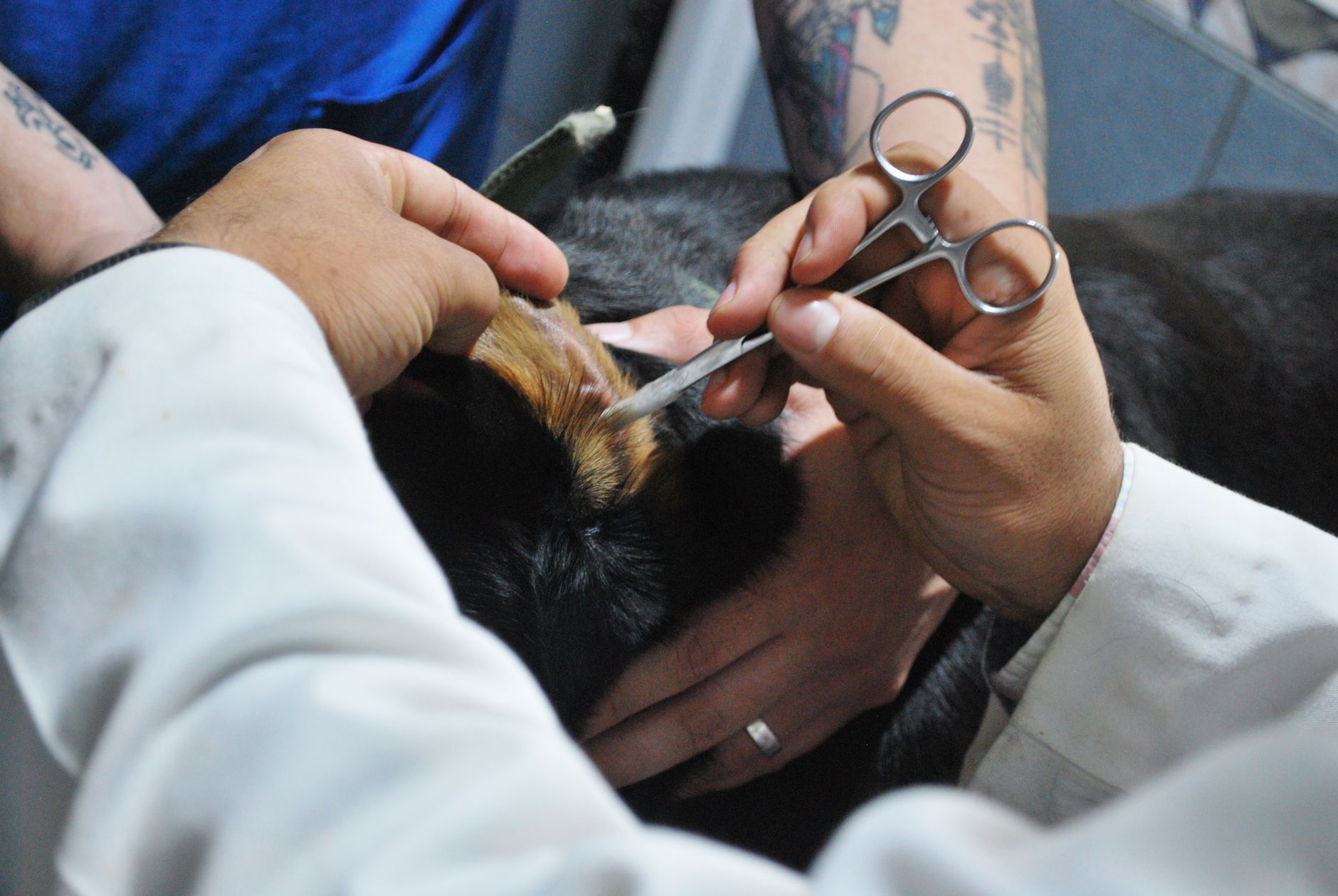 Photo by Ermelinda Maglione
When to seek veterinary care promptly
Home care can ease mild crusting, but red flags demand quick veterinary attention. You should see a vet if crusts persist after a few days of gentle cleaning, or if you notice pus, a foul odor, redness, swelling, or bleeding. Pain is a clear signal that the problem is moving beyond simple irritation. If your dog stops enjoying routine activities, starts head tilting, or shows balance issues, that’s another reason to schedule a visit.
Urgent care is warranted if you see any of these in either ear:
- Thick, dark or foul-smelling discharge
- Severe redness, swelling, or heat around the ear edges
- Pus or blood crusts that don’t improve with cleansing
- Acute pain when touched or yelping during ear handling
These signs can indicate infections, parasites, or allergic reactions that need prescription treatments. Don’t delay—early intervention reduces the risk of complications and speeds recovery.
What to expect during a veterinary visit
A vet starts with a focused ear and skin exam, looking for signs of infection, parasites, or dermatitis. They may perform:
- Ear swabs or cytology to identify bacteria, yeast, or mites
- Skin scrapings for mites or other parasites
- Allergy testing or dietary trials if allergies are suspected
- Blood work if systemic issues are a concern
Treatment is tailored to the cause. Infections typically require cleaners, topical or oral medications, and anti-inflammatory support. Allergies may trigger a plan that includes meds, a diet change, and an elimination trial. If mites or parasites are found, you’ll get targeted meds and home-cleaning guidance. The goal is clear ears and a comfortable dog.
Costs and a practical decision guide
Costs vary by location and the issue, but you’ll often pay for an exam with basic tests first. Expect an upfront estimate that covers examination time, tests, and a treatment plan. If allergies are the culprit, expect a longer process with follow-up visits and possible dietary changes. If infections or parasites are found, medications and cleaning protocols add to the bill.
Deciding between home care and a vet visit hinges on progress. If there’s no improvement after 2–3 days of careful cleaning, or if red flags appear, it’s time to book a visit. Quick professional input saves pain for your dog and prevents complications down the road.
Conclusion
The path to clearer ears lies in recognizing the signs, trying safe home remedies, and knowing when to seek veterinary guidance if the tips of dogs ears are crusty persist or worsen. By pinpointing likely culprits such as allergies, infections, and parasites, you can tailor simple steps that soothe irritation, reduce moisture, and support healthy skin.
Consistent prevention, drying ears after baths, regular cleanings, and omega rich nutrition—keeps these crusty edges from returning and helps your dog feel comfortable again. If home care isn’t making a difference after a few days, or you notice discharge, strong odor, or pain, a visit to the vet speeds relief and prevents complications. Share your dog’s ear story in the comments and check your pup’s ears today; with careful care, a happy, healthy pup is always within reach.
Back to Pet Tips