
Saving Animals from Euthanasia: Steps You Can Take
Back to Pet Insurance By State
Picture a typical city shelter on a hectic Saturday. Dogs bark from their kennels while cats peer out from cages. Overworked staff race to feed, clean, and match pets with families before space runs out.
In these shelters, euthanasia means a gentle shot to end an animal’s life without pain. They use it as a last resort when crates overflow, teams lack help, or pets suffer from untreatable illness. It’s a tough reality no one likes.
Last year, U.S. shelters took in about 5.8 million dogs and cats. Yet they had to euthanize around 607,000. Those numbers show progress, but plenty of lives still hang in the balance.
You don’t need to adopt to make a difference in saving animals from euthanasia. Regular folks like you can take simple steps right now. This post covers practical ways to help, from fostering to quick donations that count.
Stick around, and you’ll see how your small actions add up to big saves.
How shelter euthanasia decisions really happen (and why it is often preventable)
Shelter staff face tough calls every day. They juggle overcrowding, too few fosters, limited medical spots, behavior worries, and animals who stay too long. These pressures drive most euthanasia choices. Policies vary by city, county, private rescue, or open-intake shelter. In 2024, U.S. shelters took in 4.8 to 5.8 million dogs and cats. Adoptions hit 4.2 million, transfers reached 733,000, and returns to owners added hundreds of thousands more. Euthanasia dropped to around 748,000, thanks to rising community help. Your support in saving animals from euthanasia can shift those numbers even further.
The biggest pressure points, space, time, and treatable problems
Capacity means the max number of animals a shelter can house at once. Think concrete kennels and cages that fill up fast. Length of stay tracks how long each pet waits for a home, adopt, or foster spot. Longer stays mean less room for newcomers.
Certain pets sit at higher risk. Large dogs need big spaces that run out quick. Shy cats hide and stress out in noisy rows of cages. Medical cases tie up isolation areas. Seniors move slow and face health dips. Bonded pairs count as two but share one spot.
A quick bug or kennel stress can make things look bad. That cough worsens in a cold draft. A friendly dog snaps from constant barking next door. Give them extra days or a quiet foster home, and they bounce back. Staff see this all the time. More fosters free up space. Donations cover vet bills. These steps turn at-risk into adoptable.
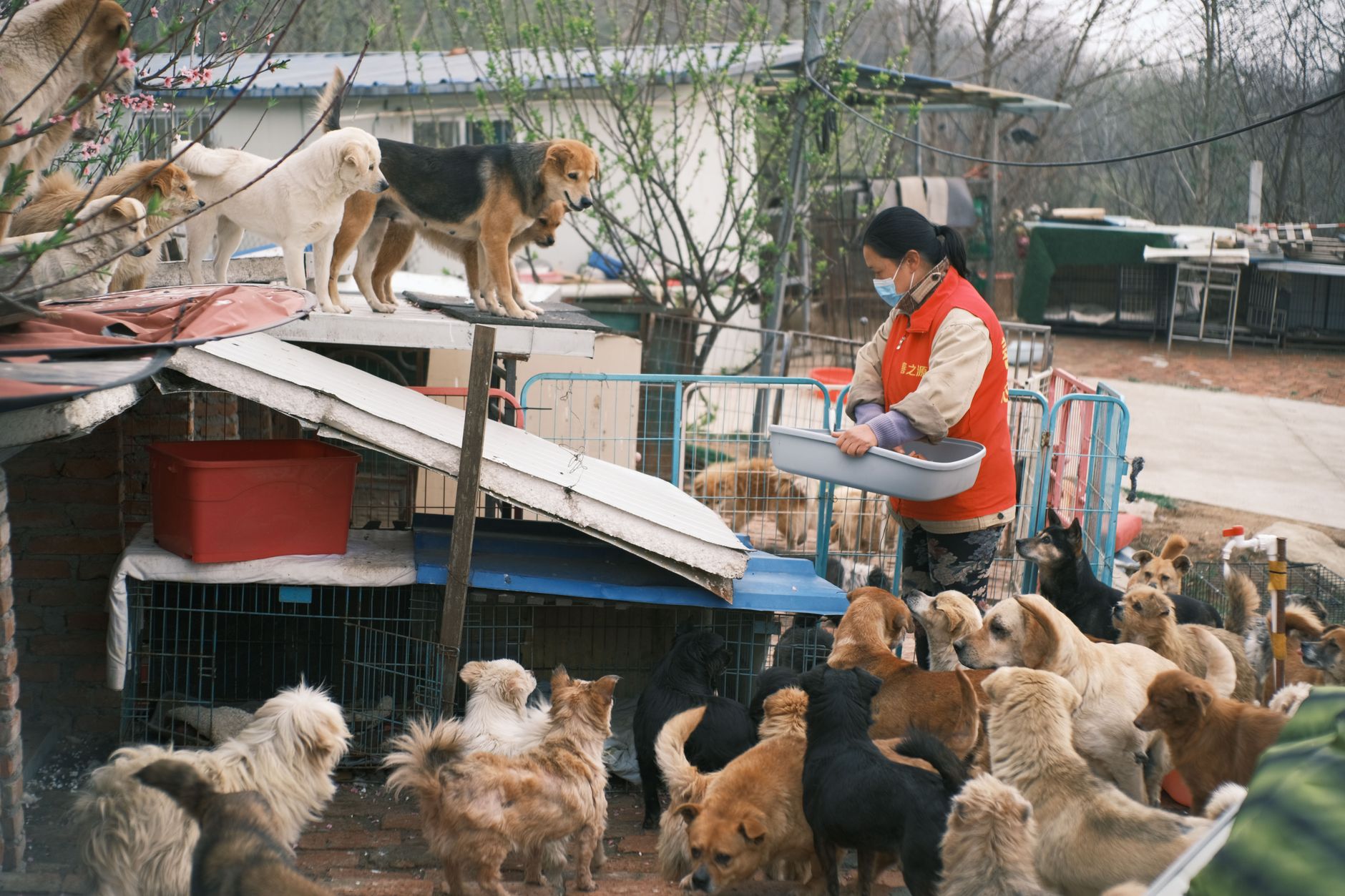
Photo by Mia X
Open-intake vs rescue groups, why some shelters cannot just say no
Open-intake shelters must accept every stray or owner surrender. No questions asked. This floods them with animals, spiking overcrowding and euthanasia risk. They handle strays from streets, cruelty cases, and family handoffs during moves or tough times.
Limited-intake rescues pick cases that fit their focus, like small breeds or heartworm treatment. They wait for space or fosters. Both types save lives, but open-intake ones feel the squeeze hardest.
Chat with your local shelter without blame. Ask: “What fills your kennels most?” Or “How can fosters help right now?” “Do you need towels or bleach?” These questions show support. Learn their intake rules and peak days. Your input helps them plan.
When euthanasia is the kind choice, and why that is different
Sometimes euthanasia ends real suffering. A cat with late-stage cancer or a dog hit by a car needs peace now. Staff check X-rays, run tests, and talk it over. This act shows mercy, not defeat.
Resource shortages cause other cases. Both hurt, but the merciful ones stand apart. Focus your energy on the preventable ones. That’s where community steps save the most.
The fastest ways to save animals this month, even if you cannot adopt
You want to help saving animals from euthanasia right now, but adoption isn’t on the table. Good news. Quick actions like fostering or volunteering free up kennels fast and make pets shine for new homes. These steps cut overcrowding and speed adoptions. Most take just a few hours a week. Pick one that fits your schedule, and watch the impact grow. Local shelters need this help every day.
Fostering is the number one space-maker (and it can be short-term)
Fostering tops the list because it clears kennels immediately. One dog or cat in your home means room for a new intake that might face euthanasia otherwise. Plus, pets relax away from shelter noise. They eat better, play more, and show their sweet side. Staff spot hidden gems this way.
Try these short-term options to start small:
- Weekend foster: Take a pet Friday to Sunday. Time needed: 2-3 days. Impact: High. Refreshes stressed animals and tests home life.
- Medical foster: Care for sick ones post-treatment. Time needed: 1-2 weeks. Impact: Saves lives by freeing medical bays.
- Puppy or kitten foster: Handle litters until weaned. Time needed: 4-8 weeks. Impact: Huge, as babies fill shelters fast.
- Vacation foster: Give a break to long-timers. Time needed: 1 week. Impact: Boosts energy for photos and meets.
New to this? Use this simple checklist before signing up:
- Home setup: Secure yard or safe room. No hazards like loose wires.
- Time: 2-4 hours daily for walks, play, and cleaning.
- Other pets: Up-to-date vaccines and calm intros planned.
- Supplies: Crate, bed, leash. Shelters provide food, meds, and vet care.
Contact your local shelter today. They match you to easy cases. Many first-timers love it and stick around.
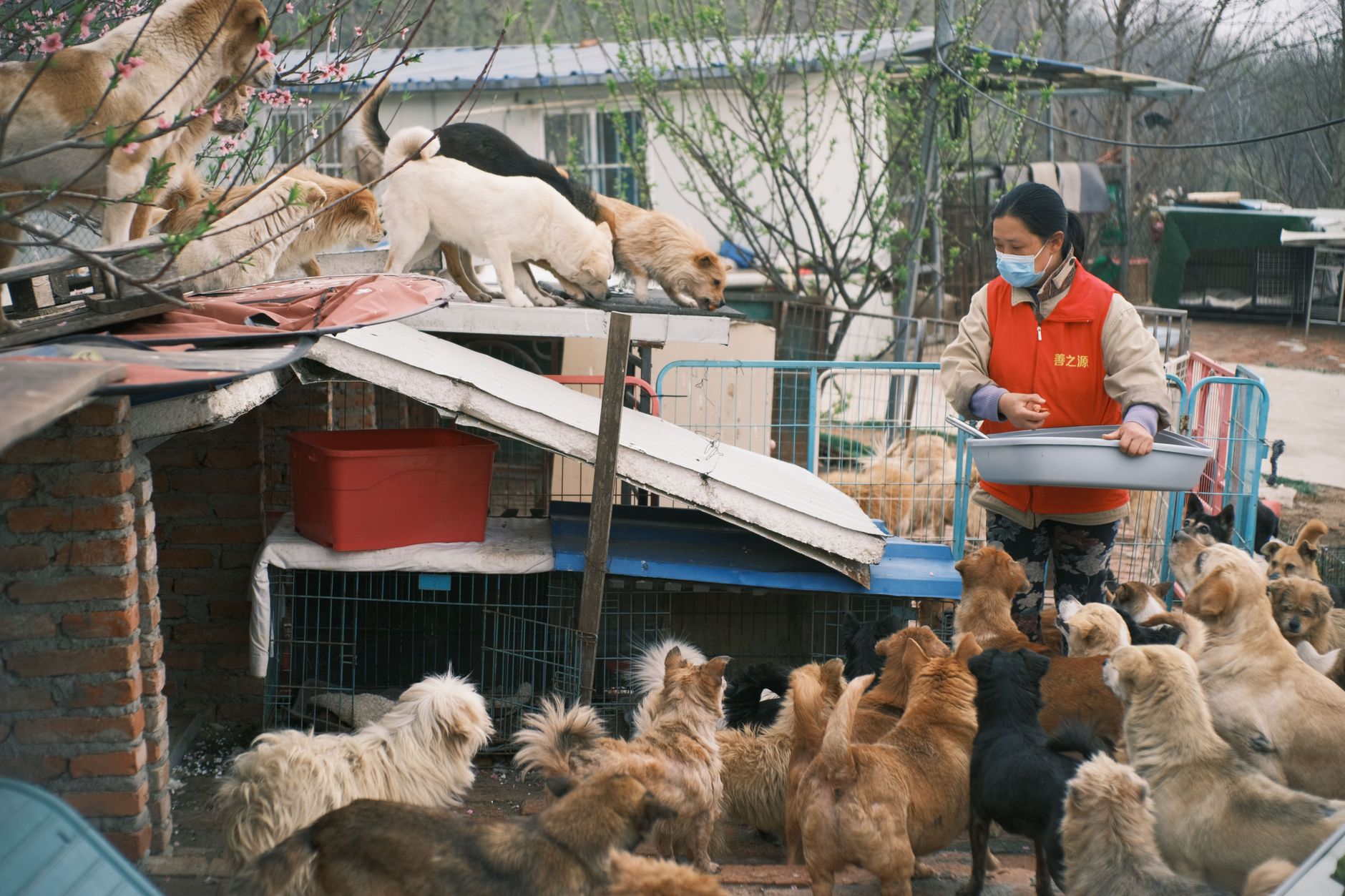
Photo by Mia X
Volunteering that boosts adoption, photos, walks, and basic training
Volunteering at the shelter makes pets stand out. You help them look and act adoptable. Tasks take 1-4 hours per shift. Impact hits adoption rates right away by cutting stress and showcasing personalities.
Here are high-value jobs anyone can do:
- Dog walks: 30 minutes daily. Clears energy so dogs greet visitors calm. Less barking means more interest.
- Kennel breaks: 15-minute play sessions. Relieves cabin fever. Happier pets draw families.
- Cat social time: Sit and cuddle for an hour. Builds confidence in shy ones.
- Bright photos: Snap clear shots with toys. Good pics double views online.
- Short bios: Write fun facts. Boosts clicks by 50%.
- Basic cues: Teach sit or shake in 20 minutes. Trained pets go home faster.
Example bio: “Meet Max, a 2-year-old lab mix who loves fetch and car rides. He knows sit and waits for treats like a pro.”
Sign up for one shift this week. Bring your phone for photos. Shelters train you quick.
Using your voice and your network without causing harm
Share pets online the right way. Smart posts drive traffic to shelters without drama. Always add shelter ID numbers, adoption fees, behavior notes, and honest traits like “needs quiet home.” Skip staff names or panic words. That builds trust.
Copy this template for Facebook or Nextdoor:
“Urgent! Shelter ID #12345: Luna, sweet 3-year-old shepherd mix. Great with kids, knows sit. $50 fee. Honest note: Working on leash skills. Apply at [shelter link]. Help save her today!”
Reach locals first:
- Post in neighborhood apps.
- Share at work Slack or bulletin boards.
- Ask faith groups or PTAs to repost.
Time needed: 10 minutes per post. Impact: One share can spark an adoption. Do it weekly for steady wins.
Donations that matter most, targeted giving instead of random items
Cash beats stuff every time. Blankets pile up, but money pays vets and vaccines. Focus on what clogs kennels: medical bills and spay/neuter. Time needed: 5 minutes to give. Impact: Funds one surgery or transport that saves spots.
Top targets:
- Medical funds: Cover treatments for coughs or injuries.
- Vaccines and spay/neuter: Prevent litters and sickness.
- Foster supplies: Gas cards or crates.
- Transport costs: Move pets to no-kill spots.
- Enrichment toys: Keep minds sharp for better behavior.
Raise funds easy:
- Birthday pool: Ask for $20 shelter gifts.
- Workplace drive: Match donations up to $100.
- Sell old towels locally, donate proceeds.
Check Shelter Animals Count for hot needs. Your $25 pays for flea meds that clears a pup for home. Start small, give monthly.
Stopping the flow, spay and neuter, lost pet returns, and community cat solutions
You can save animals from euthanasia by cutting the main reasons shelters fill up: endless litters, lost pets that end up surrendered, and feral cat colonies. These fixes work at the source. They keep pets out of crates from the start. Spay or neuter your own animals first. Then help others do the same. Quick lost-pet reunions empty spots fast. For street cats, smart programs stop the cycle. All this adds up to fewer intakes and more lives spared.
Spay and neuter is still the strongest long-term fix
One female cat and her kittens can spark a flood. She births up to 12 kittens a year. Each female kitten starts at six months. In a few years, that single litter turns into hundreds. Dogs multiply fast too. Unplanned breeding clogs shelters with puppies and kittens. Saving animals from euthanasia starts here.
Low-cost clinics make it easy. Many charge $20 to $100 per surgery. Voucher programs from groups like Best Friends Animal Society partners cover fees for low-income folks. P.E.T.S. runs mobile units that reach rural spots. Local coalitions team up for free days.
Help your neighbors. Offer a ride to the clinic. Book appointments for busy parents. Watch their pets post-op. These small acts prevent litters that overwhelm open-intake shelters.
Real results prove it. High-volume programs drop cat euthanasia by 59 to 91 percent on average. Intake falls 1 to 45 percent. In Riverside County, California, 14,075 surgeries in 2024 cut cat deaths by 4,373. Best Friends funded 50,000 more across states. Start today: Check your area’s low-cost options and spread the word.
Return-to-owner wins, how to help lost pets get home fast
Reuniting lost pets with owners saves lives right away. It frees kennels for true strays. Fewer surrenders mean less crowding and fewer tough calls on euthanasia. About half of dogs and many cats go home when people act quick.
Spot a stray? Check for a microchip first. Scanners at vets or shelters read them free. Make flyers with one clear photo, the pet’s description, and your contact. Post in high-traffic spots like vets, stores, and parks.
Canvas the neighborhood. Knock on doors and ask if they know the owner. Report to local shelters and animal control same day. Share on Nextdoor, Facebook lost-pet groups, and PawBoost. Hold the pet safe at home with food, water, and a quiet spot until claimed.
Prevent this mess upfront. Add ID tags with your phone number. Microchip every pet; it lasts a lifetime. Secure yards with fences at least six feet high. These steps cut surrenders by 30 percent or more.
You can help neighbors too. Print flyers for their missing pet. Scan chips at finders. Fast action gets pets home before shelters step in.
Trap-Neuter-Return for community cats, what it is and why it reduces euthanasia
Trap-Neuter-Return, or TNR, handles feral cats humanely. You trap them in special cages with food bait. A vet spays or neuters, vaccinates, and clips one ear for ID. Then release back to their spot. Fixed cats stop breeding. Colonies shrink over time.
People bust myths quick. TNR does not boost numbers; it stabilizes or cuts them at 70 to 75 percent female sterilization. Euthanasia alone fails long-term. Cats live about five years, so results build slow but steady.
It slashes kitten intake to shelters. Nationally, 57 percent of 1.7 million shelter cats are under five months. TNR keeps them off streets. Riverside’s program helped their 5,000 Cat Challenge succeed by pairing it with fosters.
Start safe. Borrow traps from shelters. Use gloves and follow feeding rules. Partner with experienced groups for vets and training. Programs like those from All About Animals Rescue offer large-scale sessions. Fixed colonies mean 27 percent fewer cats reported by caretakers.
Find your local TNR team online. Volunteer for a trap day. Watch one colony, and you’ll see fewer kittens flooding shelters next spring.
Helping hard-to-place pets get adopted, and keeping them in homes for good
Hard-to-place pets like large dogs, seniors, shy cats, and those with medical needs face the biggest risks in shelters. Recent data shows large dog adoptions dropped 9 percent in early 2025, while seniors and adults lag too. These animals stay longer, eating up space that could save animals from euthanasia. You can change that by picking them for adoption and using smart steps to keep them home. Strong support cuts returns and builds lasting bonds. Let’s look at practical ways to make it happen.
Simple behavior support that lowers returns, routines, decompression, and training help
New pets need time to settle. Call it the first two weeks adjustment. Shelter life stresses them out with noise and strangers. At home, they might hide, chew, or act scared. Give space, and most calm down fast.
Start with a quiet room. Set up a crate with a soft bed and blanket that smells like the shelter. Cover three sides for safety. Feed meals inside to build good vibes. Limit play to short sessions.
Slow intros work best. Keep new pets away from kids or other animals at first. Swap blankets under doors so scents mix. Reward calm with treats.
Use reward-based training. Click a treat or say “yes” right when they sit or stay. Skip punishment; it builds fear. Practice five minutes twice a day.
Ask your shelter about help. Many offer free hotlines, trainer lists, or behavior classes. Programs match you with low-stress pets and check in after adoption. These tools drop returns and save animals from euthanasia by keeping families together.

Photo by Plato Terentev
Common surrender reasons, and the help that can prevent them
People give up pets for fixable issues. Housing moves top the list, then vet bills, allergies, babies, landlord rules, or stress. Vet costs worry 84 percent of folks. You can step in with real fixes.
Seek pet food pantries. Groups like Feeding Pets of the Homeless hand out kibble free. Check Petco Love or local rescues.
For crises like job loss or evictions, try temporary foster. Shelters hold pets 30 to 90 days while you sort things. No shame in it.
Low-cost vet care saves cash. ASPCA partners offer clinics at $20 to $50 per visit. Apps like PetDesk find deals nearby.
New baby? Train calm greetings early. Allergies call for hypoallergenic breeds or air filters. Landlord bans? Pet deposit help from funds like RedRover covers fees.
Behavior stress fades with routines. If rehoming hits, go through shelters. They screen homes better than online posts, which risk bad matches.
Tell friends: Share pantry lists or drive to clinics. One call to a hotline prevents a surrender.
Adoption choices that save more lives, choosing the pet with the highest need
Pick pets at highest risk to save animals from euthanasia. Ask staff, “Who faces the most danger right now?” They know the shy cat in the back or senior dog with a limp.
Older pets bring calm wisdom. Big dogs love laps if you have space. Shy ones bloom in quiet homes. Medical cases just need meds many can handle.
Match your life first. Got a yard? Take the energetic large breed. Apartment dweller? Try a senior cat. Honest fits cut returns by matching needs.
Data backs this. Small dogs adopt faster, but large ones need you. Shelters save 82 percent overall, yet hard cases wait. Your choice frees spots for others.
Friends can help too. Suggest at-risk pets to their networks. Post shelter links with facts like “Senior lab, heartworm clear, loves walks.” One match saves a life.
Conclusion
Shelters saved lives at an 82 percent rate in 2025, up from years past. Your help pushes that higher. Foster a pet for a weekend to free up kennels. Volunteer for walks or photos to speed adoptions. Back spay/neuter clinics to stop litters at the source. Scan chips and post flyers to reunite lost pets with owners fast. Target donations to medical bills or transport for quick wins.
These steps make saving animals from euthanasia real for regular people. They ease overcrowding and match pets to homes that last. Picture those barking dogs and mewing cats from the start of this post. Now they have a shot at backyards and laps.
Contact your local shelter today. Ask what their biggest need is this week. Commit to one step, like a foster trial or a $25 gift. You change the story for one life at a time.
Back to Pet Tips