
Insuring a Rescue Dog: Your First 30-Day Plan
Back to Pet Insurance By State
You’ve just brought home your rescue dog. The tail wags never stop, and those puppy eyes melt your heart. But with missing health records come real worries like hidden illnesses or stress from the shelter.
Vet bills add up fast. Costs rose 38.5% from 2019 to 2024, with another 6.4% jump last year. A routine visit hits $214 to $250, but emergencies like knee ligament repairs run $1,000 to $2,000 or more.
Insuring a rescue dog changes that. You pay the vet upfront, then get reimbursed up to 90% on covered bills. Plans cost about $60 a month on average, but waiting means pre-existing issues stay uncovered.
Timing matters right after adoption. Rescue dogs face higher risks from unknown pasts or age. One big bill could drain savings, and 37% of folks lack even $400 for emergencies.
In this 30-day plan, you’ll learn how to pick the right coverage, dodge common pitfalls, and cut costs on premiums. Stick with it, and your new pal gets top care without breaking the bank.
What makes insuring a rescue dog different from insuring any other dog?
Rescue dogs bring joy, but they come with unique hurdles when you insure them. Unlike puppies from breeders with full records, rescues often lack clear health histories. This raises premiums a bit, say from $44 monthly average for dogs to $62 or more for older ones. Insurers see higher risks from age or hidden issues, yet coverage for new problems stays the same. You still get reimbursements up to 90% on accidents, illnesses, and meds after deductibles. The key? Act fast post-adoption to lock in protection before issues pop up. Honest applications help too; skip known symptoms, and claims sail through smoother.
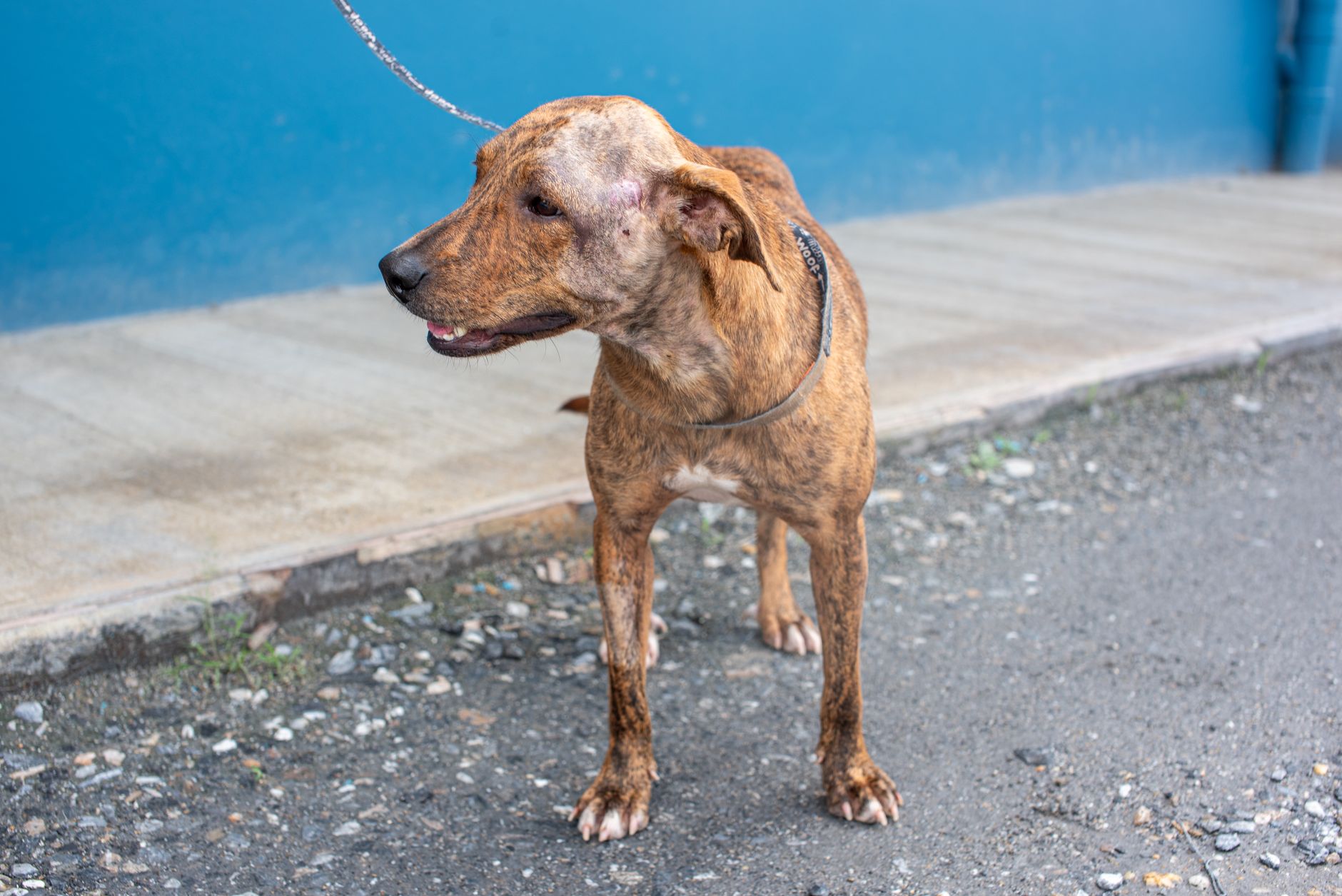
Photo by Dominik Gryzbon
Unknown medical history, and how it affects what insurers will cover
Missing records turn simple claims tricky. Insurers define pre-existing conditions by symptoms shown before coverage starts. Without proof your dog never had an ear infection or limp, they might exclude it. This hits rescues hard since shelters rarely track full pasts.
Gather what you can right away. Call the shelter for any notes they hold. Here’s a quick checklist to request:
- Vaccination records
- Spay or neuter proof
- Treatment logs from intake
- Foster caregiver notes on habits or quirks
- Microchip history if available
These build your case. Many insurers accept shelter info as baseline. It shows transparency and helps prove new issues qualify.
Pre-existing conditions explained in plain English
Pre-existing conditions mean any sign of illness or injury before your policy kicks in. Most companies exclude them for life. Your rescue limps on day one? That knee stays uncovered.
Good news exists for curable conditions. Think ear infections cleared up long ago. Firms like Embrace cover them after 12 symptom-free months with vet notes. Incurable ones, like hip dysplasia, usually stay out forever. AKC even helps some after 365 days.
Track timelines yourself. Snap vet visit dates and notes on clean bills of health. Submit them with claims to fight denials. This keeps future coverage strong.
Waiting periods: the short window where many claims get denied
Waiting periods delay claims right after signup. Accidents wait least, often 1 to 15 days; some like Lemonade start day one. Illnesses take 14 to 30 days typically. Knee ligaments or ortho woes stretch to 6 to 12 months.
Enroll quick after adoption. Your first vet check sets the pre-existing clock. See the vet too soon post-policy? Symptoms noted might count as old. Wait out the period, then go. This covers surprises like tummy troubles that hit later.
Behavior and stress issues after adoption: what insurance does and does not help with
Shelter life sparks anxiety or fear in rescues. Standard plans skip basic training classes. They focus on vet bills, not trainers.
Some cover diagnosed issues though. Plans from Pumpkin or Fetch pay for behaviorist visits, tests, or meds like anxiety pills if a vet prescribes. Lemonade adds it as an option up to $1,000 yearly. Get that diagnosis note for smooth reimbursements.
Budget training separately; costs add up. Ask quotes on med coverage upfront. Wellness add-ons might help routine check-ins too. Your dog settles faster with this mix.
Your first 30 days with a rescue dog: a simple insurance game plan
Follow this timeline for your first 30 days after adopting a rescue dog. It sets up insuring a rescue dog the smart way. You build key records, start coverage early, and cut risks of denied claims down the road. Each step builds on the last. Stick to it, and your new buddy gets protected fast.
Day 1 to 7: get a baseline vet exam and keep every record
Book that first vet exam within the first three days. Your dog might act fine, but rescues hide issues like parasites or joint wear from shelter stress. This visit creates a clear baseline. It notes what’s normal now. Later, it proves when new symptoms started, which helps insurers cover fresh problems.
Bring all shelter papers. Ask the vet to document every finding, even healthy ones. Get tests for heartworm, fleas, and vaccines. Expect to pay $50 to $250 for the exam, plus $100 to $300 for extras like bloodwork.
Save everything in one digital folder. Include receipts, notes, and photos of records. This folder becomes your proof against pre-existing claims. One owner skipped this and lost coverage on a limp that showed up week two. Don’t let that happen to you.
Day 1 to 14: enroll fast, then do not wait to ask questions
Enroll in pet insurance by day two, right after the exam. This starts the waiting period clock. New symptoms after that count as covered, not pre-existing. Delays mean more unknowns stay out of bounds.
Contact providers like Embrace, Lemonade, Fetch, Pumpkin, or AKC. Ask these key questions to pick the best fit:
- What are your waiting periods for accidents, illnesses, and orthopedics?
- Do you need a recent exam, and can it waive ortho waits?
- How do you define pre-existing conditions?
- Walk me through claim submission.
- Do you cover hereditary or congenital issues if unknown?
Waiting periods vary. Accidents often wait just 2 days with Embrace or AKC. Illnesses take 14 days across most. Ortho issues like knees stretch to 6 months, but a clean exam helps some waive it. Get answers in writing.
Choosing coverage levels for the “unknowns” rescues can come with
Rescues pack surprises from unknown histories. Pick coverage that handles them without busting your budget. Start with deductibles: the amount you pay before reimbursement kicks in. Annual ones reset yearly at $100 to $1,000. Per-condition types reset per issue.
Reimbursement rates run 70% to 90%. Annual limits cap payouts at $5,000 to unlimited. Higher rates and limits fit rescues best. They cover big unknowns like hidden dental woes.
Rule of thumb: Go for 80-90% reimbursement, $250 to $500 deductible, and at least $10,000 limits if you can swing $60 monthly premiums. Some like Pumpkin offer no annual caps. Balance it with your wallet. Lower deductibles hike costs, but they pay off if bills stack up.
Wellness add-ons: when they are worth it for a newly adopted dog
Wellness add-ons cover routine stuff like vaccines, flea meds, exams, spay or neuter, and microchips. They start right away, no waiting periods. Value hits $150 to $500 yearly for rescues needing catch-up care.
Add it if your dog skips basics at the shelter. Do the math: If first-year routines cost $400, and the add-on runs $20 monthly, it pays. Skip it for healthy pups with records. Base accident and illness coverage first.
Many providers like Fetch or Lemonade make claims simple with apps. Your first 30 days set the tone. Follow these steps, and insuring a rescue dog feels straightforward.
How to compare pet insurance plans for a rescue dog without getting overwhelmed
You want solid coverage for your rescue dog, but quotes from Embrace, Lemonade, or Fetch can blur together fast. Focus on a few key steps to narrow options. Start by listing your top needs based on your dog’s age and habits from the shelter. Then match plans to those. This keeps insuring a rescue dog simple and smart. Skip shiny add-ons at first. Compare apples to apples on costs, coverage, and claims ease.
Start with your budget, then pick the best “worst-case” protection you can afford
Set your monthly limit first, say $40 to $80. Average plans run $53 to $62 for dogs. Rescues often hit the higher end since age and breed matter. A 7-year-old mixed breed pays about $47 monthly. Labs or older pups push $60 or more. Your zip code counts too; California averages $61, while Alabama sits at $43.
Big bills turn scary without insurance. An ACL knee repair costs $3,000 to $8,000. Cancer treatment runs $3,000 to $10,000. Dental fixes hit $800 to $1,500. Premiums swap those shocks for steady payments.
Pick coverage that handles worst cases within budget. Say a $5,000 ACL bill with a $500 deductible and 20% coinsurance on an 80% reimbursement plan.
| Step | Your Cost | Insurer Pays |
|---|---|---|
| Meet $500 deductible | $500 | $0 |
| 80% of remaining $4,500 | $900 (20%) | $3,600 |
You pay $1,400 total. Insurance covers the rest. Drop to a $250 deductible at 90%? Your share falls under $700. Test quotes online with your dog’s details. Higher limits like $10,000 or unlimited fit rescues best. They handle unknowns without skimping.
Coverage details that matter most for rescue dogs
Rescues hide issues from rough pasts. Check these core coverages closely. Read policy fine print on exclusions too. Definitions vary; one firm’s “chronic” might cover yours.
Key areas include:
- Hereditary and congenital conditions: Covers breed traits like hip dysplasia if not pre-existing. Embrace pays after waits; others exclude forever.
- Chronic conditions: Think allergies or diabetes. Plans reimburse ongoing meds and visits once diagnosed post-policy.
- Prescription meds: Most cover heartworm or pain pills at 80-90%. Annual limits apply, often $500 to unlimited.
- Diagnostics: Bloodwork, X-rays, ultrasounds for hidden problems. Vital for rescues with vague histories.
- Rehab and physical therapy: Post-surgery sessions run $50 each. Good plans cover 10-20 visits yearly.
- Dental illness coverage: Not accidents, but infections or extractions. Spot or Pumpkin offer it; many cap at $1,000.
- Alternative therapies: Acupuncture or chiropractic for pain. Add-ons like Fetch’s help if your vet recommends.
Always scan exclusions. Shelters skip details, so prove new issues with your baseline exam notes.
Claims and vet payment: reimbursement vs direct pay
Most plans use reimbursement. You pay the vet full price at checkout, then submit bills online or by app. Expect 80-90% back in 10-30 days. A $4,000 cancer bill? With $250 deductible and 10% coinsurance at 90% reimbursement, you get $3,375 returned. Your out-of-pocket: $625.
Big bills stress cash flow. That $8,000 ACL hits hard upfront. Some insurers like Trupanion offer direct pay at partnered vets. They bill the clinic straight. Not all do; Pumpkin or Lemonade might in select spots.
Call your top insurers and vet office. Ask: “Do you direct pay here?” It saves hassle. Apps speed reimbursements too. Keep records clean for fast approvals.
Plan types you might see: accident-only, accident and illness, and wellness
Plans split into basics. Pick what fits your rescue’s risks.
Accident-only: Covers hits by cars, breaks, cuts. Costs $16 to $30 monthly. Great for young, healthy pups outdoors a lot. Avoid for rescues; skips allergies, infections, or tummy woes that pop later.
Accident and illness: Core choice at $50 to $70. Handles injuries plus ear infections, cancer, diabetes. Best for most rescues with unknowns. Pairs with your 30-day exam baseline.
Wellness: Add-on for vaccines, flea meds, checks. $10 to $25 extra. Skip unless catch-up care lacks; base coverage first.
Test two to three quotes per type. Your rescue thrives on illness-inclusive plans. They turn worries into peace.
Ways to save money and get extra support when insuring a rescue dog
Insuring a rescue dog does not have to drain your wallet. Smart moves like shelter perks and plan tweaks drop costs while keeping solid protection. You gain peace of mind for surprises without high premiums. Let’s break it down.
Ask your shelter or rescue about free trials and partner programs
Your shelter might hand you free coverage right at adoption. Many team up with insurers for short trials, often 30 days, to cover accidents or illnesses before bills hit.
Trupanion offers a 30-day free trial through partners like A Second Chance Puppies and Kittens Rescue. MetLife provides 30 days free (up to $500 after $50 deductible) at places like Pet Alliance Orlando or Animal Humane Society. Just call 1-844-229-2062 to start it. 24Petwatch gives adopters from Zeus’ Rescues a free 30-day trial too.
Ask before you leave the shelter. “Do you have any insurance trials or partners?” Say it plain. These kick in fast, with waits as short as 48 hours for accidents. After the trial ends, switch to a full plan or let it lapse if you shop elsewhere. It buys time to compare without risk. One adopter saved $200 on early vet care this way.
Discounts, bundles, and smart plan tweaks that lower premiums
Stack savings to fit insuring a rescue dog in your budget. Start with multi-pet discounts at 5% to 10% off for extra animals. Nationwide boosts it higher for four or more pets.
Check memberships too. AARP folks save up to 10% on Fetch. AAA members get 5% off Embrace. Military or veterans score 5% to 25%, with USAA at the top end. Employer plans add automatic 10% cuts, like Penn State’s MetLife deal.
Tweak your plan next. Pick annual payments if offered, or raise deductibles from $100 to $500 to trim monthly costs. Drop reimbursement to 70% from 90% if you build savings. Healthy pet perks reward low claims: Embrace cuts 5% to 10% off, MetLife drops deductibles $50.
These add up. A $60 plan might fall to $45 with two discounts. Always keep enough coverage for emergencies; do not skimp there.
Use comparison tools, but verify the fine print yourself
Tools speed up quotes across providers. Pawlicy Advisor pulls side-by-side options from top brands like Embrace or Lemonade. Enter your dog’s age, breed, and zip to see real prices fast.
Do not stop at numbers. Check waiting periods (14 days for illness?), exclusions, and curable condition rules yourself. One plan skips dental illness; another caps meds.
Call or chat the insurer next. Ask: “Does this cover ortho after six months?” Get replies in writing via email. Test claims process too. This catches gaps tools miss. You end up with the best deal for your rescue.
If your rescue already has a health issue: realistic options
Known issues block standard coverage, but you still protect against new ones. Focus plans on future problems; most pay for them even with pre-existing exclusions.
Seek curable-condition policies. AKC shines here for some past issues after waits. Pet discount plans offer another path. These memberships give 25% off at vets, no exclusions or waits, just a fee. Show your card for instant savings on anything.
Build an emergency fund of $1,000 to $2,000. Ask vets about payment plans for big bills. Local rescues or groups like RedRover provide grants too. One owner funded ACL surgery this way.
Mix these for full support. Your dog gets care, and costs stay manageable.
Conclusion
Insuring a rescue dog starts with quick action. Get that baseline vet exam in your first week to spot issues and build records. Enroll right after to beat waiting periods and lock in coverage for new problems. Know pre-existing rules cold; they block old symptoms but let curable ones join later with proof.
Match your plan to risks and budget. Aim for 80-90% reimbursement, a $250-500 deductible, and high limits to handle surprises like ortho fixes or cancer. Shelter trials and discounts make it affordable, often under $60 monthly.
Your 30-day plan turns worries into wins. Insuring a rescue dog this way saves thousands on bills and gives peace of mind.
Grab shelter papers and vet notes today. Pull quotes from Embrace, Lemonade, Fetch, or Pumpkin. Pick one in the next two weeks. Your pup gets top care, and you sleep better at night.
Back to Pet Tips