
Pet Insurance in Nevada
Back to Pet Insurance in the West
Thinking about getting pet insurance in Nevada? It’s a smart move, especially with vet costs going up. This guide will help you figure out what’s what with pet insurance Nevada policies, so you can make a good choice for your furry friend without too much hassle. We’ll break down the coverage options, what to look for when picking a plan, and how to find a company that works for you.
Key Takeaways
- Pet insurance in Nevada typically covers accidents and illnesses, but check the specifics. Plans vary, so know what you’re signing up for.
- Look closely at reimbursement limits, deductibles, and waiting periods. These details really affect how much you’ll pay and when your coverage starts.
- When picking a pet insurance Nevada provider, check if they’re licensed in the state and read what other pet owners say about them.
- Nevada pet owners should think about local issues like rising vet bills and emergency care availability when choosing a plan.
- The Nevada Division of Insurance is there to help if you have questions about licensing or policy terms, especially regarding pre-existing conditions.
Understanding Pet Insurance Nevada Coverage Options

When you’re thinking about pet insurance here in Nevada, it’s good to know what you’re actually signing up for. It’s not like your own health insurance, but it works in a similar way to help with vet bills. Basically, you pay the vet first, then send the bill to the insurance company, and they send you money back based on your plan. It can really take the sting out of unexpected vet visits.
What Pet Insurance Typically Covers
Most plans are designed to help with the unexpected stuff. This usually includes things like accidents – think broken bones from a tumble or cuts from something sharp. It also often covers illnesses, which can range from common ear infections to more serious issues like cancer or diabetes. Diagnostic tests like X-rays, blood work, and ultrasounds are generally included, as are medications, surgeries, and hospitalization if your pet needs it. Some plans even offer coverage for things like dental issues or behavioral problems, but you’ll want to check the specifics.
Common Exclusions in Pet Insurance Policies
Now, not everything is covered, and it’s important to know the limits. Pre-existing conditions – anything your pet had before you got the insurance – are almost always excluded. So, if your dog already has arthritis, you won’t be able to get coverage for that. Cosmetic procedures, like tail docking, aren’t covered either. You also won’t typically find coverage for breeding or pregnancy costs. And don’t expect routine wellness visits, like annual check-ups or vaccinations, to be part of the standard plan; these are usually separate add-ons or not covered at all.
Accident-Only vs. Accident and Illness Plans
When you’re looking at policies, you’ll mostly see two main types. Accident-only plans are the most basic. They cover injuries from accidents, like if your pet gets hit by a car or swallows something it shouldn’t. These are usually cheaper. Then you have accident and illness plans, which are more common and offer broader protection. These cover both accidents and a wide range of illnesses, from infections to chronic conditions. For most pet owners, an accident and illness plan provides a better safety net for a wider variety of potential vet bills.
It’s really about balancing cost with the level of protection you feel comfortable with. Think about your pet’s age, breed, and any known health tendencies when deciding which type of plan makes the most sense for your family.
Key Factors When Choosing Pet Insurance Nevada
So, you’re looking into pet insurance here in Nevada for 2025. It’s a smart move, especially with vet bills that can pile up faster than you can say ‘Fido’. But before you just pick the first plan you see, let’s talk about what really matters when you’re comparing policies. It’s not just about the monthly cost; there are several other pieces to the puzzle.
Assessing Reimbursement Limits and Deductibles
This is where you figure out how much the insurance company will actually pay back and how much you’ll have to cover yourself. Most plans have a yearly limit on how much they’ll reimburse. You might see options ranging from a few thousand dollars to unlimited. Then there’s the deductible, which is the amount you pay before the insurance kicks in. You can often choose a higher deductible to lower your monthly premium, but remember, you’ll be paying more upfront if your pet needs care. It’s a trade-off, for sure.
Here’s a quick look at how deductibles and limits can work:
| Feature | Example Option 1 | Example Option 2 |
|---|---|---|
| Annual Reimbursement Limit | $10,000 | Unlimited |
| Annual Deductible | $250 | $500 |
| Monthly Premium | Higher | Lower |
Choosing the right balance here can save you a lot of money in the long run.
Understanding Waiting Periods and Policy Terms
Don’t expect coverage to start the moment you sign up. Almost all pet insurance policies have waiting periods. These are set times after you enroll before certain types of coverage become active. For accidents, it might be a few days, but for illnesses, it’s often longer, sometimes up to 14 days or more. You also need to read the fine print on policy terms. What exactly is covered? Are there any specific conditions that have longer waiting periods or different rules? It’s important to know these details so you aren’t caught off guard when you need to file a claim. For instance, some plans might have a waiting period for orthopedic issues that’s longer than for other illnesses.
Evaluating Annual Premiums and Discounts
Your monthly or annual premium is what you pay to keep the policy active. This cost is influenced by a bunch of things, like your pet’s breed, age, and where you live in Nevada. Younger pets and certain breeds might have lower premiums. You should also look out for discounts. Many companies offer savings for insuring multiple pets, or if you’re a member of the military. Sometimes, paying your premium annually instead of monthly can also get you a small discount. It pays to shop around and see who offers the best value for your specific situation. You can find more information on how policy costs are influenced by factors like your pet’s age and your ZIP code here.
It’s easy to get caught up in the monthly price, but remember to look at the whole picture. A slightly higher premium might be worth it if it comes with a higher reimbursement limit and a lower deductible, especially if your pet has a chronic condition that requires ongoing treatment.
Navigating Pet Insurance Nevada Providers
So, you’ve decided pet insurance is the way to go for your furry friend here in Nevada. That’s a smart move, especially with vet bills that can sometimes feel like they’re climbing faster than a cat up a scratching post. But with so many companies out there, how do you pick the right one? It’s not just about finding the cheapest option; it’s about finding a provider that’s reliable and offers the coverage you actually need.
Researching Nevada-Licensed Insurers
First things first, you want to make sure any company you’re considering is legit and licensed to operate right here in Nevada. The state has an insurance division that keeps an eye on these things. It’s a good idea to check their website or give them a call if you’re unsure about a company. This step helps you avoid dealing with shady operations that might not pay out claims when you need them to. You can usually find a list of licensed insurers on the Nevada Division of Insurance website. It’s a bit of legwork, but it’s worth it to know you’re dealing with a reputable company.
Reading Customer Reviews and Ratings
Once you’ve got a shortlist of licensed providers, it’s time to see what other pet parents are saying. Online reviews and ratings can be super helpful. Look for patterns in what people are saying about their experiences, especially when it comes to claims processing and customer service. Are people generally happy with how quickly claims are paid? Is it easy to get in touch with someone when you have a question? Websites that specialize in reviewing insurance companies often have detailed breakdowns of customer satisfaction. Remember, though, that everyone’s situation is a little different, so take individual reviews with a grain of salt, but look for overall trends.
Comparing Quotes from Top Companies
Now for the part that often gets the most attention: the price. It’s important to get quotes from a few different companies you’re considering. Don’t just look at the monthly premium, though. You need to compare the details of the plans side-by-side.
What’s the annual reimbursement limit? What’s the deductible, and is it annual or per incident? Are there any specific waiting periods you need to be aware of before coverage kicks in? Sometimes a slightly higher monthly premium might get you a much better plan with a higher payout limit or fewer restrictions. It’s all about finding that sweet spot between cost and coverage. For example, you might want to get a free quote from a provider like Trupanion to see how their pricing stacks up against others in Nevada.
Here’s a quick look at what to compare:
- Reimbursement Limits: How much will the company pay out in a year?
- Deductibles: How much do you pay before insurance starts covering costs?
- Waiting Periods: How long until your policy is active?
- Coverage Details: What specific illnesses and accidents are covered?
Choosing the right pet insurance provider involves more than just picking a name. It requires a bit of detective work to ensure the company is licensed, well-regarded by other customers, and offers a plan that fits both your pet’s needs and your budget. Don’t rush this process; your pet’s health, and your peace of mind, depend on it.
Special Considerations for Nevada Pet Owners
Living in Nevada, especially in areas like Las Vegas, comes with its own set of unique challenges for pet parents. The desert climate and bustling urban environments can pose specific health risks to our furry friends, and it’s good to keep these in mind when looking at insurance.
Addressing Urban Hazards and Local Health Trends
Nevada’s urban centers, while exciting, can present dangers for pets. Think about hot pavement that can burn paw pads during summer months, or the increased risk of ingesting something harmful while exploring. Dehydration is also a serious concern in our dry, hot climate. Some local health trends might also be more prevalent, like certain tick-borne illnesses or respiratory issues exacerbated by dust and dry air. It’s worth checking if your potential policy offers any specific coverage related to common local ailments.
Understanding Rising Veterinary Costs
Let’s be real, vet bills have been climbing everywhere, and Nevada is no exception. In popular areas, the demand for quality pet care means clinics often have higher operating costs, which can translate to pricier services. Even routine check-ups can add up, and when an emergency strikes, costs can skyrocket. Having a good pet insurance plan can make a big difference in affording necessary treatments without breaking the bank.
Emergency Care and After-Hours Coverage
When your pet has a medical emergency, you don’t want to worry about whether you can afford the care they need. Many vets have limited hours, and emergencies often happen outside of them. It’s a good idea to look for policies that include coverage for emergency vet visits, even those at specialized animal hospitals that might be open 24/7. Knowing you have that safety net can bring a lot of peace of mind during a stressful time.
The Role of Nevada’s Insurance Division
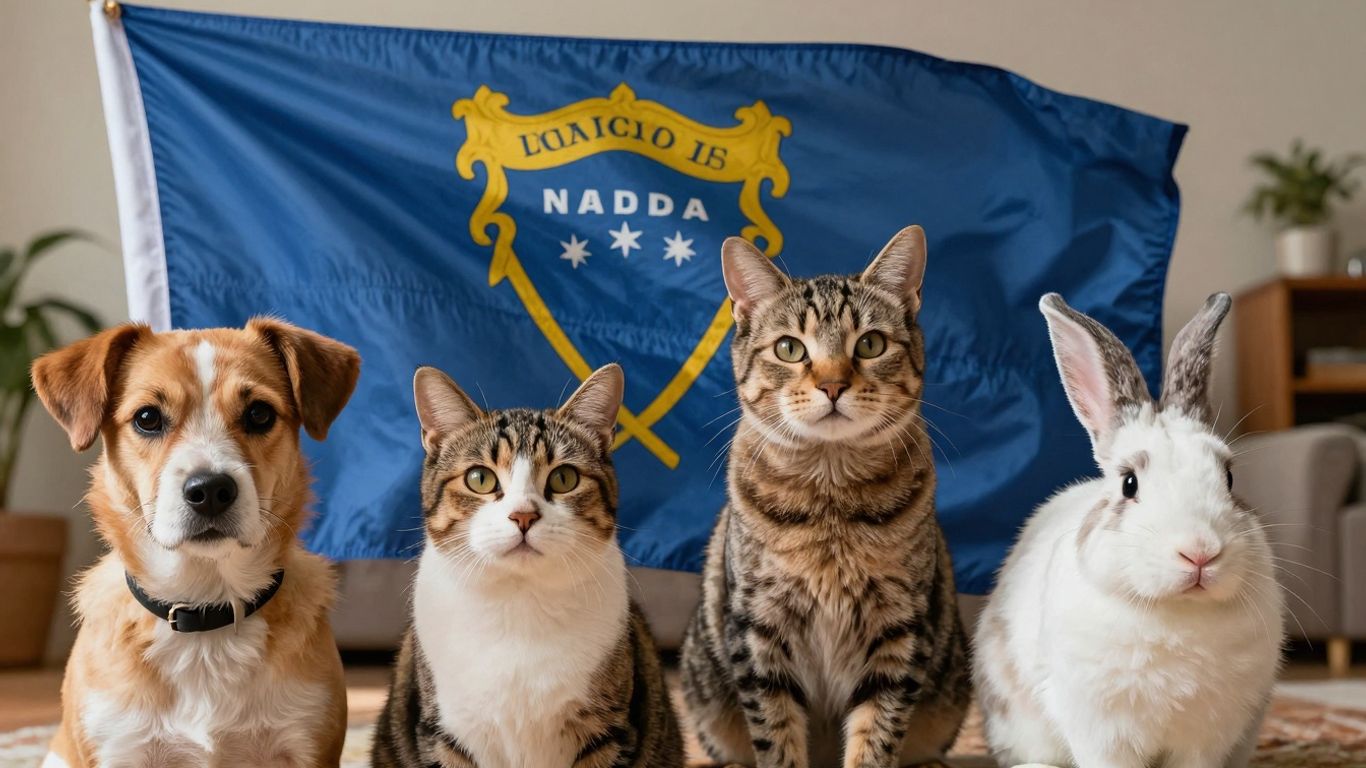
When you’re looking into pet insurance in Nevada, it’s good to know there’s a state agency watching over things. That would be the Nevada Division of Insurance. They’re there to make sure the companies selling these policies are playing by the rules and that consumers like us have a fair shot at understanding what we’re buying.
Ensuring Provider Licensing
Before any pet insurance company can even offer plans to Nevadans, they have to get the okay from the state. The Division of Insurance checks them out to make sure they’re legitimate and financially stable enough to pay out claims. It’s like a background check for insurance companies. This helps weed out sketchy operations before they can cause problems.
Understanding Coverage Clarity Requirements
Pet insurance policies can get complicated, right? Lots of fine print and specific terms. The Nevada Division of Insurance has rules about how clear these policies need to be. They want companies to explain what’s covered and what’s not in plain language. This means less confusion for you when you’re trying to figure out if that vet visit will be reimbursed.
It’s always a good idea to read your policy thoroughly. If anything seems unclear, don’t hesitate to ask the insurance company for clarification. The state agency is there to help, but your first line of defense is understanding the document you sign.
Pre-Existing Condition Regulations
This is a big one for pet owners. Most pet insurance plans won’t cover conditions your pet already had before you signed up. The Division of Insurance helps set guidelines on how companies define and handle these pre-existing conditions. They want to make sure companies aren’t unfairly denying claims based on vague definitions. While they can’t force coverage for conditions that existed before the policy started, they do oversee how these exclusions are presented and applied. It’s about making sure the rules are applied consistently and fairly.
Wrapping It Up
So, we’ve gone over the basics of pet insurance here in Nevada for 2025. It’s not exactly rocket science, but there are definitely things to look out for. Remember, vet bills can sneak up on you, and having a plan in place can make a big difference when your furry friend needs care. Take your time, compare your options, and pick something that feels right for you and your pet. It’s all about giving them the best care without breaking the bank. Good luck out there!
Frequently Asked Questions
What exactly does pet insurance cover in Nevada?
Pet insurance in Nevada generally helps pay for vet bills when your furry friend gets sick or has an accident. This can include things like X-rays, blood tests, medicines, surgeries, and even hospital stays. Depending on your plan, it might also cover things like broken bones, bite wounds, or common illnesses like infections and diabetes. Some plans even offer extra coverage for dental issues or certain chronic conditions.
Are there things pet insurance in Nevada *won’t* cover?
Yes, most pet insurance plans have some things they don’t cover. They usually won’t pay for health problems your pet already had before you got the insurance, which are called pre-existing conditions. Also, things like routine check-ups, vaccinations, flea and tick treatments, or cosmetic procedures like tail docking are typically not included. Breeding or pregnancy costs are also usually excluded.
What’s the difference between accident-only and accident & illness plans?
An accident-only plan is like a safety net for unexpected emergencies. It covers things like injuries from accidents, such as being hit by a car or breaking a bone. An accident and illness plan, on the other hand, covers both accidents *and* sicknesses. This means it can help with unexpected injuries as well as illnesses like infections, cancer, or digestive problems.
How do I figure out the best pet insurance plan for my pet in Nevada?
To find the best plan, think about your pet’s age, breed, and any health history they might have. Also, consider your budget. You’ll want to look at how much the insurance will pay back (reimbursement limit), how much you have to pay first (deductible), and how long you have to wait before coverage starts (waiting period). Comparing prices and what each plan offers is key.
Can I use any vet in Nevada with pet insurance?
Yes, you can usually take your pet to any licensed veterinarian in Nevada. Pet insurance works a bit differently than you might expect. You’ll typically pay the vet directly for the service, and then you send the bill to your insurance company to get reimbursed for a portion of the cost, based on your plan’s rules.
What does the Nevada Division of Insurance do for pet insurance?
The Nevada Division of Insurance makes sure that pet insurance companies selling policies in the state are legitimate and follow the rules. They help ensure that insurance companies are clear about what they cover, what they don’t cover, and how they handle claims. This helps protect pet owners and makes sure you know what you’re buying.