
Pet Insurance in Montana
Back to Pet Insurance in the West
Montana’s wide-open spaces are fantastic for pets, but they also mean more chances for unexpected adventures and, well, vet visits. Whether your dog is chasing squirrels on a mountain trail or your cat is exploring the backyard, having pet insurance in Montana can be a real lifesaver. It helps make sure those surprise vet bills don’t break the bank, keeping your furry friend healthy and happy without you having to stress about the cost.
Pet Insurance in Montana Post Key Takeaways
- Pet insurance in Montana helps cover unexpected veterinary costs, protecting both your pet’s health and your finances.
- Consider Montana’s specific risks, like harsh winters and rugged terrain, when choosing a plan.
- Look for plans that include 24/7 vet helplines, direct vet payments, and coverage for routine care.
- Costs vary based on your pet’s age, breed, gender, and the coverage levels you select (annual limits, deductibles, reimbursement).
- Getting pet insurance when your pet is young can lead to lower premiums and help avoid pre-existing condition exclusions.
Understanding Pet Insurance in Montana
Why Pet Insurance is Essential in Big Sky Country
Montana is a fantastic place for pets, with all that open space and plenty of outdoor activities. Think hiking in the mountains or just exploring the backyard. But, you know, with all that adventure comes a few risks. Unexpected vet visits can pop up, and let me tell you, those bills can add up fast. That’s where pet insurance comes in. It’s like a safety net for your furry friend’s health, helping you manage those surprise costs without breaking the bank. It gives you peace of mind, knowing you can get your pet the care they need, whether it’s a simple check-up or something more serious.
Navigating Montana’s Unique Pet Health Risks
Living in Montana means dealing with some specific things that can affect your pet’s health. For starters, there’s the wildlife. Encounters with skunks or bats could mean a trip to the vet, and these animals can carry diseases. Then there are ticks. They’re common in grassy and wooded areas, and they can spread illnesses like Rocky Mountain spotted fever.
So, keeping up with tick prevention and checking your pet after they’ve been outside is a good idea. And don’t forget about the weather. Montana winters can be seriously cold, putting pets at risk for things like frostbite or hypothermia if they’re out too long. Rugged terrain can also lead to injuries like cuts or sprains when pets are exploring. It’s all about being aware of what’s out there and how it might affect your pet.
How Pet Insurance Works for Your Companion
Pet insurance is pretty straightforward, actually whether in Montana or Missouri. You pick a plan that seems right for you and your pet, and then you pay a monthly fee, called a premium, to keep the coverage active. When your pet needs to see the vet, you usually pay the bill yourself first. Then, you send a claim to your insurance company. They’ll look at the claim, and if it’s covered by your policy, they’ll send you money back. How much you get back depends on your plan, things like your deductible (what you pay first) and your reimbursement level (the percentage they pay back, like 70%, 80%, or 90%).
Here’s a quick rundown of the process:
- Choose a Plan: Select a policy that fits your budget and your pet’s needs.
- Pay Monthly Premiums: Keep your coverage active with regular payments.
- Visit the Vet: Take your pet to the veterinarian for care.
- Pay the Bill: Settle the vet’s invoice upfront.
- Submit a Claim: Send the necessary paperwork to your insurance provider.
- Get Reimbursed: Receive payment for covered expenses after your deductible is met.
It’s important to remember that most policies have waiting periods. This means coverage doesn’t start the moment you sign up. There’s usually a short wait for accidents and a longer one for illnesses. Always check your policy details so you know exactly when your pet is covered.
Key Features of Montana Pet Insurance Plans
When you’re looking at pet insurance options here in Montana, it’s not just about picking a company. You really need to dig into what the policies actually cover and how they work. Think of it like choosing the right gear for a hike – you want something reliable that fits your needs.
Comprehensive Coverage Options
This is the big one. What exactly does the plan protect? Most policies will cover unexpected illnesses and accidents. But some go further. You might find plans that include things like hereditary conditions, chronic illnesses, or even emergency care for things like being hit by a car or ingesting something they shouldn’t have. It’s worth checking if things like diagnostic tests, surgery, and hospitalization are included. Some plans also offer add-ons for things like behavioral therapy or alternative treatments, which can be useful if your pet has specific needs.
The Value of a 24/7 Vet Helpline
Picture this: it’s late on a Saturday night, and your dog suddenly seems really unwell. What do you do? Having access to a 24/7 vet helpline can be a lifesaver. These services let you talk to a veterinary professional right away, getting advice on whether you need to rush to the emergency vet or if it’s something that can wait until morning. It’s a great way to get quick answers and avoid unnecessary panic or costly emergency visits when it’s not quite that serious.
Direct Vet Payments and Reimbursement Choices
How you get paid back is important. Some insurance companies work on a reimbursement model. This means you pay the vet bill upfront, then submit a claim to your insurance provider to get money back. Others offer direct payment to the vet, which means you don’t have to worry about the upfront cost as much. When it comes to reimbursement, you’ll usually see options for different percentages, like 70%, 80%, or 90% of the bill after you’ve met your deductible. Higher reimbursement rates generally mean higher monthly payments, so it’s a trade-off to consider.
Wellness and Routine Care Benefits
While accident and illness coverage is key for emergencies, don’t forget about regular care. Some pet insurance plans include benefits for routine check-ups, vaccinations, flea and tick prevention, and even dental cleanings. These are often called wellness plans or routine care add-ons. They can help spread out the cost of preventive care over the year, making it easier to keep your pet healthy and catch potential issues early before they become big problems. It’s a good way to budget for the everyday stuff that keeps your pet in tip-top shape.
Choosing the Right Pet Insurance Provider
So, you’ve decided pet insurance is a good idea for your Montana buddy. That’s great! But now comes the part where you actually pick a company. It can feel a bit overwhelming with all the options out there, right? Don’t worry, we’ll break it down.
Comparing Top Pet Insurance Companies in Montana
When you start looking around, you’ll see a few names pop up frequently. Companies like Lemonade, Spot, and Pets Best are often mentioned for their plans available in Montana. Each has its own way of doing things, from what they cover to how much they charge. It’s not just about the cheapest price; it’s about finding a plan that actually fits your pet’s needs and your budget. Some might be better for accident-only coverage, while others have more robust illness plans. It’s worth spending some time comparing what each one offers.
Understanding Waiting Periods and Exclusions
This is a big one, and honestly, it trips a lot of people up. Most insurance policies have waiting periods. This means you can’t just sign up and expect coverage for something that happens tomorrow. There’s usually a period for accidents and a separate, often longer, period for illnesses. You also need to pay close attention to exclusions.
These are the things the policy won’t cover. Pre-existing conditions are the most common exclusion, meaning any health issue your pet had before you got the insurance won’t be covered. Some companies are more lenient with ‘curable’ conditions if your pet has been symptom-free for a while, but ‘incurable’ ones are usually out for good.
Here’s a quick look at what to watch out for:
- Accident Waiting Period: Typically shorter, maybe 1-3 days.
- Illness Waiting Period: Usually longer, often 14-30 days.
- Exclusions: Always read the fine print! Look for things like hereditary conditions, dental disease (unless it’s an accident), or specific breed issues.
Factors Influencing Policy Costs
Why do some policies cost more than others? It’s not random. Several things play a role. Your pet’s breed is a major factor, as some breeds are prone to certain health problems. Older pets generally cost more to insure than younger ones, and let’s be honest, puppies and kittens are usually the cheapest to cover.
The type of coverage you choose matters too, accident-only plans are cheaper than comprehensive ones that include illnesses. And, of course, the limits you set for how much the insurance will pay out each year, your deductible (what you pay first), and the reimbursement level (what percentage they pay back) all tweak the monthly premium. It’s a balancing act to get the coverage you need at a price you can manage.
Picking the right insurance provider means looking beyond just the monthly cost. You need to understand what’s covered, what’s not, and how the claims process works. Don’t be afraid to ask questions and get sample policies to review before you commit. Your pet’s health, and your wallet, will thank you later.
Factors Affecting Pet Insurance Costs in Montana
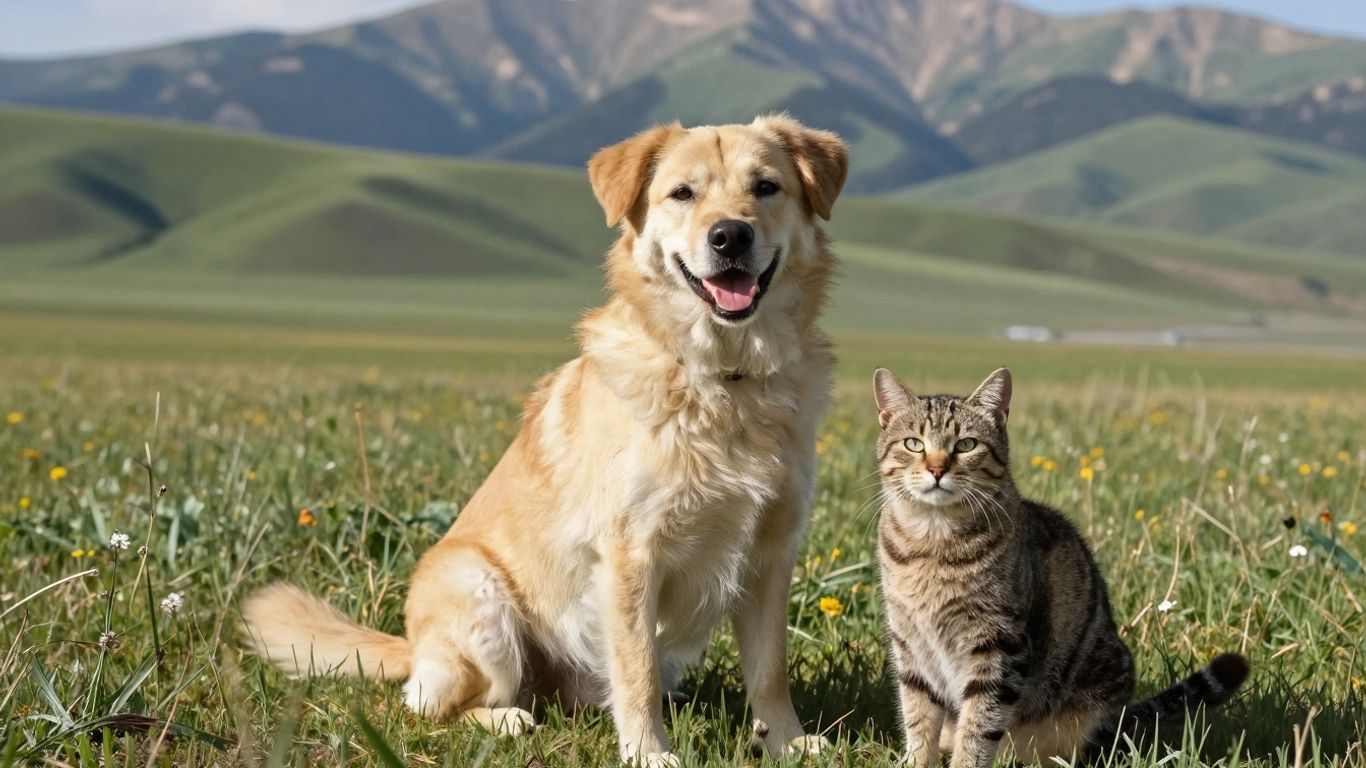
So, you’re looking into pet insurance for your furry pal here in Montana, and you’re probably wondering what makes the price go up or down. It’s not just a random number; a few key things play a big role in how much you’ll pay each month.
Annual Limits, Deductibles, and Reimbursement Levels
These three are like the main controls for your premium. Think of the annual limit as the most the insurance company will pay out in a year. If you choose a higher limit, say unlimited coverage, your monthly cost will likely be more than if you picked a lower limit. Then there’s the deductible. This is the amount you pay first before the insurance kicks in.
A lower deductible means you pay less out-of-pocket initially, but your monthly premium will be higher. Finally, the reimbursement level is the percentage of the vet bill the insurance covers after you’ve met that deductible. If you opt for a 90% reimbursement, meaning they cover most of the bill, you’ll probably pay more each month than if you chose, say, a 70% reimbursement.
Here’s a quick look at how these might stack up:
| Feature | Example 1 (Higher Cost) | Example 2 (Lower Cost) |
|---|---|---|
| Annual Limit | Unlimited | $5,000 |
| Deductible | $100 | $500 |
| Reimbursement Level | 90% | 70% |
Impact of Breed, Gender, and Age
Just like people, pets have different health profiles. Certain dog or cat breeds are known to be more prone to specific health issues. For instance, some breeds might have a higher chance of developing joint problems or heart conditions. If your pet is a breed with a higher risk for certain conditions, the insurance company might charge a bit more because they anticipate more claims.
Gender can sometimes play a small role too, though it’s usually less significant than breed or age. And age? That’s a big one. Getting insurance when your pet is young and healthy is almost always cheaper. As pets get older, their risk for developing health problems naturally increases, which usually means higher premiums.
Geographic Location and Lifestyle Considerations
Where you live in Montana can actually affect your premium. Veterinary care costs can vary quite a bit between different areas. For example, vet bills in a larger city might be higher than in a more rural setting. Your pet’s lifestyle also matters. A dog that spends a lot of time hiking off-leash in the wilderness might be considered a higher risk than a cat that mostly stays indoors. This is because of potential encounters with wildlife, rough terrain, or exposure to things like ticks and other outdoor hazards common in Montana.
It’s really about balancing the coverage you want with what you can afford. Think about your pet’s specific needs and your own financial situation. Sometimes, a slightly higher monthly cost for better coverage upfront can save you a lot of stress and money down the road if something unexpected happens.
Maximizing Your Pet Insurance Policy
So, you’ve got pet insurance for your Montana buddy. That’s a smart move! But are you getting the most out of it? It’s not just about signing up and forgetting about it. There are a few things you can do to make sure your policy is working hard for you and your furry friend.
When to Insure Your Puppy or Kitten
Getting insurance for your pet when they’re young is a really good idea. Think of it like this: puppies and kittens are bundles of energy, and while they’re super cute, they can also get into all sorts of mischief. Accidents happen, and they’re more likely to develop certain health issues as they get older.
- Enroll early: The younger your pet is when you get insurance, the less likely they are to have pre-existing conditions that won’t be covered.
- Lock in rates: Premiums are often lower for younger pets. Waiting until they’re older usually means paying more each month.
- Full coverage: Starting early means you’re more likely to get coverage for a wider range of potential health problems down the road.
Considering Add-On Coverages
Most basic pet insurance plans cover accidents and illnesses. But what about those other things? Many providers offer extra coverage options, sometimes called riders or endorsements, that can be really useful.
- Wellness Plans: These can help with the cost of routine vet visits, vaccinations, flea and tick prevention, and even dental cleanings. It’s like a little budget helper for keeping your pet in tip-top shape.
- Behavioral Therapy: If your pet has anxiety or other behavioral issues that require professional help, some plans might cover these sessions.
- Prescription Food: For pets with specific dietary needs due to illness, this add-on can help offset the cost of specialized food.
Preventing Pre-Existing Condition Exclusions
This is a big one. Most pet insurance policies won’t cover conditions your pet already had before you signed up or during the waiting period. It’s pretty standard across the board.
Pre-existing conditions are health issues that your pet showed signs of or was diagnosed with before your policy started or during the initial waiting period. This is why enrolling your pet when they are young and healthy is so important, as it helps avoid these exclusions later on.
Some companies might cover curable pre-existing conditions if your pet has been symptom-free for a certain amount of time (like 6-12 months). However, incurable conditions, such as chronic illnesses, are usually excluded for good. Always read your policy details carefully to know exactly what’s covered and what’s not.
Montana Pet Insurance: What to Expect
Average Veterinary Costs Across Montana
Thinking about pet insurance in Montana means looking at what you might actually pay for vet care. While Montana generally has lower veterinary costs compared to some other states, unexpected medical bills can still add up fast. For instance, a routine check-up might cost around $50-$100, but a sudden illness or accident could easily run into the hundreds or even thousands of dollars. It’s good to have a general idea of these costs so you can see how insurance fits in.
Here’s a rough idea of what some common vet visits might cost:
- Routine Exam: $50 – $100
- Vaccinations (per set): $25 – $50
- X-rays: $150 – $300
- Blood Work: $75 – $150
- Emergency Visit (after hours): $200 – $500+
Remember, these are just estimates, and actual costs can vary a lot depending on where you live in Montana and the specific clinic.
Finding Affordable Pet Insurance Options
Finding a pet insurance plan that fits your budget in Montana is totally doable. The average monthly premium for a pet insurance policy in the state hovers around $33 for a plan with $5,000 in annual coverage, an $250 deductible, and 80% reimbursement. If you want unlimited annual coverage with the same deductible and reimbursement rate, you’re looking at about $53 a month. It’s all about balancing what you can afford monthly with the level of protection you want.
Here are a few things that can help you find a more affordable option:
- Shop Around: Don’t just go with the first company you see. Compare quotes from several providers.
- Adjust Your Plan: You can often lower your monthly cost by choosing a higher deductible, a lower reimbursement percentage, or a lower annual limit.
- Look for Discounts: Many companies offer discounts for insuring multiple pets, or sometimes for things like military service or paying your premium annually instead of monthly.
- Consider Wellness Add-ons Carefully: While routine care coverage is nice, sometimes paying for those things out-of-pocket is cheaper than adding a wellness rider to your policy.
It’s easy to get caught up in the cheapest monthly price, but it’s more important to find a policy that actually covers what you need it to. A super cheap plan with a low annual limit might not help much if your pet has a serious, expensive illness.
The Importance of Policy Clarity
When you’re looking at pet insurance policies in Montana, the most important thing is to read the fine print. It sounds boring, I know, but seriously, this is where you find out exactly what you’re paying for and, just as importantly, what you’re not paying for. Policies can look similar on the surface, but the details matter a lot.
Pay close attention to:
- Waiting Periods: Know exactly how long you have to wait after signing up before coverage kicks in for accidents and illnesses. This can be different for each.
- Exclusions: What conditions or treatments are not covered? This is a big one. Things like pre-existing conditions are almost always excluded, but there might be others too.
- Reimbursement Levels: Understand if you’re getting 70%, 80%, or 90% back, and how your deductible works with that.
- Annual Limits: Is there a cap on how much the insurance company will pay out each year? Unlimited is great, but not always necessary for everyone.
Being clear on these points now will save you a lot of headaches and potential disappointment later if you need to file a claim. It’s better to ask questions upfront than to assume something is covered.
Final Thoughts for Montana Pet Parents
So, we’ve gone over why pet insurance is a smart move for folks here in Montana, especially with our wild weather and even wilder landscapes. It’s not just about the big emergencies, though those can be scary expensive. It’s also about keeping up with regular vet visits and knowing you’re covered if something unexpected pops up. Taking the time to look at different plans, compare what they cover, and figure out what fits your budget and your pet’s needs is totally worth it. In the end, getting the right insurance means more happy trails and fewer worries for you and your best furry friend.
Frequently Asked Questions
Is pet insurance really worth it in Montana?
For many pet owners, pet insurance is a smart choice. It can help you manage unexpected vet bills, which can get pretty expensive, especially for serious illnesses or accidents. Having insurance can give you peace of mind and financial help when your pet needs care.
How does pet insurance work?
It’s a lot like health insurance for people. You pay a monthly fee, called a premium, to keep the plan active. If your pet gets sick or hurt, you usually pay the vet first. Then, you send a bill to your insurance company, and they pay you back for a part of the cost, after you’ve paid your deductible and based on your plan’s rules.
When is the best time to get insurance for my puppy or kitten?
The earlier, the better! Most companies offer lower prices for younger pets. Plus, getting insurance when your pet is young helps avoid issues with pre-existing conditions, which are usually not covered. It’s a good idea to sign them up around 8 weeks old, or even before their first birthday.
What kind of things does basic pet insurance cover?
Basic plans usually cover unexpected accidents and illnesses. This can include things like emergency surgeries, tests to figure out what’s wrong, and treatment for sicknesses. Some plans also offer coverage for regular check-ups and shots, but you’ll want to check the details.
What are ‘waiting periods’ and ‘exclusions’ in pet insurance?
A waiting period is the time after you buy the policy before it starts covering things. For example, there might be a short wait for accidents and a longer one for illnesses. Exclusions are things the policy won’t cover, like pre-existing conditions (problems your pet already had before you got insurance).
Are vet exam fees covered by pet insurance?
Some pet insurance plans include coverage for vet exam fees, while others don’t. It’s important to check your policy details. Having this coverage can save you money in the long run, especially since vet visits can add up.