
Pet Insurance in Colorado, Costs and Coverage
Back to Pet Insurance in the West
A bluebird Saturday in Colorado can turn fast, one slip on a rocky trail, a torn paw at an off-leash park, or a sprint after wildlife that ends at the emergency vet. The outdoors are part of life here, but so are big, surprise bills when your pet gets hurt.
Pet insurance is a way to budget for that risk. You pay a monthly premium, and if your pet needs care, you usually pay the vet first, then file a claim to get reimbursed (often 70 to 90 percent after your deductible, depending on the plan).
In this guide, you’ll learn what pet insurance costs in Colorado in 2026, what common plans cover (and what they don’t), and which add-ons are worth it. We’ll also talk about local risks that can drive claims, like rattlesnakes, wildlife run-ins, high-altitude hikes, and super-active dogs that find trouble.
By the end, you’ll know how to compare companies, read the fine print (waiting periods, exclusions, annual limits), and pick a plan in a few simple steps that fits your pet and your budget.
How pet insurance works in Colorado (and what it actually pays for)
Most pet insurance in Colorado works like a reimbursement plan, not a “show your card at checkout” plan. You pick your coverage, pay a monthly premium, and when your pet needs care you usually pay the vet first, then submit a claim for reimbursement.
Here’s the basic flow most Colorado pet owners follow:
- Choose a plan (accident-only or accident and illness), then set your deductible, reimbursement rate, and annual limit.
- Wait out the waiting period (often around 10 to 14 days for many plans, longer for some injuries).
- Visit any licensed vet in Colorado, including urgent care and specialty hospitals.
- Submit your invoice and medical notes through an app or online portal.
- Get reimbursed (often 70 to 90 percent of covered costs after your deductible).
Coverage varies by company, but the “what it pays for” usually falls into two buckets: unexpected accidents, and illnesses that pop up over time. For a quick look at how plans differ across the state, sources like U.S. News’ Colorado pet insurance roundup can help you compare plan styles and features before you start getting quotes.
Accident-only vs accident and illness plans: which fits your pet?
Accident-only plans cover sudden injuries and emergencies. Think “something happened” coverage.
Common accident-only examples in Colorado:
- A sprained leg after a rocky trail day near Boulder.
- A cut paw from sharp scree on a hike.
- Swallowed ski wax (or a chunk of it) after your gear night in the garage, leading to an ER visit.
- Porcupine quills, bites, or other “wildlife got involved” incidents.
Accident and illness plans cover accidents plus a wide range of health problems that are not tied to a single moment. Think “something developed” coverage.
Accident and illness examples that hit close to home:
- An ear infection after a lake day at Chatfield or Horsetooth.
- Vomiting and diarrhea from something your dog ate at the dog park.
- Ongoing issues like allergies, skin infections, arthritis, diabetes, or many cancers (coverage depends on policy details and exclusions).
Accident-only is usually cheaper, but it can leave big gaps for the problems that show up most often in everyday life (ear infections, GI upset, skin issues, and chronic conditions). If you want help paying for the stuff that happens between big outdoor adventures, accident and illness is usually the better fit.
Rule of thumb:
- Choose accident-only if you mainly want a safety net for ER-level mishaps and your budget is tight.
- Choose accident and illness if you’d struggle to pay for both emergencies and common infections, tests, and ongoing conditions.
Deductible, reimbursement, annual limit: the three numbers that change your price
If you remember three terms, make it these. They control how much you pay monthly and how much you pay when your pet needs care.
- Deductible: What you pay out of pocket before the plan starts reimbursing covered expenses (often annual, sometimes per condition). A higher deductible usually means a lower monthly premium.
- Reimbursement rate: The percentage the insurer pays back after your deductible (commonly 70 to 90 percent). Higher reimbursement usually raises the monthly premium.
- Annual limit: The maximum the plan will reimburse in a policy year. Higher limits usually cost more, but they reduce your risk in a big year (surgery, hospitalization, multiple issues).
A mini example (round numbers, no messy math):
- Your plan has a $250 deductible and 80% reimbursement.
- Your dog has an emergency visit that totals $1,000 in covered costs.
- You pay the first $250 (deductible).
- The remaining $750 is eligible, and the plan reimburses 80% of that (so you get most of it back, and you cover the rest).
When you price plans, it helps to think in pairs:
- If you want a lower monthly bill, you usually accept a higher deductible or lower reimbursement.
- If you want less surprise spending at the vet, you usually pick a lower deductible or higher reimbursement (and pay more each month).
Waiting periods and pre-existing conditions: the gotchas to know early
Two things trip people up more than anything else: waiting periods and pre-existing conditions.
Waiting periods are a short window after you buy the policy when claims are not eligible yet. Many plans are around 10 to 14 days for accidents and illnesses, but some conditions can have longer waits (for example, certain knee injuries). If your dog limps on day 3, that issue may not qualify.
Pre-existing conditions are problems that showed signs, were diagnosed, or were treated before coverage starts (including during the waiting period). In plain terms, if your vet records mention symptoms before your policy is active, insurers usually treat it as pre-existing.
That’s why buying coverage while your pet is healthy matters. You are not just paying for today’s risks, you are protecting your pet’s “clean slate” for future claims.
One nuance to know: some insurers treat certain curable conditions differently (for example, an infection that fully resolves and stays symptom-free for a set period). Rules vary a lot, so you need to check your policy wording carefully.
If you want a deep read on how providers describe these rules, the Embrace Colorado terms and conditions page is a good example of the kind of policy language you’ll see.
Wellness add-ons in Colorado: when routine care coverage makes sense
Many pet insurers offer wellness add-ons (also called preventive care packages). These usually help pay for routine expenses such as:
- Annual wellness exam
- Vaccines
- Fecal tests and heartworm testing
- Flea and tick prevention
- Dental cleaning allowances (often a set amount, with limits)
Wellness coverage is more like a budgeting tool than true insurance. It can smooth out predictable costs, but it usually doesn’t protect you from the big, scary bill like a torn ACL, an obstruction surgery, or an overnight hospitalization.
A simple checklist to decide if a wellness add-on is worth it for you:
- You have a new puppy or kitten, and the first-year vaccine series and visits will add up.
- You prefer predictable monthly spending over uneven vet bills.
- You already plan to do routine care on schedule (so the benefit won’t go unused).
- You’re comparing the add-on cost against what your clinic charges for the items included (so you don’t pay extra for convenience).
If you want to see what a typical wellness add-on includes, Fetch’s wellness add-on overview shows the general structure and the kinds of routine items that are often included (always confirm what applies in Colorado and what limits are attached).
What pet insurance costs in Colorado and why prices vary
Pet insurance prices in Colorado can feel a little random until you see what’s behind the number. Two plans can look similar, yet one quote comes in at $40 and another at $90. The difference usually comes down to your pet (age, breed, medical history), your coverage choices (deductible, reimbursement, annual limit), and your location (yes, zip code matters).
Below are late-2025 benchmarks and the most common reasons premiums move up or down.
Typical monthly costs in Colorado (2026 benchmarks)
Think of these numbers as useful averages, not a promise. Your exact quote can land outside these ranges, especially for older pets, high-risk breeds, or richer plan settings.
Here are example monthly averages for dogs in Colorado based on the research:
| Plan type | Lemonade (avg) | Pets Best (avg) | ASPCA (avg) |
|---|---|---|---|
| Accident-only | About $26/mo | About $31/mo | About $36/mo |
| Accident and illness (comprehensive) | About $29/mo | About $35/mo | About $56/mo |
To make it more real, sample quotes for a 5-year-old dog in Denver can come out roughly $46 to $98 per month, depending on the deductible, reimbursement rate, annual limit, and add-ons you pick.
Cats are often cheaper than dogs with similar settings. Example monthly averages from the research include:
- Spot cat plan around $13/mo
- Healthy Paws cat plan around $19/mo
If you want a general comparison point before you start adjusting deductibles and limits, sources like MoneyGeek’s Colorado cost breakdown can help you sanity-check what you’re seeing.
Why Denver and Front Range premiums can differ from smaller towns
Insurers don’t price plans in a vacuum. Vet costs and local cost of living often run higher in Denver and many Front Range areas, and that can show up in premiums because insurers expect higher claim payouts.
Practical takeaway: use your Colorado zip code when you quote plans, and re-run quotes if you move. A plan that looks affordable in one area can price differently across the state.
Breed, age, and lifestyle in Colorado: what insurers price in
Colorado pets don’t just sit on the couch, and insurers know it. Pricing often reflects how likely your pet is to need care and how expensive that care could be.
Common factors that push costs up:
- Age: Older pets usually cost more because they use more care, and chronic issues show up more often.
- Breed and body type: Some breeds have higher risks for issues like knee injuries, hip problems, breathing trouble, or skin conditions.
- Lifestyle: High-energy dogs, working breeds, and “weekend warrior” pets that hike, run, ski, camp, and play hard have more chances for injuries (cuts, sprains, torn ligaments, and swallowed trail snacks).
Also, underwriting rules vary. Some companies have stricter age cutoffs for new enrollments, while others are more flexible. For example, ASPCA is often noted for no upper age limit for enrollment (your premium can still rise with age).
Decision tip: if you can, start earlier. Buying when your pet is young and healthy helps you lock in coverage before anything becomes “pre-existing.”
Cost saving moves that usually work (without gutting coverage)
You don’t have to pick the cheapest plan to save money. The goal is paying less each month while still protecting yourself from the bills that would actually hurt.
A few tactics that tend to work in Colorado:
- Raise the deductible (a bit): Going from a low deductible to a mid-range one often drops the premium without making claims pointless.
- Set a realistic annual limit: Unlimited sounds nice, but many families do fine with a solid cap that covers surgeries and hospital stays.
- Pick a reimbursement rate you can live with: 80% is often the “middle ground” choice, 90% costs more.
- Skip wellness if the math doesn’t work: If the add-on costs about what you’d pay for routine care anyway, it may not help.
- Insure young: You’re not just buying a price, you’re buying a clean start before conditions get excluded.
- Pay annually if there’s a discount: Some insurers reduce the total cost when you pay yearly instead of monthly.
- Ask about multi-pet discounts: Not every company offers one, but it can help when you insure two or more pets.
When comparing plans, focus on big-ticket risks first (ER visits, imaging, surgery, hospitalization). Those are the bills that turn an “annoying” vet visit into a budget crisis. For a broader look at how companies differ on coverage structure, limits, and pricing levers, U.S. News’ Colorado pet insurance guide is a helpful starting point.
Colorado specific risks pet insurance can help with (outdoors, wildlife, altitude)
Living in Colorado means your pet gets more than backyard laps. It’s trail days, ski-town weekends, creek swims, and plenty of “what did you find?” moments. The good news is many of the scary (and expensive) situations you worry about outdoors fall cleanly under accident coverage, while some mountain and climate problems land under illness coverage.
The key is matching the risk to the right plan type, and knowing you still need to clear the waiting period before most claims are eligible.
Rattlesnake bites, porcupines, and wildlife run-ins: what is usually covered
Most wildlife run-ins are treated as accidents under pet insurance. That usually means the ER exam, medications, and procedures can be eligible for reimbursement once your policy is active.
Common Colorado scenarios that typically fall under accident coverage:
- Rattlesnake bite: emergency exam, antivenom, pain control, fluids, lab work, and possible hospitalization.
- Porcupine quills: sedation, quill removal, wound care, and follow-up meds.
- Bites and scratches (from wildlife or other dogs on the trail): wound cleaning, stitches, antibiotics, and sometimes drains.
Insurers generally reimburse after you pay the vet and submit a claim, as long as the incident is not tied to a pre-existing issue and you are past the waiting period. If you want practical safety reminders for snake season, Colorado Parks and Wildlife shares good guidance in Keeping you and your pets safe from rattlesnakes.
A few prevention basics (quick, but worth it):
- Keep your dog leashed in brushy areas and near rock piles.
- Avoid tall grass and sunny trail edges where snakes warm up.
- Use a solid “leave it” cue before spring and summer hikes.
Hiking and skiing season injuries: torn nails, sprains, broken bones
Colorado trails and winter surfaces are rough on paws and joints. These are classic accident claims, and they add up fast once imaging and surgery enter the picture.
A few common injuries from trails, ice, and rocky terrain:
- Torn or split nails (often bleeding, painful, sometimes infected later)
- Paw pad cuts from sharp scree or frozen crust
- Sprains and strains from steep descents or slippery parking lots
- Broken toes or fractures from boulder hopping or hard landings
- Ligament injuries (like CCL tears) after a sudden pivot on snow or ice (some plans have longer waiting periods for knee issues)
How reimbursement often plays out in real life: an ER visit may lead to X-rays, sedation, splinting, surgery, and a recheck. You pay the clinic first, then submit the itemized invoice and vet notes. After your deductible, the plan reimburses your chosen percentage (as long as the charges are covered and you have not hit your annual limit).
Most major plans let you use any licensed veterinarian, including emergency and specialty hospitals. ASPCA Pet Health Insurance, for example, highlights this “use any vet” structure in their Colorado pet insurance overview, which matches how many reimbursement plans work.
High altitude and dry climate issues: when it counts as an illness
Not every Colorado problem starts with a fall or a bite. When you head to higher elevation or spend long days in dry air, some issues show up more like illnesses, not accidents. This is where accident and illness coverage is the safer bet than accident-only.
Issues that may be handled as illness claims include:
- Altitude stress: fast breathing at rest, unusual tiredness, coughing, weakness, vomiting, or poor appetite after a quick jump in elevation
- Dehydration: dry gums, sticky saliva, sunken eyes, lethargy (often after long sun exposure or travel)
- Cracked paw pads: painful splits from dry conditions, de-icers, or abrasive snowpack
- Respiratory flare-ups: some flat-faced breeds and older pets struggle more with thin air and exertion
Even if the trigger is a mountain weekend, insurers may classify these as illness because they are not tied to one sudden external event like a bite or a fall. With accident-only coverage, you might be on your own for diagnostics and treatment. With accident and illness, the exam, tests, and meds are more likely to be eligible (after the waiting period and policy rules).
Parasites and preventable problems: ticks, fleas, and heartworm in Colorado
Parasites are a tricky area because treatment and prevention are billed differently by insurers.
Here’s the usual breakdown:
- Treatment may be covered under accident and illness plans (for example, a tick-borne disease workup, antibiotics, or follow-up testing).
- Preventives are usually not covered unless you have a wellness add-on (things like flea and tick meds, heartworm prevention, routine screening tests).
Colorado State University Extension has a solid overview of local tick activity and risks in Colorado ticks and tick-borne diseases, which is useful context when you decide how much preventive budget you want outside insurance.
Before you buy, check plan fine print on these items, since rules vary a lot:
- Prescription preventives (flea, tick, heartworm)
- Prescription diets (often excluded, sometimes covered for certain conditions)
- Supplements (commonly excluded, sometimes covered if prescribed and tied to a covered condition)
If you want insurance to help when a “small” parasite problem turns into lab work, meds, and repeat visits, prioritize accident and illness coverage, then decide if a wellness add-on makes sense for prevention.
Comparing top pet insurance companies available in Colorado (who they fit best)
Choosing pet insurance in Colorado feels a bit like picking the right hiking layer. Several options work, but the best one depends on your pet, your budget, and how much “big-bill” risk you want to take off your plate.

Photo by M I N E I A M A R T I N S
Below is a consumer-friendly comparison of well-known providers, plus the questions that help you spot the right fit before you buy.
Quick comparison: cost, ratings, and standout strengths
Late-2025 ratings often cited in pet insurance roundups show a tight pack at the top: Embrace 4.9, Fetch 4.9, Healthy Paws 4.9, Pets Best 4.9, Lemonade 4.8, Spot 4.6, ASPCA 4.5. These numbers reflect customer review ratings, not a promise that every claim is fast or every condition is covered. They’re still useful as a “temperature check” on real customer experiences.
Here’s how these companies are commonly positioned, and who they tend to fit best:
| Company | Late-2025 review rating | Often a good fit for | Standout strength (from research) |
|---|---|---|---|
| Embrace | 4.9 | People who want a widely loved, well-rounded plan | Highly reviewed overall |
| Fetch | 4.9 | Owners who want broad coverage plus optional wellness | Strong reputation with add-ons |
| Healthy Paws | 4.9 | Owners worried about worst-case vet bills | Known for unlimited payouts |
| Pets Best | 4.9 | Budget-minded owners who still want solid coverage | Strong value option |
| Lemonade | 4.8 | People who want low-cost options and quick digital claims | Often low cost and fast claims |
| Spot | 4.6 | Owners who like to tweak deductibles, limits, and add-ons | Customization and wellness add-ons |
| ASPCA | 4.5 | Owners insuring older pets or breeds with inherited risks | Often noted for older pets and hereditary issues |
A smart way to use this table is to pick two “front runners” based on fit, then get quotes with the same settings (same deductible, reimbursement, annual limit). Pricing can swing a lot in Colorado by zip code and pet age, so it’s hard to judge “cheap vs pricey” without matching apples to apples.
If you want a statewide snapshot of providers commonly compared in Colorado, see the roundups at Insurify’s Colorado pet insurance guide or the consumer review breakdowns on PetInsuranceReview.com.
Unlimited vs capped coverage: deciding based on Colorado vet bill risk
Annual limits are one of the biggest “sleep at night” choices you’ll make. A capped plan can be totally fine for routine illnesses and one-off injuries, but unlimited annual payouts can matter when costs stack fast.
In Colorado, stacking costs is common for active dogs and larger breeds. One bad year can include:
- A surgery (like knee repair) plus follow-up imaging
- Cancer care with repeat visits, diagnostics, and meds
- Multiple ER trips (porcupine, then GI obstruction, then a limp that needs X-rays)
That’s where unlimited coverage can feel less like insurance paperwork and more like a sturdy guardrail. Healthy Paws is often mentioned as an example of a plan known for unlimited payouts, which can reduce the risk of hitting a ceiling mid-treatment.
Still, “unlimited” doesn’t mean “covers everything.” You’ll want to confirm the policy details that shape what you actually get paid back:
- Any condition-specific limits
- Waiting periods (knee injuries can be longer with some companies)
- How they define eligible treatment for chronic or inherited issues
If you’re debating capped vs unlimited, ask yourself one practical question: If the next 12 months included surgery plus two complications, would I be okay if coverage stopped at a dollar limit? If the answer is no, paying extra for a higher cap or unlimited can make sense.
Claims and reimbursement basics: what to ask before you buy
Most pet insurance plans are reimbursement-based. You usually pay the vet at checkout, then submit a claim to get reimbursed based on your deductible and reimbursement percentage.
Before you pick a company, run through this short checklist. It helps you avoid surprises when you need the policy most.
- How do you file a claim? App, email, portal, or all three?
- What’s the typical claim processing time? Ask for a realistic range, not best-case.
- What paperwork is required? Itemized invoice, vet notes, diagnosis codes, proof of payment?
- Are exam fees covered? Some plans treat exam fees differently than treatment.
- What counts as an “emergency”? ER hospitals, urgent care, after-hours fees, poison control calls.
- How are chronic conditions handled? Once it’s diagnosed, is it covered long-term as long as you keep the policy active?
- Do they require a recent exam to enroll? Some companies want current vet records.
This is also the moment to check how reimbursement works in real life: do they reimburse on the actual vet bill, or on a “usual and customary” rate schedule? That one detail can change your out-of-pocket cost in higher-priced Front Range clinics.
Common exclusions to watch for in Colorado policies
Most companies exclude similar categories, but the wording matters. Read exclusions the way you’d read a trail map, because small print is where people get lost.
Common exclusions include:
- Pre-existing conditions (including symptoms noted before coverage starts)
- Breeding and pregnancy-related care
- Grooming
- Elective procedures (cosmetic, convenience, non-medical)
- Dental rules (coverage may depend on cleanings, exams, or specific diagnoses)
- Behavior training (some plans exclude it, others limit it)
Two exclusions deserve extra attention because they can impact active Colorado dogs:
- Bilateral conditions: If one knee or one hip is treated before coverage, the other side may be excluded later. Get clear language on this before you buy.
- Hereditary conditions: Some providers are better known for covering inherited issues (ASPCA is often mentioned here), but you still need to confirm what’s excluded and what requires prior signs.
Finally, if you want help paying for recovery after injuries, check for rehab and alternative care (things like physical therapy, acupuncture, chiropractic). Some plans, including Healthy Paws per the research notes, are often associated with alternative therapies, but coverage details and limits can vary by policy.
How to choose the right pet insurance plan in Colorado (step by step)
Colorado pets tend to live big lives. That’s fun, until a normal Saturday turns into an urgent-care visit and a bill you didn’t plan for. Use the steps below to pick a plan based on your numbers and your pet’s day-to-day risk, then confirm the details that decide whether a claim gets paid.
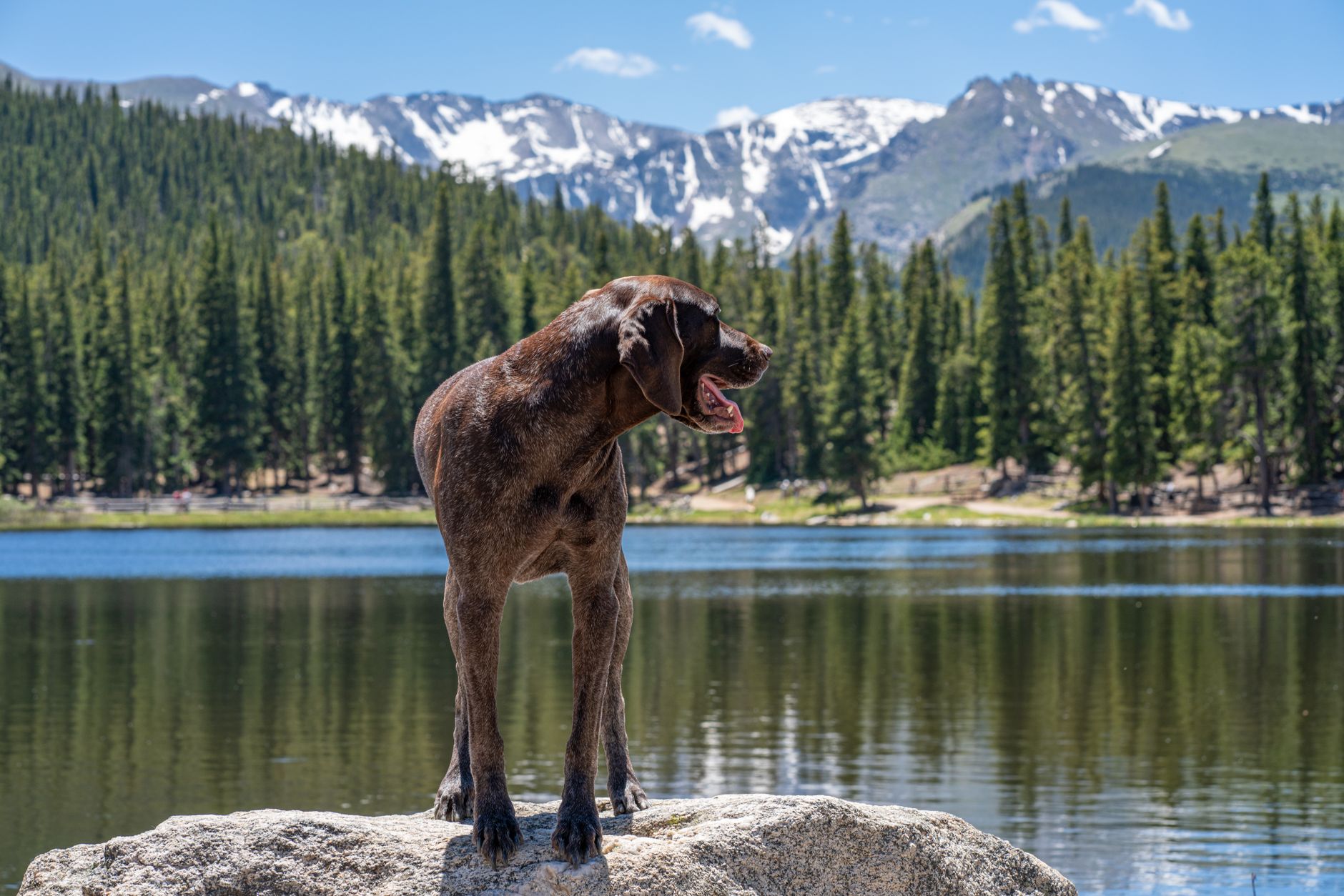
Photo by Gabe
Start with your real budget and your “worst day” number
Start with two numbers you can say out loud without flinching.
1) Your monthly comfort number: what you can pay every month and still keep the policy long-term. Many people do better with a plan they’ll keep for years than a richer plan they cancel after a price jump.
2) Your “worst day” number: the emergency bill you couldn’t comfortably pay in cash (common breakpoints are $2,000, $5,000, or $10,000).
Then match those numbers to plan settings:
- Annual limit: Set this at or above your “worst day” number. If $10,000 would wreck your budget, pick a limit that can handle a surgery plus follow-ups.
- Reimbursement percent: If cash flow is tight, a higher reimbursement (often 80% to 90%) can keep the post-visit sting smaller.
- Deductible: Use this as your premium dial. Higher deductible, lower monthly cost; lower deductible, less out-of-pocket when something happens.
If you want a quick refresher on how these pieces fit together, AAHA’s guide on how to choose the right pet insurance lays it out in plain terms.
Match coverage to your pet’s Colorado lifestyle
Keep this simple. Think “where does my pet spend time?”
- Trail dog: Go accident and illness with a higher annual limit, and look for coverage for imaging and rehab.
- Dog park social butterfly: Choose accident and illness for GI bugs, bites, and ear infections, and confirm exam fees and prescription meds are covered.
- Mountain traveler (weekends, road trips): Pick a plan with strong emergency and specialist coverage, and watch waiting periods for knee injuries.
- Indoor cat: Accident and illness often still wins (urinary issues can get expensive fast); prioritize diagnostics and hospitalization.
- Senior pet: Focus on chronic illness coverage (arthritis, endocrine issues), and choose limits that can handle repeat visits.
For a broader “how to think about options” approach, Trupanion’s breakdown of how to choose a pet insurance plan is a helpful reference point.
Get quotes, then read the policy like a checklist (not a novel)
Once you have 2 to 3 quotes with the same deductible, reimbursement, and limit, confirm these items before you buy:
- Waiting periods (accident, illness, and any special rules for knees or hips)
- Coverage for exam fees
- Prescription medications
- Imaging (X-rays, ultrasound, CT/MRI)
- Rehab (PT, hydrotherapy) and any caps
- Dental rules (injury vs disease, cleanings required or not)
- Hereditary and congenital conditions language
- Claim timeframes (how long you have to submit, how long they take to pay)
Save screenshots or PDFs of the coverage page and your quote settings. When you’re stressed at the ER, you’ll want receipts, not guesses. Lemonade’s explainer on pet insurance waiting periods is a good example of the kind of fine print to look for across companies.
When to buy, switch, or skip pet insurance in Colorado
Buying earlier is usually cheaper and protects your pet’s “clean slate” before anything becomes pre-existing. Switching can make sense if you find better coverage, better limits, or a price you can stick with, but switching can reset waiting periods, and any past issue can become pre-existing on the new policy.
Skipping can be reasonable if you have a dedicated savings fund you won’t touch (and it’s large enough for your “worst day” number), your pet’s risk is low, and you’re comfortable paying cash for surprises.
An easy plan you can follow today (10 minutes):
- Pick your “worst day” number ($2k, $5k, or $10k).
- Choose a monthly max you can keep for 2 to 3 years.
- Quote 3 plans with identical settings, then run the checklist above.
- Buy the plan that fits your lifestyle, then set a calendar reminder for renewal.
If this, then that:
- New puppy: Accident and illness, mid deductible, strong annual limit (you’re protecting the clean slate).
- Senior dog: Accident and illness, higher limit, confirm chronic care and meds are covered.
- Outdoor adventurer: High annual limit, imaging and rehab included, watch knee waiting periods.
- Indoor cat: Accident and illness, prioritize diagnostics and hospitalization over wellness extras.
Conclusion
Pet insurance in Colorado is usually simple once you know the flow, you pay the vet, submit a claim, then get reimbursed after your deductible based on your plan’s percentage and limit. The biggest choice is accident-only versus accident-and-illness, and for many active Colorado pets, full coverage is the safer bet because it helps with both trail mishaps and everyday problems like infections and stomach issues.
Costs vary a lot by age, breed, and zip code. In 2026, many Colorado plans land in a wide range, with dogs often pricing higher than cats, and richer settings (higher reimbursement, lower deductible, higher annual limit) pushing premiums up. Local risks matter too, rattlesnake bites, porcupine quills, icy sprains, and knee injuries can turn into big bills fast.
Your best move is to protect against emergencies first, then fine-tune deductible and limits to fit your budget.
Compare a few quotes using your Colorado zip code, pick coverage that would handle a truly bad vet day, and enroll while your pet is healthy, before problems become pre-existing. Thanks for reading, what kind of Colorado adventures does your pet get into most?