
Pet Insurance Quotes for Pets with Medical Histories
Back to Pet Insurance By State
A worried pet owner stood at the veterinary desk, watching bills pile up as a chronic condition like diabetes required ongoing care. The sight felt heavy, but it also sparked a question many guardians ask: can you still get real help with pet insurance when your pet has medical histories? The answer is yes, and it can make a big difference.
This post dives into pet insurance quotes for pets with medical histories. You’ll learn how pre existing conditions are treated, what to expect from top providers, and the steps you can take to shop smarter. We’ll break down costs, how coverage might work for ongoing needs, and practical tips to compare policies without guessing.
If your pet has a chronic condition, you likely worry about yearly costs and unexpected flare ups. You’re not alone. The right coverage can protect your budget and keep your pet getting the care they need. We’ll separate the facts from myths and show you how to read policy details so you know what you’re getting.
Across the section, you’ll find clear guidance on identifying your pet’s needs, evaluating coverage for curable and incurable conditions, and choosing a plan that fits your family. By the end, you’ll have a straightforward approach to securing pet insurance quotes for pets with medical histories and a plan that brings real peace of mind. Now, let’s start with understanding how pre existing conditions are handled.
What Makes a Condition Pre-Existing and Why It Matters for Your Quote
Understanding what counts as a pre-existing condition is the first step to getting accurate pet insurance quotes for pets with medical histories. This isn’t about reading every line of a policy; it’s about knowing how your pet’s past health can shape future coverage. When you walk through this with honesty and clarity, you’ll spot the real gaps and the genuine protection a plan can offer.
Signs and Symptoms That Count Before Diagnosis
Insurers look back at your pet’s health to determine what counts as pre-existing. This means signs, symptoms, or treatments that appeared before your policy starts or during a waiting period can influence coverage. You don’t need a formal diagnosis to trigger the pre-existing rule.
Common subtle signs include excessive thirst and urination, which can point to diabetes, new or worsening itching from allergies, or limping and altered mobility suggesting orthopedic issues. Ear scratching, vomiting, or unusual fatigue are also signals that should be disclosed. Even if your vet hasn’t diagnosed a condition yet, these indicators can be considered pre-existing if they’ve shown up before the policy’s effective date or during the waiting period. The practical takeaway: be thorough about what you’ve observed at home and what your vet has noted in records.
Honesty now prevents claim denials later, and it helps you secure a plan that covers new, unrelated health events without unfair exclusions. For a deeper look at how insurers think about pre-existing conditions, see expert explanations from PetMD and insurance guides that break down real-world examples.
Curable vs. Chronic Conditions: Coverage Differences
The big distinction in quotes often comes down to whether a condition is curable or chronic. Curable conditions may no longer count as pre-existing after they’re fully healed and symptom-free for a defined time, while chronic issues stay excluded in many plans. This difference drives how much you’ll pay and what you’ll get coverage for year after year.
- Curable example: a resolved ear infection or a urinary tract issue that’s fully treated and symptom-free for a set period.
- Chronic example: ongoing diabetes, arthritis, or heart disease, which typically remain excluded.
Here’s a concise look at typical examples and how they’re treated:
| Category | Examples | How coverage might apply |
|---|---|---|
| Curable | Ear infection resolved, urinary tract infection resolved | May become eligible for coverage after a specified cure period (often 180 days) if asymptomatic and untreated |
| Incurable / Chronic | Diabetes, hip dysplasia, chronic allergies, cancer | Generally excluded for the pre-existing condition itself; new unrelated issues may be covered |
Waiting periods add another layer. Most plans impose a waiting period of around 14 days for accidents and longer for knee or ligament issues, with state regulations increasingly requiring clear terms for these timelines. Bilateral conditions can complicate coverage when the second side is considered a new pre-existing issue, so it’s essential to confirm how your insurer handles related or progressive problems on the other body side.
The AKC stance in 2026 emphasizes standard industry practice: pre-existing issues are typically not covered, but plans may still cover new, unrelated conditions. Always verify how your chosen provider handles breed-specific risks and bilateral conditions, as rules can vary. For further reading on how these rules play out in practice, you can explore industry guides and veterinary resources linked above.
Top Pet Insurance Picks That Work with Pets Medical Histories
Dealing with medical histories can feel overwhelming when you’re shopping for pet insurance. The good news is that some providers offer meaningful coverage for pets with chronic issues, while others focus on curable conditions. Below you’ll find concise, practical guidance on standout options and what to watch for when you compare policies. This section is designed to help you quickly identify strong fits and avoid common gaps that can trip you up later.
Why AKC Stands Out for Tough Cases
If your pet has a chronic condition or a history that makes coverage tricky, AKC Pet Insurance is a standout option to consider. One of the key benefits is that AKC offers coverage for both curable and incurable pre-existing conditions after 365 days of continuous coverage. That means conditions like kidney disease, cancer, allergies, hip dysplasia, and even diabetes can be addressed in year two and beyond, which is a rare feature among many competitors. Reimbursement levels range from about 70% to 90%, with deductibles commonly set at $100, $250, or $500, and annual maximums that can be unlimited in practice. Add-ons for hereditary conditions can be purchased at extra cost, helping you tailor protection for breed-related risks.
This approach can be particularly valuable for dogs and cats that have already faced health challenges but are otherwise thriving.
Strong Alternatives Like ASPCA and Spot
ASPCA Pet Health Insurance takes a broad stance on coverage with a practical rule: many pre-existing conditions aren’t covered, but curable conditions can become eligible again if there’s a cure period of 180 days with no symptoms or treatment. This offers a meaningful path for pets that have recently overcome health issues, though knee and ligament problems are often excluded. ASPCA also stands out for its coverage of behavioral and alternative therapies, and it can be a solid option for families seeking a well-rounded plan that includes some less typical therapies.
Spot is another common pick for seniors and older pets, with coverage that tends to favor those categories and a focus on straightforward claims. While details vary by state and policy, Spot policies typically emphasize a simpler structure and good coverage for age-related concerns. If you’re weighing Spot against ASPCA, the key differences often come down to age considerations and how chronic conditions are treated after waiting periods. A practical starting point is the Spot vs. ASPCA comparison
What to Watch for in Other Providers Policies
When you’re evaluating providers beyond the three above, certain factors tend to predict how well a policy will work for a pet with a medical history. First, always confirm waiting periods. Some plans impose short periods for accidents and longer windows for knee or ligament issues. Second, state variations can change how a policy applies to chronic conditions and pre-existing rules.
Finally, examine exclusions around knee and ligament injuries, which are a frequent blind spot for pets with mobility concerns. For a quick reference on general pre-existing condition practices and waiting periods across major providers, you can review industry summaries and policy explanations from reputable sources. These considerations help you avoid surprises when you file a claim years after enrollment.
| Company | Pre-Existing After (Days) | Covers Incurable/Chronic? | Kidney Disease Example | Reimbursement | Hereditary Add-On? |
|---|---|---|---|---|---|
| AKC Pet Insurance | 365 | Yes | Covered after year 1 | 70%, 80%, 90% | Yes, add-ons available |
| ASPCA Pet Health Insurance | 180 (curable only) | No | Not covered if chronic | Not always disclosed | Covers congenital/hereditary, behavioral, alternative therapies |
| Spot | Varies; often excludes pre-existing | Typically exclude chronic | Coverage depends on policy; verify | Not always disclosed | Add-on availability varies |
| Nationwide | 180 days (review) | No | Not covered for chronic pre-existing | Not always disclosed | Limited hereditary add-ons |
| Others (Prudent Pet, Fetch, Figo, Trupanion) | Varies | Generally exclude chronic pre-existing | Likely exclude chronic pre-existing; check specifics | Varies | Check each carrier for hereditary options |
Notes: Policies vary by state and plan. Enroll early to maximize coverage potential, especially if your pet has a fragile health history. For a quick primer on how these rules apply in practice, refer to AKC’s pre-existing coverage information and ASPCA’s pre-existing conditions guidance.
If you’re shopping now, the best approach is to compare multiple quotes side by side and ask about chronic condition coverage after the waiting period. The right plan can provide real peace of mind by balancing protection with monthly costs, helping you handle ongoing care without draining your finances. For a starting point on provider specifics, see the AKC Pet Insurance pages and the ASPCA overview linked above.
Step-by-Step Guide to Landing the Best Quotes for Your Pet
When your goal is to secure pet insurance quotes for pets with medical histories, you want a clear, practical path. This section walks you through a focused, two-step approach: gathering complete health information before you quote, and then carefully comparing quotes while reading the fine print. The aim is to help you find coverage that respects your pet’s history and still protects your budget.
Gathering Your Pet’s Health Info Before Quoting
The foundation of accurate quotes is honesty and complete records. Gather every document that shows your pet’s health journey. This includes recent vet visits, exam notes, lab results, vaccination history, and treatment reports. You’ll want to compile a concise symptoms-and-treats timeline as well, so you can explain what happened and when. The goal is to present a full picture, not just the diagnosed conditions.
Be ready to describe past issues in plain language. If your pet had itching, joint limping, or frequent urinary issues, note when these started, what tests or treatments were used, and whether symptoms resolved. If your pet had surgeries, hospital stays, or special therapies, include dates and outcomes. Even signs that seemed minor at the time can influence how insurers view pre-existing status, so err on the side of thorough disclosure.
With online quotes, you’ll typically upload or paste vet notes alongside basic pet details. Having a well-documented record speeds the process and reduces back-and-forth. If you’re unsure what to share, start with a one-page summary that covers: health milestones, ongoing medications, and any chronic conditions. For context on how curable versus chronic conditions are handled in quotes, see expert explanations from reputable sources like Pawlicy and AKC Pet Insurance.
Tip: start early and keep records updated. If a new exam or test occurs, add the notes before you request quotes again. For multi-pet households, consider a consolidated approach to capture shared risks and potential multi-pet discounts. This upfront diligence helps you compare apples to apples when you review multiple providers.
Comparing Quotes and Reading the Fine Print
Once you have your pet’s health information, you’ll run quotes from several providers. Aim for 5 to 10 quotes to get a real sense of price and coverage variety. When you enter forms, stick to the facts and describe diagnoses, treatments, and recovery times as they appear in the medical records. A precise, consistent presentation helps prevent later claim disputes.
Read the policy language carefully. Focus on how the plan defines pre-existing conditions, whether curable issues can become eligible after a symptom-free period, and how chronic conditions are treated over time. Waiting periods matter a lot; some plans have short accident windows but much longer knee or orthopedic wait times. Watch for exclusions that target knee and ligament injuries, as these are common gaps for pets with mobility concerns.
Be on the lookout for red flags. Avoid policies that push you to buy riders for every condition or require you to use in-network veterinarians only. Look for credible coverage of curable conditions after a cure period, as well as transparent pricing for ongoing care. If a plan seems to offer blanket guarantees, verify how that plays with chronic conditions and age-related changes in coverage. For broader guidance on comparing options and spotting pitfalls, see trusted resources that review pre-existing condition coverage across major providers.
External quotes aside, the practical next steps remain simple: collect and confirm all health information, run side-by-side comparisons, and read the fine print before you commit. If possible, keep a record of the exact questions you asked each insurer and the responses you received. This habit makes it easier to justify decisions to family members and to revisit coverage as your pet ages or as your family’s needs change.
By following this two-step approach, you’ll land accurate pet insurance quotes for pets with medical histories and choose a plan that truly fits your household. For additional context on how different providers handle pre-existing conditions and to see real-world examples, explore the linked resources.
How Much Will Pet Insurance Cost with a Medical History
When your pet has medical history, the question isn’t just “Will it cover me?” but also “How much will it cost with my pet’s health in mind?” This section breaks down what drives monthly premiums and what real-world quotes look like from top providers. You’ll see how age, breed, and the level of coverage interact with pre existing conditions, plus practical examples to help you price a policy that fits your family.
Factors That Drive Up Your Monthly Premium
Premiums rise for a few solid reasons, especially when a pet brings a medical history to the table. First, age is a clear predictor: older pets are costlier to insure because they carry a higher risk of recurring issues and new health events. Breed matters too; some breeds carry known predispositions that insurers factor into rates. Then there’s the deductible and the reimbursement level you choose. A higher deductible lowers the monthly payment, while a higher reimbursement rate raises it. Finally, location can tilt prices, since vet costs vary by state and region.
From a high-level perspective, expect these patterns in 2026:
- Typical base premiums: around $53–$56 per month for dogs and $30–$32 for cats for standard accident and illness coverage.
- Age and breed add-ons: older dogs or high-risk breeds can push monthly costs upward by 20–50% or more, depending on the plan.
- Deductible and payout: selecting a $500 deductible with a 70% reimbursement tends to be more affordable than a $250 deductible with 90% reimbursement, though totals depend on how often claims occur.
- Curable vs. chronic history: pre existing conditions are usually excluded or limited; some plans offer a cure period after which certain conditions may be reconsidered, but chronic issues often stay excluded.
In practical terms, you’ll see dogs ranging from roughly $46–$60 per month on basic plans, while cats hover in the $25–$32 range. These estimates shift with age, breed, and where you live. For context on real-world numbers across providers and scenarios, you can compare quotes from top companies and see how history changes the math. See industry summaries and provider breakdowns for deeper insight into what drives these price ranges, including discussions on pre existing condition handling and waiting periods.
Real Quote Examples from Top Companies
When you plug in medical history, quotes can move quickly. Below are representative examples your search might reveal, along with notes about how history affects the price and coverage. The goal is to give you a sense of spacing between plans and what to expect when pre existing conditions are part of the conversation.
| Company | Typical Dog Premium (monthly) | Typical Cat Premium (monthly) | Notable History Impact | Reimbursement Range | Cure-Period Note |
|---|---|---|---|---|---|
| ASPCA Pet Health Insurance | 32–40 | 28–35 | History can raise baseline; curable conditions may return after cure period | 60–80% | Cura periods often around 180 days for curable issues |
| AKC Pet Insurance | 40–60 | 25–38 | Chronic conditions may be excluded initially; coverage may open after waiting period | 70–90% | Some hereditary add-ons available; review breed rules |
| Spot | 40–55 | 25–32 | Older pets sometimes favored; chronic conditions treated variably by policy | 60–80% | Waiting periods can influence coverage for knee/soft tissue issues |
| Figo | 46–60 (dog) / 28–32 (cat) | Mixed results by history and plan; multi-pet pricing can help | 70–90% | Curable pre existing conditions may be covered if no symptoms for a set period | |
| Nationwide | 45–58 | 24–31 | History often limits pre existing coverage; age amplifies cost | 70–90% | Wait times vary by condition type and policy year |
Notes: These examples illustrate typical ranges and how history can shift price. Exact quotes depend on the pet’s age, breed, location, deductible, and chosen reimbursement. For a real-world view, consider running side-by-side quotes with up-to-date data from the major providers. See provider overviews and price guides for current figures and restrictions. For practical, curated guidance, explore industry roundups and reviews that compare quotes and historical treatment.
External resources and provider profiles can help you translate history into numbers. For example, you can read about how pre existing conditions are treated across top providers and see how cure periods affect eligibility over time.
If you’re shopping now, use these insights as a compass. Gather complete health records, request multiple quotes, and pay attention to how each policy defines pre existing conditions and cures. The right combination of price and protection can make ongoing care affordable even with a challenging medical history. For broader context on premium drivers and plan differences, review the latest coverage guides from trusted sources.
External links are provided to help you verify numbers and see how real plans compare. Use them to inform your decision, not to replace your own due diligence.
Common Pet Conditions That Shake Up Your Insurance Options
When you’re weighing pet insurance quotes for pets with medical histories, you’ll quickly notice that some conditions push premiums higher or limit what’s covered. The key is understanding which areas tend to affect quotes the most, and how curable versus chronic issues are treated over time. This section covers the everyday problems that often show up in quotes, and the bigger chronic conditions that can complicate coverage. Think of it as a practical map to navigate the buying process with confidence.
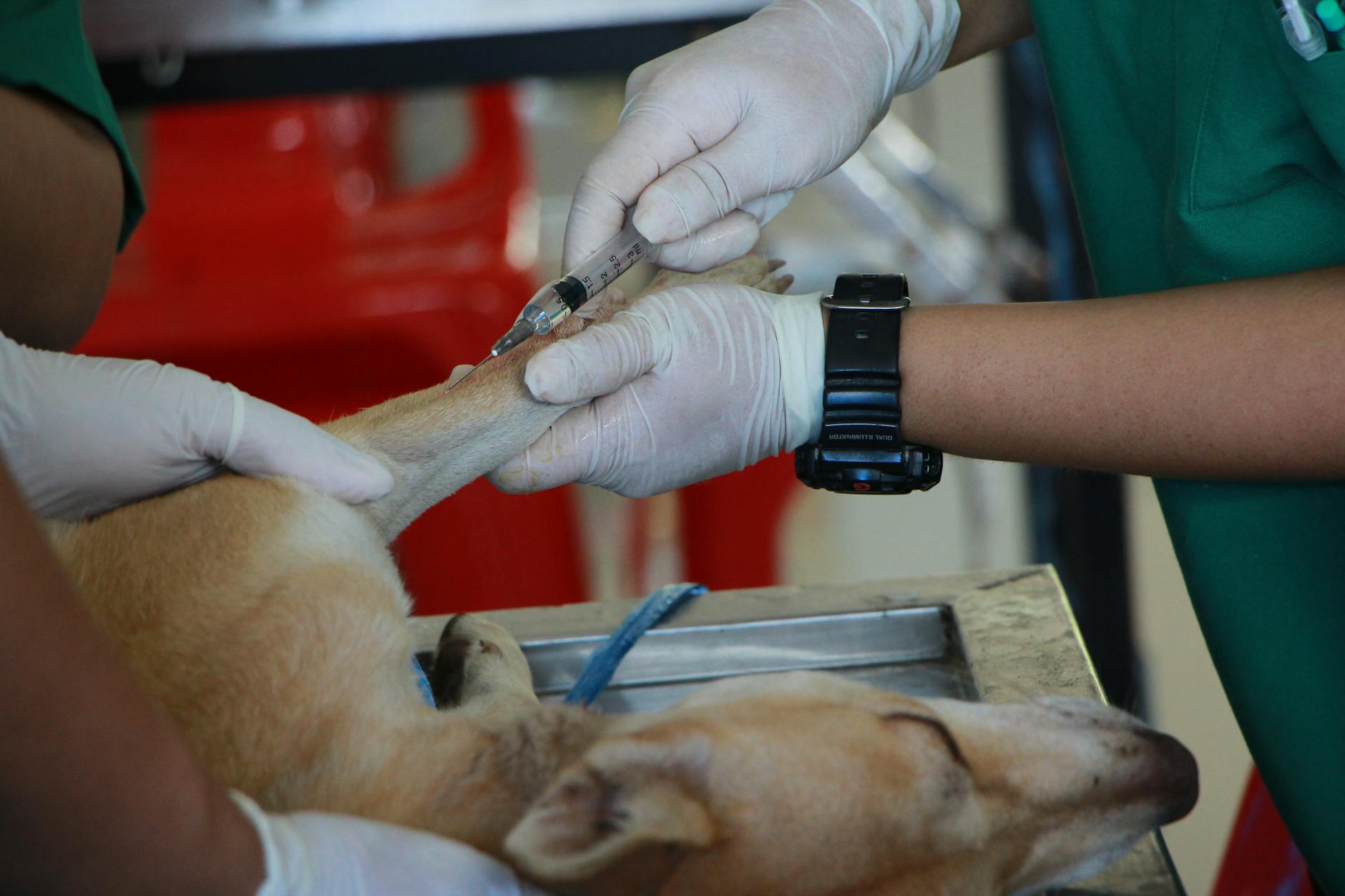
Photo by Pranidchakan Boonrom
Everyday Issues Like Allergies and Infections
Allergies and ear infections are among the most common health topics that influence quotes. They’re typically manageable with treatment, and many plans offer a special window for reconsideration if the issue is truly cured. The big idea is that an issue labeled curable can sometimes become eligible for coverage after a symptom-free period, which is a significant difference from lifelong conditions.
In practice, you’ll often see these patterns:
- Allergies and related skin or ear problems can raise base quotes because they signal ongoing risk, but they may be revisited after a cure period if there are no symptoms for a defined stretch.
- Ear infections frequently fall into a curable category. If the infection is fully resolved and there are no lingering symptoms for a specified period, some plans may reconsider coverage for related future issues.
- Always disclose every sign you’ve noticed at home and all vet notes. Even minor symptoms can shape how insurers view pre-existing status.
For families evaluating policies, it helps to compare how each provider handles curable conditions after the cure period, and what exclusions might still apply for related problems. For deeper explanations on how pre-existing conditions are treated and examples from veterinary perspectives, you can explore resources like PetMD’s guidance on pre-existing conditions and general insurance explanations.
Tough Chronic Problems Such as Diabetes or Hip Dysplasia
Chronic conditions pose a different sort of challenge. They’re the kind of issues that, in most plans, stay excluded or require a waiting period to even consider coverage for new events. This is where shopping around matters, because some providers offer more flexibility than others when a pet has an ongoing health history.
Key takeaways:
- Chronic issues like diabetes, hip dysplasia, arthritis, or heart disease often remain excluded for the condition itself. You can still find coverage for unrelated new events, but the pre-existing status shapes the policy.
- Some plans extend coverage for curable conditions after a set cure period, but chronic problems typically don’t receive the same treatment. This makes price and plan design especially important for long-term budgeting.
- If you’re dealing with a breed that carries known risks, ask about breed-specific exclusions and any add-ons that might help with hereditary concerns.
When comparing quotes, look for how long a cure period lasts, whether there’s a separate rider for chronic conditions, and how bilateral issues are treated (for instance, hip problems on both sides). Providers like AKC, ASPCA, and Spot have different approaches, so a side-by-side comparison can reveal the real gaps and the protection you’re getting. For a broader look at how major providers handle chronic conditions and pre-existing rules, see provider guides and reviews from trusted sources.
By understanding these dynamics, you can choose a plan that balances real protection with predictable costs, even when your pet’s medical history isn’t simple. If you’re in the middle of shopping, use this framework to ask pointed questions about cure periods, exclusions, and how claims are handled for chronic conditions. The right plan makes ongoing care more affordable and less stressful for the whole family. For practical context on how different providers handle chronic conditions, you can explore more detailed comparisons and reviews.
Conclusion
Pet insurance quotes for pets with medical histories show that coverage is possible and worth pursuing, even when past health events loom large. The strongest option for many families is AKC Pet Insurance, which can open coverage for curable and some incurable conditions after a year of continuous coverage. This setup helps you protect ongoing care without wrecking your budget.
Shop smart by gathering complete health records, comparing multiple quotes, and reading how each plan defines pre existing conditions and cure periods. The goal is to find a balance between affordable monthly costs and real protection for your pet’s health needs over time. If you’re weighing options today, a quick round of quotes can reveal how different plans handle chronic history and what kind of peace of mind you can expect.
Ultimately, the right plan turns uncertain medical histories into manageable costs. It provides a cushion for both routine care and unexpected health events, helping you stay focused on your pet’s well being rather than towering bills. Get quotes now from reputable providers to see where your family stands and what coverage fits your budget. Your pet’s care deserves thoughtful protection, and the right policy can lessen the surprise of future medical expenses.