
Does Pet Insurance Cover Pre Existing Conditions?
Back to Pet Insurance By State
Wondering does pet insurance cover pre existing conditions? Most plans say no. They exclude any signs of illness, diagnosis, or treatment your pet had before the policy starts or during the waiting period.
Insurers set this rule to cover future risks, not known problems. It stops owners from buying coverage only after trouble hits, which would raise costs for everyone.
A pre-existing condition means symptoms like limping, ongoing ear infections, or even allergies your vet noted earlier. Providers check records to confirm.
You’ll learn how companies decide what counts, exceptions for curable issues after months symptom-free, and steps if your pet has a history. Stick around to pick the right coverage.
So, does pet insurance cover pre existing conditions? Usually no, and here is what that means
Pet owners often ask, does pet insurance cover pre existing conditions? The short answer is no in most cases. Plans exclude any injury or illness that showed signs, got diagnosed, or received treatment before your policy begins. This includes the waiting period right after signup, which lasts about two to four weeks for illnesses and sometimes less for accidents.
Think of it like car insurance: you can’t buy a policy after a crash and expect coverage for the damage. Insurers use this rule to keep premiums fair for everyone. They focus on new problems, not ones you already know about.
For example, if your dog limps during a walk and the vet notes it two months before you buy insurance, that leg issue stays uncovered. The same goes for a cat with ongoing ear infections or repeated vomiting spells. Even if no one named the exact problem, those notes flag it as pre-existing. Providers pull your pet’s full medical history on claims to check dates and details.
This setup means you need to plan ahead. Healthy pets get the best options, but even those with past issues can cover fresh troubles.
The simple definition: symptoms, diagnosis, or treatment before coverage starts
Insurers define a pre-existing condition in three clear ways. First, any symptoms your pet showed before the policy kicked in count. This covers limping from a sore paw, itchy skin from allergies, or frequent vomiting after meals.
Second, a diagnosis seals it. If the vet says “ear infection” or runs tests for diabetes, that labels the issue.
Third, treatment before coverage starts, like pills for allergies or surgery for a torn ligament, makes it pre-existing too.
Don’t forget the waiting period. Most plans wait 14 to 30 days for illnesses and about two weeks for accidents. Anything that pops up then gets treated like it happened before day one.
Vet notes matter a lot here. A simple line like “pet shows signs of scratching” can trigger exclusion, even without a full diagnosis. Keep records handy to spot these early.
How insurers decide: vet records, past notes, and the timeline
When you file a claim, the insurer digs into your pet’s history. They request records from every vet visit, looking at dates, symptoms listed, tests done, and meds given.
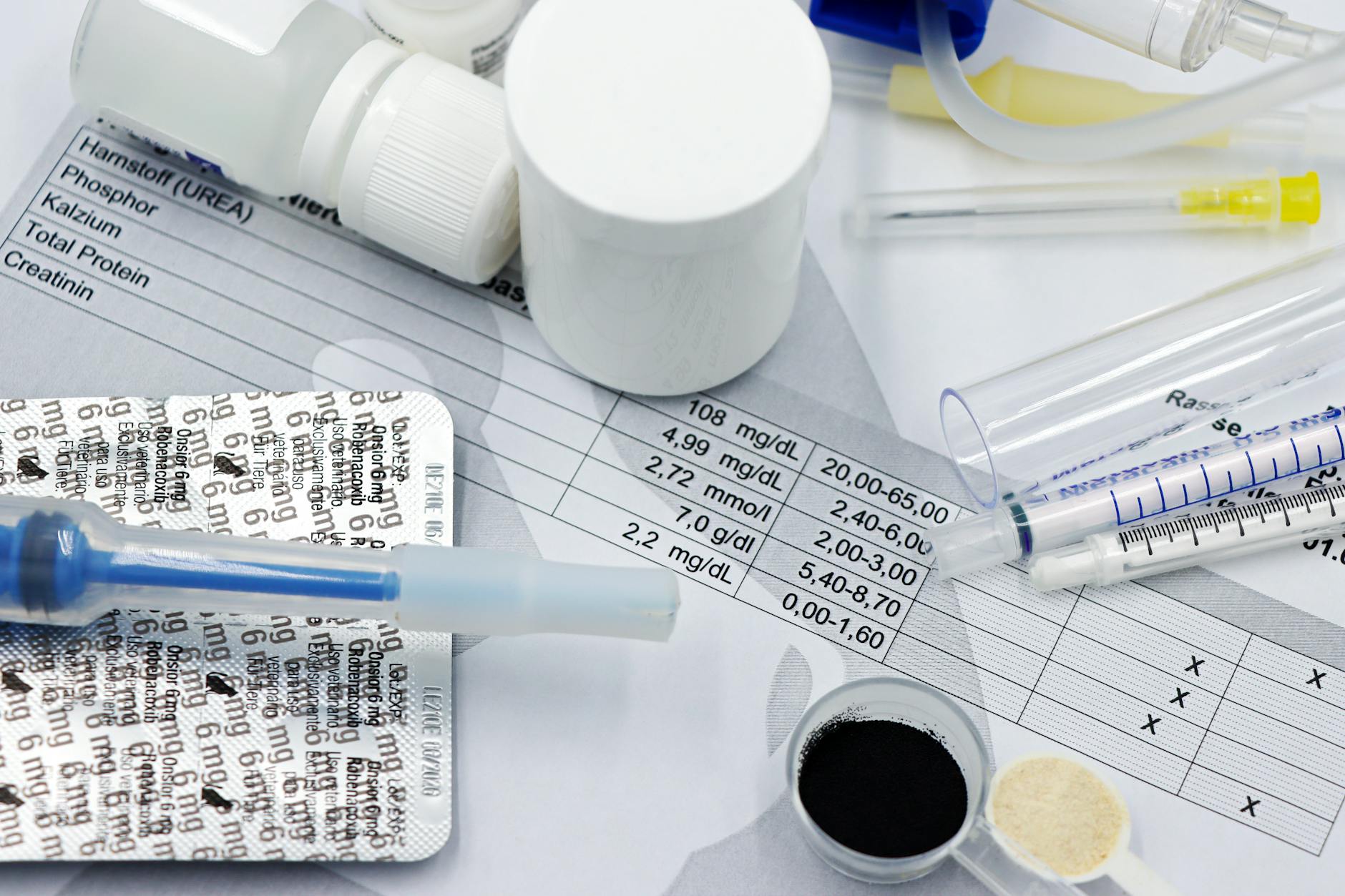
Photo by Marta Branco
They match the claim date against past notes. Say your dog claims for hip pain now, but limped six months ago. No coverage, even if the old note said “mild stiffness.”
Tip for you: Ask for your pet’s complete records now. Review them for accuracy and fix errors before buying a plan. One wrong note could cost you later.
Rules differ by company and state. Lemonade might exclude forever, while ASPCA covers curable issues after 180 symptom-free days. Always read your policy’s fine print.
Pre-existing vs hereditary and congenital: not the same thing
People mix up pre-existing with hereditary or congenital conditions. They’re different, and it affects coverage.
Hereditary issues come from genes, like hip dysplasia in Labs or heart murmurs in breeds like Boxers. Congenital means birth defects, such as cherry eye in dogs.
These often get covered if your pet never showed symptoms or got treatment before the policy. No limping or odd gait? Hip dysplasia might qualify as new.
But here’s the catch: if signs appeared first, it turns pre-existing. Your puppy with early bunny-hopping from hips? Excluded, even if hereditary. Same for a kitten with thirst from undiagnosed diabetes.
To sum up, the past matters. No prior clues means potential coverage for breed risks. Check breeds and family history upfront to set expectations.
What counts as a pre-existing condition in real life (with common examples)
You might wonder does pet insurance cover pre-existing conditions when your dog starts scratching or your cat limps after playtime. In practice, insurers look at your pet’s real-world history. Any sign of trouble before your policy starts counts, even mild ones like a single limp or itchy paws. They pull vet records to spot these flags. Common culprits include allergies, diabetes, and joint issues. These often stay excluded forever because they signal ongoing risks. Let’s break it down with everyday examples so you can check your own pet’s past.
Chronic problems that are almost always excluded once they show up
Chronic issues top the list of exclusions. Once symptoms appear or treatment starts, insurers rarely cover them later. These conditions need lifelong care, so companies see them as known costs, not surprises.
Take allergies that require daily meds. Your pup itches for weeks before you notice; one vet note flags it. Coverage skips future flare-ups and pills.
Diabetes works the same. Excessive thirst or weight loss shows up months early. Insulin shots become your bill, not the insurer’s.
Arthritis creeps in with stiff walks or trouble jumping. X-rays confirm it; no new policy pays for pain meds or joint supplements down the road.
Thyroid disease, like hypothyroidism, causes hair loss or lethargy. Blood tests lock it in as pre-existing.
Cancer hits hard. Any lump or odd behavior noted before signup means chemo or surgery stays out-of-pocket.
Recurring ear infections seal the deal too. Cleanings every few months? That’s a pattern insurers won’t touch.
These stay excluded because cures rarely exist. Meds manage them, but problems lurk. Even after a quiet spell, one old note blocks claims.
Injuries can count too, not just illnesses
Don’t think pre-existing skips injuries. A past sprain or cut on your pet’s leg counts for that body part. Insurers treat it as a weak spot prone to repeat.
Knee problems draw strict rules across plans. A torn ligament from rough play? Future fixes on that leg get denied. The other knee often falls under the same rule, called bilateral exclusion.
Sprains from jumps or slips work like this too. Your cat twists a paw last year; this year’s limp stays uncovered.
These exclusions cover accidents and illnesses alike. A simple vet log of “mild swelling” in records dooms claims. Always review history before signup to avoid shocks.
The gray area: “my pet had symptoms, but no diagnosis”
What if no one named the issue? Symptoms alone can mark it pre-existing. Insurers connect dots from notes.
Picture your dog scratching for months. You chalk it up to dry skin. Later, allergies get diagnosed post-policy. That early itching note? It blocks coverage. Vets jot “observed scratching”; claims teams see a pattern.
Mild signs matter most here. A quick limp after a walk or one vomit episode flags trouble.
To protect yourself, document when symptoms truly began. Note dates in your phone. Work with your vet to clarify records. Ask them to specify if issues resolved fully.
Quick checklist for your pet’s history:
- Past limps or stiffness in legs or hips?
- Allergy signs like constant scratching or red paws?
- Repeated infections in ears, eyes, or skin?
- Long-term meds for any reason?
- Weight changes, thirst, or energy dips?
Run through this now. Spot flags early, and you set realistic expectations for coverage.
Exceptions that can change the answer: curable conditions, symptom-free windows, and special plan features
You might think does pet insurance cover pre-existing conditions always means a hard no. Not quite. Some plans offer hope through “curable” exceptions. These let certain past issues become eligible later if your pet stays symptom-free and skips treatment for a set time. Think temporary infections that clear up fully, not lifelong woes. This rule gives second chances, but it depends on the provider and your state. Providers like ASPCA and Embrace lead with these options, while others stick to strict no’s. Let’s break it down so you know if it applies to your pet.
What “curable” means, and why it matters for future coverage
Curable conditions are health hiccups that heal completely. Your dog gets a stomach bug from bad food, takes meds for a week, then acts normal for months. No more vomiting, no pills needed. After a waiting period with zero signs, some insurers treat a new flare-up as fresh, not pre-existing.
Picture an ear infection that clears after drops. Your cat shakes its head once in a while pre-policy, but stays fine afterward. That quiet spell resets the clock. Coverage kicks in for the next round.
This differs from chronic troubles. Allergies that itch on and off, or hormone imbalances like hypothyroidism, rarely qualify. They simmer under the surface, so insurers exclude them forever once noted. Meds just manage; they don’t cure.
Why care? It opens doors for coverage down the road. Enroll now, wait out the period, and protect against repeats. Without this, one old vet note blocks claims for life. Check your pet’s records. Spot past bugs that vanished? You might score coverage later.
Common cure windows you may see (180 days, 6 months, or 365 days)
Plans set cure windows to test if issues truly resolved. As of early 2026, patterns emerge across providers. Many use 180 days symptom-free and treatment-free. Others pick 6 months or stretch to 365 days.
Here’s a quick look at major players:
| Provider | Cure Window for Curable Conditions | Key Limits |
|---|---|---|
| ASPCA | 180 days symptom-free | Knees and ligaments excluded forever |
| Embrace | 180 days symptom-free | Same knee/ligament rule applies |
| AKC | 365 days (select states only) | Covers some incurable too, but check state |
Lemonade, Trupanion, Healthy Paws, and Figo often follow 6-12 month industry norms for curable cases, though details vary. Your state tweaks this too. New Jersey eyes stricter proof rules by 2027.
The exact time hinges on the insurer, condition, and location. A UTI might need 180 days; a skin rash could take 365. Always get it in writing. Pull a sample policy or call before signup. One vague promise won’t hold up on claims.
Conditions that often do not qualify for “curable” exceptions
Not every past issue gets a pass. Providers draw firm lines on repeat offenders. Knee and ligament tears top the no-go list. Even in curable-friendly plans like ASPCA or Embrace, a prior sprain or rupture excludes that leg forever. The other side often follows suit under bilateral rules.
Chronic skin or allergy woes stay out too. Red paws from food triggers or hot spots that flare yearly? Old notes doom future meds. These signal ongoing battles, not quick fixes.
Long-term hormone diseases like diabetes or thyroid issues fall here. Blood sugar spikes or fur loss pre-policy mean insulin or pills remain your cost. No quiet window erases that pattern.
Other tough ones include hip dysplasia signs or recurring UTIs tied to stones. Insurers see high repeat risk. Review your pet’s history against these. If they match, expect permanent exclusions. Focus coverage on new, unrelated troubles instead. This keeps premiums in check while guarding surprises.
How to shop for pet insurance when your pet already has a history
Your pet has a past health issue. That does not mean you skip insurance. Shift your focus to plans that shield you from the next big bill. Does pet insurance cover pre existing conditions? No for the old problem. Yes for fresh accidents or illnesses unrelated to it. Get quotes from a few providers like ASPCA, Embrace, or Lemonade. Compare their waiting periods, curable rules, and how they handle knees or ligaments. Read each policy’s pre-existing definition closely. This way, you lock in protection for surprises ahead.
Pick a plan for what can still be covered: new accidents and new illnesses
Picture this. Your dog battles allergies with constant itching noted in vet records. That stays uncovered. But a sudden broken bone from a backyard tumble? Most plans pay for it. The same holds for a new ear infection or upset stomach not linked to allergies.
You change your thinking here. Insurance won’t fix the known issue. It guards against the unknown one that hits tomorrow. Pick a plan with solid coverage for accidents and unrelated illnesses. Check waiting periods too. Accidents often start after one to three days. Illnesses take 14 days or so.
Providers like Trupanion cover curable past issues if they fully resolve with proof. Focus on what your pet needs most. A senior dog with joint notes? Prioritize accident coverage for falls. Get multiple quotes online. Note how each handles your pet’s records. This keeps costs down while building real protection.
Accident-only vs accident and illness: what changes for pre-existing conditions
Accident-only plans cover breaks, cuts, and sprains. They skip illnesses like infections or cancer. Both types exclude pre-existing conditions. Past limps or allergies block claims either way.
Accident-only costs less. Say 20 to 30 bucks a month for a medium dog. Full accident and illness runs higher, around 40 to 60. If your cat has old skin woes, accident-only still pays for a swallowed toy or car bump. No coverage for flare-ups though.
Both pull vet records on claims. Symptoms before signup exclude that body part. Knees count as bilateral in most. One bad ligament flags both legs. Go accident-only for budget protection on new injuries. Upgrade to full if you want illness backup. Compare quotes side by side. Spot the best fit for your pet’s risks.
Questions to ask before you buy so there are no surprises later
Call providers or chat online. Get clear answers in writing. Point to policy pages if they dodge. Here are key questions to nail down:
- How do you define pre-existing? Do symptoms count without a diagnosis?
- Do you cover curable conditions? What is the symptom-free time, like 180 days for ASPCA or 365 for AKC?
- How do you treat knees and ligaments? Does one side exclude both under bilateral rules?
- Do you need an exam upfront or just vet records?
- What are your waiting periods for accidents and illnesses?
- How do you handle bilateral issues, like left knee versus right?
These pin down gaps. ASPCA skips knees forever if prior issues show. Embrace follows six to 12 months for curables. Trupanion wants proof of full cure. Save replies and sample policies. Enroll after you match one to your pet’s history. You avoid claim denials that sting.
Conclusion
Most pet insurance doesn’t cover pre-existing conditions. Plans exclude any illness or injury your pet showed signs of, got diagnosed for, or treated before the policy starts. This keeps costs fair for all owners.
Some providers give second chances on curable problems. ASPCA covers them after 180 days symptom-free. AKC waits 365 days in many states. Knees and ligaments often stay out forever, though.
Start coverage early with healthy pets to avoid gaps. Grab your pet’s vet records now. Spot past flags like allergies or limps.
Shop smart. Compare Embrace, Lemonade, Trupanion, and others. Read exact wording on cure windows and bilateral rules.