
Curable vs Incurable Pre Existing Conditions in Pet Insurance
Back to Pet Insurance Reviews
An unexpected vet bill can blow up fast, especially if a past ear infection flares up again. It’s a moment many pet owners recognize all too well. That moment sparks an important question about insurance and how pre existing conditions are treated.
Understanding what counts as a pre existing condition helps you pick the right plan. A pre existing condition means an issue that appeared or showed signs before your policy begins. The difference between curable vs incurable pre existing conditions in pet insurance matters because it can change what’s covered later.
Imagine your pet recovers fully from a past ear infection and stays symptom free for six months. In many policies, curable conditions may become eligible for coverage again after the waiting period. Incurable pre existing conditions, like ongoing diabetes or chronic arthritis, usually stay excluded forever if they existed before coverage started.
Different insurers handle this in distinct ways. For example, ASPCA Pet Insurance often allows coverage for curable pre existing conditions after a waiting period if there are no symptoms or treatment for a set time. Incurable conditions are not covered if they were present beforehand, but new, unrelated problems can still be insured.
Embrace Pet Insurance follows the general industry pattern by excluding incurable pre existing conditions yet offering potential coverage for new issues once a pet remains symptom free for a defined period. Always check the current rules for 2026, because policy details can change. With the right plan, you can protect your pet from fresh expenses while navigating past conditions more confidently.
Curable vs Incurable Pre Existing Conditions in Pet Insurance
Understanding how pre-existing conditions are defined helps you choose a pet insurance plan with confidence. This section explains the differences between curable and incurable conditions and what that means for coverage before and after you sign up.
Spotting Curable Conditions Your Pet Can Bounce Back From
- Ear infections: Typically fully treatable with drops or meds. After a symptom-free period, some insurers may re-cover related issues. Scenario: Your dog clears an ear infection and stays symptom-free for six months; if it flares again, coverage can kick back in for a new ear issue after the waiting period.
- Urinary tract infections (UTIs): Clear with antibiotics and fluids. If symptoms stay away for the required waiting time, future UTIs may be eligible for coverage. Scenario: A quick antibiotic course fixes a UTI and your cat stays well for several months.
- Respiratory infections: Usually resolved with rest and meds. After the waiting period, recurring infections might be covered if no symptoms return. Scenario: A short bout of kennel cough improves fully and remains silent for the waiting period.
- Vomiting or diarrhea (not chronic): Often a one-off event with a simple fix. If no ongoing symptoms for the specified waiting time, a new episode could be covered. Scenario: A brief gastroenteritis bout resolves; months later a new episode is treated under a fresh claim.
- Fractures: A broken bone heals with proper treatment and time. Once the pet is symptom-free for the waiting period, related future fractures may be considered for coverage if they’re not linked to a chronic condition. Scenario: A clean break heals with no lingering issues and the policy allows future fracture coverage after the waiting period.
- Short note on scope: These examples illustrate why curable conditions differ from lifelong ones. Waiting periods vary by insurer, but common patterns include a 180-day symptom-free window or a 365-day window for certain plans.
Recognizing Incurable Conditions That Stick Around for Life
- Diabetes: Requires ongoing management, insulin and monitoring. It stays excluded if present before coverage, like a lifelong companion you manage but never fully shake off. Scenario: Your pet needs daily insulin; coverage for this pre-existing issue remains unavailable, while new, unrelated health needs can still be eligible.
- Arthritis: Chronic stiffness and pain that persists with age. It’s considered incurable because it never fully goes away, even with treatment. Scenario: Routine pain management is ongoing, and coverage for a new, unrelated problem depends on waiting periods.
- Allergies: Skin or environmental allergies tend to require ongoing care. They’re typically excluded as pre-existing unless there’s a long symptom-free gap. Scenario: A season of itchy skin ends with no symptoms for months; a new allergy flare could be evaluated under the policy’s terms.
- Cancer: A serious, ongoing condition. It’s excluded if diagnosed before coverage starts. Scenario: If cancer is diagnosed before the policy begins, it usually won’t be covered, though new health events can be assessed separately.
- Hip dysplasia: A structural issue that often requires long-term management or surgery. It’s generally considered lifelong and excluded. Scenario: A dog with a known hip issue may still benefit from coverage for unrelated illnesses, subject to waiting periods.
- Heart disease: Chronic heart conditions require ongoing care. This stays excluded if present prior to signing up. Scenario: New heart-related concerns could be evaluated under the plan after the waiting period.
- Epilepsy: Recurrent seizures imply ongoing management. It’s treated as incurable for pre-existing status. Scenario: If seizures begin after coverage starts, they’re evaluated under policy terms; pre-existing epilepsy remains excluded.
- Kidney disease: Chronic and progressive in many cases. It’s excluded if present before coverage. Scenario: New, unrelated health issues can be covered after the waiting period, depending on policy rules.
- Quick analogy: Think of incurable conditions as a lifelong buddy that never fully leaves the room, while curable ones are like a visitor who comes, heals, and might return only under specific rules.
Table idea for quick scanning (curable vs incurable)
| Curable Examples | Incurable Examples |
|---|---|
| Ear infections | Diabetes |
| UTIs | Arthritis |
| Respiratory infections | Cancer |
| Vomiting/diarrhea (not chronic) | Hip dysplasia |
| Fractures | Heart disease |
| Kennel cough | Epilepsy |
Waiting periods matter. Standard waiting windows apply before coverage starts for new issues, and some insurers require a symptom-free interval of 180 days or 365 days for curable conditions to become eligible again. Always review the exact rules for your chosen plan, as they can vary by company and state.
How Major Pet Insurers Classify and Handle These Conditions
When you’re weighing curable versus incurable pre-existing conditions, it helps to see how big providers approach coverage. Different insurers draw clear lines between conditions that can fully heal and those that are lifelong companions. Knowing these rules before you sign up can save you surprises later and guide you toward a plan that fits your pet and your budget.
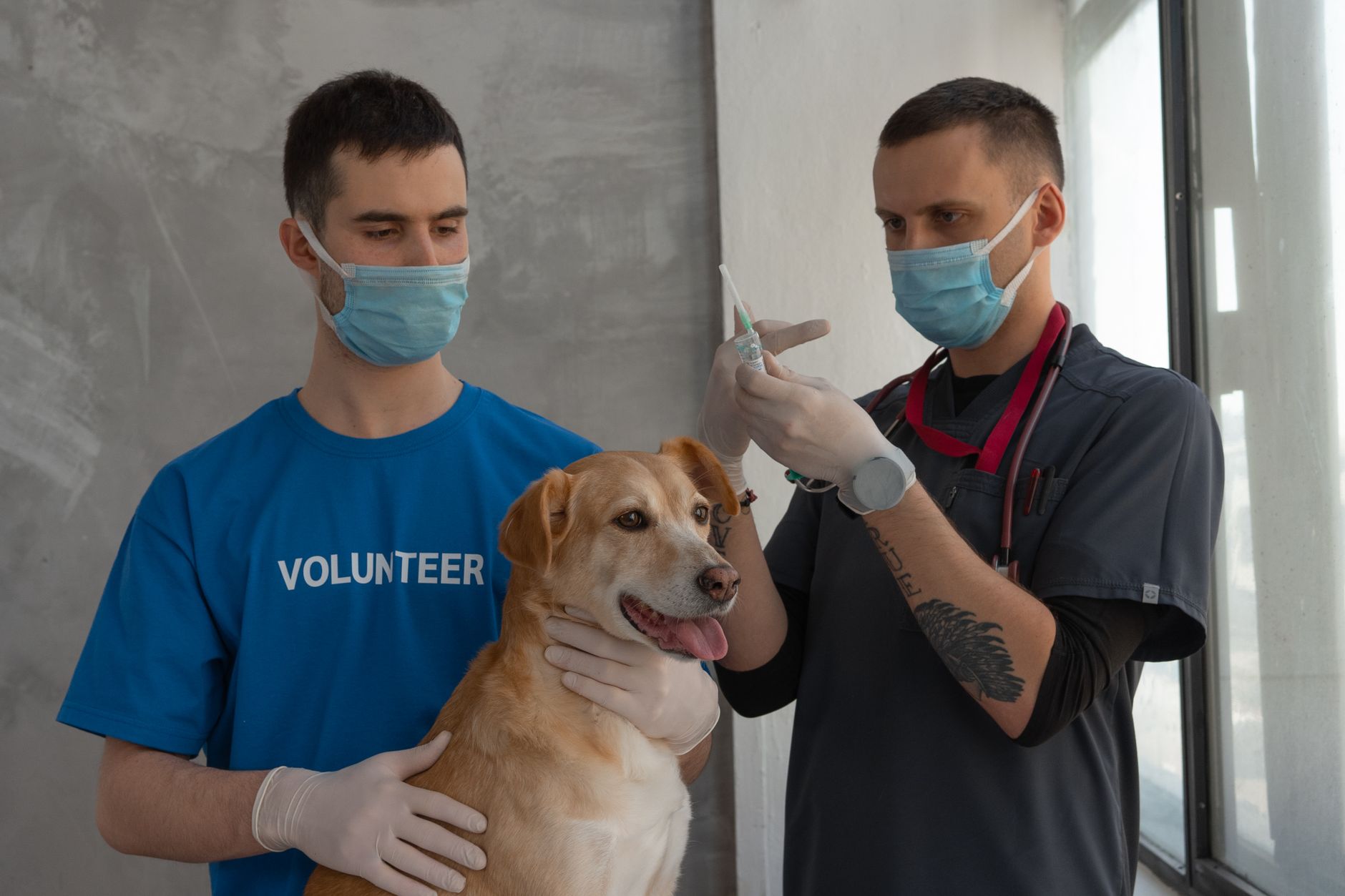 Photo by Mikhail Nilov
Waiting Periods That Can Unlock Future Coverage
Waiting periods are the most visible gatekeepers for curable conditions. They decide when a previously resolved issue could be reconsidered for coverage if it returns. Here are the practical takeaways from major players and 2026 trends:
- ASPCA Pet Insurance: If a curable condition fully resolves and your pet stays symptom-free for 180 days, related future episodes may be eligible for coverage again. This is a clear, fairly short long-term waiting period designed to confirm recovery.
- Embrace Pet Insurance: Embrace typically uses a longer symptom-free window of 12 consecutive months before re-evaluating a curable condition. If the pet has remained without symptoms or treatment for that year, coverage for a new episode may be possible.
- What counts as “symptom-free”? It means no signs, no ongoing meds, and no vet visits tied to that issue during the waiting period. This is where clear medical documentation matters because insurers rely on veterinary records to verify recovery.
- Real-world example: An ear infection treated with drops resolves and stays clear for six months. If a new ear issue arises after the 180-day ASPCA waiting period, it may be covered under the policy’s terms at that point. Under Embrace, the same ear issue would typically need a full 12 months of no symptoms or treatment to be reconsidered.
Incurable conditions never regain coverage under these waiting periods. If a condition is deemed lifelong by the insurer, it remains excluded even after recovery from new problems. This is a key difference to keep in mind when planning premium costs and coverage expectations.
Special Rules for Conditions on Both Sides of the Body
Bilateral conditions add complexity, especially when the problem affects one side first and a second side later. Here’s how major insurers tend to handle these scenarios and what it means for you:
- Bilateral coverage nuance: Some insurers may cover a previously untreated side if the condition on the other side is already considered curable and the pet remains symptom-free for the required waiting period. In practice, a left ear infection that was cured and a right ear infection that appears later could be treated under the new episode rules after waiting periods are satisfied.
- Pros for owners: This approach lets you pursue treatment for a genuinely new issue rather than being blocked by a past condition that has already healed. It aligns coverage with the current health needs rather than past diagnosis.
- Cons to consider: If the insurer classifies the second side’s issue as a recurrence of a previously pre-existing problem, it may be denied or limited. Accurate vet records and timely claims are essential to avoid misclassification.
- Example scenario: Your dog had an untreated left knee issue previously labeled curable in the policy. After recovery and a symptom-free period, a new issue in the right knee could be evaluated as a fresh condition. If it’s truly new and not a relapse, it may be eligible for coverage after the standard waiting period.
Knowing these bilateral rules helps you decide which policy best supports a pet that develops a new problem without rehashing past conditions. It also helps you communicate clearly with your vet and insurer to document genuine new health concerns.
Real Coverage Impacts: Wins and Limits for Your Wallet
Understanding how curable and incurable pre-existing conditions are treated can save you real money and prevent surprise bills. This section breaks down what happens after you sign a policy, how waiting periods work, and what to expect when your pet faces a new issue after recovery or when a lifelong condition is present. You’ll see practical examples, budget considerations, and tips to make the most of your coverage without feeling blindsided by the fine print.
When Curable Conditions Come Back and Get Covered Again
When a past issue fully heals and stays symptom-free for the defined waiting period, some plans reopen coverage for a new, unrelated flare-up. For many owners, this is the most tangible win in curable scenarios. For example, a UTI that cleared up with antibiotics and never returned for 12 months can be re-evaluated under coverage if a fresh UTI appears later, subject to the policy’s waiting period and reimbursement rules. This can turn a potentially large bill into a manageable, pre-approved expense rather than a full surprise cost.
A practical budgeting angle helps keep expectations aligned. imagine an ear infection that costs around $500 to treat upfront. If coverage resumes after a typical 12-month symptom-free period, you might pay the deductible and a portion of the cost on the new episode, while the rest is reimbursed at your chosen rate. In contrast, a chronic issue like diabetes or arthritis remains excluded for life, meaning ongoing costs for medications, monitoring, and vet visits would come out of pocket. The difference between a one-off, curable event and a lifelong condition is where most people feel the impact on monthly premiums and annual budgets.
Remember, waiting periods and what counts as symptom-free vary by insurer. Always verify how a given plan defines recurrence, and document medical history thoroughly so your vet can confirm recovery when the time comes. This clarity helps ensure you aren’t paying for coverage you never intended to receive, while still protecting your pet from fresh expenses.
 Photo by Karolina Grabowska | https://www.pexels.com/@karola-g
Navigating Permanent Exclusions Without Losing All Protection
Incurable conditions stay excluded, but the policy may still cover new, unrelated issues once the pet remains symptom-free for the required period. This distinction matters in real life budgets. Consider arthritis as a common example: if pre-existing arthritis is documented before coverage starts, you’ll typically see ongoing treatment excluded. Yet if the same pet later fractures a leg or develops an unrelated infection, those new health events may still be eligible for coverage after the waiting period.
A clear way to maximize value is to plan for two spending tracks. First, allocate a portion of your budget toward potential new issues that are covered, such as accidents or acute illnesses, which can be reimbursed after the waiting period. Second, recognize that chronic conditions you already carry forward from before enrollment will not be covered. If, for instance, a pet has a known, pre-existing diabetes, you’ll still want a plan that covers separate, new concerns like a skin infection or a torn ligament. Being honest with your vet about the pet’s full medical history ensures the claim is categorized correctly and reimbursed under the policy terms.
From a financial perspective, the contrast is stark. A year with a $500 ear infection could be largely offset by insurance if the ear issue is truly curable and eligible for coverage after the waiting period. On the other hand, ongoing diabetes can drive yearly costs into the thousands with insulin, vet visits, and monitoring, while curable episodes of the same pet can be covered if they recur as new issues. The key is understanding how your chosen plan defines curable versus incurable and planning for those two realities in your premium and deductible choices.
No matter which path you follow, the goal remains the same: protect your budget while ensuring your pet gets needed care. If you’re unsure about a claim, reach out to your insurer for a pre-claim review to see how a specific scenario would be treated under your policy terms.
Tips to Pick Pet Insurance That Fits Your Pet’s Past Health
Choosing a policy that fits your pet’s past health starts with honesty and a clear view of how pre-existing conditions are treated. The right plan can protect you from big bills while still giving your pet access to needed care. Below are practical steps to help you compare options and pick a policy that aligns with your pet’s health history.
Start with the complete medical history
- Gather all past diagnoses, treatments, and the dates they started or ended.
- Include every vet visit, even small issues, and note any ongoing meds or monitoring.
- Share this history with potential insurers upfront. Full disclosure reduces claim delays and helps you get accurate quotes.
- Why it matters: insurers use this history to decide which conditions are considered pre-existing and whether curable coverage might apply after a symptom-free period.
Focus on curable forgiveness timelines
- Look for policies that offer earlier forgiveness windows for curable conditions, typically 6 to 12 months of no symptoms or treatment.
- Ask whether coverage can resume for a new, unrelated problem after that symptom-free period.
- Compare how long each insurer requires you to wait before reconsidering a past condition. Shorter windows can save you money if your pet tends to have recurring, non-chronic issues.
Understand how waiting periods apply to past conditions
- Distinguish between waiting periods for new illnesses or injuries and the treatment history of past conditions.
- Confirm whether a past issue that appears again is treated as a recurrence or a new health event.
- Clarify whether bilateral or multi-site problems affect eligibility for future coverage. This can dramatically change cost and coverage.
Ask the right questions for quotes
- What counts as symptom-free for curable conditions in your plan?
- How many days or months must pass with no treatment or vet visits before coverage for a past issue can be reconsidered?
- Are there limits on coverage for new episodes after a past condition is deemed curable?
- Is there a dedicated pre-claim review to verify how a scenario would be treated?
- What are the deductibles, caps, and co-insurance for new health events versus ongoing issues?
Budget with a broader lens
- Beyond the deductible, review annual caps and how they reset.
- Consider a plan that offers a wellness add-on if you want routine care covered with minimal waiting.
- Weigh the value of guaranteed coverage for new problems against the cost of avoiding coverage for older, pre-existing issues.
Document everything for smoother claims
- Keep a calm, dated record of every symptom, vet note, and treatment.
- Save PDFs of test results and discharge summaries.
- When you file, provide clear medical history and the symptom-free period documentation. This makes it easier for the insurer to categorize new events correctly.
End with a clear call to review options
- Revisit your pets’ health history, list past conditions, and compare several quotes side by side.
- Make sure the plan you choose aligns with how it treats curable versus incurable pre-existing conditions in pet insurance.
- Schedule a final review with your vet and an insurer representative to confirm you’re selecting the best fit for your budget and your pet’s ongoing care.
Conclusion
Understanding the difference between curable and incurable pre-existing conditions in pet insurance helps you avoid bill shocks and choose wisely. If a past issue fully heals and remains symptom-free for the policy’s waiting period, some plans may reopen coverage for new, unrelated problems. In contrast, lifelong conditions like diabetes or cancer typically stay excluded, even after recovery. This distinction directly affects monthly costs, deductible choices, and the peace of mind you want when your pet needs care.
To make the best choice, review your pet’s medical history and compare how different insurers handle curable versus incurable pre-existing conditions. For example, some providers may offer coverage for curable issues after a symptom-free window, while others keep certain conditions permanently excluded. Getting accurate quotes from trusted options like ASPCA Pet Insurance and Embrace Pet Insurance can reveal how these rules play out in real terms for your pet.
Take action today: gather vet records, document past diagnoses, and request a pre-claim review if available. A well-chosen policy means you’re prepared for fresh health events and your budget stays protected, giving you and your pet true peace of mind. Your best protection starts with a clear plan.