
Pet Insurance in New Jersey
Back to Pet Insurance in the Northeast
Thinking about pet insurance in New Jersey for your furry pal? It’s a smart move, especially with the Garden State’s mix of city life and natural beauty. We all want the best for our pets, but vet bills can add up fast. This guide breaks down what you need to know about pet insurance in New Jersey, helping you figure out the best way to keep your pet healthy and your wallet happy. We’ll cover how it works, what to look for, and even some specific New Jersey considerations.
Key Takeaways
- Pet insurance in New Jersey works much like health insurance for people. You pay a monthly fee, and when your pet needs vet care, you submit a claim for reimbursement after paying the vet bill yourself.
- New Jersey’s environment, from tick-borne diseases like Lyme to coastal hazards, means specific risks for pets. Choosing a plan that covers a wide range of accidents and illnesses is important.
- When picking a plan, pay close attention to what’s covered and what’s not. Look at things like waiting periods, how much you get back (reimbursement rate), and how much you have to pay first (deductible).
- The cost of pet insurance in New Jersey can change based on your pet’s breed, age, and where you live. Urban areas might have higher costs due to pricier vet care.
- Some providers offer extra perks like 24/7 vet helplines or direct payment to vets, which can be really helpful when you’re dealing with a pet emergency.
Understanding Pet Insurance in New Jersey
How Pet Insurance Works
Pet insurance in New Jersey works a lot like health insurance for people, but for your furry friends. You pay a monthly fee, called a premium, to keep the policy active. When your pet gets sick or injured and needs to see a vet, you’ll typically pay the vet bill upfront. Then, you send a claim to your insurance company. After you’ve met your deductible (that’s the amount you pay before insurance kicks in), the company will reimburse you for a percentage of the bill, based on your plan’s reimbursement rate. It’s a way to manage unexpected vet costs so you’re not caught completely off guard.
- Pay monthly premium.
- Pay vet bill upfront.
- Submit a claim to the insurer.
- Receive reimbursement.
It’s important to remember that most policies have waiting periods. This means coverage doesn’t start the moment you sign up. There’s usually a short wait for accidents and a longer one for illnesses. Always check your policy details so you know exactly when your pet is covered.
Key Coverage Options for New Jersey Pets
When you’re looking at pet insurance plans, you’ll see a few main types of coverage. Most plans will cover accidents and illnesses. Accidents cover things like broken bones from a fall or ingesting something they shouldn’t have. Illnesses can range from infections to more serious conditions like cancer or diabetes. Some plans also offer a preventive care add-on. This can help with routine stuff like vaccinations, flea and tick treatments, and even dental cleanings. It’s good to think about what kind of care your pet might need and choose a plan that fits.
Here’s a quick look at common coverage types:
- Accidents: Injuries from falls, car accidents, cuts, poisoning.
- Illnesses: Infections, cancer, diabetes, digestive issues, heart disease.
- Preventive Care (Optional Add-on): Vaccinations, annual check-ups, flea/tick prevention, dental cleanings.
When to Get Pet Insurance for Your Companion
So, when’s the best time to get pet insurance? Honestly, the earlier the better. Getting a policy when your pet is young and healthy means you’ll likely pay lower premiums. Plus, it helps avoid issues with pre-existing conditions. If your pet already has a health problem when you sign up, that condition probably won’t be covered. Think of it like this: you wouldn’t wait until you’re sick to buy health insurance, right? The same idea applies to your pet. Even if your pet is older or has a minor condition, insurance can still be a good idea for unexpected emergencies. It’s never truly too late to consider a plan.
Navigating New Jersey’s Unique Pet Health Landscape
New Jersey’s got a bit of everything, right? From busy city streets to quiet woods and sandy beaches, our pets can run into all sorts of situations. It’s not just about keeping them safe from traffic; the environment itself can throw some curveballs.
Environmental Risks for Pets in the Garden State
Living in New Jersey means dealing with a variety of environmental factors that can affect your pet’s health. Ticks are a big one here, and they carry Lyme disease, which is pretty common in our state. You’ll find them in wooded areas, tall grass, and even your own backyard. Then there are the beaches and lakes. If your dog loves a swim, they could be exposed to harmful algal blooms in freshwater or face strong currents at the shore. It’s important to be aware of these local risks.
Common Wildlife and Waterway Hazards
Beyond ticks, New Jersey has its share of wildlife. While it’s cool to see a deer or a fox, these animals can sometimes pose a threat to our pets, especially if they feel cornered. Encounters with things like raccoons or even coyotes can happen, particularly if you live closer to rural areas or large parks. And as mentioned, our waterways, whether it’s the Atlantic coast or inland lakes, can have their own dangers, from pollution to strong tides.
Urban Living Challenges for Pets
If you’re in one of New Jersey’s cities, like Newark or Jersey City, your pet faces different challenges. More pets in a smaller space can mean more chances for them to pick up illnesses. There’s also the issue of pollution from cars and industry. Plus, the sheer number of people and other animals means more potential for accidents or unexpected run-ins. It’s a different kind of environment than a quiet suburban street, and it requires a different kind of awareness from pet owners.
The cost of vet care in New Jersey can be higher than in many other places. This is due to a mix of factors, including the cost of living and the demand for veterinary services. Being prepared for these higher costs can make a big difference when your pet needs medical attention.
Choosing the Right Pet Insurance Plan
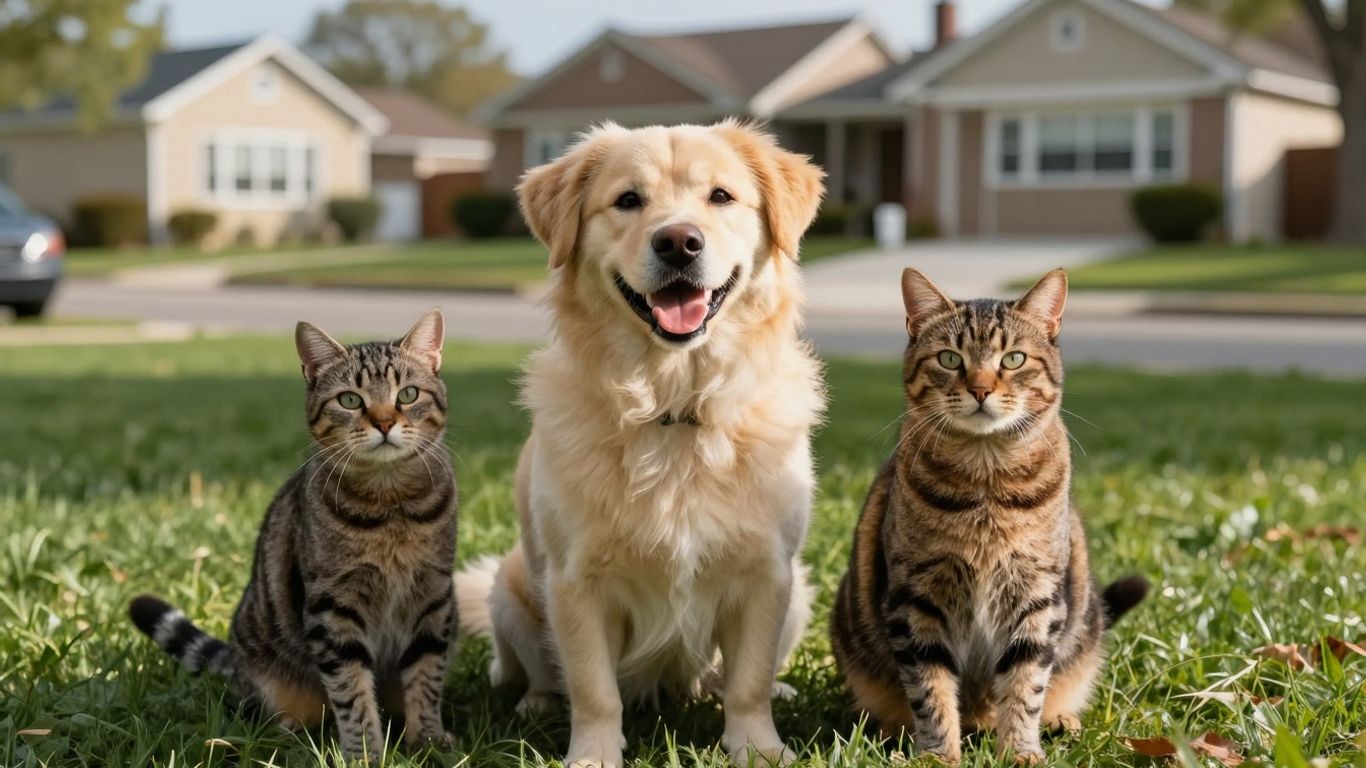
So, you’ve decided pet insurance is the way to go for your furry pal here in New Jersey. That’s a smart move, especially with vet costs that can sometimes feel like they’re climbing faster than a squirrel up an oak tree. But with so many plans out there, picking the right one can feel a bit like trying to herd cats. Let’s break down what really matters when you’re looking at the fine print.
Evaluating Policy Coverage and Exclusions
First things first, you need to know what you’re actually paying for. Most plans will cover accidents and illnesses, which is the big stuff. Think broken bones from a tumble in the park or a sudden tummy bug that needs a vet visit. Some policies also offer add-ons for things like routine check-ups and vaccinations, which can be handy if you want to budget for those predictable costs too.
But here’s the kicker: exclusions. Every policy has them. The most common one? Pre-existing conditions. If your pet already has a health issue before you sign up, or even during the waiting period, that condition likely won’t be covered. It’s super important to read this section carefully. Some plans might exclude specific hereditary conditions common to certain breeds, or maybe dental work unless it’s due to an accident. Don’t just skim this part; really dig in.
Understanding Reimbursement Rates and Deductibles
This is where the money part gets interesting. You’ll see terms like ‘reimbursement rate’ and ‘deductible’. The reimbursement rate is the percentage of the vet bill the insurance company will pay back to you after you’ve met your deductible. Common rates are 70%, 80%, or 90%. So, if you have an 80% reimbursement rate and a $500 bill after your deductible, you’ll get $400 back.
The deductible is the amount you have to pay out-of-pocket before the insurance kicks in. You’ll often see two types: per-incident or annual. A per-incident deductible means you pay it for each new condition or accident. An annual deductible means you pay it once per policy year, no matter how many times your pet needs care. For example, some companies let you adjust your deductible, set custom annual payouts, and change your reimbursement percentage to create a plan that fits your budget.
Here’s a quick look at how it works:
- Reimbursement Rate: The percentage the insurer pays back (e.g., 80%).
- Deductible: The amount you pay first (e.g., $500 annually).
- Your Out-of-Pocket Cost: The deductible plus the portion of the bill not reimbursed.
The Importance of Waiting Periods
Just like waiting for your favorite pizza delivery, there’s usually a waiting period with pet insurance before your coverage actually starts. This is pretty standard across the board. You’ll typically see different waiting periods for accidents versus illnesses. Accidents might be covered in as little as a day or two, while illnesses often have a longer wait, maybe 14 days or even longer. Some plans also have a separate waiting period for specific issues like orthopedic problems.
It’s easy to think you’ll never need it, but life with pets is unpredictable. Having a plan in place means you can focus on getting your pet the best care without the added worry of a massive bill. It’s about being prepared for the unexpected.
Don’t forget to check the waiting periods for things like cruciate ligament issues or hip dysplasia, as these can sometimes have extended waits. This is another reason why getting pet insurance for your dog before any problems pop up is a really good idea.
Factors Influencing Pet Insurance Costs
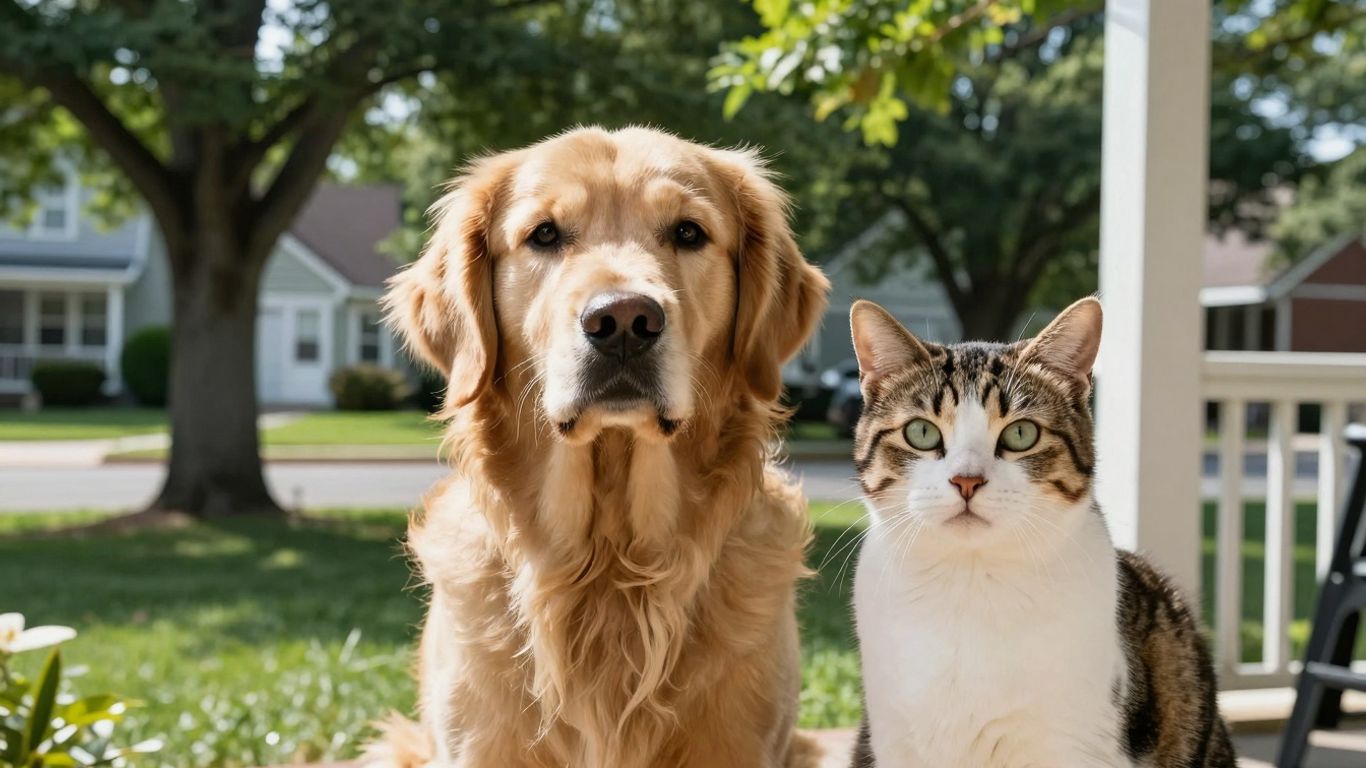
So, you’re looking into pet insurance for your furry pal here in New Jersey, and you’re probably wondering what makes the price go up or down. It’s not just a random number; a few key things play a big role in how much you’ll pay each month.
Impact of Annual Limits and Reimbursement Levels
Think about how much coverage you want. Do you want a plan that covers a huge chunk of vet bills every year, or are you okay with a smaller annual limit? Higher annual limits and reimbursement percentages mean you’ll pay more upfront, but you’ll get more back when you file a claim. For example, a plan that reimburses 90% of your vet bill will cost more per month than one that reimburses 70%.
It’s a trade-off between monthly cost and the amount you’re covered for when something unexpected happens. You can often adjust these settings to find a balance that works for your budget and your peace of mind. Getting a quote for New Jersey pet insurance can show you these differences in real-time.
Breed, Age, and Gender Considerations
Your pet’s own characteristics are a major factor. Certain breeds are just more prone to specific health issues. For instance, some breeds might have a higher chance of developing hip dysplasia or breathing problems, which can make their insurance premiums a bit higher. Older pets generally cost more to insure than younger ones because, well, they tend to need more vet visits as they age. And sometimes, even gender can play a small role, with male pets sometimes having slightly higher rates due to certain health risks.
Geographic Location and Veterinary Expenses
Where you live in New Jersey matters too. Veterinary costs can differ quite a bit from one town to another, especially between urban centers and more rural areas. If you live in a place where vet visits and specialized treatments are generally more expensive, your pet insurance premiums will likely reflect that. It’s one of those things you can’t really change, but it’s good to be aware of how your local cost of care impacts your policy price.
The cost of pet insurance isn’t static. It’s a dynamic figure influenced by the choices you make about coverage, your pet’s unique traits, and even where you hang your hat. Understanding these elements helps you make a more informed decision about protecting your pet without breaking the bank.
Here’s a quick look at how some factors might affect monthly costs:
- Species: Dogs often cost more than cats.
- Breed: Breeds with known genetic conditions can increase premiums.
- Age: Older pets typically have higher rates.
- Location: Areas with higher veterinary costs will have higher premiums.
Top Pet Insurance Providers in New Jersey
Picking the right pet insurance in New Jersey can feel like a puzzle, especially with so many companies out there. You want good coverage without breaking the bank, right? Let’s look at a few popular choices that New Jersey pet parents often consider.
Comparing Coverage and Affordability
When you’re comparing plans, it’s not just about the monthly price. You’ve got to look at what’s actually covered, what’s not, and how you get your money back. Most plans work by you paying the vet first, then sending in a claim to get reimbursed. The amount you get back depends on your deductible (what you pay first) and your reimbursement rate (the percentage the company pays after the deductible).
Here’s a quick look at some common features you’ll see:
- Annual Limits: Some plans have a cap on how much they’ll pay out each year, while others offer unlimited coverage. Unlimited is usually better if you can swing it.
- Reimbursement Levels: This is the percentage of the vet bill the insurance company will pay after you meet your deductible. Common options are 70%, 80%, or 90%.
- Deductibles: You choose how much you want to pay out-of-pocket before the insurance kicks in. Lower deductibles mean higher monthly premiums, and vice-versa.
It’s really important to read the fine print. What seems like a great deal can have a lot of exclusions, like pre-existing conditions or specific breed issues. Don’t be afraid to ask questions before you sign up.
Provider Spotlight: AKC Pet Insurance
AKC Pet Insurance is a well-known name, especially if you’re into purebred dogs. They often have plans that can cover a good range of accidents and illnesses. They tend to offer different reimbursement percentages and deductible amounts, letting you customize the plan a bit.
- Coverage: Generally covers accidents, illnesses, and hereditary conditions.
- Customization: You can often pick your reimbursement level (70-90%) and deductible ($100-$1,000).
- Limits: Many plans offer unlimited annual coverage, which is a big plus.
Provider Spotlight: ASPCA Pet Insurance
ASPCA Pet Insurance is another big player, known for its wide coverage options. They aim to cover a lot of different health issues, from common sicknesses to more serious accidents. They also provide flexibility in choosing your deductible and reimbursement rate.
- Broad Coverage: Known for covering a wide array of conditions.
- Flexibility: Offers choices for deductibles and reimbursement percentages.
- Potential Add-ons: Sometimes you can add wellness or preventive care coverage for an extra cost.
Provider Spotlight: Spot Pet Insurance
Spot Pet Insurance is often highlighted for its straightforward approach to waiting periods, which can be a big deal when you need coverage sooner rather than later. They also provide a good range of choices for deductibles and reimbursement rates, similar to others.
- Waiting Periods: Often noted for having clear and sometimes shorter waiting periods.
- Plan Options: Provides choices for reimbursement (70-90%) and deductibles ($100-$1,000).
- Unlimited Coverage: Typically offers unlimited annual maximums on payouts.
Essential Features for New Jersey Pet Owners
When you’re looking at pet insurance plans, especially here in New Jersey with all its unique environmental factors, some features really stand out. It’s not just about covering accidents and illnesses; it’s about having support when you need it most.
Accessing 24/7 Veterinary Helplines
Imagine it’s late on a Saturday night, and your dog suddenly seems unwell. What do you do? Having access to a 24/7 veterinary helpline can be a lifesaver. These services connect you with veterinary professionals who can offer immediate advice.
They can help you figure out if your pet’s issue is an emergency requiring a trip to the vet, or if it’s something that can wait until morning. This kind of support is particularly helpful in New Jersey, where risks like tick-borne diseases or even accidental ingestion of something harmful can happen at any hour.
Benefits of Direct Vet Payments
One of the biggest headaches with insurance is often the reimbursement process. You pay the vet bill upfront, then submit a claim, and wait for the money to come back. It can put a strain on your finances, especially for unexpected, large vet bills. Some pet insurance providers in New Jersey are starting to offer direct payment options. This means the insurance company pays the vet directly, cutting out the middleman and saving you from having to pay the full amount out-of-pocket. It’s a huge relief, especially when dealing with high veterinary costs, which can be quite common in the Garden State.
Considering Preventive Care Add-ons
While most policies focus on accidents and illnesses, don’t overlook the value of preventive care. Many providers offer add-on plans or riders that cover routine wellness services. This can include things like:
- Annual check-ups and physical exams
- Vaccinations (like rabies, distemper, and Bordetella)
- Flea, tick, and heartworm prevention
- Dental cleanings
These services help keep your pet healthy and can catch potential problems early, often before they become serious and expensive illnesses. Investing a little extra in preventive care can save you a lot down the line, both in terms of your pet’s well-being and your wallet.
Wrapping It Up
So, we’ve gone over a lot about pet insurance here in New Jersey. It can seem like a lot to figure out, with all the different plans and what they cover. But really, it boils down to making sure your furry family member gets the care they need without you having to worry about a massive bill. Think about what your pet needs, what you can afford, and then pick a plan that gives you both peace of mind. It’s a smart move for any pet owner in the Garden State.
Frequently Asked Questions
Is pet insurance really worth it for my pet?
For most pet parents, pet insurance is a smart idea. It can help a lot when unexpected vet bills pop up, making those tough times a little easier. Think of it as a safety net that gives you peace of mind and financial support if your pet gets sick or has an accident.
How does pet insurance actually work?
Pet insurance is pretty similar to health insurance for people. You pay a small amount each month, called a premium, to keep the plan active. When your pet needs to see the vet, you usually pay the vet bill first. Then, you send a claim to your insurance company, and they send you money back for a big part of the cost, depending on your plan’s rules.
When is the best time to get pet insurance for my dog?
The best time to get insurance for your dog is as soon as possible! Younger pets usually have lower monthly costs, and signing them up early means you won’t have to worry about them having ‘pre-existing’ conditions that insurance might not cover later. But even if your dog is older, it’s still a good idea to get insurance because they can still benefit from the help with vet costs.
What kind of things does basic cat insurance usually cover?
Basic cat insurance often covers a variety of health needs. This can include things like emergency surgeries, tests to figure out what’s wrong, staying at the vet, and treatments for sicknesses or infections. Some plans might also help with regular check-ups and shots.
What are some of the top pet insurance companies in New Jersey?
Based on what we’ve found, some of the leading pet insurance companies in New Jersey include AKC Pet Insurance, ASPCA Pet Insurance, and Spot Pet Insurance. The ‘best’ one really depends on what you’re looking for, like how much coverage you need, how much you want to pay each month, and how good their customer service is. It’s a good idea to compare a few before you decide.
What are some special things to look for in pet insurance for New Jersey?
Since New Jersey has unique outdoor risks like ticks carrying Lyme disease and potential issues with beaches and waterways, it’s smart to look for a plan with broad coverage. Also, having access to a 24/7 vet helpline is super helpful for quick advice. Some companies even let them pay your vet directly, which means you don’t have to wait for your money back.