
Best Plans for Aging Small Dogs
Back to Pet Insurance By State
Picture this: your little Chihuahua, now 10 years old, still chases squirrels in the yard with a wagging tail and bright eyes. She’s slowed a bit, but her spirit shines. Small dogs like her can thrive well into their golden years with the right care.
Small dogs often live 12-15 years, sometimes more. They hit senior status around age 8. That’s when joints stiffen, energy dips, and health needs shift.
These changes hit hard if you ignore them. Poor joints lead to pain and less playtime. Low energy means boredom; unhappiness follows. Good plans keep your dog comfy, active, and joyful.
In this post, we cover the best plans for aging small dogs. You’ll get tips on nutrition to fight weight gain, gentle exercise for strong muscles, home setups that ease movement, and vet care schedules that catch issues early.
Stick with us. You’ll find simple steps to give your senior pup more happy, healthy years.
Spot Early Signs Your Small Dog Needs Senior Care
Small dogs reach senior years around age 8. Their faster aging means changes show up quicker than in larger breeds. Spot these early, and you can roll out the best plans for aging small dogs to keep them comfortable.
Watch for slower walks, unexpected weight gain or loss, increased thirst or peeing, panting in mild temps, a dull coat, and behavior shifts. Arthritis stiffens joints; dental issues cause pain. Start daily checks now. Run your hands over legs for swelling. Note if your pup skips stairs or trembles. Track water bowl levels and potty habits. Jot down details to share with your vet.
Has your dog slowed down lately? These clues signal it’s time for action.
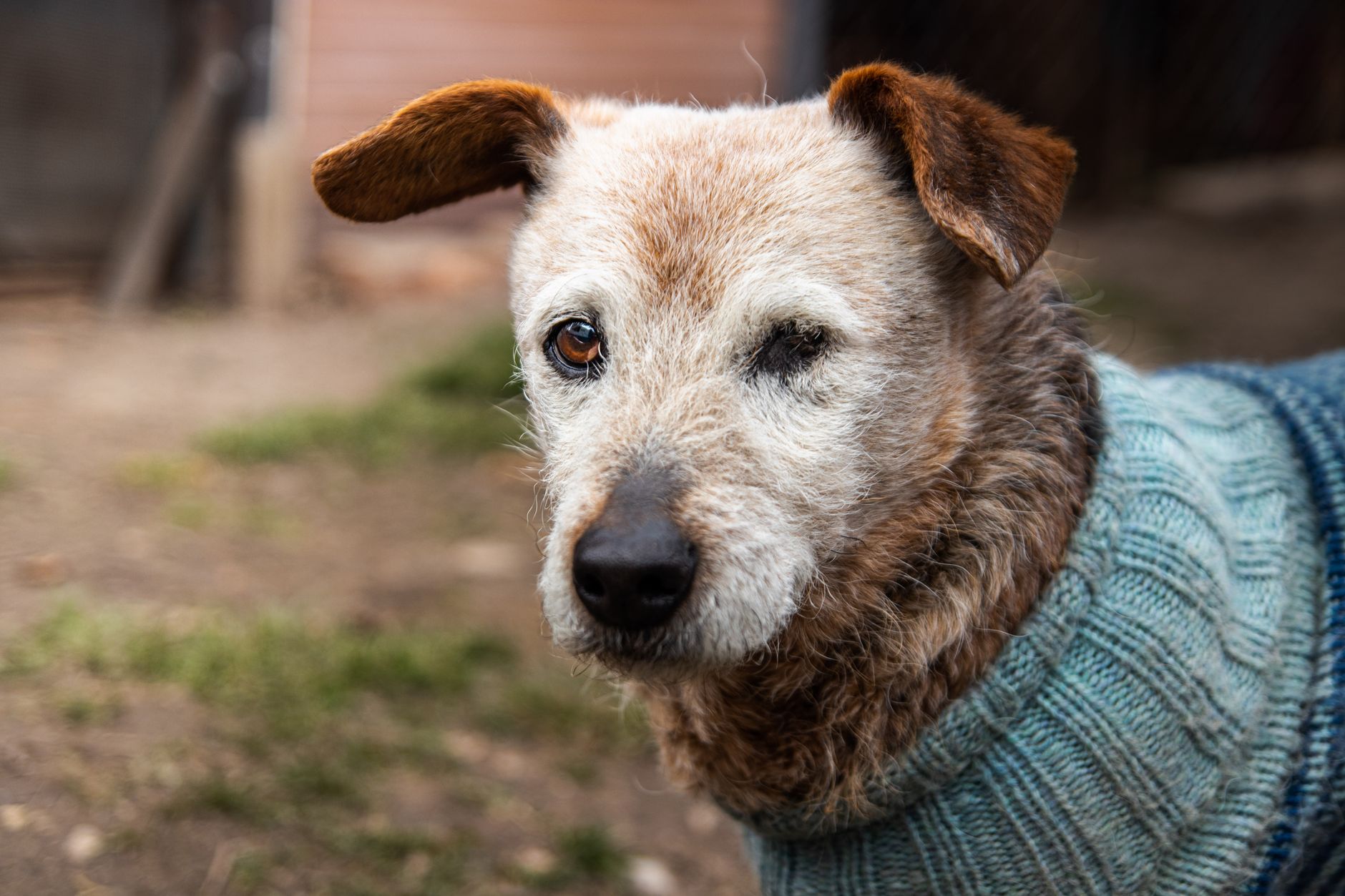
Photo by Dora Nagy
Physical Changes to Watch in Aging Small Dogs
Joint aches top the list. Your small dog may limp after naps or hesitate before jumps. Arthritis creeps in, causing stiffness. Check early signs of arthritis in senior dogs to stay ahead.
Weak teeth lead to bad breath or dropped food. Small breeds pack tight jaws, so plaque builds fast. Sensitivity to heat or cold hits harder too. Their small size means they feel temperature swings more. Note heavy panting on cool days or shivering indoors. Trouble jumping onto couches? That’s a red flag. Weigh your dog weekly. Sudden changes point to hidden issues. Act fast with vet visits and joint supplements.
Behavior Shifts That Signal It’s Time for New Plans
Less playtime stands out first. Your energetic pup now naps all day. Confusion sets in; they pace or stare blankly. More sleep, house accidents, or barking at nothing? These tie to brain health or pain.
Pain from joints or teeth makes dogs withdraw. Cognitive decline mimics dementia. Urge a vet talk right away. Share your notes on changes. Blood tests rule out thyroid issues or infections. Simple tweaks like puzzle toys or ramps help now. Early plans ease discomfort and boost joy. Don’t wait; these shifts demand prompt care.
Top Nutrition Plans to Support Aging Small Dogs
Nutrition stands at the heart of the best plans for aging small dogs. As your pup enters senior years, their metabolism slows, joints ache more, and digestion needs gentle care. Switch to senior formulas to manage these shifts. They pack fewer calories and less fat than adult foods, which helps control weight gain common in small breeds. Protein levels drop a bit too, easing strain on aging kidneys while supporting lean muscle. Always check with your vet before changes to avoid tummy upset.
Choosing the Right Senior Food and Treats
Adult dog foods often overload seniors with high calories and dense protein, leading to extra pounds and joint stress. Senior blends cut those back. They focus on weight control and dental health with smaller kibble pieces that scrub teeth as your dog chews.
Look for options boosted with glucosamine for joint support. Blue Buffalo Life Protection Formula Small Breed Senior offers real chicken plus this key ingredient. Others like Wellness Complete Health Small Breed Senior use turkey and peas for easy digestion.
Stick to low-calorie treats, under 5 calories each. Vet-approved dental chews or joint supplements fill gaps. Feed seniors apart from young dogs to prevent food fights or overeating.
Feeding Schedules and Hydration Tips
Split daily food into 3-4 small meals to boost digestion and steady energy. Large meals overwhelm slow systems, causing bloat or loose stools. Place fresh water bowls in every room; seniors forget to drink and dehydrate fast.
Watch for dry gums, sunken eyes, or skin that tents when pinched. These signal trouble. Add a splash of low-sodium broth to water if needed.
Sample portions for small breeds (adjust by weight and activity; consult your vet):
- Chihuahua (4-6 lbs): 1/4 to 1/2 cup kibble total daily.
- Yorkie (4-7 lbs): 1/3 to 2/3 cup total.
- Pomeranian (3-7 lbs): 1/4 to 1/2 cup total.
Follow senior dog feeding tips from vets for precise amounts. Slow the switch over 7-10 days to keep your pup happy and healthy.
Gentle Exercise Ideas for Senior Small Dogs
Your aging small dog still needs movement to stay limber and upbeat. These best plans for aging small dogs focus on low-key activities that protect joints while building strength. Go for short bursts often each day. This approach boosts mobility, lifts mood, and fights boredom. Start with 30 minutes total, split into 2-3 walks or games as your pup tires. Skip high jumps or rough play. On rainy days, shift indoors for safety.
Daily Walk Routines That Fit Small Seniors
Ease into walks at a slow pace. Let your dog pause to sniff; it adds mental perks without extra strain. Aim for two 10-15 minute outings morning and evening. Use a supportive harness over collars to spare the neck, especially with arthritis.
Watch for limps or heavy breathing, then cut back. Retractable leashes give freedom on flat paths, but keep them short near traffic. For bad weather, pace laps in a long hallway or yard figure-eights. Check safe exercises for arthritic senior dogs for more tweaks. Your pup will thank you with brighter eyes and steadier steps.
Fun Mental Games to Keep Minds Sharp
Keep brains active with no-jump games that tire pups gently. Puzzle toys stuffed with kibble challenge noses and paws. Scatter treats in a muffin tin covered by balls; watch your dog nose them out.
Hide bits of soft chew under blankets for scent hunts. These spark joy and slow cognitive slip. Do 5-10 minutes post-walk. Indoor focus suits all weather. Try senior dog play ideas for fresh twists. Strong minds mean happier seniors.
Home Setup Changes for Safe Aging Small Dogs
Your home shapes daily life for an aging small dog. These best plans for aging small dogs turn it into a safe haven. Simple tweaks cut injury risks and ease joint strain. Think ramps over jumps and clear paths. Your pup moves with confidence, stays active longer.
Mobility Aids Like Ramps and Better Beds
Jumps stress fragile joints in small seniors. Arthritis flares from leaps onto beds or couches. Skip them; use ramps or steps instead. A sturdy ramp lets your dog climb at their pace. Check top dog ramps for beds for non-slip surfaces and light weight.
Pick orthopedic beds with thick memory foam. They cradle hips and support spines. Raised edges keep your dog secure. Place beds in quiet, warm spots away from drafts. Near your bedroom works best for nighttime checks. Keep food and water bowls close too. These changes boost comfort fast.
Preventing Slips and Home Hazards
Slippery floors spell trouble for unsteady paws. Add non-slip mats in high-traffic spots like kitchens and hallways. Clear clutter from paths; tuck cords and toys away. Pad sharp furniture corners with foam guards.
Here are 10 key tweaks for a safer home:
- Lay washable rugs on tile or wood floors.
- Install baby gates at stairs.
- Position food, water, and potty pads nearby.
- Use low-entry litter boxes if needed.
- Add night lights in dark areas.
- Secure loose rugs with tape.
- Outfit your dog in a cozy coat for chill.
- Keep routines steady to lower stress.
- Block off drafty rooms.
- Check floors daily for spills.
Follow senior dog-proof home tips for more ideas. Your small senior thrives without tumbles.
Vet Visits and Grooming Routines for Long Life
Regular vet care and grooming form key parts of the best plans for aging small dogs. These steps catch problems early and keep your pup clean, comfortable, and healthy. Small seniors face joint pain, dental woes, and skin issues more often. Stick to a routine, and you’ll add quality years to their life.
Scheduling Checkups and Treatments
Book vet visits twice a year for small dogs over 8. Pups 11 and older need checkups every six months. Vets run full exams: blood work for kidney function, thyroid levels, and organ health; dental checks for plaque; joint tests for arthritis; and heart listens for murmurs.
Spot issues fast with these pros. For joint pain, ask about pain meds like NSAIDs, laser therapy to cut inflammation (see AKC on laser therapy), or acupuncture for relief (proven in dog studies). Early treatments ease stiffness and boost mobility. Your vet tailors plans to your dog’s needs.
Simple Daily Grooming to Stay Clean and Comfy
Groom daily to fend off skin infections and heart risks from dental bacteria. Small breeds tangle fast and pack plaque.
Start with brushing: Use a soft slicker brush 5 minutes daily to spread oils and check for lumps. Trim paw fur between pads to grip floors better.
For teeth, wipe with doggy toothpaste and finger brush twice weekly; offer vet chews. Nail trims every 2 weeks with clippers or grinder; cut tips only to dodge quicks.
Bathe monthly with oatmeal shampoo if smelly. Tools: Hertzko slicker brush, Virbac enzymatic toothpaste, Safari clippers. Clean pups stay itch-free and happy.
Conclusion
The best plans for aging small dogs boil down to smart nutrition, gentle exercise, home tweaks, and regular vet care. Feed senior formulas to control weight and support joints. Take short walks and play mind games to keep muscles strong and spirits high. Add ramps, orthopedic beds, and non-slip mats for safe moves around the house. Schedule checkups twice a year to catch issues early with blood tests, dental cleans, and joint aids.
Love tops every list. Extra cuddles, steady routines, and one-on-one time add years of joy. Your small senior craves affection as much as ever. These steps turn golden years into happy ones.