
Best Plans for Aging Large Dogs
Back to Pet Insurance By State
Remember Max, the Great Dane who bounded through parks in his prime? Now at seven years old, he struggles to rise from his bed, his joints ache, and his energy fades fast. These loyal giants steal our hearts, but they age quicker than small breeds.
Large dogs enter their senior years between six and nine years old. Their rapid growth shortens lifespans to eight to 12 years on average. That’s why proactive care matters now.
The best plans for aging large dogs keep them comfortable, mobile, and joyful. You’ll learn to spot early signs, adjust their diet, pick gentle exercises, schedule key vet visits, and tweak your home. These steps draw from 2026 veterinary guidelines, like those from AAHA and emerging trials.
Stick with us. Your big buddy deserves these years pain-free.
Spot the Signs Your Large Dog Is Aging
Large dogs over 50 pounds often reach senior status between six and eight years old. Giants topping 90 pounds may qualify even earlier, at six years. Their bigger frames put extra stress on joints and organs, speeding up wear and tear. Spot these changes early to craft the best plans for aging large dogs and keep your pal comfortable longer.
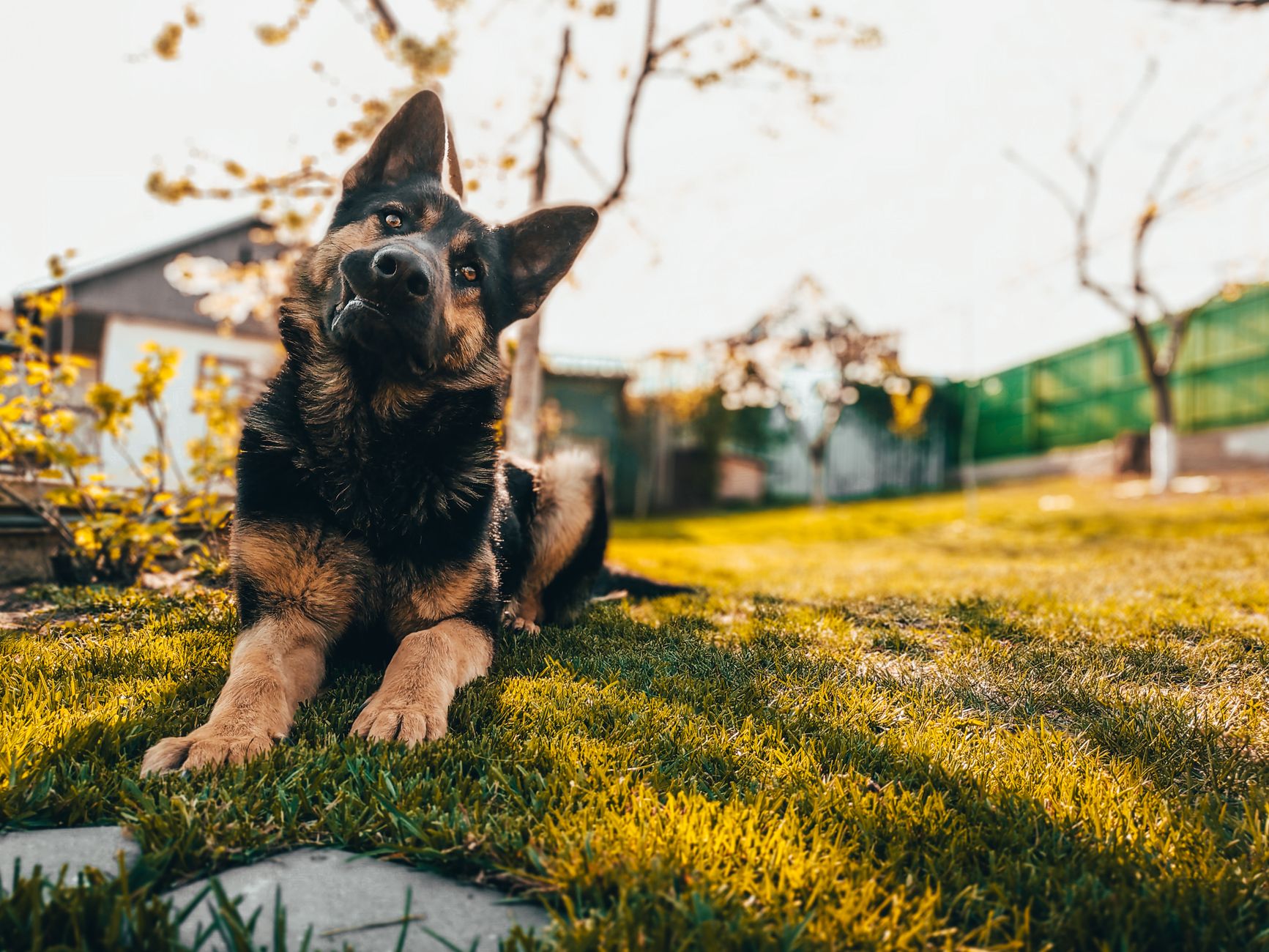
Photo by Borta
Key Physical and Behavior Changes
Watch for shifts in how your dog moves and acts. These clues signal it’s time for tweaks in care.
Physical signs often start small but grow obvious. Stiff joints lead to limping or hesitation on stairs. Your once-agile Lab might struggle to rise from a nap, much like Max the Great Dane in his park days now pauses before standing. Weight gain sneaks in from slower metabolism; extra pounds strain hips further. A dull coat, gray muzzle hairs, or bad breath point to dental buildup or poor nutrition. Slower walks, cloudy eyes, or bumping into furniture hint at vision loss. Hearing fades too, so your dog ignores calls. Indoor accidents increase with weaker bladder control or gut issues like constipation. Dehydration hits harder as thirst signals weaken.
Behavior flips follow suit. Expect more sleep, up to 20 hours a day. That ball-chaser now opts for couch naps. Less energy means skipped play sessions. Nighttime confusion, pacing, or whining suggests cognitive fog, common from brain changes tied to age and size.
These stem from heavy body weight overworking systems. Arthritis flares from joint stress. Weak immunity invites infections. Dental plaque breeds bacteria. Act fast: a vet check catches issues before they worsen. See details on physical and mental signs from the AKC.
Expected Lifespan for Popular Large Breeds
Lifespans vary by breed, care, and health habits. Most large dogs live eight to 12 years. Good diets, exercise, and vet plans stretch those years.
| Breed | Average Lifespan | Notes |
|---|---|---|
| Labrador Retriever | 10-12 years | Labs thrive with joint supplements and controlled calories. |
| Golden Retriever | 10-12 years | Cancer risks drop with routine screens and weight management. |
| German Shepherd | 9-11 years | Hip dysplasia common; early mobility aids help. |
| Rottweiler | 8-10 years | Heart issues loom; balanced nutrition extends time. |
| Great Dane | 7-10 years | True giants age fastest; focus on lean muscle. |
| Mastiff | 6-10 years | Bloat risk high; elevated bowls and small meals aid. |
Data draws from breed studies. Giants under 90 pounds often hit nine years with solid plans. Feed senior formulas, maintain ideal weight, and screen yearly. Check AKC lifespan stats for your breed. Early action boosts quality time together.
Top Nutrition Plans for Senior Large Dogs
Your large senior dog faces unique challenges like joint strain and slower metabolism. The best plans for aging large dogs start with tailored nutrition. These plans cut calories to fight weight gain yet keep protein high for muscle tone. They add joint helpers and gut boosters too. Follow AAFCO guidelines for balanced meals that match your dog’s needs.
Essential Nutrients for Joint and Overall Health
Senior large dogs need fewer calories than adults. They burn 12 to 20 percent less energy from less activity. Feed lower-calorie foods to hold ideal weight. Extra pounds stress hips and knees more.
Yet protein stays key. Aim for 25 to 32 percent on a dry matter basis from sources like chicken or fish. This fights muscle loss common in big breeds. High-quality protein supports lean mass without overload.
Omega-3 fatty acids ease joint pain and swelling. Target 700 to 1,500 mg of EPA and DHA daily from fish oil. These fats keep coats shiny and brains sharp too.
Antioxidants like vitamin E and beta-carotene boost immunity. They guard against cell damage from age. Add glucosamine, chondroitin, and MSM for cartilage repair. Probiotics aid digestion and gut health.
Lower phosphorus and sodium protect kidneys and heart. Always offer fresh water; seniors dehydrate fast. Skip table scraps. Get vet advice to tweak for your dog’s state. Check AAFCO nutrient profiles for baselines.
Recommended Senior Foods for Large Breeds
Pick AAFCO-approved formulas for adult maintenance. These suit seniors with joint aids and calorie control. Vets favor high-protein options that hold muscle.
Top 2026 picks include these standouts:
| Food Name | Key Features | Joint Support |
|---|---|---|
| Blue Buffalo Life Protection Formula Large Breed Senior | Chicken first, no fillers, fruits and veggies | Glucosamine, chondroitin |
| Nutro Natural Choice Large Breed Senior | Non-GMO, chicken lead, skin and coat aids | Natural glucosamine, chondroitin sources |
| Purina Pro Plan Bright Mind Adult 7+ | Brain health boost, feeding trials | Glucosamine, EPA omega-3s |
These control weight with fiber yet pack protein. For arthritis, ask about prescription lines like Hill’s j/d. See Dog Food Advisor senior ratings for reviews.
Smart Feeding Schedules and Tips
Split meals into two or three smaller ones daily. This aids digestion and cuts bloat risk in large breeds. Measure portions with a scale; follow bag guides but adjust for weight.
Watch ribs and waistline weekly. Feel ribs with light fat cover? You’re on track. Weigh monthly at the vet.
Transition foods over seven to ten days. Start with 25 percent new food mixed in. Bump to 50 percent on day three, then 75 percent. Full switch by day ten. This avoids tummy upset.
Elevate bowls for easy reach. Soak kibble if teeth weaken. Low-cal treats like green beans fill without calories. Track changes and vet-check twice yearly. Your dog stays comfy with these habits.
Safe Exercise Ideas and Mobility Aids
Large senior dogs need daily movement to build strength and keep their minds sharp. Short, low-impact sessions fit into the best plans for aging large dogs. Skip jumps, hard runs, or chasing games that stress joints. Pair exercise with tools to cut pain and boost confidence. These habits help your dog stay active without overload.
Gentle Activities to Keep Them Moving
Start with 10- to 15-minute walks on flat ground. Go slow and steady. Let your dog sniff and explore; this tires the brain in a good way. Watch for fatigue like heavy panting, lagging, or lip licking. Stop right then. These outings ease stiff joints and release feel-good chemicals.
Hydrotherapy shines for big breeds. Warm water supports weight, so legs move free. Try underwater treadmills or pools once or twice weekly. Sessions build muscle and cut swelling without ground pound. One study notes it improves gait in arthritic dogs. Check benefits of underwater treadmill therapy for details.
Swimming counts too, if your dog likes it. Use a life jacket for safety. Keep sessions short, five to ten minutes. No fetch in water; just paddle. These activities sharpen cognition and fight muscle loss. Always warm up with a gentle stretch. Your vet can guide based on health.
Helpful Tools for Better Mobility
Smart aids make movement easier and safer. They prevent slips and strains common in heavy seniors.
Pick orthopedic foam beds with thick memory foam. These cradle joints during rest and speed recovery. Place near food and water.
Add ramps for cars and beds. Foam or carpeted ones grip paws well. They replace jumps that jar hips.
Pet stairs suit couches or low beds. Look for wide, sturdy steps rated for 100-plus pounds. Folding models store easy. See top dog stairs reviews.
Lay non-slip mats at doors, tile floors, and bath areas. Cheap and simple, they stop skids.
Trim nails short every few weeks. Long ones cause poor footing. Groom paw fur between pads for better traction too.
These tools work together. Your dog gains freedom; you gain peace. Test one at a time to find favorites.
Vet Care Routine for Long-Term Wellness
Regular vet care anchors the best plans for aging large dogs. These giants face joint wear, organ strain, and hidden issues faster than smaller breeds. A solid routine catches problems early, customizes diets, and eases pain. You keep your dog mobile and happy longer. Let’s break it down.
How Often to Visit the Vet
Schedule twice-yearly full exams for your senior large dog. Vets recommend this from age seven on, or six for giants over 90 pounds. Annual visits won’t cut it; issues like kidney changes or arthritis brew quietly.
Each check includes blood work to track organ function, thyroid levels, and inflammation. Spot elevations early, and you adjust food or meds fast. Dental exams check for plaque buildup, a top pain source in big mouths. Your vet cleans teeth if needed and flags gum disease.
Diet reviews happen too. Bring food labels; vets craft custom plans based on weight, activity, and labs. They might suggest calorie cuts or joint boosters. Pups like Labs gain fast, so these tweaks prevent extra hip stress.
Follow this schedule for peace of mind. See vet visit guidelines for senior dogs to prep questions. Your dog thanks you with brighter days.
Proven Treatments and Supplements
Target joints first with proven supplements. Glucosamine builds cartilage; pair it with chondroitin to block enzymes that break it down. Add MSM for sulfur to reduce stiffness and swelling. Dasuquin with MSM suits large dogs over 60 pounds; vets often recommend it. Start after a vet okay, dosing by weight.
Pain meds like NSAIDs ease daily aches. Carprofen or meloxicam work well under supervision; they cut inflammation without drowsy side effects. Watch kidneys with blood checks.
Physical therapy strengthens muscles. Try laser therapy to boost healing or acupuncture for pain blocks. Sessions twice weekly improve gait in arthritic Labs and Danes.
Don’t skip dental care. Brush teeth daily with enzymatic paste; it fights bacteria. Pro cleanings every six to 12 months remove tartar under sedation. Bad teeth cause heart risks in seniors.
Combine these for results. Your vet tailors the mix, so book that next exam.
Simple Home Changes for Comfort
Simple tweaks to your home fit right into the best plans for aging large dogs. These changes cut strain on sore joints and boost daily ease. Your senior Lab or Dane moves freer, rests better, and stays less stressed. Start small; big results follow.
Easy Layout Tweaks
Clear paths first. Remove clutter from hallways and rooms. Wide aisles, at least 36 inches across, let your dog turn without bumping. Clear floors prevent trips on toys or cords.
Block stairs with baby gates rated for large dogs. Sturdy models over 40 inches tall keep them safe from falls. No stairs means no slips. See tips for accessible homes from dog trainers.
Cluster essentials close. Place food, water, and bed in one spot. Elevated bowls at chest height ease neck strain. Pick stainless steel stands for 100-pound pups. Add non-slip rugs at entries and slick tiles. They grip paws during turns.
Carve out quiet spots. A corner with thick bedding blocks noise and drafts. Your dog claims it for deep naps. These shifts make your space a haven.
Daily Routines and Mental Stimulation
Stick to set schedules. Feed at the same times; potty walks follow meals. Predictable days calm nerves and aid weak bladders.
Groom gently weekly. Brush coats to spread oils and spot lumps. Wipe faces and paws with damp cloths. Trim nails short for steady steps. It builds trust too.
Spark their brain with easy games. Fill Kongs with soft yogurt or peanut butter; freeze for slow licks. Puzzle toys hide treats in drawers your dog noses open. Snuffle mats scatter kibble in fabric folds for foraging fun.
Soft toys invite gentle chew sessions. Rotate a few to keep interest high. These beat boredom and slow cognitive slip. Check enrichment toy ideas for top picks. Your big senior thrives on this mix.
Conclusion
The best plans for aging large dogs boil down to five steps. Watch for signs like stiff joints and low energy. Feed senior formulas with joint support and controlled calories. Choose gentle walks, swims, or hydrotherapy to stay mobile. Book vet visits every six months for checks and treatments. Adjust your home with ramps, mats, and quiet spots.
Talk to your vet soon. They tailor these steps to your dog’s breed and health, like Max the Great Dane who now moves with ease.
Smart care adds happy, pain-free years. Your loyal giant bounces back stronger.