
Coverage for Parvo in Puppies: What Insurance Covers
Parvo strikes fear in new puppy owners. This nasty virus spreads like wildfire in unvaccinated pups under six months old. It hits 2 to 15 percent of them in the US, with death rates high without fast care.
Treatment isn’t cheap. Bills average $500 to $2,000 but can climb to $8,000 or more for hospital stays, IV fluids, and meds. Many wonder if pet insurance steps in for these costs.
Coverage for parvo in puppies usually kicks in with most plans. It pays for tests and treatment if your pup was healthy at signup and you clear the waiting period. But vaccine status, pre-existing signs, and those 14-day illness waits can block it.
This guide shows you exactly how it works. We’ll cover common exclusions and simple steps to pick a plan that protects your pup before sickness hits. Stick around to save stress and cash.
What parvo is and why fast treatment gets expensive
Parvovirus, or parvo, targets a puppy’s gut lining. It triggers brutal vomiting and diarrhea that strip fluids fast. Dehydration sets in quick, and without prompt care, the puppy weakens. Vets push hospitalization to deliver IV fluids and monitor closely. Pups under six months suffer most since their immune systems can’t fight back well. Delays raise death risk to 90 percent, but early action boosts survival to 85 percent or higher.
Bills skyrocket with fast treatment. You face tests, round-the-clock care, and meds that add up. That’s where coverage for parvo in puppies shines. It eases the hit if your plan covers accidents and illnesses. Let’s break down the signs, spread, and costs so you spot trouble early.
Signs of parvo in puppies and when it is an emergency
Puppies hide pain at first, but parvo hits hard. Watch for these top signs that scream trouble:
- Vomiting: Often starts sudden, with yellow bile or food chunks.
- Diarrhea: Foul-smelling, watery, and sometimes bloody (looks like raspberry jam).
- No appetite: Your pup skips meals or toys.
- Lethargy: Extreme tiredness; they slump or hide.
- Fever: Rectal temp over 103 degrees Fahrenheit.
Rush to an ER vet if your puppy shows repeated vomiting, blood in stool, weakness that won’t lift, or dehydration signs like dry gums, sunken eyes, or skin that tents when pinched. Young pups under 20 weeks need care fastest since they crash quick. Don’t wait for an at-home test or hope it passes; call your vet now. For more on symptoms, check the AKC’s guide on parvo in puppies.
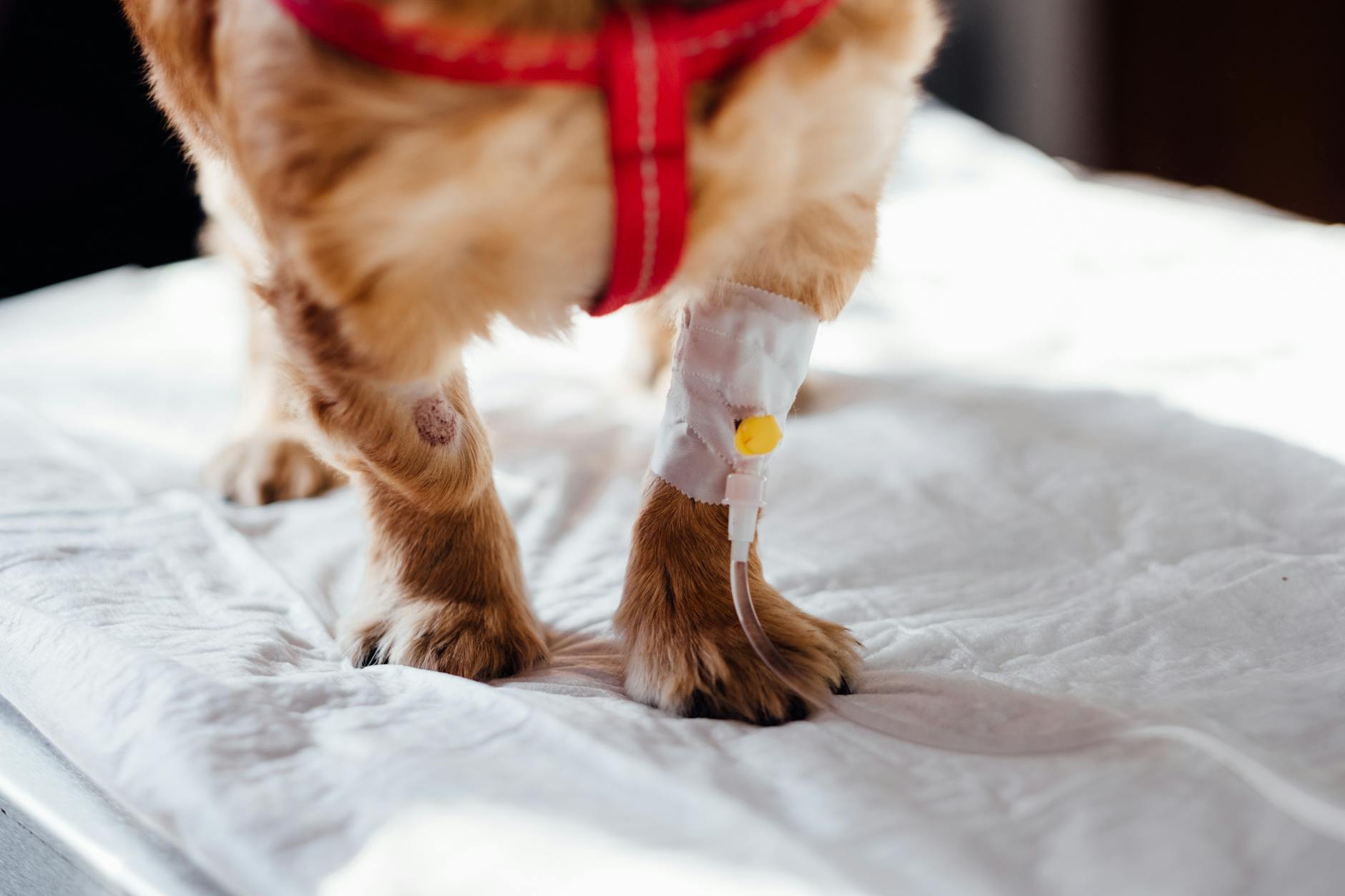
Photo by freestocks.org
How puppies catch parvo (and why it spreads so easily)
Parvo spreads through infected poop. Puppies sniff, lick, or step in it, then ingest the virus. It clings to surfaces like grass, floors, or toys and survives months in soil or shade. One sick dog contaminates a whole yard.
High-risk spots pack crowds of unvaccinated pups:
- Dog parks or trails.
- Pet stores and groomers.
- Shelters or rescues.
- Shared apartment potty pads or yards.
Smart habits keep it away. Wipe shoes before home entry. Skip public dog areas until vaccines finish at 16 weeks. Bathe new pups and quarantine them from strangers’ dogs. Vaccines work best; start at six to eight weeks with boosters. See PetMD’s overview for spread details.
Typical parvo treatment and the real cost drivers
Vets confirm parvo with a fecal snap test after an exam. Treatment focuses on support since no cure kills the virus. Here’s what stacks the bill:
- IV fluids: Rehydrates and balances electrolytes (biggest chunk).
- Anti-nausea drugs: Like Cerenia to stop vomiting.
- Antibiotics: Fight secondary infections.
- Pain meds and nutrition: Injections or feeding tubes.
- Hospital stay: Often 3-7 days in isolation to avoid spread.
- Rechecks: Bloodwork and follow-ups.
US costs range from $1,000 to $8,000. Mild cases at a regular vet hit the low end. Severe ones need 24/7 ER or specialty care, pushing $3,000 plus. Location matters; city clinics charge more. How sick the pup arrives and hospital days drive the total. Coverage for parvo in puppies offsets this if enrolled pre-symptoms. Act fast to cap costs.
Coverage for parvo in puppies: what pet insurance usually pays for (and what it does not)
Most pet insurance plans treat parvo as a covered illness. They step in for coverage for parvo in puppies if you sign up before any signs show and meet basic rules. Think diagnostics like fecal tests, hospital stays with IV fluids, antibiotics, and anti-nausea meds. Reimbursement works like this: you pay upfront, meet your deductible (say $250), then get back 70-90% of eligible costs up to annual limits like $5,000 or unlimited. Per-incident caps might apply too. A $3,000 bill could mean you pay $500 out of pocket after deductible and coinsurance. But not everything qualifies. Exam fees often fall under base plans, while routine shots do not. Check MoneyGeek’s guide on parvo coverage for insurer specifics.
When pet insurance will cover parvo treatment
Your puppy needs enrollment before symptoms start. No signs of vomiting or lethargy at signup. Most plans then impose a short wait: 1 to 14 days for illnesses like parvo. Vet visits count only after that period ends and your policy activates.
Once cleared, coverage for parvo in puppies hits key bills. Plans pay for:
- Diagnostics: Fecal snap tests and bloodwork to confirm.
- Hospitalization: IV fluids, monitoring in isolation (often the bulk of costs).
- Medications: Antibiotics for infections, pain relief, and nutrition support.
Trupanion, for example, covers these if vaccines stay current and no pre-existing issues exist, per their FAQ on parvo. Pick accident-and-illness plans for broad protection. You submit itemized bills post-treatment. Approval takes days to weeks. Save receipts right away.
Common reasons parvo claims get denied
Claims fail fast if rules slip. Insurers review records closely for parvo, a high-cost illness. Here’s what trips owners up most:
- Waiting period issues: Symptoms hit during the 1-14 day hold. Enroll early, but parvo incubates 3-10 days, so timing matters.
- Pre-existing conditions: Any vet note of diarrhea or vomiting before policy start counts. Even mild upset stomach flags it.
- Paperwork gaps: Missing itemized invoices or incomplete forms delay or deny.
- Inactive policy: Lapsed payments or enrollment after signs appear.
- Limits hit: Annual or per-condition caps reached from prior claims.
One owner faced a $7,000 bill denial over a pre-policy checkup note; see Embrace’s parvo claim story. Simple fix: store vet records digitally and snap photos of every invoice. Submit within 90 days usually.
Vaccines and wellness plans: how they relate to parvo coverage
Coverage for parvo in puppies pays treatment, not prevention. Base plans skip routine vaccines like the parvo shot series (starts at 6-8 weeks, boosters to 16 weeks). Add a wellness rider for that: $10-30 extra monthly covers exams, shots, and deworming.
Some insurers demand proof of vaccines for claims. Skip the schedule, and they might deny or question coverage. Unvaccinated pups raise red flags since parvo hits them hardest. Always ask your provider: “What vaccine records do you need?” Keep certificates handy.
Wellness plans shine for puppies. They bundle core care without separate deductibles. But treatment claims stay separate. Follow vet schedules to dodge issues. Your healthy pup deserves both layers of protection.
Waiting periods, pre-existing conditions, and the timing trap with puppies
Timing trips up most new puppy owners on coverage for parvo in puppies. You bring home a bouncy 10-week-old pup, sign up for insurance that day, and feel safe. But parvo lurks with a 3-to-10-day incubation. If symptoms hit during the policy’s hold period, your claim bounces. Enroll at eight weeks or earlier, before any vet visits flag gut issues. One overlooked checkup note can doom coverage. Let’s unpack these traps so you avoid them.
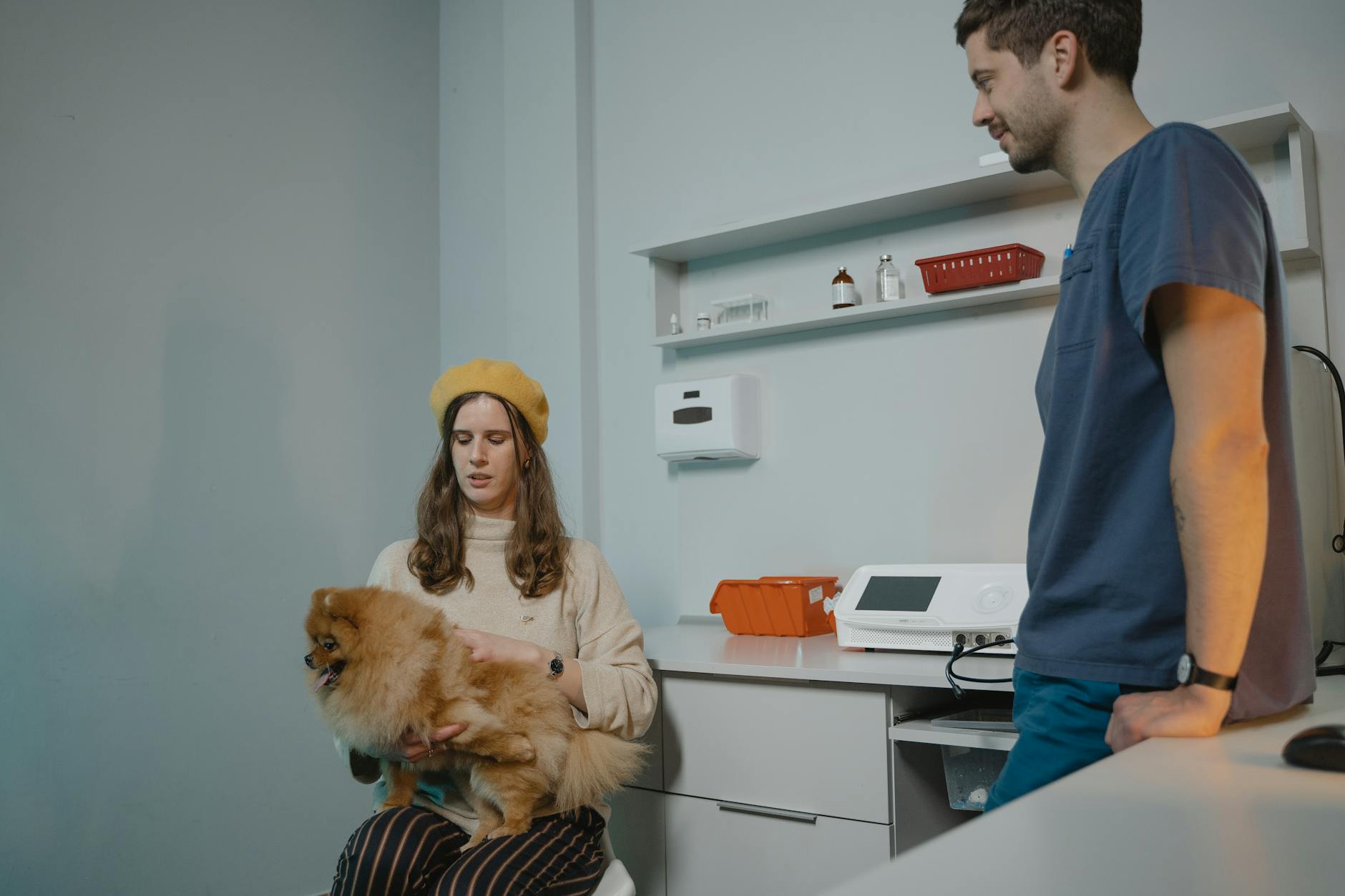
Photo by Tima Miroshnichenko
How illness waiting periods work for parvo claims
You buy the plan today. Coverage starts right away for accidents like falls. Illnesses wait. Parvo falls under illness, so you count days from the effective date.
Most plans hold 14 days. Some cut it to one or seven. Your puppy vomits on day five? No reimbursement. Parvo’s sneaky timeline matches these windows perfectly. Insurers set waits to dodge instant regrets from hidden symptoms.
Check your policy details. Ask: “What’s the exact illness wait for my breed and age?” Trupanion covers parvo post-wait if vaccines stay current, as noted in their FAQ. Short waits help, but read the fine print.
What counts as “pre-existing” for parvo and GI symptoms
Insurers define pre-existing as any sign, symptom, or diagnosis before policy start or during the wait. They pull full medical records. A single note kills claims.
Picture this: Your pup had loose stool at the breeder’s final check. Vet writes “diarrhea” or “gastroenteritis.” Two weeks later, parvo hits. Denied. Same for “vomiting,” “not eating,” or “lethargy.” Even stress colitis from the car ride counts if documented.
Enroll ASAP, ideally day one home. Schedule that baseline wellness exam right after coverage activates, if the plan allows. It sets a clean record. Providers like Rainwalk use your first post-policy vet visit as baseline if records lack recent exams; details in their coverage exclusions.
If your puppy had parvo before: can future issues ever be covered?
Full parvo recovery doesn’t always mean lifetime bans. Many plans exclude all pre-existing forever. Others call some “curable” after a symptom-free stretch.
Say your eight-week-old beat parvo at the shelter. You adopt at 12 weeks. Six months later, gut woes return. Curable policies might pay if 180 days passed without treatment, and a vet clears it.
Policies vary wildly. Get it in writing: “What’s your curable pre-existing rule? Time frame? Vet letter needed? Does it cover related issues like ongoing diarrhea?” Wagmo discusses parvo coverage limits in their puppies guide. Don’t assume; confirm before buying. Your questions protect future claims.
How to choose a plan that fits parvo risk, budget, and real-life vet bills
You want coverage for parvo in puppies that matches your wallet and your pup’s needs. High parvo risk means you pick plans with solid illness protection and high limits to handle big bills. Balance that with monthly premiums you can afford. Key knobs include deductibles ($100 to $1,000), reimbursement rates (70 to 100 percent), annual limits ($5,000 to unlimited), and extras like exam fees or prescription food. Top 2026 providers such as Figo, Embrace, CarePlus via Chewy and Trupanion, and Pets Best offer these options. Details shift by state, age, and breed, so get quotes. Compare a few to avoid overload.
Key features to look for if you are worried about parvo
Focus on plans that tackle parvo head-on. Strong illness coverage pays for diagnostics, hospitalization, and meds. Hunt for high annual limits or unlimited payouts since parvo bills spike fast. Emergency and overnight care must count too; that’s often 70 percent of costs.
Aim for 80 to 90 percent reimbursement. A $500 deductible works for most emergencies, but lower ones cost more monthly. Tradeoffs hit your premium: 90 percent back with a $250 deductible runs $50 to $80 a month for puppies. Drop to 70 percent and $1,000 deductible, and it falls to $30. Embrace covers parvo treatment details here. Check if exam fees and prescription food join in; many top plans do.
Plan types and add-ons: accident and illness vs wellness
Accident and illness plans handle parvo treatment like IVs and antibiotics. They skip routine stuff. Wellness add-ons cover vaccines and checkups, key for parvo prevention.
Base plans ignore shots, but add-ons reimburse $150 to $450 yearly with caps. Your local puppy parvo vaccine series might run $100 to $200 total. Crunch numbers: if shots cost $25 each and you need four boosters, a $200 cap pays most. Fetch explains the split in their guide. Skip wellness if budget’s tight; it adds $10 to $25 monthly. Pair it with accident and illness for full guard.
Providers like Spot and Figo bundle options well. Lemonade keeps it simple for emergencies.
Smart questions to ask before you enroll (so you do not get surprised later)
Fire off these questions to lock in clear coverage for parvo in puppies. Copy them for quotes.
- What is the illness waiting period?
- Are exam fees covered?
- Any annual or per-incident limits?
- Any vaccine requirements for parvo claims?
- How do you define pre-existing signs?
- How do you handle curable conditions?
- What documents do you need to file a claim?
Agents answer fast. Trupanion’s comparison tool shows how they stack up against others. Notes from calls save headaches.
Realistic cost example: how reimbursement might look on a parvo bill
Say your pup racks up a $4,000 parvo bill: tests ($300), three-day hospital stay ($2,500), meds ($1,000), and follow-ups ($200). You pick a $500 deductible, 80 percent reimbursement, and $10,000 annual limit.
You pay the first $500 upfront. Eligible costs total $3,500 after that. Insurance sends back 80 percent, or $2,800. Your net: $1,200 out of pocket. Real cases climb higher; owners report $7,000 plus with big reimbursements on unlimited plans like CarePlus.
| Bill Item | Cost | After $500 Deductible | Reimbursed (80%) | You Pay |
|---|---|---|---|---|
| Tests | $300 | $300 | $240 | $60 |
| Hospital | $2,500 | $2,500 | $2,000 | $500 |
| Meds | $1,000 | $1,000 | $800 | $200 |
| Follow-up | $200 | $200 | $160 | $40 |
| Total | $4,000 | $3,500 | $2,800 | $1,200 |
Coverage hinges on policy terms. See MoneyGeek for parvo specifics. Quotes from Fetch or Pets Best show your math.
Conclusion
Coverage for parvo in puppies works well with most plans if you enroll early and dodge common traps like waiting periods or pre-existing notes. Keep vet records clean, stay on vaccine schedules, and pick policies with solid illness protection to handle those steep bills.
Your next move stays simple. Grab quotes from top picks like Embrace, Trupanion, or Figo. Read the sample policy word for word. Then call the insurer with your key questions on waits, limits, and vaccines. This setup guards your pup without surprises.
Back to Pet Insurance By State