
Vaccine coverage for indoor cats (core shots, schedule, and boosters)
Your cat never goes outside, yet life still comes through the front door. Germs hitch rides on shoes, delivery boxes, guests’ hands, and even a new kitten. All it takes is one escape dash, a bat in the house, or a quick boarding stay to turn “safe indoors” into real exposure.
Vaccine coverage for indoor cats simply means this, which diseases your cat is protected from, which shots do the protecting, and how often they need repeats. For most healthy cats in the US, core protection centers on FVRCP (feline herpesvirus, calicivirus, panleukopenia) plus rabies. Many vets also treat feline leukemia virus (FeLV) as a must for kittens, even if they’ll live indoors, because early life risk is higher and outcomes can be severe.
This guide walks through the usual kitten series (given every 3 to 4 weeks until about 16 to 20 weeks), the 1-year booster, and the adult booster rhythm after that (often every 1 to 3 years, depending on the vaccine and your cat). It’s general guidance, your veterinarian will tailor it to age, health, local rabies laws, and your home’s real-world risk.
Why indoor cats still need vaccines
Indoor-only cats live safer lives, no question. But indoor-only doesn’t mean zero risk. Think of your home like a clean kitchen, you still wash your hands because germs travel. Vaccine coverage for indoor cats is built around that idea: protect against the problems you can’t always see coming.
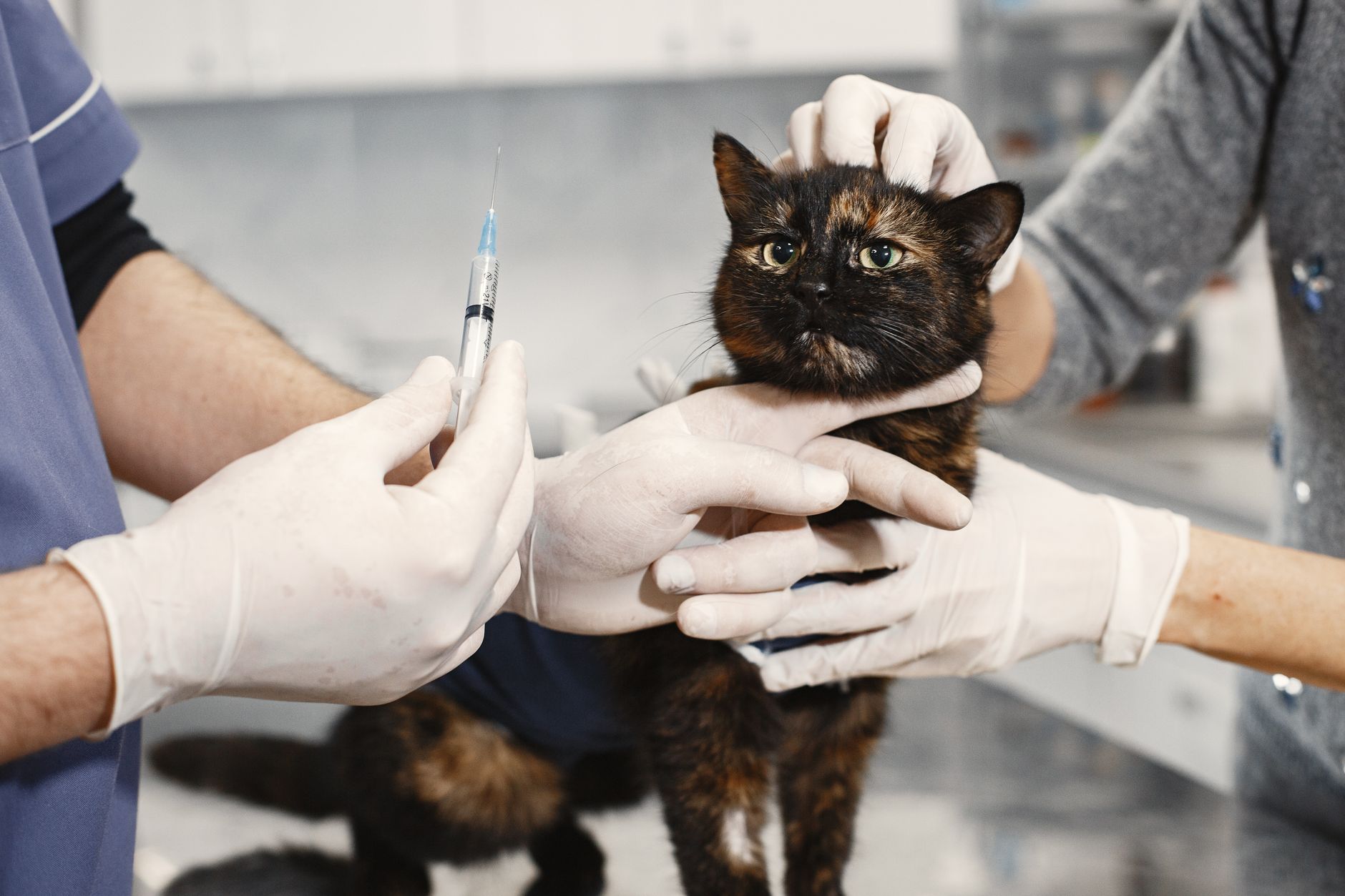
Photo by Gustavo Fring
Germs can hitch a ride indoors
You don’t have to take your cat outside for outside to show up. Viruses and bacteria can ride in on everyday stuff, especially when you share spaces with other people and pets.
Common ways exposure happens include:
- Hands and clothing after petting another cat or visiting a home with a sick pet.
- Shoes after walking through hallways, stairwells, lobbies, and sidewalks (a big one for apartment living).
- Carriers and crates that were stored in garages, shared with another pet, or used for travel.
- Shared surfaces during vet visits, grooming, or boarding, like exam tables, waiting rooms, and kennels.
Some respiratory viruses spread fast once they’re in the same airspace. Even if your cat never meets another cat face-to-face, contaminated objects (fomites) can play a role, and some germs can hang around on surfaces long enough to matter. That’s one reason vets keep core vaccines like FVRCP on the table for indoor cats, it helps cover the most common contagious threats that show up in real life. For a practical overview of indoor exposure routes, VCA’s guidance on vaccinating your indoor cat lays it out clearly.
The “escape” risk and surprise visitors
Most “my cat never goes outside” stories have an asterisk. Cats are quick, quiet, and curious, and life gets chaotic.
A few classic scenarios:
- Door-dash escapes when you’re carrying groceries, taking out trash, or greeting guests.
- Torn screens or a window left cracked on a warm day.
- Moving day (or renovations) with doors propped open and boxes everywhere.
- Pet sitters who aren’t used to your cat’s habits.
- Maintenance workers entering and exiting, sometimes leaving a door ajar.
- Wildlife surprises like a bat or raccoon getting into an attic, basement, or garage.
Vets plan for the unexpected because it happens to calm, careful people too. A vaccine isn’t a promise that nothing will ever go wrong, it’s a seatbelt. You hope you never need it, but you’ll be glad it’s there if the day gets weird.
If your cat ever needs emergency care, vaccines matter
Vaccines also have a practical side that has nothing to do with day-to-day life. If your cat needs urgent help, proof of vaccination can speed up what happens next.
In many areas, you’ll run into vaccine requirements with:
- Boarding facilities and day care
- Shelters and rescues (even short-term stays)
- Some clinics and grooming setups, especially during outbreaks
Rabies vaccination is the big one. Rabies isn’t just a pet health issue, it’s a public health issue, and rules often apply even if your cat lives indoors. If your cat bites someone (a visitor, a sitter, a vet tech during a painful emergency), vaccination status can affect what comes next, including quarantine rules. VCA also explains this broader risk in its article on indoor cats and infectious disease.
The bottom line: indoor life lowers risk, it doesn’t erase it. Vaccines are how you keep those “low odds” moments from becoming high-stakes problems.
Core vaccines for indoor cats: what they cover and why they matter
Core vaccines protect nearly every cat from the worst threats. Vets call them “core” because the risks hit almost all cats, indoor or not. For vaccine coverage for indoor cats, two stand out: FVRCP and rabies. FVRCP fights off common viruses that cause upper respiratory woes and gut disasters. Rabies stops a sure killer dead in its tracks. These shots build strong defenses your cat needs, even in a closed home. They cut illness odds and save lives when germs sneak past your front door.
Skip them, and a simple vet trip or guest could spell trouble. Get them right, and your cat stays one step ahead. Let’s break down each one.
FVRCP (distemper combo): the must-have indoor cat vaccine
FVRCP packs protection into one shot. It targets feline herpesvirus-1 (FHV-1), calicivirus (FCV), and panleukopenia (FPV). Your indoor cat gets full coverage against these fast-spreaders.
FHV-1 sparks fever, sneezing, eye ulcers, and runny nose; it lingers for life and flares under stress. Calicivirus brings mouth sores, drooling, limping, and pneumonia; some cats carry it without symptoms and pass it on. Panleukopenia attacks white blood cells and gut lining, causing bloody diarrhea, vomiting, and death in up to 90% of untreated kittens.
Respiratory bugs like FHV-1 and FCV zip through air or touch. They stick to hands, crates, or shoes for days. Panleukopenia lives even longer on surfaces. That’s why indoor cats face real danger. A new pet, a groomer visit, or shared waiting room air does it. PetMD details how FVRCP shields all cats, indoor included.
This combo shot matters because outbreaks hit homes too. It keeps sniffles from turning deadly.
Rabies vaccine: the one that’s often required by law
Rabies ends in death once symptoms start. No cure exists, so shots prevent it outright. Almost every U.S. state demands rabies vaccines for cats over four months old. Yes, that covers your couch potato too.
Laws stem from rabies jumping to people. Indoor cats aren’t safe. Bats flutter into attics or bedrooms at night. An escape lets strays bite through a screen door. Or a raccoon scratches during a rare outdoor scare. Even a hidden bite from boarding goes unnoticed.
Proof of rabies shot eases emergencies. Bite a guest? Current vaccine skips long quarantine. Cornell Vet explains why indoor cats can’t skip it. One quick jab buys peace and follows the rules.
How vets decide between 1-year and 3-year boosters
Boosters keep immunity strong, but timing varies. Vaccine brands dictate 1-year or 3-year labels. Local laws seal the deal, especially for rabies.
First things first: the “3-year vaccine” skips your initial booster. Kittens finish their series, then get a one-year check no matter what. After that, low-risk indoor cats often stretch to three years. High-contact cats (think boarding) stick yearly.
Your vet picks based on your cat’s history, product used, and area rules. AAHA guidelines outline core vaccine rhythms, stressing tailored plans. Overdue? One dose restarts protection.
This setup matches real life. It saves trips while holding the line against threats.
Indoor cat vaccine schedule by age: kittens, adults, and seniors
Vaccine coverage for indoor cats starts early and adjusts as they grow. Your vet crafts a plan based on age, health, and local rules. This timeline follows common guidelines from groups like AAHA. It keeps protection strong without extra shots. Let’s map it out by stage.
Kitten shots: building protection step by step
Kittens need a series of shots to kickstart immunity. Mom’s milk passes temporary antibodies that block early vaccines from working right. That’s why vets space doses until about 16 weeks. Each booster overwrites those antibodies for lasting defense.
Here’s the standard kitten timeline for FVRCP (the core combo against respiratory viruses and panleukopenia):
- 6 to 8 weeks: First FVRCP dose. This starts the fight against herpesvirus, calicivirus, and distemper.
- 9 to 12 weeks: Second FVRCP, given 3 to 4 weeks later.
- 12 to 16 weeks: Final FVRCP in the series. Some vets add one more at 16 to 20 weeks for extra strength, especially in high-risk homes.
Rabies comes at 12 to 16 weeks or older. Local laws often set the minimum at 16 weeks. Your vet checks your area’s rules.
FeLV often joins at 8 to 12 weeks with its own two- or three-dose series. PetMD outlines this kitten schedule clearly, noting costs and timing tweaks.
Stick close to these dates. Delays leave gaps when kittens play hard and explore.
FeLV for kittens and young cats: when indoor cats should get it
FeLV hits young cats hardest. Vets recommend it for all kittens under 1 year, even indoor ones. Early infection suppresses immunity and leads to cancer or blood disorders. Once cleared at age 1, many indoor cats skip boosters if risks stay low.
The virus spreads through close contact. Saliva tops the list, from shared bowls, grooming, or fights. Blood, urine, and feces carry it too.
Indoor life cuts odds, but risks linger:
- Bringing home a new cat or kitten.
- Fostering strays or rescues.
- Roommates or visitors with outdoor pets.
- Any slip outside or contact with wildlife.
Test first, then vaccinate if negative. A yearly booster follows until age 1. After that, your vet weighs lifestyle. The AAHA/AAFP guidelines treat FeLV as core for young cats due to these sneaky paths.
Protect now. Young cats bounce back from most ills, but FeLV changes that.
Adult indoor cats: what “every 3 years” usually means
Adults settle into a rhythm after the kitten push. Solid vaccine coverage for indoor cats means fewer visits but steady shields.
The pattern looks like this:
- 1-year booster: One year after the last kitten shot. This covers FVRCP and rabies, no matter the product.
- Every 3 years for FVRCP: Low-risk indoor cats often get this combo every three years.
- Rabies every 1 to 3 years: Depends on vaccine type and state laws. Some areas stick to yearly; others allow three.
Missed a shot? Don’t panic. Your vet restarts from there, not the full kitten series. Health history guides the call.
Boarding or grooming? Yearly boosters fit better. AAHA details these adult intervals, stressing indoor tweaks.
This setup matches calm home life. It guards against door dashes or germy guests without overkill.
Senior cats and cats with health issues: questions to ask your vet
Seniors over 10 years keep core vaccines, but bodies change. Weaker immune systems or conditions like kidney disease shift needs. Vaccine coverage for indoor cats stays vital, yet tailored.
Vets review history and risks yearly. Titer tests measure antibodies for some cats. They check if shots still protect or if a booster fits.
Bring these questions next visit:
- Which vaccines does my cat truly need now? Core ones like rabies rarely drop off.
- What’s the best timing? Gaps grow larger sometimes.
- Do titers make sense here? Useful for FVRCP in low-risk seniors; less so for rabies.
Kidney or thyroid issues? Vaccines proceed unless allergies show. Cornell Vet covers senior vaccine balance.
Age brings wisdom, not weakness. Smart questions keep your old timer safe.
Closing the gaps in vaccine coverage for indoor cats
You handle the basics of vaccine coverage for indoor cats, but small slips create big openings for trouble. Life pulls you in every direction, and records get lost in the shuffle. The good news? You fix these gaps fast with simple steps. Strong protection starts with spotting issues and acting now. Your cat counts on you to seal every crack.
Common coverage gaps: missed boosters, no records, and moving to a new vet
Gaps pop up more than you think. Adopt a cat from a shelter without papers, and you start blind. Turn a stray into an indoor pet, and past shots stay a mystery. Busy schedules push boosters aside until months turn into years.
Switch vets during a move? Old files vanish. No one hands over a full history.
Fix it with these moves:
- Call the shelter or last vet for records right away. They often fax or email them.
- Snap photos of vaccine certificates and store them in your phone’s notes app.
- Set recurring phone reminders six weeks before due dates.
- Pack records for every visit. Print them or show the digital version.
Missed a booster? Schedule one soon. Protection restarts with that single dose, as vets note in this guide on overdue cat vaccines. You close the gap and move forward stronger.
Vaccine safety and side effects: what’s normal, what’s not
Vaccines save lives, and most cats sail through with zero fuss. Vets pick safe products and injection spots to cut risks. Your indoor cat faces even lower odds of issues.
Mild effects show the immune system at work. Expect a sleepy cat for a day, a sore spot at the shot site, or a small lump that fades in weeks. These pass quick.
Red flags demand action. Rush to the vet or emergency clinic if you see vomiting, facial swelling, trouble breathing, hives, or collapse. These hit fast, often in hours.
Had a bad reaction before? Space shots out. Give one vaccine per visit to watch close. PetMD breaks down common reactions and when to worry. Knowledge arms you. You spot trouble early and keep your cat safe.
Budgeting for vaccines: what affects the price
Costs vary, but you plan smart to save cash without skimping. Private clinics charge more for full service. Low-cost spots slash prices on shots alone.
Exam fees add up. Many places bundle them. Tests like FeLV or FIV run extra if due. Local rabies laws force certain types or frequencies, bumping totals.
Expect $20 to $50 per core shot. A full kitten visit hits $100 plus. Adults pay less.
Plan a yearly wellness exam, even with three-year boosters. It catches hidden issues like early kidney trouble. Teeth checks and blood work pay off big. You stretch dollars and spot problems first.
Quick indoor cat vaccine checklist to bring to your next visit
Print this list or save it on your phone. Hand it to your vet. It speeds talks and nails your cat’s needs.
- Age and basics: How old is your cat? Any health issues?
- Indoor details: Balcony access? Hallway romps? Shared building with other pets?
- Household: Other cats or dogs? Plans for a new pet?
- Travel or boarding: Recent trips? Future stays?
- Past reactions: Any soreness, lumps, or worse after shots?
- Current dates: Last FVRCP, rabies, FeLV? Bring proof.
Armed with this, you lead the chat. Your vet tailors vaccine coverage for indoor cats perfect. Act today. Your cat thrives.
Conclusion
Indoor cats face real risks from germs on shoes, hands, and surprise escapes. Vaccine coverage for indoor cats rests on core shots like FVRCP and rabies to block deadly viruses such as herpesvirus, calicivirus, panleukopenia, and the untreatable rabies threat. Add FeLV protection for kittens under one year, then tailor it to your cat’s low-risk life as an adult.
You now know the schedule: start early with kitten series every three to four weeks, hit the one-year booster, then settle into three-year FVRCP rhythms and rabies per local laws. Close any gaps with records, quick fixes for overdue shots, and vet chats about side effects or costs.
Back to Pet Insurance for Indoor Cats