
Spay neuter coverage for indoor cats (insurance, wellness plans, and low-cost clinics in 2026)
Your indoor cat’s perched on the windowsill, tail flicking, eyes locked on a bird that has no idea it’s being hunted. It’s a quiet, cozy life, right up until the vet brings up surgery and you realize “indoor” doesn’t answer the money question.
Spay neuter coverage for indoor cats can feel confusing because “coverage” can mean a few different things. Most pet insurance accident and illness plans don’t pay for routine spay or neuter, but some companies offer wellness add-ons that reimburse part of the bill. If insurance won’t help, low-cost clinics, humane societies, and voucher programs often can.
This post breaks down why indoor cats still benefit from being fixed, what options actually exist (insurance, wellness plans, and local clinics), and what you can expect to pay in 2026. In most areas, costs range from about $45 to $300, with private hospitals sometimes hitting $500 or more, depending on where you go and what’s included.
By the end, you’ll know how to compare choices, spot hidden fees, and book the option that fits your budget without adding stress to your cat’s calm little routine.
Do indoor cats really need to be spayed or neutered?
If your cat lives a cozy, indoor-only life, it’s easy to assume spay or neuter is optional. But indoor living doesn’t switch off hormones or erase reproductive health risks. It mostly just changes the setting.
When you’re weighing spay neuter coverage for indoor cats, it helps to look past the “will they have kittens?” question and focus on what this surgery can prevent, at home, over years.
Health benefits that matter even if your cat never goes outside
Some of the biggest benefits have nothing to do with outdoor risks. They’re about diseases that can start inside your cat’s body.
For female cats, spaying removes the uterus and ovaries, which helps prevent pyometra, a serious uterine infection that can turn into an emergency fast. Indoor cats can still develop it because it’s tied to the reproductive cycle, not the environment. Spaying also lowers the risk of certain cancers, especially mammary tumors when a cat is spayed early, a point many vets stress when discussing timing (see a clear overview from Onalaska Animal Hospital).
For male cats, neutering removes the testicles, which means testicular cancer is off the table, and some hormone-related issues can be less likely. Indoor males still have the same organs and the same baseline risk, they just have fewer chances to act on the urge to roam.
A simple way to think about it: keeping a cat indoors is like keeping a car in the garage, it avoids a lot of hazards, but it doesn’t prevent engine problems.
Behavior changes you can see at home
Some households decide to spay or neuter for health reasons, then feel relief when the daily routine gets calmer too.
If you’ve lived through a female cat in heat, you know it can be loud and relentless. Heat cycles often look like:
- Yowling that ramps up at night
- Restlessness and pacing
- Extra clinginess or agitation
Unneutered male cats may show behavior that’s hard to ignore in a small space, including:
- Spraying and strong-smelling urine marking
- Trying to dash out doors and patrol windows
- More tension if there are other cats in the home
Neutering and spaying can reduce hormone-driven behaviors (a helpful breakdown is in Found Animals’ overview of behavior benefits). Still, it’s not a magic switch. Some habits take time to fade, and if spraying has become a learned routine, you may need cleanup strategies and patience. Many families notice improvement, just not always overnight.
The “my cat is indoor” myth, how pregnancies still happen
Most surprise litters don’t happen because someone didn’t care. They happen because life gets messy for five minutes.
Common real-world slip-ups include:
- A cat slipping out during a delivery drop-off or repair visit
- Moving day, when doors stay open and boxes block sightlines
- Guests coming in and out, or a kid opening the door
- A bent window screen, or a screen that pops loose during a storm
Cats are quick, quiet, and motivated. It only takes one escape, and one intact neighborhood cat, for pregnancy to happen. Planning ahead is about prevention, not blame. Spaying and neutering is the seat belt you’re glad you had on the one day something unexpected happened.
Spay neuter coverage for indoor cats, what “covered” usually means
Picture your indoor cat chasing a laser pointer across the living room floor, full of energy and zero clue about vet bills stacking up. When you hear “spay neuter coverage for indoor cats,” it often points to pet insurance wellness add-ons or separate plans, not the core policy. Standard accident and illness insurance steps in for sudden breaks like a fall from a high shelf or a hidden tumor. It skips planned procedures like spay or neuter because those fall under routine care. Wellness plans, though, can reimburse part of that surgery cost if you add them on.
Many cat owners mix up these options. Base plans guard against surprises. Wellness extras handle checkups, vaccines, and yes, sometimes fixing your cat. You pick what fits your budget and your cat’s needs.
Why most pet insurance plans don’t include spay and neuter by default
Elective procedures like spay or neuter are choices you plan ahead. They differ from unexpected events, such as a cat swallowing a string that blocks its gut. Insurance companies draw a line there to focus on emergencies.
Routine care sits in its own bucket. Your policy might cover a twisted paw from rough play, but not the scheduled surgery to remove ovaries or testicles. This setup keeps base premiums lower for everyone since not all owners want or need wellness perks.
Think of it like car insurance. It pays for crash repairs, not oil changes. The same logic applies to your cat’s health plan.
Wellness add-ons that reimburse spay and neuter (how payouts work)
These add-ons act like a safety net for predictable vet visits. You get money back on approved routine items, including spay or neuter in many cases.
Plans offer two main styles. Fixed amounts pay a set sum, say $175 to $250 toward the bill. Others use percentage reimbursement, like 80% up to an annual cap. Your cat’s surgery might cost $200; a fixed plan hands over $200 max, while percentage covers most but stops at the limit.
You pay the vet upfront every time. Then submit the receipt for a claim. Apps make it quick, often with photos of the bill. Check policy details for waiting periods, usually 14 days, and age rules for kittens. Most cover surgeries after six months, but confirm to avoid surprises.
Examples of plans that may help pay in 2026
A few providers stand out for their wellness options that tackle spay or neuter costs. Here’s a quick look at what they offer:
- Fetch Pet Insurance has tiers like Essentials (up to about $175 for routine care), Advantage (around $200), and Prime (up to $250). These can include spay or neuter reimbursement. See a full breakdown in this Fetch review.
- Figo Pet Insurance bundles spay and neuter into its Wellness Powerup add-on. Coverage details vary by plan level, but it targets preventive steps like these surgeries. Check Figo’s wellness page for the latest.
- MetLife offers a preventive care add-on that reimburses up to the plan’s limit. It depends on your setup, so it might cover part of the fix for your indoor cat.
Always verify current limits in your state. Policies change, and not every bill counts as eligible. Read the fine print on approved vets and what’s included, like pain meds or tests. Your cat’s calm home life deserves the right backup.
How much spay or neuter costs for a cat in 2026, and how to budget for it
Your indoor cat curls up on the couch, oblivious to the bill that comes with keeping her healthy long-term. When you factor spay neuter coverage for indoor cats into your budget, start with real costs in 2026. Prices swing from $45 at low-cost spots to $500 at private vets. Location, clinic type, and your cat’s age play big roles. Knowing these numbers helps you weigh options like paying cash or tapping a wellness plan.
Typical price ranges for spay and neuter (and why spay costs more)
Most cat owners land in the $200 to $300 range for a standard procedure. Neutering a male cat averages around $200. Spaying a female runs closer to $300.
Low-cost clinics and shelters keep things affordable at $45 to $150. Some spots charge as little as $45 for ferals or offer free vouchers through local programs. Private vets push prices to $300 to $500, especially for spays.
Spay costs more for good reason. Vets remove the ovaries and uterus in a longer surgery. Neutering just takes out the testicles, a quicker job. Females need more recovery time too. Check PetMD’s guide on spay costs for location-based breakdowns.
Your area matters. Cities charge more than rural spots. Cash payments sometimes snag discounts.
Extra costs people forget: exam, bloodwork, pain meds, cone, microchip
Basic quotes often cover vaccines and pain meds. Other items pile on fast.
Common add-ons include:
- Exam fee: $50 to $100 to check your cat’s health first.
- Bloodwork: $65 to $125, often required for cats over 7 or advised for kittens to spot issues.
- E-collar or cone: $5 to $20 keeps her from licking the incision.
- Pain meds beyond basics: $20 to $50 for extra days at home.
- Microchip: $20 to $50 implants ID under the skin.
Vets recommend these for safety. Bloodwork catches hidden problems. Cones prevent infections. Not every cat needs all of it.
Ask for a written estimate upfront. Clarify what’s required versus optional. That way, you control the total.
A quick way to decide: wellness plan vs paying out of pocket
Wellness plans shine for routine care, but do the math before you commit. Add up the yearly add-on cost, say $150 to $300 from providers like Fetch. Then tally expected reimbursements: spay or neuter at $175 to $250, plus vaccines and exams.
If surgery is your only need, out-of-pocket at a $100 clinic beats it. You save by skipping the premium.
Plans make sense when you want steady coverage. They spread costs over months and handle yearly shots or checkups too. Your cat gets deworming or dental cleanings without new bills.
Picture this: a $250 spay plus $100 in vaccines. A $200 wellness cap reimburses most. Pay $20 monthly instead of $350 at once. It fits tight budgets and keeps your indoor cat’s care on track. Compare your vet’s quote to plan limits, and pick what matches your routine.
Getting the procedure done safely, and finding affordable spay-neuter help near you
Your indoor cat naps in a sunbeam, safe from the world outside. But spay neuter coverage for indoor cats doesn’t stop at picking a plan. You need to time the surgery right, ask smart questions, tap low-cost help, and set up easy recovery. These steps keep costs down and your cat comfy in her small world.
When to spay or neuter an indoor kitten or adult cat
Many owners fix their kittens around 5 to 6 months old. That’s before puberty hits and behaviors ramp up. Vets often suggest this sweet spot for indoor cats since they face fewer outdoor risks.
Some clinics go earlier, like 8 weeks if the kitten weighs at least 2 pounds. Groups like the AAHA endorse “Fix by Five”, meaning before 5 months to curb litters and health woes. Others wait until 6 months for full growth.
Adult cats or rescues need a custom chat with your vet. Health quirks, past injuries, or flat-faced breeds like Persians might shift the plan. A quick exam spots if now beats later. Don’t guess; book that talk to match your cat’s needs.
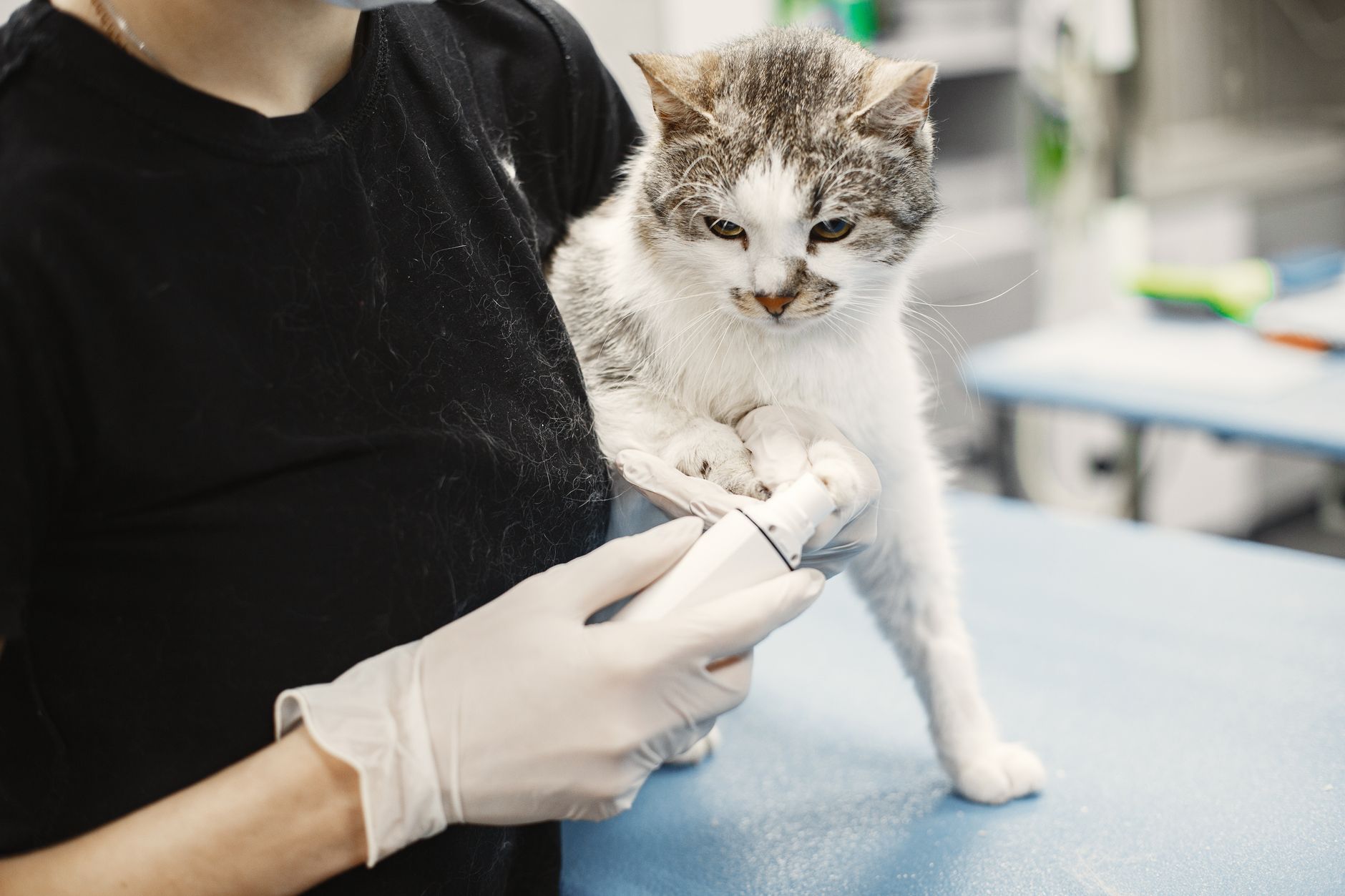
Photo by Gustavo Fring
Questions to ask the vet or clinic before you book
You hold the power here. A few key questions lock in safety and value before you sign up. Start with these to build trust and avoid surprises.
Here’s a simple checklist to run through:
- Does the quote cover a pre-surgery exam to check heart and overall health?
- Is bloodwork included or advised, especially for older cats?
- How do you monitor anesthesia during the procedure?
- What’s your pain control plan, including meds to take home?
- Walk me through incision care and signs of trouble.
- Do you supply an e-collar or recovery suit, or should I buy one?
- Exactly what’s included in the total quote (vaccines, microchip)?
- Who’s the after-hours emergency contact if issues pop up?
Jot these down and call ahead. Good clinics welcome them. It empowers you to pick a spot that treats your cat like family.
Low-cost clinics, shelters, and local vouchers (often better than insurance for this)
Wellness plans reimburse, but low-cost clinics slash bills outright. You might pay $50 instead of $250. These spots focus on volume to help more pets.
Check these first:
- Your local humane society or SPCA for set-price days.
- Municipal shelters often run weekly clinics at $45 to $100.
- Rescue groups partner with vets for resident discounts.
- County voucher programs cover most of the cost if you qualify by income.
- Vet schools near you offer student-supervised deals with expert oversight.
Spots like Animal League America’s SpayUSA connect you nationwide. Search “low cost spay neuter [your city]” or call your shelter. Book early; slots vanish fast, sometimes months out. This beats insurance for a one-time fix.
Aftercare for indoor cats, making recovery calm and boring (in a good way)
Recovery lasts 10 to 14 days. Turn a spare room or bathroom into her chill zone. Keep it quiet, with food, water, and a low-sided litter box close by. Block high jumps with baby gates; no counter surfing.
Watch the incision daily. It should stay dry and pink. Glue her into that cone or suit; she will hate it, but licks lead to infections.
Limit play to gentle pets. Boredom beats chaos, so rotate toys from afar.
Call the vet right away if you spot:
- Swelling or redness around the site.
- Discharge that’s yellow, green, or bloody.
- Incision that opens up.
- Not eating after 24 hours.
- Lethargy or hiding more than usual.
- Trouble breathing or straining to poop.
Most cats bounce back fast in their cozy setup. Stock treats and patience; you’ll both feel relief soon.
Conclusion
Your indoor cat stretches out on the sunny couch, purring through another peaceful day. Spay neuter coverage for indoor cats brings real peace of mind. It guards against hidden health risks like pyometra or cancers, tones down yowling and spraying, and stops surprise litters from quick escapes. Wellness add-ons from plans like Fetch or Figo reimburse part of the bill. Community clinics and vouchers often cut costs to under $100, far better than standard insurance skips.
Take these steps now. Call your vet for a quick estimate tailored to your cat. Search local shelters for low-cost spots or vouchers in your area. Compare wellness add-ons only if you want year-round routine care covered.
This one-time decision smooths home life for years. Your cat stays cozy and healthy.
Back to Pet Insurance for Indoor Cats