
Indoor Cat Wellness Plans: A Practical Checklist for Daily Care and Yearly Vet Visits
Indoor cats look safe, but they’re experts at hiding pain. Subtle changes, like less jumping, a new litter box pattern, or slower grooming, can be the only early signs of disease. Indoor risks add up too, including weight gain, dental disease, stress, and parasites that hitch a ride indoors.
Indoor cat wellness plans are simple, repeatable systems for keeping a cat healthy, not a binder of rules. Think of it as a daily routine plus scheduled vet care that covers food quality and portions, weight tracking, teeth and gums, play and enrichment, litter box habits, parasite prevention, and vaccines. The goal is to catch problems early, before they turn into emergencies.
This guide lays out a practical, low-stress plan you can fit to any cat, kitten, adult, or senior. You’ll get clear checklists for daily, weekly, monthly, and yearly care, so nothing important gets missed. It also helps you spot trends (not just one-off “off days”) and bring useful notes to your vet, which makes exams more efficient and decisions easier.
What an indoor cat wellness plan covers (and why indoor cats still get sick)
Indoor living lowers risk, but it doesn’t erase it. Cats still develop chronic disease, pick up parasites that ride into the home, and get stressed when their space and routine don’t fit their needs. Add one more factor, cats hide pain well, and small problems can grow quietly.
At its core, Indoor cat wellness plans cover a few repeatable parts:
- Food and weight control
- Water and hydration support
- Play and daily movement
- Sleep and safe rest areas
- Grooming and coat care
- Litter box hygiene and habit tracking
- Veterinary prevention (exams, vaccines, dental care, parasite control)
Each one ties to common indoor problems. For example, low activity plus free-feeding drives weight gain. Low water intake plus a dirty or stressful litter setup can trigger constipation or urinary trouble. Skipping dental checks lets mouth pain simmer until your cat eats less or gets picky.
Top health risks for indoor cats: weight gain, dental disease, stress, and litter box issues
Weight gain (obesity) is common indoors because calories are easy to get and movement is optional. Extra weight strains joints, reduces stamina, and raises risk for diabetes. What many owners notice first is subtle: fewer zoomies, less interest in play, or your cat stops jumping to a favorite spot.
Dental disease often starts as plaque and gum swelling, then progresses to pain, infection, and tooth loss. Cats rarely “cry” about mouth pain. Early clues include bad breath, slower chewing, dropping kibble, or sudden picky eating. A quick overview of common cat health problems (including dental and weight) is summarized by All Cats Clinic.
Boredom and stress show up as body language and behavior, not always as obvious anxiety. Watch for over-grooming, hiding more than usual, new scratching spots, or nighttime restlessness. Think of stress like a constant low-grade alarm, it changes sleep, appetite, and litter habits.
Litter box and bathroom problems often connect to hydration and routine. Low water intake can contribute to constipation and can worsen urinary issues in some cats. On the surface, you may just see smaller clumps, straining, frequent trips, or accidents near the box.
The wellness basics: food, water, play, sleep, grooming, and a clean litter box
“Good enough” means consistent, not perfect. Aim for a routine your cat can predict.
- Food: Feed a measured amount on a steady schedule (most cats do well with 2 meals a day). Adjust portions based on body condition and monthly weight trends. This helps prevent slow indoor weight creep.
- Water: Provide fresh water daily. Many cats drink more when bowls are wide and placed away from food. A fountain can help, but the simplest win is clean water in a clean dish.
- Play: Do two short play sessions most days (5 to 10 minutes). Use wand toys, toss a soft toy, or set up a quick “hunt” with treats. This supports weight control and reduces stress behaviors.
- Sleep: Cats need quiet, safe rest. Provide at least one warm, low-traffic nap spot and one higher perch if possible.
- Grooming: Brush as needed for your cat’s coat type (often 1 to 3 times per week). It cuts shedding, hairballs, and helps you spot skin issues early.
- Litter box: Scoop daily, wash the box weekly, and keep it in a calm, easy-to-reach location. A simple rule is one box per cat plus one extra. Clean boxes reduce accidents and help you notice changes fast.
Vet care that matters most for indoor cats: exams, vaccines, dental checks, and parasite prevention
Indoor cats still need routine vet care because early disease can look like “normal aging.” An annual exam gives your vet a baseline for weight, heart and lung sounds, abdomen, skin, teeth, and mobility. Small shifts matter most when they’re caught early.
Vaccines are still commonly advised for indoor cats. Cats can escape, a new pet can bring exposure home, and viruses can ride on surfaces. Your vet will match vaccine type and schedule to your cat’s risk. Rabies rules vary by location, so follow local guidance and your clinic’s policy. General preventive recommendations are outlined in VCA’s preventive health care guidelines for cats.
Parasite prevention often continues year-round or seasonally, many products are dosed monthly. Indoor cats can still get fleas or worms brought in on shoes, through screens, from other pets, or during a brief escape. A practical overview of why indoor cats still benefit from regular vet visits (including parasite risk) is covered by South Park Animal Hospital.
Dental checks should be part of wellness visits. Your vet can spot gum disease, broken teeth, and resorptive lesions that you can’t see at home. Some cats need professional cleanings when tartar and inflammation build up, or when X-rays suggest disease under the gumline.
Build your indoor cat wellness routine: daily, weekly, monthly, and yearly checklist
Indoor cat wellness plans work best when you break them into clear routines. These checklists take little time each day but build habits that spot issues early. Print them or save to your phone for quick checks.
If you feel overwhelmed, start here with a 10-minute daily mini-plan: Scoop the litter box (2 minutes), refresh water and serve measured meals (3 minutes), do a quick body scan while petting (2 minutes), and play for 5 minutes. Add one weekly task after a month. This core routine covers 80% of prevention.
Daily checklist: litter box, meals, water, quick health scan, and 10 to 15 minutes of play
Stick to this 10- to 15-minute routine each day. It keeps your cat clean, fed right, and active.
- Scoop litter box (2 minutes): Remove clumps twice daily. Note urine volume or stool changes; fewer or smaller clumps signal hydration or diet issues.
- Refresh water (1 minute): Dump old water and refill a wide, clean bowl. Place it away from food to boost intake.
- Measured meals or portion control (2 minutes): Use a kitchen scale for exact amounts based on your cat’s needs. Split into two meals to mimic hunting and curb begging.
- Quick health scan (3 minutes): Run hands over coat for lumps or bald spots. Check eyes for cloudiness, nose for discharge, gums for pale or red color, belly for tenderness (your cat pulls away), and watch for limps during play.
- Tooth brushing habit (2 minutes, build up slowly): Aim for daily with cat toothpaste and brush. If your cat resists, start with finger brushing sessions during pets; offer treats after.
- 10 to 15 minutes of play: Use wand toys or laser pointers in short bursts. End with a meal to mimic hunt-eat cycle.
Track patterns in a note app. One off day means little; three days of changes mean call your vet.
Weekly checklist: weight and body check, grooming, nail trims, and home cleaning that protects lungs
Set aside 20 minutes once a week, same day and time. Use Sunday mornings for consistency.
- Weight and body check (5 minutes): Weigh on a baby or kitchen scale. Do it fasted, same time weekly. Feel ribs: You should sense them with light pressure, no fat cover (ideal score 4-5 out of 9). See the Association for Pet Obesity Prevention’s cat body condition score chart for visuals.
- Grooming by coat type (5-10 minutes): Short hair: Brush 2-3 times weekly to cut hairballs. Long hair: Daily short sessions. Use a soft slicker brush; reward with pets.
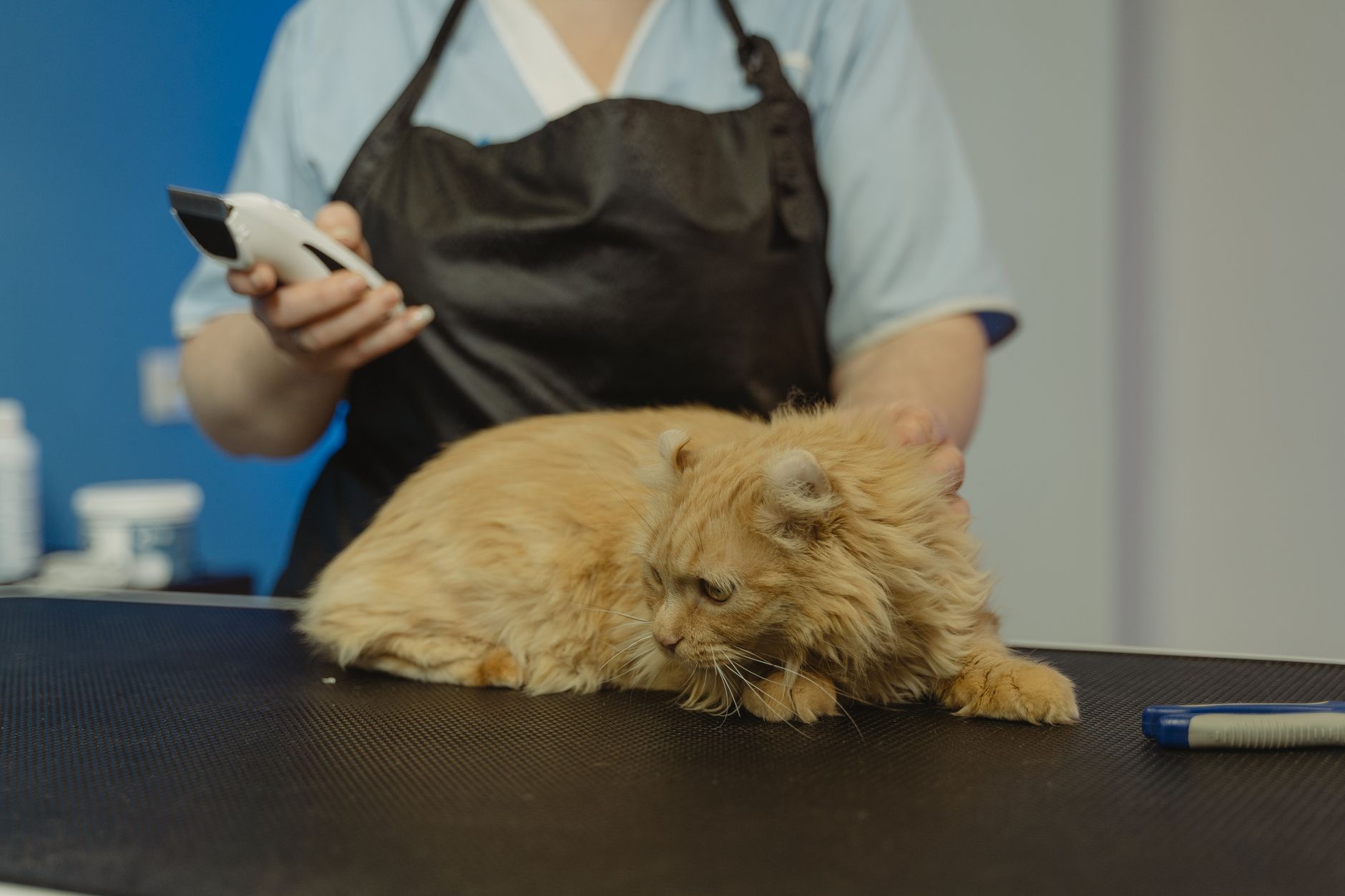
Photo by Tima Miroshnichenko
- Nail trims (3 minutes): Clip clear tips only, avoid pink quick. Hold paws gently; do one paw per session if needed. File edges smooth.
- Home cleaning for lung health (5 minutes): Vacuum dust weekly. Switch to low-dust litter. Skip strong cleaners or air sprays near litter area.
These steps prevent obesity and respiratory irritation common in homes.
Monthly checklist: parasite prevention, toy rotation, and litter box deep clean
Spend 30 minutes mid-month. Mark your calendar.
- Parasite prevention (5 minutes): Apply vet-prescribed flea or tick topical if needed. Indoor cats get pests from visitors or escapes; follow exact dosing and product advice.
- Toy rotation and enrichment (10 minutes): Swap out old toys; hide five new ones. Add a puzzle feeder with kibble. This fights boredom without new purchases.
- Litter box deep clean (15 minutes): Empty all litter, wash box with mild soap and hot water (no bleach). Refill with same type if your cat picks favorites; test changes slowly.
Rotate to keep interest high and hygiene top-notch.
Yearly checklist: vet exam, lab work when needed, dental plan, and vaccine boosters
Book this exam within your cat’s birthday month. It lasts 30-45 minutes at the clinic.
A full wellness visit checks weight trends, teeth for tartar, heart and lung sounds, eyes for cloudiness, joints for stiffness, and ears for mites.
- Discuss baseline lab work (blood, urine) for seniors over 7 or cats with weight shifts. It spots kidney or thyroid issues early.
- Plan dental cleanings if gums bleed or breath smells; vets use sedation and X-rays.
- Review vaccine boosters: Core shots like rabies every 1-3 years post-kitten series. Tailor to lifestyle and local laws; see Merck Veterinary Manual on routine cat health care.
Bring your home notes. This visit confirms your indoor cat wellness plan stays on track.
Food and weight management for indoor cats (without constant begging)
Indoor cat wellness plans put food and weight at the center because low activity leads to easy calorie surplus. Cats gain weight slowly at first, but extra pounds harm joints, heart, and energy levels. The key is steady portions that match needs, fed in ways that cut begging and boost mental work. This approach fits daily routines and supports long-term health.
Pick a feeding style that fits your home: meals, measured free-feeding, or puzzle feeders
Choose based on your schedule and cat’s habits. Scheduled meals work best for most homes. Feed twice daily in exact amounts. Pros include portion control and a hunt-eat rhythm that reduces begs. Cons mean you set alarms, but it builds routine.
Measured free-feeding suits solo cats with steady appetites. Pre-measure a day’s kibble into a dish. Pros offer flexibility if you work long hours. Cons risk overeating for fast eaters or multi-cat homes, where one cat hogs food.
Puzzle feeders and slow feeders shine for indoor cats. They slow gulpers and fight boredom. Indoor cats often bolt food, which spikes insulin and begs. These tools make meals a task, like pawing kibble or chasing balls. Pros cut obesity risk and add play without effort. Vet-approved details on slow feeders note they extend eat times from seconds to minutes. Cons include a learning curve; some cats ignore them at first.
To switch without stress, mix old and new food for three to five days. Start with one puzzle meal.

Photo by Jakub Zerdzicki
How to control portions and treats (and still keep your cat happy)
Start with a kitchen scale. Weigh food per label, then adjust by five to ten percent based on weekly body checks. A ten-pound cat needs about 200 calories daily; check bag math.
Count treats as calories. Limit to ten percent of total intake. Break them into crumbs for training clicks or hides. This keeps rewards small but fun.
Swap some treats for play rewards. Chase a toy, then eat. It burns calories and skips extras.
Follow this rule of thumb: Total daily calories equal main meals plus treats. Track in a phone note. Cornell Feline Health Center guidelines stress exact measures prevent creep.
Warn sudden cuts cause stomach upset like loose stool. Taper over a week. Watch weight monthly; gain over five percent needs vet input.
Hydration and urinary health: wet food, water stations, and litter box clues
Indoor cats drink less than outdoor ones. Dry food and still bowls play a role. Low intake thickens urine, which stresses kidneys and bladder.
Boost with wet food two to three times weekly. It adds moisture your cat accepts. Place multiple bowls around the home, refreshed daily. Wide, shallow ones appeal more. Running fountains draw picky drinkers.
Add a teaspoon of water to wet food if your cat tolerates the texture.
Litter box clues flag issues early. Note straining, small frequent clumps, or urine outside the box. These signal crystals or infection.
Male cats face blockage risk from low hydration. Signs include repeated box trips with no output. Seek vet care same day; delays harm kidneys. Daily scoops in your wellness plan spot changes fast.
Exercise, enrichment, and stress control for indoor cats
Indoor cat wellness plans must include daily movement and mental work. Cats mimic hunters through play, which burns calories and cuts stress. Simple routines prevent boredom without big costs. These steps link to better weight control and fewer fights or accidents.
Simple indoor exercise plan: short play sessions that match hunting instincts
Cats hunt in bursts: stalk, chase, pounce. Match this with two 5- to 10-minute sessions daily, morning and evening. Start slow. Move a toy to trigger stalk. Run it fast for chase. Let your cat catch and pounce. End with a small meal from a puzzle toy. This ties play to eating and aids digestion.
Use cheap tools. Wand toys with feathers work best; drag them across floors or up stairs. Teach fetch with crinkly balls or soft mice. Set a timer to keep sessions short. Older cats need gentler moves and extra warm-up pets to loosen joints.
Try this sequence:
- Stalk phase (1-2 minutes): Wiggle toy low and still.
- Chase phase (2-3 minutes): Dash it away in zigzags.
- Pounce and reward (1 minute): Let catch, then feed a teaspoon of kibble.
Interactive play like this matches natural drive. See hunting toys for cats for wand options that fit any budget. Expect more energy and steady weight after two weeks.
Make your home cat-friendly: vertical space, scratching options, and safe window time
Give cats height to claim space. This cuts stress in tight homes. Start with a cat tree or wall shelves in living and bedroom areas. Perches near windows let them watch birds safely. Place scratching posts by couches and beds; cats mark territory there.
Secure views first. Use suction-cup perches on clean windows. Block cords and strings to prevent strangling. Move toxic plants like lilies high or out. Keep changes basic: one new perch per month.
Key setups include:
- Vertical stacks: Ladder shelves up to six feet.
- Scratch zones: Sisal posts in three rooms.
- Window stations: Stable seats with screens intact.
These spots boost jumps and claws without damage. Window perches guide shows safe picks. Cats use them more, which supports muscle tone and calm.
Stress signals indoor cats show and how to fix the cause
Watch body cues daily. Stress hits indoor cats from routine breaks or crowds. Common signs are hiding often, over-grooming to bald spots, hissing at shadows, and litter box skips or strains.
Fix roots fast. Set a predictable feed-play-sleep schedule. Add quiet boxes or beds in low-traffic corners. Introduce guests or pets one at a time over days. Ramp up play to burn tension.
| Stress sign | Quick fix |
|---|---|
| Hiding | Safe room with food and box |
| Over-grooming | More vertical hides |
| Hissing | Feliway diffuser, vet check |
| Box changes | Clean twice daily, add box |
Build play into your indoor cat wellness plan. It drops these issues by half in weeks. Call your vet if signs pair with no appetite or blood in stool. Feline stress overview lists more triggers to avoid.
Vet visits and budgeting: choosing the right indoor cat wellness plan for your cat
Vet visits form the backbone of indoor cat wellness plans. They catch hidden issues early and set baselines for home care. Budgets matter too. Compare pay-as-you-go exams with bundled wellness plans from clinics like Banfield’s cat packages. Bundled options spread costs over months for exams, vaccines, and tests. They often save time and money versus a la carte bills that add up fast. Pick based on your cat’s age and needs. Ask your vet to review options during the next visit.
Questions to ask your vet to personalize your indoor cat wellness plan
Tailor plans with direct questions. Write them down before you go. Here is a short list to copy:
- What is the ideal weight target for my cat’s age, breed, and frame?
- How much food and treats per day fit this weight goal?
- What is my cat’s dental risk level, and how often should we check teeth?
- What parasite prevention plan works year-round for an indoor cat?
- When does the vaccine schedule need boosters, based on my home setup?
- Does my cat need joint support now or later, like glucosamine?
- What changes trigger a call, such as weight loss or litter box shifts?
These questions build a custom plan. They cover exams, dental care, parasites, vaccines, and lab work. Your vet uses your answers to adjust care.
When to add lab work, dental cleanings, or supplements (and when to skip them)
Needs shift with age, body condition, and past health. Kittens under one year skip most labs but get vaccines. Adults two to seven years focus on exams and parasites. Seniors over seven add blood and urine tests yearly to check kidneys and thyroid.
Dental cleanings rank high for most indoor cats. Plaque builds fast on dry food diets. Add them if breath smells or gums bleed. Skip if teeth stay clean on home brushing.
Supplements require vet approval. Use omega-3s for coat or joints in thin cats. Avoid for kidney, liver, or stomach cases; they worsen issues. Test first with labs. Skip probiotics unless diarrhea persists.
How to prep for vet visits so you get better answers in less time
Prep cuts stress and speeds exams. Train your cat to a carrier weeks ahead. Feed in it open at home, then close the door short times. Cover it during rides.
Bring a one-page log. Note these for two weeks:
- Food amounts and treats fed daily.
- Play time and energy levels.
- Litter box counts: urine clumps, stool firmness.
- Weight trend from home scale.
- Photos of vomit, stool, or limps.
See a vet-approved prep checklist for details. This log helps your vet spot trends fast. You leave with clear next steps.
Conclusion
Indoor cat wellness plans thrive on simple, consistent routines that fit daily life. Stick to daily litter scoops, measured meals, fresh water, quick health scans, and short play sessions. Add weekly weight checks and grooming, monthly parasite doses and toy swaps, plus yearly vet exams with vaccines and dental reviews.
These steps catch weight gain, dental issues, and stress early, before they worsen.
Start small this week. Pick one habit, like two 5-minute play bursts, and track it in a phone note. Build the rest over time for steady results.
Quick recap checklist:
- Daily: Scoop box, feed portions, play 10 minutes, scan body.
- Weekly: Weigh, groom, trim nails.
- Monthly: Parasite control, deep clean litter.
- Yearly: Full vet exam, labs if senior.
If your cat’s last checkup was over a year ago, book it now. A tailored plan keeps your indoor cat strong and active for years.
Back to Pet Insurance for Indoor Cats