
Indoor Cat Emergency Coverage, What It Pays For and How to Pick a Plan
Your cat never steps paw outside, then it happens. She chews a string from a gift bag, he strains in the litter box and can’t pee, or a late-night leap from a shelf ends with a limp and a painful yowl.
Indoor cats still face true emergencies, and Indoor cat emergency coverage can keep a scary moment from turning into a money problem. Even a “simple” ER visit often starts with an exam and tests, then climbs fast with imaging, IV fluids, and an overnight stay. In the US, emergency care commonly runs from the hundreds into the thousands, and foreign object surgery is often quoted in the $1,500 to $5,000 range, with one real-world estimate around $4,600.
This guide breaks down the indoor emergencies vets see most, from urinary blockages to swallowed items and fall injuries. You’ll learn what emergency coverage usually pays for (and what it doesn’t), how deductibles, reimbursement, and waiting periods change your real cost, and how to choose a plan that fits your cat and budget.
You’ll also get a clear checklist for what to do during an emergency, so you can act fast and worry less about the bill.
Why indoor cats still need emergency coverage
It’s easy to feel safe with an indoor only cat. No cars, no coyotes, no neighborhood fights. But the truth is that many of the emergencies vets treat happen right at home. Cats climb, chew, sneak bites, and hide pain. A normal Tuesday can turn into a rush to the vet, and the bill can grow fast once tests and treatment start. Indoor cat emergency coverage exists for that exact moment, when you need to say “do what you need to do” without freezing over the cost.
Even one ER visit can stack charges quickly: an exam fee, bloodwork, X-rays or ultrasound, medications, IV fluids, and hospitalization. If surgery is needed, the jump can be dramatic.
The most common indoor cat emergencies and what they can cost
Here are the indoor cat emergencies that show up over and over, even in careful homes:
- Swallowed objects and linear foreign bodies (string, ribbon, hair ties): Cats can get an intestinal blockage, or the string can saw through tissue. Surgery for a foreign object can land in the thousands, and one real-world estimate runs around $4,600.
- Urinary tract blockage or a severe UTI: Male cats are at higher risk for blockages, and this can become life-threatening within hours. Treatment often includes sedation, a urinary catheter, IV fluids, pain meds, and monitoring. Costs vary widely by case and city, and more serious cases can require surgery.
- Broken bones or sprains from jumping: A missed landing from a shelf or counter can cause fractures, torn nails, or soft tissue injuries that need X-rays, splinting, or surgery.
- Poisoning (lilies, cleaners, human meds): A lick of residue, a chewed leaf, or one dropped pill can trigger a true emergency. The ASPCA has a helpful overview of common home hazards that can poison cats, including plants and medications: https://www.aspca.org/news/these-harmful-feline-hazards-could-be-your-home
- Sudden breathing trouble: Asthma attacks, heart disease flare-ups, or fluid around the lungs can look like open-mouth breathing, fast belly breathing, or collapse. This is an ER-level issue.
- Severe vomiting or diarrhea with dehydration: Cats dehydrate fast, and they can crash from fluid loss or an underlying toxin or obstruction.
- Dental infection flare-ups: A painful tooth root abscess can explode into swelling, fever, and refusal to eat. A single extraction plus anesthesia and meds can be around $1,200 in a real-world example.
Costs depend on your region, your cat’s size and stability, and whether it’s after-hours. The same problem can look very different at a low-cost clinic versus a 24/7 specialty hospital.
Emergency care choices: urgent care vet, ER hospital, or your regular clinic
Where you go matters, and sometimes you don’t have much choice.
- Your regular vet clinic often makes sense for problems that are urgent but stable, like a mild limp, early vomiting, or a suspected dental flare-up. They know your cat’s history and may be less expensive, but many clinics close evenings and weekends.
- A veterinary urgent care is a good middle option when you need same-day help but your cat is not in immediate danger. Think: vomiting without collapse, a possible UTI while still able to pee, or a minor wound. These clinics can often treat faster than an ER and may cost less than a hospital.
- A 24/7 emergency hospital is the right call for breathing trouble, collapse, uncontrolled bleeding, repeated vomiting with lethargy, seizures, suspected toxin exposure, or a cat that cannot pee. Emergency hospitals also have more imaging and monitoring, but they often charge higher exam and hospitalization fees.
Before you drive, call ahead. Ask three quick questions: “Is this an emergency based on symptoms?”, “What’s the wait time?”, and “Can you give me a written estimate once you assess my cat?” If they can’t estimate until tests are done, ask what the common first-step diagnostics cost.
For a practical breakdown of urgent care versus emergency hospitals, see: https://urgentpawsvet.com/news/what-is-the-difference-between-veterinary-urgent-care-and-emergency-hospitals/
The hidden emergency risks inside a normal home
Most indoor emergencies start with ordinary stuff. A cat doesn’t need a big “accident” to get hurt, they just need one minute alone with the wrong object.
Common household risks include:
- Strings, ribbon, hair ties, rubber bands
- Needles and thread (sewing kits, loose embroidery floss)
- Open windows, weak screens, and balconies
- High furniture and slippery surfaces
- Recliners and sofa beds (crush risk when closing)
- Cords and charger cables
- Toxic plants, especially lilies
- Essential oils and diffusers
- Antifreeze in garages or driveways
- Human medications (pain relievers, ADHD meds, antidepressants)
A few prevention habits cut the risk fast:
- Keep stringy items in closed drawers, and use wand toys only with supervision.
- Swap hair ties for a sealed container, and pick up dropped pills right away.
- Use sturdy window screens, and block off unsafe ledges.
- Skip lilies entirely, even pollen can be dangerous to cats.
- Close recliners slowly and check before you move them.
Even with good habits, cats still find trouble. Emergency coverage is there for the times your home safety plan misses one small thing.
What indoor cat emergency coverage usually includes (and what it doesn’t)
Indoor cat emergency coverage falls under standard accident and illness pet insurance plans. It helps pay for sudden injuries or sicknesses that need urgent vet care. You pay the vet bill upfront, then submit the receipt for reimbursement based on your policy terms. Plans differ by provider, so always check the details in your quote.
Most policies cover key costs from those indoor mishaps like blockages or falls. They focus on diagnostics, treatment, and hospital stays. But coverage has limits and gaps you need to spot early.
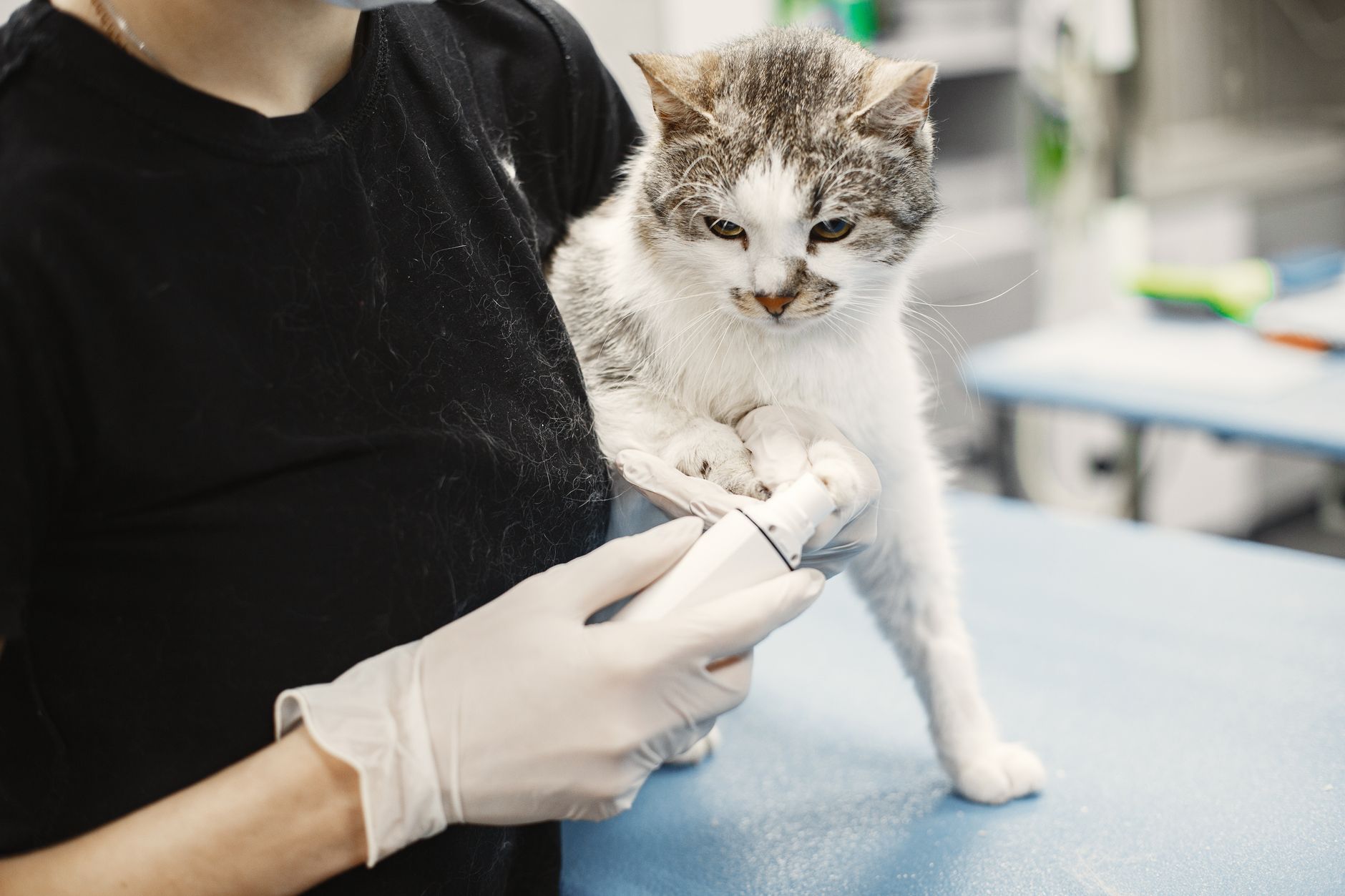
Photo by Gustavo Fring
Covered in most accident and illness plans
Base accident and illness plans handle many emergency needs for indoor cats. They step in for exams, tests, and fixes after a sudden problem hits.
Typical coverage includes:
- Emergency exam fees: Many plans pay these if the visit qualifies as urgent care for new issues. Check your policy, since some exclude routine checks.
- Diagnostics like X-rays, ultrasound, and bloodwork: Vets use these to find blockages, fractures, or infections fast. Your plan often covers 70-90% after deductible.
- Hospitalization and IV fluids: Overnight stays with monitoring count for dehydration or toxin cases.
- Surgery: Foreign object removal or fracture repairs get covered, even at specialty clinics.
- Specialist care: Referrals to cardiologists or surgeons for heart issues or complex breaks.
- Prescription medications: Pain relief, antibiotics, or insulin for sudden diabetes flares.
- Chronic illness treatment: Kidney disease or heart problems qualify once symptoms start after enrollment.
Some plans extend to dental illnesses and injuries, like abscesses from broken teeth. For a full list of emergency examples, Nationwide outlines common covered scenarios.
These benefits shine in real crises, like a $3,000 blockage surgery where insurance cuts your share.
Common exclusions that surprise indoor cat owners
Even solid plans skip certain costs. Indoor owners often overlook these gaps until a claim fails.
Big ones include:
- Pre-existing conditions: Any issue showing signs before signup stays uncovered. This tops the list for denials.
- Waiting periods: New policies delay coverage 14 days for illnesses or longer for some orthopedic problems.
- Routine care: Exams, vaccines, or spays fall outside unless you add a wellness rider.
- Grooming or breeding costs: Nail trims or litter-related issues don’t qualify.
- Preventable vaccine-tied problems: Rabies or feline leukemia may get denied if shots lapse, though rules vary.
- Prescription food: Often capped or excluded; meds only go so far.
- Dental limits: Basic cleanings rarely count, and illness coverage has sub-limits.
Good news: Some insurers cover cured conditions if they stay gone for 180 days. Lemonade explains emergency visit details and exclusions. Read your sample policy to confirm.
How deductibles, reimbursement rates, and annual limits change your real payout
Your out-of-pocket cost hinges on three main settings: deductible, reimbursement rate, and annual cap. They turn a policy promise into actual dollars.
Take a $3,000 emergency bill for surgery and hospital stay:
- Meet the deductible first (say $500). You pay that full amount.
- Insurance reimburses a percentage of the rest (80% means $2,000 eligible x 0.8 = $1,600 back).
- Hit annual limits (like $5,000 total) to cap payouts across claims.
You end up paying $500 deductible + 20% of $2,000 ($400) = $900 total. A per-condition deductible resets per issue; annual ones carry over yearly.
Lower premiums often pair with higher deductibles or 70% rates. That saves monthly but spikes crisis costs. Pick based on your budget and cat’s age. Always run your own numbers with a quote tool.
How to choose the right emergency plan for an indoor cat
You know the emergencies indoor cats face and what most indoor cat emergency coverage plans cover. Now pick one that fits your cat’s life and your wallet. Start with your budget and her risks, like a history of urinary issues or high climbs. Many cat accident and illness plans run $21 to $34 per month. Your cat’s age, breed, and zip code set the exact price. Get quotes from a few providers to see real numbers.
Pick coverage settings that match your budget and your cat’s risk
Match your plan’s core settings to what your cat might need. Start with the annual limit. Common choices go from $5,000 up to unlimited. A $5,000 cap works for most single ER visits or simple surgeries. Go unlimited if your cat faces big risks, like major surgery, ICU stays, or chronic conditions such as kidney disease that add up over time.
Next, pick a deductible. Options range from $100 to $1,000. A higher one, say $500, lowers your monthly premium. You pay it once per year or per condition before claims kick in. Choose based on savings you have for a crisis.
Set the reimbursement rate at 70%, 80%, or 90%. Higher rates cover more of each bill but raise premiums. For example, on a $3,000 surgery, 90% reimbursement after a $250 deductible returns about $2,475.
Many providers offer multi-pet discounts, often 5-10% off for two or more cats. If you have littermates, this saves right away. Run numbers on sites like NerdWallet’s pet insurance cost guide to compare.
Compare plans using a short checklist, not just price
Price grabs attention first, but coverage details decide if a plan works for emergencies. Use this quick checklist to stack up quotes side by side. Focus on indoor cat needs like sudden blockages or falls.
- ER exam coverage: Does it pay the first visit fee, often $150-$300?
- Hospitalization caps: No low daily limits that cut off long stays.
- Specialist and diagnostics: Full access to X-rays, ultrasounds, and surgeons.
- Dental illness coverage: Abscesses or broken teeth from chewing.
- Chronic condition coverage: Follow-up for issues like asthma that start after signup.
- Congenital and hereditary coverage: Birth defects that show up later, common in purebreds.
- Prescription meds: Wide formulary for pain or antibiotics.
- Alternative therapy: Acupuncture or rehab if your cat needs it post-injury.
- Claim turnaround time: Aim for 10-30 days; faster pays bills quicker.
Print sample policies and scan the exclusions page. Tools like Pawlicy’s comparison guide help spot gaps fast.
Timing matters: enroll before problems start
Sign up now, before your cat shows any signs. Most plans exclude pre-existing conditions, defined as anything treated or symptomatic in the 18 months before enrollment. A limp you ignored becomes a forever no-claim.
Kittens and young adults cost less to insure, often 20-30% below senior rates. Lock in low premiums early.
Switching plans? Wait until a condition resolves fully. Under treatment, it turns pre-existing on the new policy. Check your current plan’s cancellation rules to avoid gaps. Early action keeps options open for true emergencies.
What to do when your indoor cat has an emergency (coverage and care steps)
Emergencies hit fast with indoor cats. You spot trouble, grab your keys, and head to the vet. Indoor cat emergency coverage steps in later to ease the bill shock. This playbook covers quick triage, smart questions at the clinic, and smooth claims. Stay calm. Act now.
Fast triage: signs that mean “go now”
Your cat hides pain well, but these signs scream urgency. Don’t wait. Load her in the car.
Watch for these red flags:
- Trouble breathing, like open-mouth pants or fast belly moves.
- Repeated vomiting (more than twice) or bloody vomit.
- Suspected toxin exposure, from a chewed plant or spilled cleaner.
- Straining to pee without output, especially in males; this blocks fast.
- Collapse or extreme weakness.
- Seizures or tremors.
- Uncontrolled bleeding that soaks a towel.
- Sudden inability to walk or drag a leg.
- Severe pain, shown by constant cries, hiding, or aggression.
- Swallowed string, needle, or thread (check the mouth or stool).
Call your vet, the nearest ER, or the ASPCA Animal Poison Control hotline at (888) 426-4435 right away. They guide your next move. For more on urgent signs, check this vet-reviewed list.
At the vet: how to ask for an estimate and make decisions under pressure
You arrive stressed. The team starts triage. Focus on your cat first, costs second.
Prioritize stabilization (IV fluids, oxygen), pain control, and key diagnostics (bloodwork, X-rays). Ask these phrases to clarify:
- “Can you itemize the estimate?”
- “What’s urgent in the next hour?”
- “Are there lower-cost diagnostic options?”
- “What happens if we wait?”
Write down answers. Approve life-saving steps. If insured, note your indoor cat emergency coverage details for the staff. They often help with direct billing.
Filing a claim without headaches
Pay upfront at most vets. Your plan reimburses later. Many cover any licensed vet nationwide.
Save these right away:
- Full invoice with itemized charges.
- Medical notes and exam records.
- Diagnostic results (X-rays, labs).
- Prescription list and receipts.
Snap photos if needed. Submit the claim same day via app or portal. Know your deductible status and reimbursement rate first. Keep a dedicated folder (digital or paper) for all docs.
Providers like Lemonade make it simple. Expect payout in 10-30 days. Quick action cuts stress. Your cat recovers. You get cash back.
Conclusion
Indoor cats face real risks from swallowed strings, urinary blockages, and falls that lead to bills in the thousands. Indoor cat emergency coverage pays for exams, diagnostics, surgery, and hospital stays in these cases, but skips pre-existing issues, routine care, and waiting period claims. Pick plans with annual limits that match your cat’s needs, deductibles you can cover fast, and high reimbursement rates to cut your costs.
You now know the top indoor emergencies, common exclusions, and steps to file claims without stress. Coverage turns a crisis into a manageable event, so your cat gets top care right away.
Review your emergency fund today. Compare quotes from a few providers for your cat’s age and zip code. Save your nearest ER number, policy details, and poison hotline in your phone. Act before trouble starts. Your indoor companion deserves this protection.
Back to Pet Insurance for Indoor Cats