
Dental Insurance for Indoor Cats: Coverage, Costs, and Choices
Indoor cats seem safe from the world, but they still face painful dental insurance for indoor cats needs. Dental disease strikes hard and often goes unnoticed until it’s advanced. Bad breath or drooling might be the only clues.
Studies show dental problems affect 50 to 90% of cats over age 4. Many develop issues early, like gum swelling or tooth breakdown. Indoor life cuts some risks, but age ramps up the odds.
Dental insurance for indoor cats means pet insurance plans that cover illness or injury to teeth. Some add optional wellness for routine cleanings. It helps offset high vet bills from extractions or treatments.
This post breaks down typical costs for cat dental issues. You’ll see what top plans cover and how to pick one that fits. Plus, get tips to lower risks at home with simple care steps.
Why indoor cats still get dental disease (and why it can get expensive)
You might think your indoor cat dodges dental woes with no fights or road hazards. Think again. Plaque and tartar build up fast on soft kibble diets. Age hits hard too. Dental insurance for indoor cats often pays off here since treatments rack up bills quick. Let’s break down the issues.
Common cat dental problems: gingivitis, periodontal disease, and tooth resorption
Gingivitis means red, swollen gums from plaque bacteria. It starts mild but hurts when it spreads.
Periodontal disease goes deeper. Bacteria destroy gum tissue and bone around teeth. Loose teeth follow, causing pain and infection.
Tooth resorption eats teeth from the inside out. The body breaks down enamel and dentin. Cats feel constant ache as roots expose.
These hit hard. Studies show dental issues affect 50 to 90% of cats over age 4. Tooth resorption strikes about 75% of cats over 5. Pain leads to eating trouble. Vets often pull bad teeth to stop spread.
Indoor cats vs. outdoor cats: what changes (and what doesn’t)
Outdoor cats hunt prey. Chewing bones and fur scrapes teeth clean, like nature’s toothbrush.
Indoor cats miss that. They eat soft food. Plaque hardens to tartar faster without rough chewing. One clinic notes indoor cats lose this edge.
Both types get disease though. Genetics, diet, and age play roles. Outdoor cats face breaks or abscesses from fights. Schedule exams yearly for any cat. Brush teeth or use dental treats to help.
Red flags at home: bad breath, drooling, picky eating, and weight loss
Cats mask pain well. Watch for these clues:
- Bad breath that worsens; points to infection.
- Excess drooling or pawing at mouth.
- Picky eating or dropping food.
- Weight loss from avoiding meals.
- Face swelling or blood in water bowl.
Spot them? Book a vet visit. Ask for dental X-rays to check roots. Skip human pain meds; they harm cats. Early catch saves teeth and cash.
What dental treatment can include (and why costs add up fast)
Vets start with a full exam. General anesthesia lets them probe deep without stress.
Next, X-rays spot hidden resorption or bone loss. Cleaning scrapes tartar above and below gums.
Extractions remove doomed teeth. Stitches, pain meds, and antibiotics finish it.
Costs climb with extras. A basic clean runs $560 to $1,100. Add pulls, and it hits $600 to $2,000 or more, per recent estimates. Location and severity matter.
Call your vet for a local quote range. Dental insurance for indoor cats covers much of this under illness plans.
What dental insurance for indoor cats usually covers (and what it usually doesn’t)
Dental insurance for indoor cats pays for many treatments your kitty needs. Most plans cover injuries and diseases that hit teeth and gums. They skip routine care in base policies. Coverage varies by company and state, so always check the policy wording. Know the splits and limits upfront to avoid surprises at claim time.
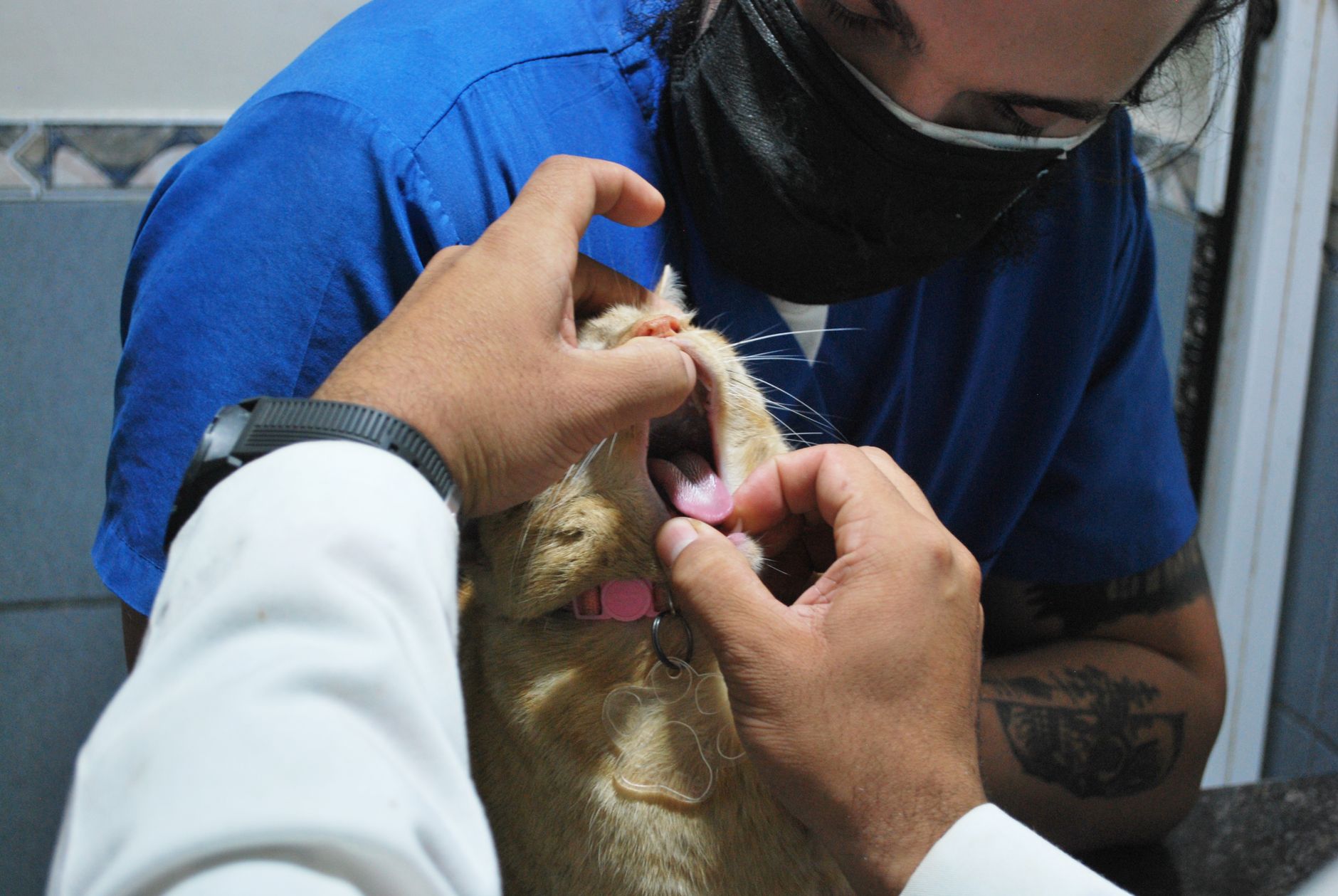
Photo by Ermelinda Maglione
Dental accidents vs. dental illnesses: the coverage split that matters
Accidents mean sudden harm like a broken tooth from a fall or a cut in the mouth during play. Your indoor cat might crack a fang jumping off a shelf.
Illnesses cover ongoing problems such as gum disease or tooth root infections. Plaque leads to these over time.
Some dental insurance for indoor cats covers both under illness and accident plans. Others limit to accidents only. Lemonade pet insurance, for example, handles dental accidents across policies but ties illnesses to specific add-ons.
Waiting periods apply in most cases. Plans often hold off 14 days for accidents and three to six months for illnesses. This stops claims right after signup.
Routine cleanings and exams: when a wellness add-on helps
Base dental insurance for indoor cats skips routine cleanings and checkups. They count as preventive care, not illness or injury.
Add a wellness or preventive rider to change that. These reimburse a fixed amount per year, say $150 toward a $600 cleaning bill. You won’t get full coverage every time.
Match this to your cat’s needs. Young indoor cats on dental kibble build less tartar. Older ones or those with dry food diets need it more. Start wellness early if your vet spots plaque buildup.
MetLife Pet Insurance offers preventive options that fit routine visits. Review annual caps to see if they match your cat’s cleaning schedule.
Pre-existing dental problems: the rule that surprises most cat owners
Pre-existing conditions mean issues your cat had before the policy started. Vets note them in records from exams or treatments.
Common ones include tooth resorption, gingivitis, or past extractions. Plans exclude these and related care forever or for a cure period.
Timing counts big. Sign up when your indoor cat is young and healthy. A clean bill at enrollment locks in future coverage.
Keep all vet records. Insurers review them for claims. ASPCA Pet Health Insurance defines these clearly, so your cat gets protection for new problems.
Common exclusions and fine print: what to look for before you buy
Policies list exclusions to limit payouts. Check these before you commit:
- Cosmetic fixes like whitening or caps.
- Breeding-related dental care.
- Any prior dental disease.
- Advanced work such as root canals or implants in basic plans.
Use this quick checklist on the plan document:
- Does it cover dental illness?
- Are extractions included?
- What about X-rays and anesthesia?
- Do exam fees count?
- What’s the annual limit?
- Reimbursement rate (70% to 90%)?
- Deductible amount?
Scan for state rules too. Base plans focus on essentials. Wellness fills gaps. Read samples online or call agents for cat-specific details. This step saves headaches later.
How to choose the right plan for an indoor cat (cost, coverage limits, and real trade-offs)
Your indoor cat deserves dental insurance that matches its needs without wasting money. Plans cost $25 to $70 monthly on average, around $32 for cats, but deductibles and limits shift the real value. Focus on your cat’s profile, crunch the numbers, and check providers to spot true fits. This approach cuts through hype and highlights trade-offs.
Start with your cat’s risk profile: age, breed, and dental history
Younger cats lock in easier dental insurance for indoor cats. They show fewer pre-existing issues, so insurers approve coverage faster with less scrutiny. Sign up before age 3 if possible; many cats develop tartar or gingivitis by age 2 from plaque buildup.
Breeds matter too. Siamese or Abyssinians face higher odds of tooth resorption, a painful breakdown that hits roots early. Purebreds often carry genetic risks that raise premiums or trigger exclusions.
Dig into vet records now. Look for notes on tartar, red gums, or resorption lesions. These flag pre-existing conditions that block future claims. A clean history at enrollment protects against surprises later. Healthy kittens get the best rates and broadest options.
Understand the math: deductible, reimbursement rate, and annual coverage cap
Run your own numbers to see what dental insurance for indoor cats really delivers. Say a cleaning with two extractions costs $1,200. Pick a $250 deductible, 80% reimbursement, and $5,000 annual cap.
You pay the first $250 out of pocket. Insurance covers 80% of the rest ($950), or $760. Your total: $490, plus premiums. A $1,000 deductible drops your share to $250 after coverage, but high bills eat more upfront.
Per-year deductibles reset annually; per-condition ones apply once per issue. Higher reimbursement (90%) shrinks your bill faster, but premiums climb. Caps like $3,000 limit big years; unlimited plans cost extra.
| Scenario | Deductible | Reimbursement | Your Cost (on $1,200 bill) | Monthly Premium Range |
|---|---|---|---|---|
| Basic | $500 | 70% | $710 | $25-$40 |
| Mid | $250 | 80% | $490 | $32-$50 |
| Premium | $100 | 90% | $310 | $50-$70+ |
Test quotes online. Adjust for your cat’s age and location to match real trade-offs.
Compare dental coverage across popular pet insurers (what to verify)
Top providers like Pumpkin, Lemonade, Spot, ASPCA, Pets Best, Embrace, Fetch, and MetLife show up in 2026 reviews for cat dental plans. NerdWallet lists six standouts, including Pumpkin for strong base coverage.
Most base plans cover dental illness like periodontal disease or extractions if new, not pre-existing. Accidents like broken teeth qualify quicker. Pumpkin and Spot include illness without add-ons; others like Lemonade tie extras to wellness riders, per MoneyGeek’s 2026 picks.
Verify these details:
- Does base cover dental illness, or accidents only?
- Need wellness add-on for cleanings?
- Age caps or breed restrictions?
- Waiting periods (14 days typical for illness)?
- Claim rules: X-rays and anesthesia included?
Plans cap at $2,500 to unlimited annually. Cats often qualify for lower rates than dogs. Get cat-specific quotes to confirm.
Questions to ask before enrolling (and what to ask your vet)
Contact insurers with this script to nail details:
- “Do you cover periodontal disease and extractions?”
- “Are dental X-rays covered?”
- “Is anesthesia included?”
- “How do you handle tooth resorption?”
- “What counts as pre-existing?”
- “Do you require a dental exam first?”
Ask your vet these too:
- “What’s the cost range for a cleaning with X-rays?”
- “How often do you recommend cleanings for indoor cats?”
- “What home-care tips work best, like treats or brushes?”
Answers guide your pick. Indoor cats need cleanings every 1-2 years; pair insurance with brushing to stretch coverage far.
How to prevent dental disease in indoor cats (and lower your insurance claims)
Your indoor cat faces the same plaque buildup as any feline, but smart prevention cuts dental risks and shrinks those hefty vet bills. Strong home care plus regular checks keep teeth solid, so dental insurance for indoor cats covers fewer emergencies. You save on premiums over time and keep claims low. Start these steps today to build better habits.
At-home dental care that works: brushing, dental treats, and water additives
Brushing tops the list for plaque control. Cats resist at first, so go slow to win trust.
Follow these beginner steps:
- Pick enzymatic cat toothpaste in flavors like poultry or fish; never use human kinds with fluoride, as they sicken cats.
- Let your cat sniff the toothpaste and finger brush on a gauze-wrapped finger for a few days.
- Use a soft cat toothbrush or finger brush. Aim for the outer teeth surfaces. Keep sessions to 30 seconds, two to three times weekly.
- Reward with play or treats right after.
Not every cat loves brushes. Some take to dental wipes, gels, or pads better; they rub on enzymes that break down bacteria. Check for the VOHC seal on products. This group tests items for real results on plaque and tartar. See the latest accepted list for cats, which includes treats like Greenies and water additives like HealthyMouth.
Stop if gums bleed heavily or your cat fights hard. Ease back and call your vet. These tools work best together; pair brushing with treats for full coverage.
Food, toys, and habits that can help, plus common myths
Switch to dental diets with kibble designed to scrub teeth as your cat chews. Brands like Hill’s Prescription Diet t/d or Royal Canin Dental carry VOHC approval. They control plaque better than regular food.
Dry kibble alone won’t clean teeth, despite the crunch myth. Soft bits stick and harden fast without special textures. One study shows dry food slows buildup but doesn’t stop disease in most cats, per Royal Canin’s nutrition facts.
Offer safe chews like rubber toys or soft dental treats. Avoid rocks, hard plastics, or bones; they crack teeth. Feed smaller meals more often to limit residue. Fresh water daily flushes debris.
Don’t buy the idea that indoor cats skip dental care. No hunting means less natural scraping, so plaque hits quicker. Prevention matters more for house cats.
Vet dental checkups: how often, what happens, and when to act fast
Book full dental exams at least yearly, or twice if your cat shows tartar or age over 5. Vets check gums for redness, probe pockets, and grade teeth.
X-rays reveal root issues like resorption hidden above the gumline. Without them, problems fester.
Act fast on these signs:
- Not eating or dropping food.
- Pawing at the mouth often.
- Face or gum swelling.
- Heavy drool or blood-tinged saliva.
Early spots mean simple fixes, not full cleanings under anesthesia. Pair this with home care to stretch your dental insurance for indoor cats further. Your vet tailors a plan based on exams.
Conclusion
Indoor cats face high risks of dental disease from plaque and tartar, just like any feline. Treatments such as cleanings and extractions often cost $600 to $2,000, which adds up fast without coverage. Dental insurance for indoor cats steps in for illnesses and injuries, easing those bills when you pick a plan that includes both.
Check your cat’s mouth daily for bad breath or drooling. Book a vet exam with X-rays to spot issues early. Compare policies from providers like Pumpkin, Spot, ASPCA, Embrace, Fetch, and MetLife; focus on dental illness coverage, not just accidents. Watch for pre-existing condition rules that block claims. Build a home routine with brushing, VOHC-approved treats, and dental kibble to cut future needs.
Back to Pet Insurance for Indoor Cats