
Pet Insurance for Small Breed Dogs with Chronic Ear Infections
Small breeds like Cocker Spaniels, Shih Tzus, and Cavaliers often battle chronic ear infections. Floppy ears trap moisture. Hairy canals hold dirt and wax. These issues spark repeat flare-ups.
Vet bills add up fast. One episode runs $150 to $500 for exams, tests, and meds. Chronic cases hit $300 to $1,000 a year. Surgery can top $3,500 per ear.
Pet insurance for small breed dogs with chronic ear infections still pays off. Most plans skip pre-existing issues. But some cover them later if symptoms stop for months. AKC plans help after one year of coverage.
This post lists breeds at risk. It breaks down real costs. You’ll see coverage details. Plus top plan picks to fit your budget.
Why Small Breed Dogs Face Chronic Ear Infections
Small breed dogs deal with chronic ear infections more than others. Their ear shapes trap moisture and debris. This setup breeds bacteria and yeast. You see costs climb with repeat vet visits. Pet insurance for small breed dogs with chronic ear infections covers new flare-ups after a symptom-free period. Know the risks to act fast.
Top Breeds at Highest Risk
Certain small breeds face higher odds due to ear flaws. Studies show these dogs top the list. Dog breeds prone to ear infections include many small ones.
- Cocker Spaniel: Floppy ears covered in long hair block air flow. Hair traps wax and moisture inside.
- Cavalier King Charles Spaniel: Prone to middle-ear problems from narrow canals. Fluid builds up fast.
- Miniature or Toy Poodle: Dense, curly ear hair holds water after baths or swims. It blocks drying.
- Shih Tzu: Super narrow ear canals limit airflow. Skin folds add debris.
- Havanese: Long, feathery ears flop over. They collect dirt easily.
- Bichon Frise: Hairy inner ears retain humidity. White coat hides early redness.
Owners of these breeds check ears weekly. Trim hair around canals to cut risks.
Common Causes and Signs to Watch
Ear infections stem from trapped moisture, bacteria growth, yeast overgrowth, or allergies. Floppy ears in small breeds hold water from swims or baths. Bacteria like Pseudomonas thrive in dark, wet spots. Yeast feeds on wax buildup. Food or pollen allergies inflame skin first.
Watch for these signs to catch issues early:
- Scratching or rubbing ears: Dog paws at head nonstop.
- Redness or swelling: Inner ear looks pink and puffy.
- Bad odor: Yeasty or foul smell wafts from ears.
- Head tilt or shaking: Dog tilts one side or shakes violently.
- Discharge: Brown, yellow, or black gunk oozes out.
- Pain on touch: Dog pulls away or yelps.
Dry ears after water exposure. Wipe with vet-approved pads. Skip Q-tips deep inside. Clean weekly if prone. Spot signs soon to stop spread.
Real Costs of Treating Chronic Ear Infections in Small Dogs
Chronic ear infections in small breeds like Cocker Spaniels or Shih Tzus demand repeat treatments. Costs stack up from exams to meds and possible surgery. Pet insurance for small breed dogs with chronic ear infections often reimburses these after a waiting period. You face bills that total hundreds per year without coverage. Let’s break down the numbers.
Breakdown of a Single Treatment Episode
One flare-up starts with a vet exam. Expect to pay $50 to $100 for the office visit alone. Vets add cytology tests to check for bacteria or yeast. Those run $40 to $80 each.
Treatment adds more. Ear cleaners cost $15 to $30 per bottle. Antibiotic or antifungal drops range from $25 to $60. Pain meds tack on $20 to $40. Total for a basic episode hits $150 to $300, per Hepper’s cost guide.
Here’s a typical bill breakdown:
| Item | Average Cost Range |
|---|---|
| Exam fee | $50–$100 |
| Cytology or culture | $40–$150 |
| Ear cleaning solution | $15–$30 |
| Medications (drops, oral) | $25–$100 |
| Total per episode | $150–$500 |
Small dogs need smaller doses, but prices stay similar due to vet markups.
Annual Costs for Ongoing Management
Chronic cases mean three to six visits yearly. Each follow-up exam costs $50 to $100. Meds repeat every one to three months. Owners spend $200 to $500 on supplies like wipes and solutions.
Add allergy tests if needed. Blood work or skin scrapes run $100 to $250. Food trials for allergies add $50 to $100 monthly. Yearly totals climb to $300 to $1,200 without surgery. Dogster details medicine costs that fit this range.
Factors push bills higher:
- Location matters. Urban vets charge 20% to 50% more than rural ones.
- Severity counts. Deep infections need sedation for cleaning, adding $100 to $200.
- Breed traits. Hairy-eared small dogs require trims, $20 to $50 per groom.
Surgery Costs for End-Stage Infections
Meds fail in 10% to 20% of chronic cases. Vets then suggest Total Ear Canal Ablation (TECA). This removes the canal to stop pain and infections.
TECA per ear costs $2,000 to $4,000. It includes pre-op tests ($200 to $400), anesthesia, surgery, and hospital stay. Both ears double that to $5,000 or more. Recovery meds add $100 to $200.
Specialists like SurgiPet outline TECA as a last resort. Small breeds recover well, but you pay upfront. Insurance may cover 70% to 90% if not pre-existing.
These costs explain why pet insurance saves money for at-risk small breeds. Early coverage prevents surprise bills.
How Pet Insurance Handles Ear Infections for Small Breeds
Pet insurance for small breed dogs with chronic ear infections follows strict rules on coverage. Plans from providers like AKC or MetLife exclude issues that start before signup. New flare-ups may qualify later under certain terms. You pay upfront, then file claims for reimbursement. This setup helps manage repeat costs for breeds like Shih Tzus or Cocker Spaniels. Let’s look at key details.

Photo by Gustavo Fring
Pre-Existing Conditions: What They Mean
Pet insurers define pre-existing conditions as any sign, symptom, diagnosis, or treatment noted before your policy starts. A vet record of ear scratching or redness counts, even without a full diagnosis. Chronic ear infections in small breeds often fall here since they show repeat symptoms.
Symptom-free periods help little for ongoing issues. Some plans like AKC Pet Insurance cover new episodes after 180 days without signs. Others need 12 months. Chronic cases rarely qualify fully; insurers see them as related. PetMD explains that past yeast or bacterial infections block future claims on ears.
Plans still cover unrelated problems. A sudden skin allergy on your dog’s paws gets paid, even with ear history. Check records closely before buying. Ask providers about curable vs. incurable rules. This keeps premiums low but limits some owners. (148 words)
Coverage Details When Eligible
Eligible claims mean the infection starts after policy terms clear it. Most accident and illness plans cover ear issues fully. Expect reimbursement on these items:
- Cytology tests: Vets swab ears to ID bacteria or yeast. Costs $40 to $150; plans pay 80% to 90%.
- Medications: Drops, ointments, or oral antibiotics run $25 to $100. Coverage hits 70% to 90% after deductible.
- Ear flushes: Office cleanings under sedation cost $100 to $250. Included if infection-related.
- Allergy tests: Blood or skin panels ($200 to $400) qualify if allergies cause ears.
- TECA surgery: Last-resort canal removal ($2,000 to $4,000 per ear) gets 70% to 90% back.
Reimbursement rates vary by plan. Embrace or Lemonade offer 90%; others cap at 70%. Deductibles start at $100 annually, up to $1,000. Pick higher for lower premiums.
Fine print matters on exams. Basic office visits ($50 to $100) often count toward deductible. Follow-ups may need separate claims. ConsumerAffairs notes most plans include ears unless pre-existing. File claims online with receipts. Direct vet pay speeds things up. Review sample policies to match your small breed’s needs. (198 words)
Best Pet Insurance Options for Dogs with Ear Problems
Small breed dogs with chronic ear infections need pet insurance for small breed dogs with chronic ear infections that tackles repeat vet bills. Top plans from Embrace, ASPCA, and Healthy Paws stand out. They offer high reimbursements on treatments like cytology and meds. Pick ones that cover exam fees and allergies. These options fit breeds like Cocker Spaniels or Shih Tzus. You save on ongoing costs after waiting periods.
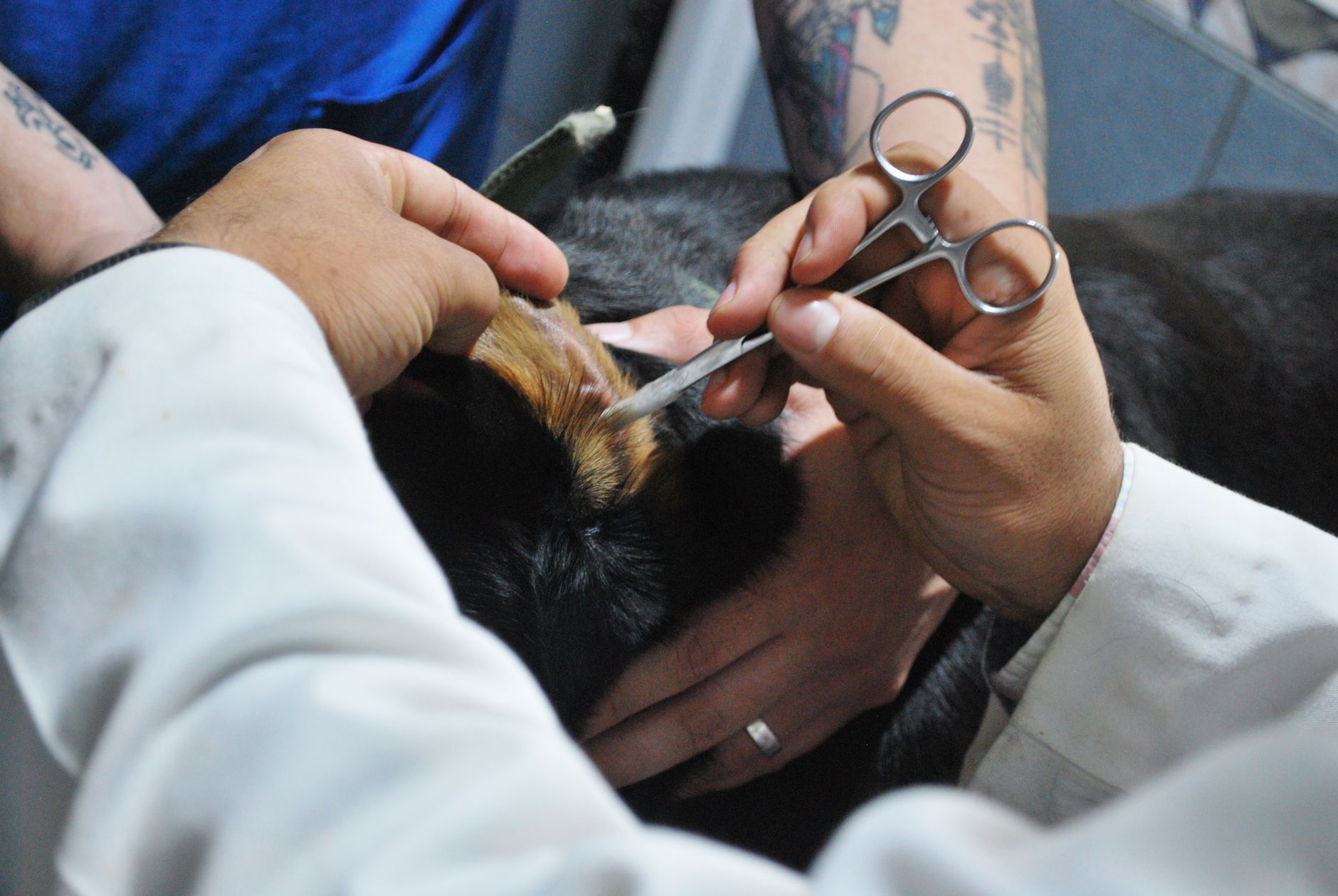
Photo by Ermelinda Maglione
Key Plan Features to Prioritize
Focus on plans with high annual limits. Unlimited coverage from Healthy Paws beats caps at $5,000. It pays for multiple ear flares without hitting a ceiling.
Include exam fees in every claim. ASPCA plans cover these $50 to $100 costs upfront. You avoid out-of-pocket hits on routine checks.
Choose short waiting periods. Embrace sets 14 days for illnesses, including ears. This speeds help for new issues after pre-existing gaps.
Grab multi-pet discounts. Families with two small dogs save 5% to 10% on premiums. It lowers costs for households with Cocker Spaniels and Shih Tzus.
Look for allergy coverage if not pre-existing. Plans reimburse tests and hypoallergenic food trials. Yeast from pollen flares counts as eligible. Embrace details ear infection coverage like this.
These features cut stress for chronic cases. Compare quotes to match your dog’s needs. (152 words)
Wellness and Discount Plans That Still Help
Wellness add-ons cover routine ear cleanings. Trupanion or AKC plans pay $100 to $200 yearly on solutions and wipes. They prevent buildup in floppy ears.
Discount plans slash bills without exclusions. GoodRx Pet or CareCredit offer 10% to 20% off meds at partner vets. No claim denials for past infections.
Vet clinic memberships work well too. Banfield or VCA plans cost $30 to $50 monthly. They include unlimited ear exams and basic meds. Small breeds get trims and flushes covered.
Stack these with basic insurance. Wellness fills gaps on prevention. Discounts handle meds directly. ASPCA outlines covered basics.
You control costs for chronic ear issues. Check local vets for deals. These options keep your dog comfortable without full premiums. (148 words)
Steps to Pick Pet Insurance for Your Small Dog
You want pet insurance for small breed dogs with chronic ear infections that fits your Cocker Spaniel or Shih Tzu’s needs. Start by listing your dog’s history and budget. Compare plans side by side. Focus on coverage for exams, meds, and tests. These steps help you choose without gaps.
Review Your Dog’s Medical Records First
Pull vet records for the past two years. Note any ear treatments, allergies, or yeast issues. Insurers flag these as pre-existing. Plans like those from Embrace may cover new flares after 180 symptom-free days.
Check for curable conditions. A one-time bacterial infection might qualify later. Chronic yeast overgrowth often stays excluded. Call your vet for a summary letter. This avoids claim denials on floppy-eared small breeds.
Compare Core Coverage and Limits
Look at accident and illness plans. Seek 80% to 90% reimbursement rates. Annual limits should top $10,000 or go unlimited. Deductibles fit your wallet at $250 to $500.
Prioritize exam fee coverage. It pays $50 to $100 per visit. Include alternative therapies like acupuncture for pain. Skip accident-only plans. They miss ear infections.
| Feature | What to Seek | Why It Matters for Ears |
|---|---|---|
| Reimbursement | 80-90% | Covers most cytology and drops |
| Annual Limit | Unlimited | Handles repeat flares |
| Deductible | $250-$500 | Balances premium costs |
Evaluate Waiting Periods and Exclusions
Illness waiting periods run 14 to 30 days. Ear issues need the shortest. Orthopedic waits hit six months, but ears qualify faster.
Read exclusion lists. Breed-specific risks like narrow canals in Cavaliers count against some plans. Petplace covers breed conditions. Pick providers that review records case by case.
Get Quotes from Top Providers
Use sites like Pawlicy Advisor or direct quotes from Embrace, Healthy Paws, and ASPCA. Enter your small dog’s breed, age, and zip code. Compare five plans.
Factor premiums at $30 to $60 monthly for small dogs. Multi-pet homes save 5% to 10%. Check app ratings for easy claims.
Finalize and Enroll Promptly
Sign up before the next ear check. Pay first premium to start the clock. Save policy docs and set claim reminders. Update coverage yearly as your dog ages. This setup protects against $1,000 annual bills.
Conclusion
Small breeds like Cocker Spaniels, Shih Tzus, and Cavaliers face high risks from floppy ears and narrow canals that trap moisture and debris. Chronic ear infections cost $150 to $500 per episode. Yearly bills hit $300 to $1,200. Surgery reaches $3,500 per ear.
Pet insurance for small breed dogs with chronic ear infections excludes pre-existing conditions. Most plans skip coverage for past symptoms or treatments. Embrace offers flexibility for curable cases after 6 to 12 months symptom-free. Healthy Paws, ASPCA, and AKC follow suit but stay strict on ongoing issues.
Plans reimburse 70% to 90% on eligible cytology tests, meds, flushes, and allergies. Monthly premiums run $25 to $55 for small dogs. Prioritize unlimited limits, exam fees, and short illness waits of 14 days.
Review vet records first. Compare quotes from Embrace, Healthy Paws, ASPCA, AKC, Lemonade, and Spot. Get 5 options based on your dog’s age and zip code.
Shop pet insurance for small breed dogs with chronic ear infections today. It shields against future flares and unrelated problems. Compare quotes now to lock in coverage before costs rise. Your dog deserves relief from those bills.