
Pet Insurance for Small Breed Dogs Prone to Epilepsy
Epilepsy strikes small dogs more often than many owners realize. It affects 0.5% to 5% of all dogs, with purebreds at higher risk. Breeds like Beagles and Cavalier King Charles Spaniels carry genetic traits that boost their chances.
Other small breeds face similar issues. Dachshunds, Pugs, and Border Terriers show up on vet lists for idiopathic epilepsy. These dogs often start seizing between ages 1 and 5, and most need lifelong care.
Treatment costs add up fast. Initial exams and blood work run $150 to $300. Advanced tests like MRI hit $1,500 to $3,000. Monthly meds such as phenobarbital cost $10 to $40 for small dogs, while others like levetiracetam reach $30 to $100. Yearly totals range from $300 for mild cases to $3,000 or more with emergencies.
Pet insurance for small breed dogs prone to epilepsy eases this burden. It covers vet visits, diagnostic tests, and medications without draining savings. Owners avoid stress from surprise bills.
Key benefits include:
- Full coverage for anti-seizure drugs.
- Reimbursement for routine blood monitoring.
- Help with emergency hospital stays.
This post covers breed risks in detail, top insurance options, and how to pick a plan that fits. You’ll learn what policies pay for epilepsy care and real cost examples. Stick around to protect your small dog.
Small Dog Breeds Most Prone to Epilepsy
Certain small breeds face higher epilepsy odds due to genetics. Vets see these dogs often in clinics for seizures. Pet insurance for small breed dogs prone to epilepsy covers tests and drugs that manage it. Know the risks so you pick coverage that fits.
Beagle and Cavalier King Charles Spaniel Risks
Beagles top lists for idiopathic epilepsy. Studies show they inherit the trait from parent lines. Vets note seizures start young, often by age three. One report lists Beagles among breeds with frequent cases in primary care settings, like this VetCompass analysis.
Cavalier King Charles Spaniels rank high too. They carry genes that spark brain activity glitches. Owners report cluster seizures that need quick drugs. Experts at sites like My Epileptic Pet flag Cavaliers as highly predisposed.
Both breeds show up often in vet records. Beagles have a few percent risk, well above the 0.5% average for dogs. Cavaliers match that pattern. Puppies from at-risk lines benefit from early vet checks. Blood tests and exams spot signs before full seizures hit. Start at six months if family history exists.
Other Common Small Breeds Like Pugs and Chihuahuas
Pugs join the list with moderate epilepsy risks. They face seizures from brain issues tied to short skulls. Not every Pug gets it, but vets see higher rates than mixed breeds.
Chihuahuas share similar odds. Tiny size hides brain glitches until a seizure strikes. Data shows purebreds like them exceed average risks by a bit.
Pomeranians round out common cases. Fluffy coats mask early tremors. Owners spot issues around age two.
Kennel Club studies back this up. A large UK survey found small breeds like these in 0.6% to 1% of seizure cases overall, higher for purebreds. Dachshunds and Border Terriers appear too, per vet logs. Risks stay elevated but vary by line.
No dog breed dooms all pups to epilepsy. Good breeders screen parents. Still, these small dogs need plans ready for lifelong meds. Insurance pays for MRIs and phenobarbital to keep costs down. Check your pup’s breed early.
Signs of Epilepsy in Small Dogs and Treatment Basics
Small breed dogs prone to epilepsy show clear signs during seizures. Owners spot them fast with practice. Pet insurance for small breed dogs prone to epilepsy pays for exams and drugs that follow. Know these basics to act quick and keep costs low.
Common Seizure Types to Watch For
Seizures split into two main types: generalized and focal. Generalized ones hit the whole body. Your dog loses consciousness, falls over, paddles legs, drools, and foams at the mouth.
These last 30 seconds to two minutes in most cases. Small dogs like Beagles recover in five to ten minutes after. Watch for paddling, stiff limbs, or jaw snapping.
Focal seizures stay local. They affect one side or body part. Your dog might snap at air, chew lips, or twitch a leg without passing out.
Focal ones run shorter, often under 30 seconds. They can spread to generalized if untreated. Small breeds show focal signs from brain spots.
Rush to the vet if a seizure tops five minutes. Clusters of two or more in 24 hours count as urgent too. First-time seizures always need a check, even if short. Status epilepticus over five minutes risks brain damage. Call ahead so staff preps rectal diazepam if needed. For details on types, see this Sage Veterinary guide.
Time each event. Video it for the vet. Safe spots matter: clear floors, no stairs.
Diagnosis and Daily Management Steps
Vets start diagnosis with history and basic exams. Blood tests rule out low sugar, liver issues, or toxins. These cost $100 to $200 and guide next steps.
MRI or CT scans check for tumors or scars. They cost $1,500 to $3,000 but spot non-epilepsy causes. Small dogs tolerate scans well under sedation.
Idiopathic epilepsy shows no lesions. Vets confirm it after tests. Lifelong care fits most cases.
Meds control 70% of seizures. Phenobarbital works first line at $10 to $40 monthly for small dogs. Levetiracetam suits pups with liver risks at $30 to $100.
Give pills twice daily. Blood checks every six months track levels. Side effects include thirst or wobbling; adjust doses as needed.
Daily steps keep seizures rare:
- Stick to med times; use pill pockets.
- Feed consistent meals; skip fatty treats.
- Track triggers like stress or missed sleep.
- Log all events in a journal for vets.
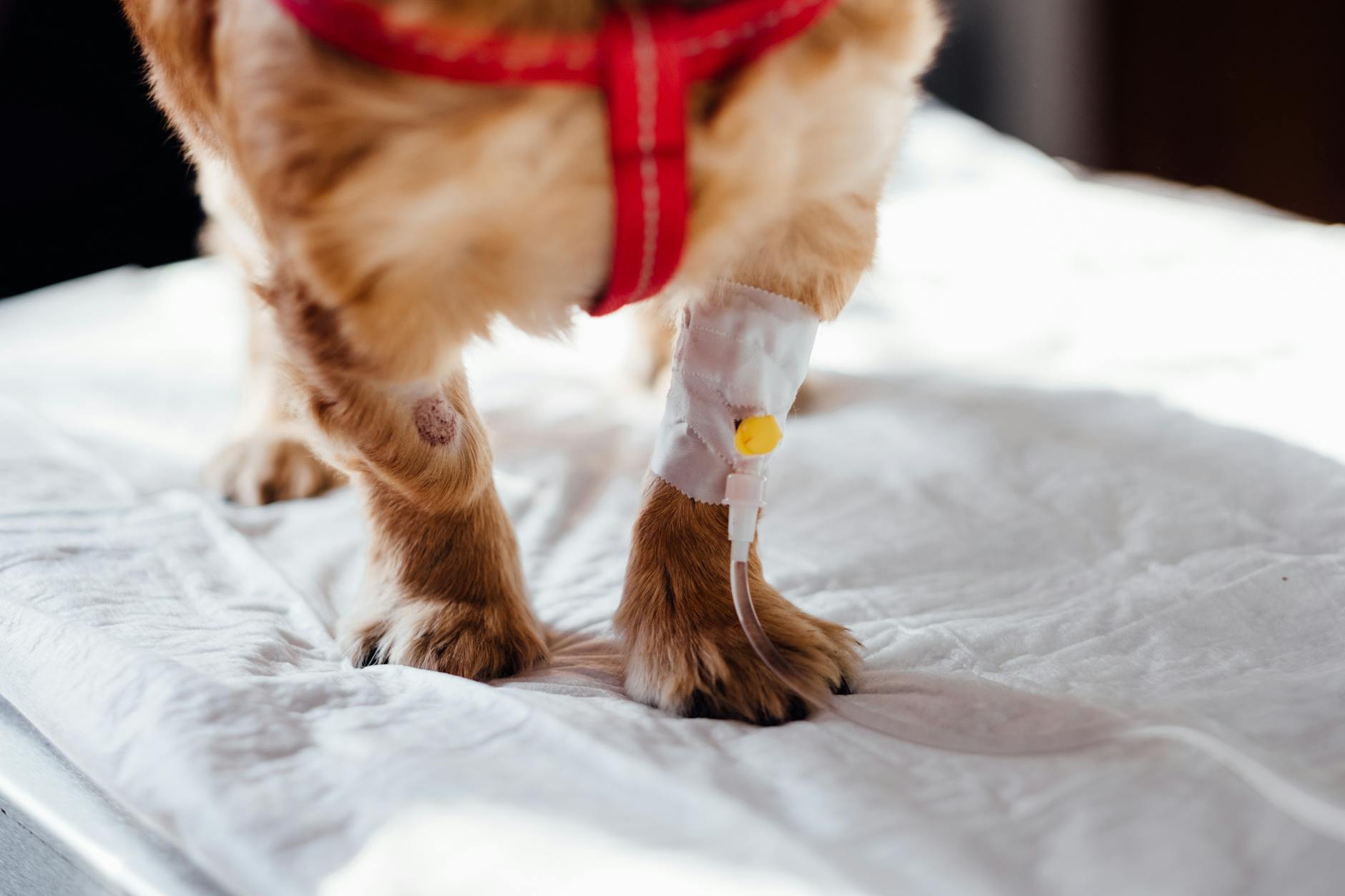
Photo by freestocks.org
Pet insurance covers these tests and meds. It reimburses MRI scans and ongoing blood work. Plans pay 70% to 90% after deductibles. Check Cornell Vet info for management tips. Most dogs live normal lives with this routine.
Real Costs of Epilepsy Care for Small Dogs
Epilepsy care hits small breed dogs hard on the wallet. You face bills for tests, drugs, and checkups that add up over time. Pet insurance for small breed dogs prone to epilepsy offsets many of these expenses. Expect ranges based on location and clinic, but here’s what owners pay.
Initial Diagnosis and Testing
Vets start with a basic exam and bloodwork. These rule out other causes like low blood sugar or toxins.
Costs break down like this:
| Item | Cost Range for Small Dogs |
|---|---|
| First vet exam | $60–$120 |
| Bloodwork (CBC, chemistry) | $120–$250 |
| Urinalysis | $40–$80 |
| Chest X-rays | $150–$300 |
Total for basics: $300–$700.
Advanced steps include neurology consults and MRI scans. MRI with anesthesia runs $1,500–$3,000 at specialty centers. Add spinal taps or extra labs for $300–$800 more. Full workup reaches $2,000–$4,000. Small dogs handle sedation well, but these tests confirm idiopathic epilepsy.
Monthly Medication Costs
Drugs control most seizures. Vets pick based on your dog’s size and health.
Common options include:
- Phenobarbital: $10–$30 per month from generic sources.
- Levetiracetam (Keppra): $20–$60 per month, dosed three times daily.
- Potassium bromide: $20–$50 per month as liquid or capsules.
A small dog on one or two meds pays $50–$140 monthly. Use human pharmacies for generics to save. Vet versions cost more. Yearly meds total $600–$1,700. For drug details, check this Wag! guide on epileptic seizures.
Routine Blood Monitoring
Phenobarbital and bromide require level checks. These catch side effects like liver strain early.
Each visit costs $120–$250 for blood draw and chemistry panel. Bromide tests add $60–$120.
Stable dogs need checks every 3–12 months. First year means more frequent visits. Annual total: $300–$900 for 2–3 sessions. Insurance often reimburses these after your deductible.
Emergency Seizure Treatment
Clusters or long seizures demand ER care. Status epilepticus over five minutes risks brain damage.
ER bills start with:
- Exam fee: $150–$250.
- IV meds and fluids: $250–$700.
- Overnight stay: $500–$1,000 per night.
Short visits run $400–$800. Hospitalization hits $800–$1,500. Bad cases top $3,000. One event per year spikes costs.
Estimated Annual Totals
Costs vary by seizure control. Well-managed dogs pay less.
Here’s a summary table:
| Scenario | Yearly Total Range |
|---|---|
| Well-controlled (no ER) | $1,000–$1,200 |
| Moderate issues (one minor ER) | $2,000–$3,000 |
| Tough year (ER + extras) | $3,500–$6,000 |
| Worst (ER + MRI repeat) | $5,500–$9,000+ |
Basics like meds and monitoring form the base. Emergencies drive highs. Pet insurance covers 70–90% on accident-and-illness plans, minus deductibles. Enroll before symptoms for best protection. Track everything to spot patterns and cut waste.
Best Pet Insurance Options for Epilepsy-Prone Small Breeds
Small breed dogs prone to epilepsy need plans that cover diagnostics, meds, and emergencies. These options fit breeds like Beagles and Pugs. They handle high costs from phenobarbital or MRI scans. Pick based on your dog’s age and health history. Pet insurance for small breed dogs prone to epilepsy works best when you compare coverage details.
AKC Pet Insurance for Pre-Existing Epilepsy
AKC Pet Insurance stands out for chronic cases. It uses a 365-day rule for pre-existing conditions. The plan covers issues like epilepsy if your dog stays symptom-free for 365 days after enrollment. No treatments or signs count during that wait.
This rule helps owners with ongoing seizures. Once cleared, it pays for meds and monitoring. You get 70% to 90% reimbursement after a deductible. No age limits apply, so older small dogs qualify.
Pros for epilepsy include:
- Covers phenobarbital refills fully after wait.
- Pays for blood tests to check drug levels.
- Handles cluster seizures as new claims.
Owners praise quick claims. See details on their pre-existing conditions page. It beats plans that exclude epilepsy forever.
ASPCA and Pets Best for Broad Coverage
ASPCA Pet Health Insurance covers hereditary conditions like epilepsy if they show up after enrollment. Pre-existing ones stay excluded, but new symptoms get full support. It pays for exams, MRIs, and anti-seizure drugs at 70% to 90%.
Puppies from at-risk breeds benefit most. Enroll young, before first seizure. Plans include behavioral coverage, which helps stress-triggered events.
Pets Best matches this approach. It treats idiopathic epilepsy as covered if not pre-existing. Hereditary risks in Chihuahuas or Dachshunds qualify once diagnosed post-policy.
Key strengths for small breeds:
- No breed bans, even for Pugs.
- Wellness add-ons fund routine blood work.
- Fast payouts for ER visits.
Check ASPCA’s take on dog hereditary conditions. Both suit proactive owners.
Pet Assure Discounts as a Backup Plan
Pet Assure offers discounts, not full insurance. It cuts vet bills by 15% to 50% at 14,000+ clinics. Use it right away, no waiting periods or pre-existing limits.
Pair it with insurance for epilepsy-prone small dogs. Save on phenobarbital scripts or checkups. It covers exams, meds, and diagnostics without reimbursement hassles.
Benefits include:
- Instant savings at participating vets.
- No caps on use per year.
- Works for all breeds, any age.
It fills gaps in traditional plans. Expect lower out-of-pocket for lifelong care. Treat it as a smart add-on.
How to Choose Pet Insurance for Your Small Dog
Pet insurance for small breed dogs prone to epilepsy demands careful picks. You need plans that handle diagnostics, lifelong meds, and emergencies without gaps. Focus on these steps to match coverage to your Beagle’s or Pug’s risks. Compare options side by side for the best fit.
Verify Illness and Hereditary Coverage
Start with plans that cover illnesses, not just accidents. Epilepsy counts as a hereditary condition in breeds like Cavaliers or Dachshunds. Good policies pay for it if symptoms appear after enrollment.
Check policy details for:
- Anti-seizure drugs like phenobarbital.
- Routine blood tests for drug levels.
- Hereditary issues without breed exclusions.
Skip accident-only plans. They ignore chronic needs. For guidance on hereditary coverage, review this Embrace Pet Insurance resource.
Understand Pre-Existing Condition Rules
Pre-existing conditions block most epilepsy claims. Companies define them as any sign or treatment before or during the waiting period.
Look for:
- Coverage if your dog shows no symptoms at signup.
- Clear definitions of symptoms versus diagnosis.
- Rare options that revisit curable issues after symptom-free time.
Enroll young puppies from at-risk lines. This avoids denials later. See NerdWallet’s list of top plans for these rules at their pre-existing guide.
Assess Waiting Periods and Limits
Waiting periods run 14 days for accidents and 14 to 30 days for illnesses. A seizure in that window marks epilepsy as pre-existing.
Choose high annual limits, like unlimited, for MRI costs or ER stays. Lifetime caps can exhaust fast with ongoing care.
Match your budget:
- Annual limits over $5,000 suit tough cases.
- No lifetime cap protects for years.
Pick Deductibles and Reimbursement Rates
Deductibles reset yearly at $100 to $1,000. Higher ones cut premiums but raise your upfront pay.
Reimbursement at 70% to 90% works best for meds. A $500 deductible with 90% means you pay less on $3,000 bills.
Test quotes online. Small dogs often qualify for lower premiums due to size.
Confirm Meds, Tests, and Specialist Support
Policies must cover:
- Prescription meds without yearly caps.
- Diagnostics like MRI, CT, or spinal taps.
- Neurologists and 24/7 ER care.
Add wellness for blood monitoring if offered. Direct billing speeds claims during clusters.
Check Claims Process and Support
Fast apps and 24/7 lines help panicked nights. Read reviews for payout speeds.
Use comparison sites like Pawlicy Advisor to quote multiple plans. Get everything in writing before you buy.
Conclusion
Small breeds like Beagles, Cavalier King Charles Spaniels, Pugs, Dachshunds, and Chihuahuas face higher epilepsy risks. These dogs need coverage for diagnostics such as MRI scans, monthly meds like phenobarbital, routine blood tests, and emergency care. Costs range from $1,000 yearly for mild cases to over $5,000 with crises.
Top picks include AKC Pet Insurance for its 365-day pre-existing rule, ASPCA and Pets Best for broad hereditary coverage on new issues, and Pet Assure for instant vet discounts. Choose plans with high annual limits, 70% to 90% reimbursement, and short waiting periods to match your dog’s needs.
Pet insurance for small breed dogs prone to epilepsy cuts financial stress. It lets you focus on care, not bills. Get quotes from these providers today. Talk to your vet about your pup’s breed risks and history first.
With the right plan and routine management, these dogs thrive. Your small companion deserves that protection.