
Pet Insurance for Small Breed Dogs Living in Hot Climates
Small dogs like Chihuahuas, Pugs, and French Bulldogs face big risks in hot spots such as Arizona and Florida. Their small size means they overheat fast with less body mass to handle the heat. Flat faces narrow their airways, so they struggle to cool down by panting.
Heatstroke hits quick when body temperature tops 104 degrees Fahrenheit. Watch for heavy panting, bright red gums, excessive drooling, or collapse. Dehydration shows in dry gums and weak energy, while breathing trouble brings raspy sounds or belly heaving.
These issues lead to emergency vet visits with high bills for organ checks and IV fluids. Pet insurance for small breed dogs living in hot climates covers those costs, so you avoid tough choices. It pays for heatstroke treatment, dehydration care, and breathing aids.
This post breaks down the top risks for your pup. You’ll get prevention tips tailored to hot areas. We cover key coverage options and the best plans to pick. Stay ahead and keep your small dog safe.
Why Small Breed Dogs Struggle in Hot Climates
Small breed dogs heat up fast. Their tiny bodies hold less water and fat to regulate temperature. Many, like Pugs and Shih Tzus, have short noses that block cool air during pants. In hot climates, these traits lead to quick health crises. Pet insurance for small breed dogs living in hot climates helps cover the vet bills from these problems. Spot issues early to act fast.
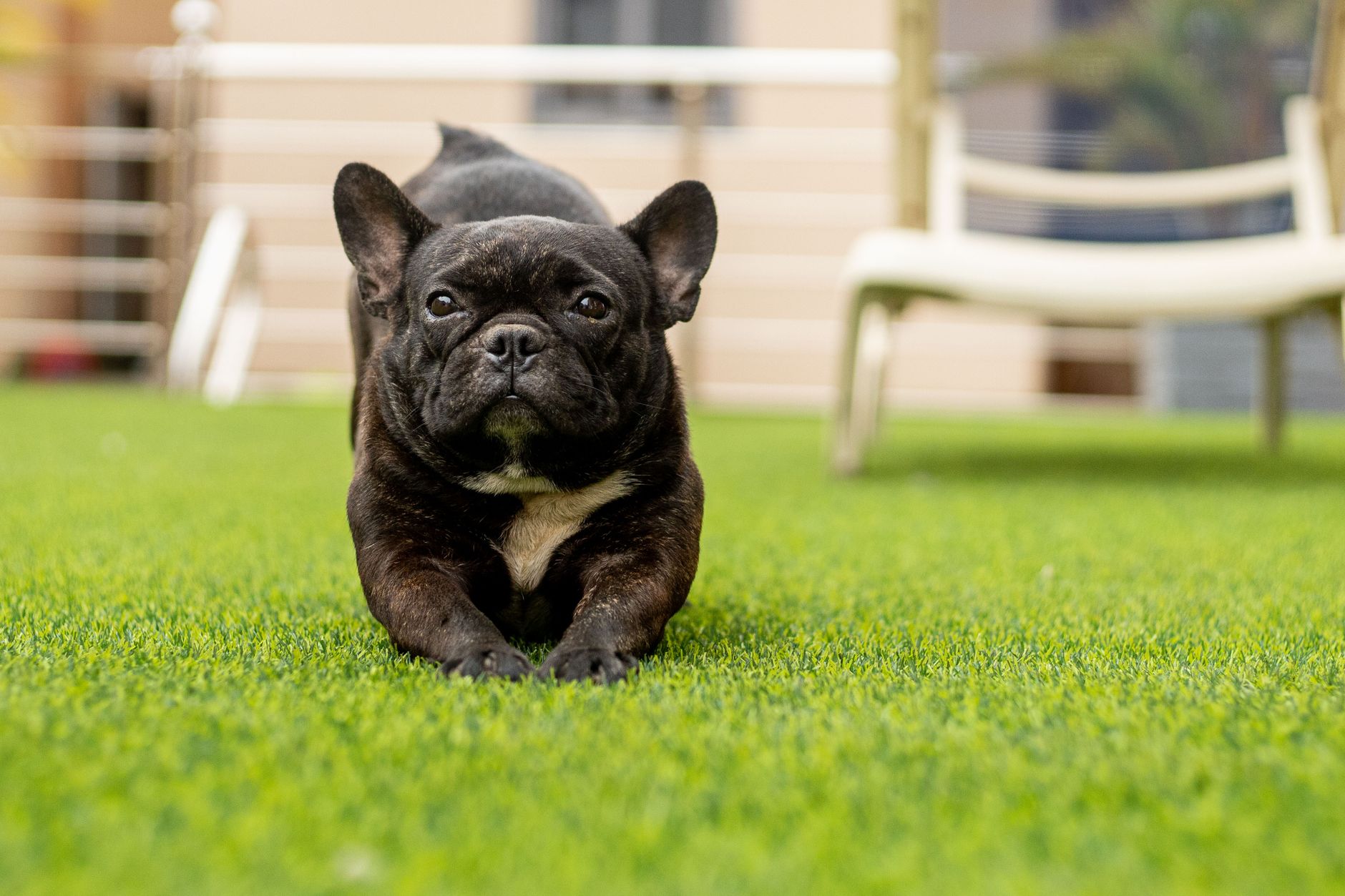 Photo by Writchid Snipes
Top Heat-Related Health Problems to Watch For
Heat takes a toll on small dogs. Know the signs to prevent disasters. Common triggers include midday walks, cars without AC, and yards lacking shade.
Heatstroke strikes when body heat tops 104°F. Dogs can’t sweat like we do, so panting fails in thick air. Watch for these signs:
- Excessive panting with a bright red tongue
- Heavy drooling or thick saliva
- Red or pale gums
- Lethargy or wobbly legs
- Vomiting or diarrhea
For details on heatstroke symptoms, check this vet guide.
Dehydration follows close behind. Small dogs lose fluids quick in heat. Look out for:
- Dry, sticky gums
- Sunken eyes
- Weakness or dizziness
- Loss of skin elasticity (pinch skin; it stays tented)
Breathing distress hits flat-faced breeds hard. Narrow airways swell in heat, making each breath a struggle. You hear rasps or see belly push in and out.
Paw burns add pain. Asphalt hits 160°F on hot days, scorching pads in seconds. Dogs limp or lick feet raw. Limit walks to grass or cooler hours.
Act at first sign. Cool your dog and call the vet. Insurance eases the cost of tests and fluids. (198 words)
Smart Ways to Keep Your Small Dog Safe in the Heat
You can prevent most heat issues with simple habits. Small dogs cool slower than big ones, so plan ahead in hot climates. These steps cut risks and keep vet trips low. Pet insurance for small breed dogs living in hot climates steps in if problems hit anyway.
Schedule Walks for Cooler Hours
Walk your small dog before 9 a.m. or after 7 p.m. Pavement stores heat and burns paws fast. Test it with your hand; if it’s too hot for 5 seconds, skip the walk.
Stick to grass or dirt paths. Carry water and take breaks in shade. Short 10-minute outings work best. Pugs and Chihuahuas tire quick, so watch their pace.
Offer Fresh Water and Shade All Day
Keep cool water in several spots around your yard or home. Small dogs drink small amounts often, so refresh bowls twice daily. Add ice cubes to keep it chilled.
Build shade with umbrellas or tents outdoors. Indoors, block sun with curtains. A kiddie pool with shallow water lets them stand and cool paws. For more ideas, see this Animal Humane Society guide.
Use Cooling Tools and Gear
Cooling mats provide relief on floors or crates. They absorb body heat without power. Wet bandanas around the neck work too; swap when dry.
Fans help air move, but pair with water. Avoid ice packs direct on skin; use towels as barriers. Vests soaked in cool water fit small frames well.
Brachycephalic breeds like French Bulldogs benefit most from these. They pant less and stay comfy longer.
Never Leave Them in Cars or Hot Spots
Crack a window does not cool a car enough. Temps climb 20 degrees in 10 minutes. Leave your dog home with AC on instead.
Skip balconies or garages without vents. Check fences for hot metal that burns skin. Indoor temps over 80°F call for fans or misting.
Groom and Monitor Weight Closely
Trim fur short but not shaved; it protects skin. Brush daily to remove undercoat. Overweight small dogs overheat faster, so feed measured meals.
Weigh monthly and adjust food. Daily checks catch early signs like slow steps or hot ears. Act fast to avoid big bills covered by pet insurance.
These habits build a routine. Your small dog stays active without stress.
What Pet Insurance Covers for Heat Issues in Small Dogs
Pet insurance for small breed dogs living in hot climates pays for many heat-related treatments. It covers emergency care for heatstroke, dehydration, and breathing problems common in breeds like Chihuahuas and Pugs. You pick a plan that reimburses vet bills after you pay upfront. Coverage varies by provider, but most handle these key costs.
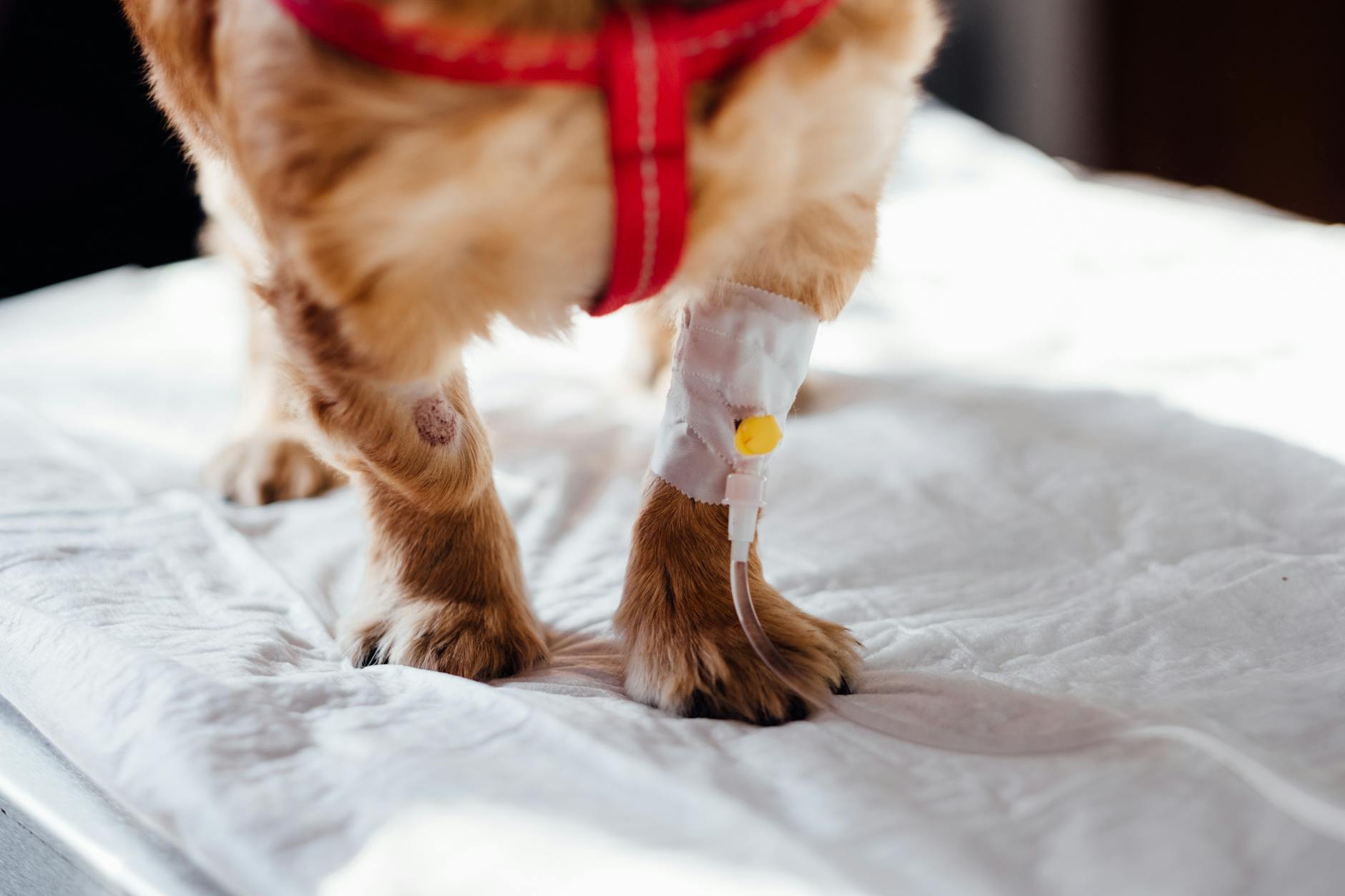 Photo by freestocks.org
Heatstroke Diagnostics and Initial Care
Plans cover tests to confirm heatstroke. Vets check body temperature, blood work, and organ function with X-rays or ultrasounds. These run $200 to $500.
Cooling methods get reimbursed too. Vets use fans, cool water baths, or alcohol rubs on paws. IV fluids restore hydration and lower fever fast. Expect 70% to 90% reimbursement on these, depending on your deductible.
For example, Lemonade pet insurance lists heatstroke treatments like fluids and monitoring as covered. Hospital stays for severe cases fall under accident coverage.
Medications and Follow-Up Treatments
Drugs calm seizures or support organs. Anti-inflammatories reduce brain swelling. Pain meds help with discomfort.
Follow-up visits check recovery. Blood tests track kidney and liver health. Most policies cover these as long as the issue stems from an accident like overheating.
Pet insurance for small breed dogs living in hot climates often includes unlimited lifetime payouts. This means multiple heat events get covered without caps.
Dehydration and Breathing Support Coverage
Dehydration care mirrors heatstroke. Plans pay for fluids, electrolytes, and skin tests. Small dogs need quick rehydration to avoid organ failure.
Breathing aids for flat-faced breeds include oxygen therapy or nebulizers. These cost $300 or more per session. Emergency intubation counts if airways swell shut.
MetLife Pet Insurance notes that emergency vet visits for heat issues qualify for up to 90% reimbursement.
Paw Burns and Secondary Injuries
Hot pavement burns pads, and insurance covers wound cleaning, bandages, and antibiotics. Surgery for deep burns gets paid if needed.
Secondary issues like infections from licking wounds also qualify. Keep records of temps and symptoms to speed claims.
Limits and Exclusions to Know
Not all plans cover everything. Pre-existing conditions stay out. Waiting periods of 14 days apply to accidents.
Routine checkups or grooming do not count. Review policy details for breed restrictions or climate add-ons. Compare quotes to find the best fit.
Choose comprehensive accident coverage. It handles most heat problems in small dogs without surprise denials. Your Pug or Frenchie gets top care in hot weather.
Best Pet Insurance Plans for Small Dogs in Hot Areas
Pet insurance for small breed dogs living in hot climates must cover heatstroke, dehydration, and breathing issues fast. These plans stand out for small dogs like Chihuahuas or Pugs. They offer strong reimbursement on emergencies common in places like Florida or Arizona. Compare features, costs, and limits to match your needs.
Embrace Pet Insurance: Strong Coverage for Heat Emergencies
Embrace handles heatstroke as an accident or illness with cooling treatments, IV fluids, and hospital stays. Dehydration ties into covered conditions like overheating. New respiratory problems from heat get coverage too, such as tests and meds.
Pros include customizable deductibles from $100 to $1,000 and 70% to 90% reimbursement. Add exam fees for $50 to $200 per visit. Unlimited annual limits fit repeat issues.
Cons hit pre-existing conditions hard. Past breathing woes or heat events stay excluded. Waiting periods apply: short for accidents, longer for illnesses.
For a 2-year-old dog under 10 pounds, expect $20 to $40 monthly. A mid-level plan with $500 deductible and 80% reimbursement runs $30 to $45. Check Embrace’s accident coverage for quotes. (148 words)
ASPCA and Lemonade: Affordable Options Compared
ASPCA offers wide illness coverage for heatstroke, dehydration, and hereditary breathing risks in small breeds. It includes exam fees, meds, and diagnostics up to $10,000 yearly. Illness waiting periods run about 14 days; accidents start sooner. Costs vary by zip code and breed; small dogs average lower premiums. Flat-faced breeds like Pugs may see higher rates due to risks.
Lemonade keeps prices competitive at $35 to $39 monthly in hot states for base accident and illness. Add vet exam fees, physical therapy, or dental illness for breed-specific needs. Preventive packages cover flea control and heartworm key in warm areas. Breed impacts costs; brachycephalic dogs pay more for potential issues.
| Provider | Key Feature | Monthly Cost (Small Dog) | Waiting Periods |
|---|---|---|---|
| ASPCA | Wide illness, exam fees | Quote-based, often $25+ | 14 days illness |
| Lemonade | Exam add-ons, preventive | $35-$39 base | Varies by state |
Both suit hot climates but review records for exclusions. See Lemonade’s heat stroke guide for details. (152 words)
How to Pick the Right Pet Insurance Plan for Your Dog
Pet insurance for small breed dogs living in hot climates needs to match your Pug’s or Chihuahua’s risks. Heatstroke and breathing issues demand strong accident coverage. Follow these steps to find a plan that fits your budget and location.
Start with Your Dog’s Age, Breed, and Location
Small dogs under 10 pounds cost less to insure. Brachycephalic breeds like French Bulldogs pay higher premiums due to airway risks. Enter your zip code in Arizona or Florida; hot areas raise rates 10-20%.
List health history. Past dehydration events exclude future claims. Note age; puppies get lower rates than seniors over 8. Use tools on sites like Pawlicy Advisor to compare breed-specific quotes.
Providers factor in location. Coastal humidity adds illness claims. Pick plans with no breed caps for flat-faced dogs.
Review Coverage for Heat-Specific Risks
Seek accident and illness plans. Accidents cover heatstroke cooling and IV fluids. Illness handles secondary infections or breathing aids.
Check add-ons. Exam fees save $50-100 per visit. Wellness riders pay for flea meds vital in warm states.
Avoid basic accident-only plans. They skip chronic breathing woes. Comprehensive options reimburse diagnostics like blood work up to 90%. Read ASPCA’s comparison for types.
Key features to confirm:
- Unlimited lifetime payouts for repeat heat events
- Direct vet pay to skip upfront costs
- 24/7 telehealth for quick checks
Compare Costs, Deductibles, and Reimbursement Levels
Monthly premiums run $20-50 for small dogs. Raise deductibles to $500-1,000 and cut costs 30%. Aim for 80% reimbursement.
Use tables for quick scans:
| Factor | Low-Cost Choice | Balanced Pick |
|---|---|---|
| Deductible | $250 | $500 |
| Reimbursement | 70% | 80-90% |
| Annual Limit | $5,000 | Unlimited |
Hot climates boost premiums 15%. Get three quotes. Nationwide suits multi-pet homes; Lemonade works for fast claims.
Examine Waiting Periods and Exclusions
Accidents start after 1-2 days. Illness waits 14 days. Heatstroke counts as accident, so coverage kicks in quick.
Skip plans excluding hereditary conditions. Small breeds face dental or patella issues alongside heat risks. Review sample policies for climate add-ons.
Read Customer Reviews and Finalize
Check sites like U.S. News for ratings. High claims approval matters most. Call providers with questions.
Test apps for claims. Pick one with 98% payout speed. Sign up during open enrollment to avoid gaps. Your small dog gets protected care without stress.
Conclusion
Small breed dogs in hot climates face heatstroke, dehydration, breathing distress, and paw burns. These risks hit fast due to tiny bodies and short noses in breeds like Pugs and Chihuahuas. Prevention works with cooler walks, constant water and shade, cooling mats, and no hot cars.
Pet insurance for small breed dogs living in hot climates covers diagnostics, IV fluids, meds, and hospital stays for these issues. It reimburses 70% to 90% after deductibles, often with unlimited payouts. Embrace, ASPCA, and Lemonade handle emergencies well, with premiums around $25 to $60 monthly for dogs under 10 pounds.
This protection pays vet bills so you focus on care, not costs. Get quotes from Embrace, ASPCA, and Lemonade today to match your dog’s needs.
Your small dog stays safe, active, and happy through hot summers.