
Reimbursement Rates for Large Dogs
Vet bills for large dogs add up fast. A single ACL surgery can top $2,000, and hip dysplasia fixes often cost even more. Owners face tough choices without the right coverage.
Reimbursement rates for large dogs run from 70% to 90% on covered bills. This means pet insurance pays back that share after you hit your deductible. You pick the rate when you buy the plan; higher ones cost more each month.
Large breeds carry bigger risks. They live shorter lives and deal with issues like hip dysplasia in breeds such as Bulldogs. That’s why premiums run higher for Labs, Goldens, or Great Danes.
You need clear facts on these rates to cut costs and protect your dog. Premiums climb with size, age, location, and breed health trends.
This post breaks down typical rates, how they work after deductibles, key factors for large breeds, and tips to pick a smart plan. You’ll see real numbers and ways to save without skimping on care.
Typical Reimbursement Rates from Major Pet Insurers
Major pet insurers like Embrace, ASPCA, and Lemonade offer reimbursement rates for large dogs from 70% to 90%. These rates apply after you meet the deductible on eligible claims. Higher rates mean you recover more of your vet bills, but they raise monthly premiums. Expect solid coverage with annual limits around $10,000. Large breeds often see rates in the 70% to 80% range due to their health risks. Check sites like NerdWallet for average costs.
Rates for Popular Large Breeds Like Labs and German Shepherds
Labrador Retrievers and German Shepherds top the list for popular large breeds. Both face high risks for hip dysplasia, elbow issues, and joint problems. These conditions drive up premiums. Insurers adjust rates based on breed data.
For 70% to 80% reimbursement, a $250 to $500 deductible, and $10,000 annual limit, expect these ballpark monthly premiums:
- Labrador Retriever: $50 to $70. Hip dysplasia hits Labs hard, adding 20% to 30% over mixed breeds.
- German Shepherd: $60 to $90. Back issues and degenerative myelopathy push costs higher.
These quotes stay general. Breed-specific risks make large dogs pricier overall. See Bankrate for breed impacts.
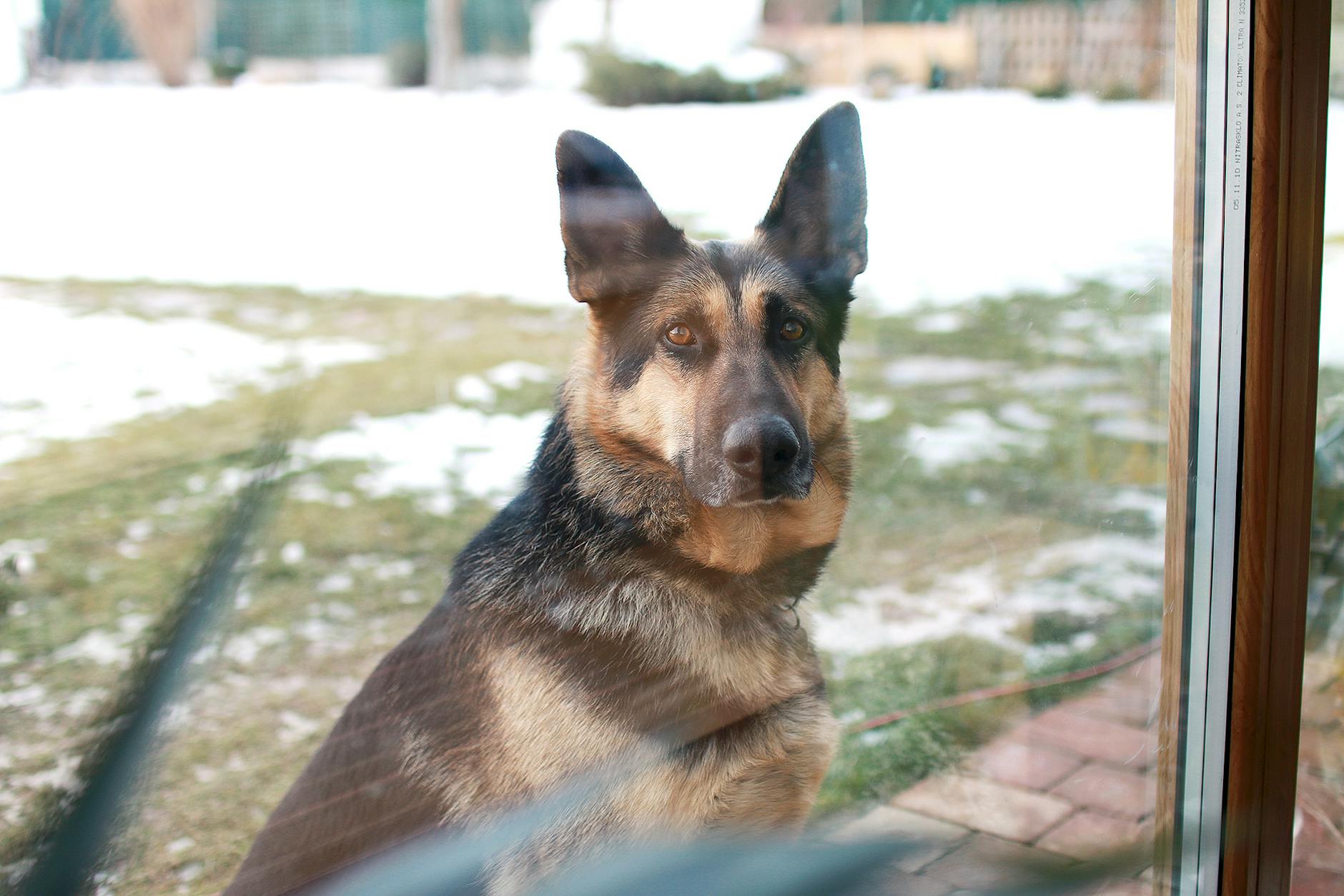
Photo by JÉSHOOTS
How Pet Insurance Reimbursement Works Step by Step
Pet insurance reimbursement follows a clear process. You pay the vet bill upfront, submit a claim with receipts, meet your deductible, and get back your chosen percentage of eligible costs. Reimbursement rates for large dogs typically hit 70% to 90%, so a $5,000 surgery might return $3,500 to $4,500 after the deductible. This setup keeps premiums affordable while covering big expenses common in breeds like Labs or Shepherds. Factors like deductibles shape how much you pay out of pocket first. Let’s break it down.
Deductibles and Their Impact on Large Dog Owners
Deductibles set the amount you pay before insurance kicks in. They directly affect your monthly premiums and claim payouts. Low options from $100 to $250 cost more upfront each month, around $70 to $100 for large dogs, but let you reach reimbursement faster on frequent visits. High deductibles of $500 to $1,000 drop premiums to $50 to $90, saving cash if claims stay rare.
Large dogs face steep bills from joint issues or injuries, so balance this with your rate. Pair a 80% reimbursement with a $500 deductible, and you still recover most costs on a $4,000 ACL repair. See how options compare in Bankrate’s guide.
| Deductible Level | Monthly Premium Range (Large Dogs) | Best For |
|---|---|---|
| $100-$250 | $70-$100 | Frequent vet needs |
| $500-$1,000 | $50-$90 | Healthy dogs, big claims |
Pick based on your dog’s risks. Higher deductibles work if you save for emergencies; lower ones suit ongoing care. Check NerdWallet for more on choosing wisely. This choice boosts overall value in reimbursement rates for large dogs.
Key Factors That Affect Rates and Premiums for Large Dogs
Reimbursement rates for large dogs stay steady at 70% to 90%, but premiums shift based on risks tied to breed, age, and location. These elements raise costs for owners of Labs, German Shepherds, or Great Danes. Insurers use data on claims to set prices. Understand them to control your budget and maximize coverage value.
Breed Risks That Drive Up Costs for Big Dogs
Large breeds face higher odds of joint problems. Hip dysplasia affects Labs and German Shepherds at rates up to 20% higher than small dogs. This loose hip joint leads to pain, limping, and surgery costs over $5,000. Cruciate ligament tears strike Labs often; they rupture the knee support and require repairs around $3,000 to $6,000. German Shepherds show similar issues plus elbow dysplasia.
Purebred genetics worsen risks. Mixed breeds dilute problems, so purebred premiums run 20% to 40% above averages. Insurers review breed data from veterinary records. For example, Labs claim more for joints, pushing monthly costs to $60 to $90 at 80% reimbursement.
Check Petplace on breed-specific conditions for details. Nationwide covers hip dysplasia if not pre-existing, per their coverage page.
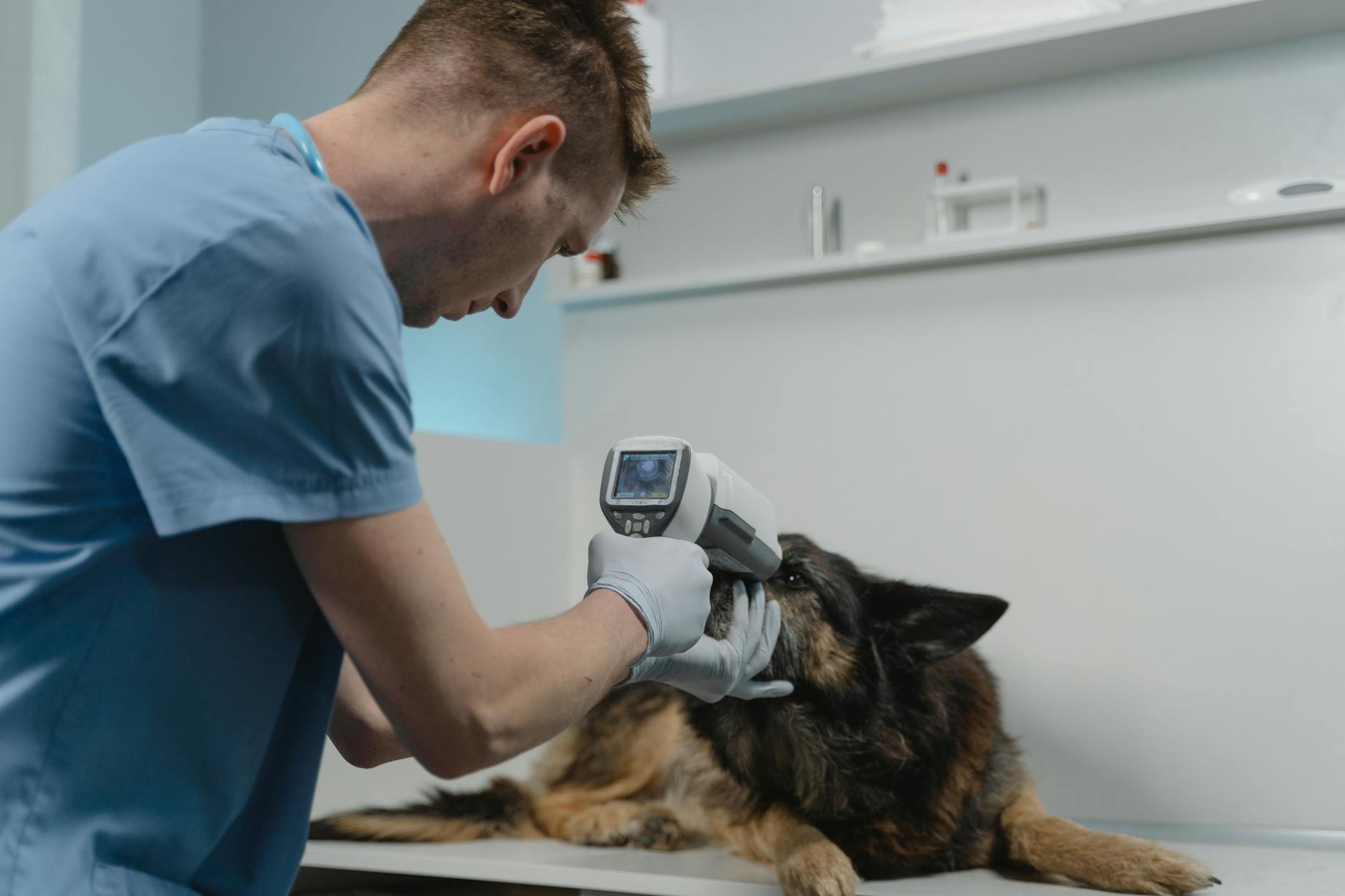
Photo by Tima Miroshnichenko
Age and Location Effects on Your Premium
Puppies under two years snag the lowest premiums, often 30% below adult rates. Their claims stay low since issues like dysplasia show later. Costs rise fast after age five; seniors over eight pay 50% to 100% more due to joint wear and cancer risks. A two-year-old Lab might cost $45 monthly at 70% reimbursement, while a seven-year-old hits $80.
Location plays a big role too. Urban spots like New York or Los Angeles charge 25% to 50% higher premiums. Vet fees there top $150 per visit versus $100 in rural areas. Higher local costs mean bigger claims, so insurers adjust. Rural Midwest plans stay cheaper.
Key factors include:
- Puppies: $40 to $60 monthly.
- Adults (2-6 years): $50 to $80.
- Seniors: $70 to $120.
See Bankrate’s premium factors and AKC on location impacts. Pick plans that match your dog’s stage and zip code.
Tips to Pick the Best Reimbursement Rate for Your Large Dog
Reimbursement rates for large dogs range from 70% to 90%, but the right one depends on your dog’s needs and your finances. Pick too low, and you pay more out of pocket for joint surgeries common in Labs or German Shepherds. Go too high, and premiums eat into your budget. You control this choice, so weigh factors like breed risks and vet bills to find balance. Start by matching the rate to your situation.
Assess Your Dog’s Health and Vet History
Large dogs like Great Danes or Bulldogs often need pricey fixes for hips or elbows. Review your dog’s records. Does it have pre-existing issues? Insurers exclude those, so focus on future risks.
High-risk breeds suit 80% to 90% rates. A Lab with early limping signs might face $5,000 repairs. At 90%, you recover $4,500 after deductible. Lower rates leave you covering more.
Track past costs too. If annual vet bills top $1,000, aim higher. Healthy adults can stick to 70%. Use tools from sites like Pawlicy Advisor to estimate based on breed data.
Balance Premiums with Out-of-Pocket Costs
Higher reimbursement boosts premiums by 20% to 40%. A 70% plan for a German Shepherd runs $50 to $70 monthly. Bump to 90%, and it hits $80 to $110.
Calculate total cost. Add premiums over a year to expected deductibles and your share of claims. For a $4,000 ACL fix with $500 deductible:
| Rate | Premium (Annual Est.) | Your Share After Deductible | Total Annual Cost Est. |
|---|---|---|---|
| 70% | $720 | $1,450 | $2,170 |
| 80% | $900 | $900 | $1,900 |
| 90% | $1,080 | $450 | $1,880 |
80% often wins for value on large dog claims. Adjust for your cash flow. Check Pet Insurance Quotes for reimbursement breakdowns.
Pair Rate with Deductible and Annual Limits
Deductibles shape payouts. Pair 80% reimbursement with $500 deductible for large breeds. You pay less upfront than $100 deductibles, which spike premiums.
Annual limits matter too. $5,000 caps suit routine care; $unlimited handles multiple surgeries. Most plans hit $10,000 at 70% to 90%.
Test combos online. A senior Lab benefits from 90% plus unlimited limit despite higher cost.
Compare Quotes from Multiple Providers
Shop three to five insurers. Embrace, Lemonade, and ASPCA vary on large dog rates. Get quotes for your zip code, breed, and age.
Look for multi-pet discounts or wellness add-ons. They cut effective costs. Read fine print on waiting periods for joints.
Use Bankrate’s savings tips to trim extras. Renew early for loyalty breaks. This step locks in the best reimbursement rates for large dogs at fair prices.
Conclusion
Reimbursement rates for large dogs from 70% to 90% cover most vet bills after your deductible. These rates help owners of Labs or German Shepherds handle costs from hip dysplasia or ACL repairs that often top $3,000 to $6,000. Monthly premiums stay typical at $50 to $90 for standard plans with $250 to $500 deductibles and $5,000 to $10,000 limits.
Breed risks, age, and location set premiums. Puppies pay less; seniors more. Urban areas add 25% to 50%. Pick 80% rates for balance on high claims. Shop quotes from Embrace, ASPCA, Lemonade, or Nationwide to match your dog’s needs.
Get a free quote today at Pawlicy Advisor or Bankrate. Smart choices cut out-of-pocket costs and protect your large dog.