
Is Insurance Worth It for Big Dogs?
Big dogs like Great Danes and Mastiffs face steep vet bills. Emergency surgery for bloat, or GDV, often costs $4,000 to $8,000. Hip replacement for dysplasia runs $4,000 to $8,000 per hip.
Is insurance worth it for big dogs? These breeds deal with joint issues, heart problems, and gut troubles more than smaller ones. Owners pay thousands without coverage.
This post breaks it down. You’ll see common health risks and real costs. It covers typical premiums, plus pros and cons of policies.
You’ll learn key factors like your budget and dog’s age. For most big dog owners, insurance pays off. High-risk conditions lead to big bills, but it fits best if you can afford the monthly cost.
Common Health Problems That Hit Big Dogs Hard
Big dogs often deal with health issues that smaller breeds dodge. These problems rack up vet bills fast. Joint troubles, gut emergencies, and cancers hit Labs, Great Danes, Mastiffs, and German Shepherds hardest. You face choices like surgery or meds that cost thousands. That’s why many owners ask if insurance is worth it for big dogs. It covers these hits before they drain your savings.
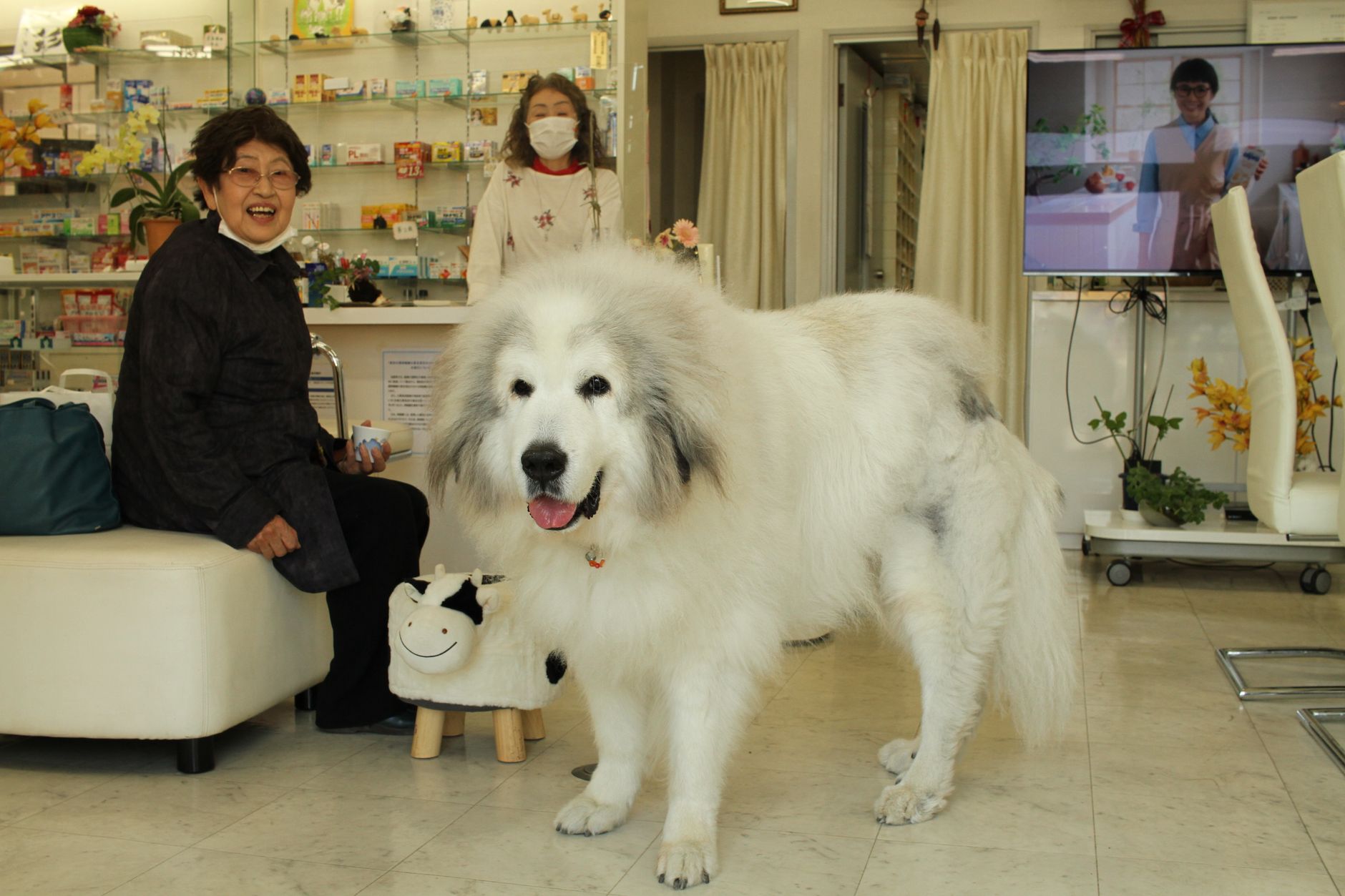
Photo by MATSUDA Akihiro
Hip and Elbow Dysplasia in Large Breeds
Hip and elbow dysplasia wreck joints in big dogs. Labs, German Shepherds, and Great Danes top the risk list. These breeds grow fast. That strains developing bones and leads to malformed joints.
Watch for limping after play or stiffness on rising. Your dog might bunny-hop or avoid stairs. Vets spot it early with exams.
Diagnosis starts with X-rays or CT scans. Expect $200 to $800 for those tests. Pain meds and supplements ease symptoms. They run $30 to $150 each month.
Surgery fixes severe cases. It costs $2,000 to $7,000 per joint. Check PetMD’s guide on elbow dysplasia for details on signs and options.
| Issue | Cost Range |
|---|---|
| Diagnosis (X-rays/CT) | $200-$800 |
| Pain Meds/Supplements | $30-$150/month |
| Surgery (per joint) | $2,000-$7,000 |
Without insurance, one surgery wipes out a year’s premiums. It protects your big dog’s mobility.
Bloat: The Deadly Emergency for Deep-Chest Giants
Bloat, or GDV, strikes deep-chested dogs like Great Danes and Mastiffs. The stomach swells with gas and twists. It cuts blood flow. Dogs can die in hours without care.
Signs include a swollen belly, failed attempts to vomit, and pacing. Your dog drools, pants, or collapses. Act fast. Call an ER.
Initial ER visit costs $500 to $1,500. Surgery and hospital stay add $3,000 to $7,000 or more. Prevent it with gastropexy. That tack-down surgery runs $400 to $1,000. Do it during spay or neuter.
See Vety’s breakdown on stomach flip costs for real numbers. Insurance covers most of this emergency. It saves lives and your wallet.
Cruciate Tears and Cancer Risks
Cruciate ligament tears mimic ACL issues in humans. Big dogs tear them from jumps or turns. The other knee often follows.
Surgery repairs the knee. It costs $3,000 to $6,000 per leg. Recovery takes months of rehab. Learn more in PetMD’s ACL surgery overview.
Cancer adds worse risks. Giants face osteosarcoma, a bone cancer. It hits legs first. Lameness and swelling signal it.
Workup, surgery, and chemo total $5,000 to $15,000 or higher. Amputation eases pain but shocks owners. Pawlicy Advisor details osteosarcoma facts.
These costs stack up. Insurance for big dogs offsets them. You pay less out-of-pocket for treatments that extend life.
Vet Bills Without Insurance: What Big Dog Emergencies Really Cost
Big dogs pull you into expensive emergencies fast. Without insurance, you cover every exam, scan, drug, and surgery. These bills often top $5,000 and climb to $20,000. Owners skip care or drain savings. Let’s break down real costs for top issues in breeds like Great Danes and Mastiffs.
Full Gastric Dilatation-Volvulus Breakdown
GDV demands instant action. You rush to an emergency vet at night. They stabilize your dog first.
Initial exam and fluids run $500 to $1,500. Blood work and X-rays add $300 to $800. Ultrasound confirms the twist at $400 to $1,000.
Surgery follows. Vets derotate the stomach and remove dead tissue. That step costs $2,500 to $5,000. Hospital care for two to three days pushes totals to $4,000 to $8,000. Complications like infection double it.
Preventive gastropexy during routine surgery saves hassle later. It runs $400 to $2,000 alone. Rover details typical emergency vet fees across cases.
| GDV Stage | Cost Without Insurance |
|---|---|
| Exam/Fluids | $500-$1,500 |
| Diagnostics | $700-$1,800 |
| Surgery/Hospital | $2,500-$5,000+ |
| Total Average | $4,000-$8,000 |
One GDV hits force tough choices. Is insurance worth it for big dogs prone to this?
Orthopedic Surgeries: Hip, Elbow, and Cruciate Totals
Joint problems stack costs in large breeds. Hip dysplasia surgery like total hip replacement averages $3,500 to $7,000 per hip. Elbow fixes run similar.
Cruciate tears need TPLO or similar repairs. Each knee surgery hits $3,000 to $6,000. Big dogs often tear both sides within a year.
Pre-op tests add $500 to $1,500. Post-op rehab and meds total $1,000 to $2,000 over months. Full treatment for one major fix exceeds $5,000. Dual issues top $12,000.
CareCredit outlines hip dysplasia procedure costs with financing tips. MarketWatch covers cruciate surgery ranges.
These numbers show why coverage matters. You pay upfront or delay care.
| Procedure | Base Surgery | With Diagnostics/Rehab | Full Cost |
|---|---|---|---|
| Hip Replacement | $3,500-$7,000 | $1,500-$3,500 | $5,000-$10,500 |
| Cruciate Repair (per knee) | $3,000-$6,000 | $1,500-$3,000 | $4,500-$9,000 |
Osteosarcoma and Cancer Care Expenses
Bone cancer strikes fast in giants. Diagnosis starts with X-rays at $200 to $500. Biopsy confirms it for $500 to $1,500.
Amputation eases pain. It costs $1,500 to $4,000. Chemo follows at $3,000 to $8,000 for five to six rounds. Radiation adds $2,000 to $6,000.
Full protocol reaches $8,000 to $15,000. Palliative care extends that. MetLife lists cancer among top costly dog issues.
Without coverage, many owners choose quality time over aggressive treatment. Bills force that call.
| Cancer Step | Cost Range |
|---|---|
| Diagnosis/Biopsy | $700-$2,000 |
| Amputation | $1,500-$4,000 |
| Chemo/Radiation | $5,000-$14,000 |
| Total | $8,000-$20,000 |
Emergencies like these prove the point. Insurance spreads the load on high-stakes fixes.
How Much Pet Insurance Costs for Big Dogs
Big dogs like Great Danes and Mastiffs cost more to insure than small breeds. Providers charge higher premiums because these dogs face joint issues, bloat, and heart problems. Expect $80 to $150 per month for accident and illness coverage on most large breeds. Giants push that to $200 or more. These rates beat one emergency bill, so insurance often proves worth it for big dogs.
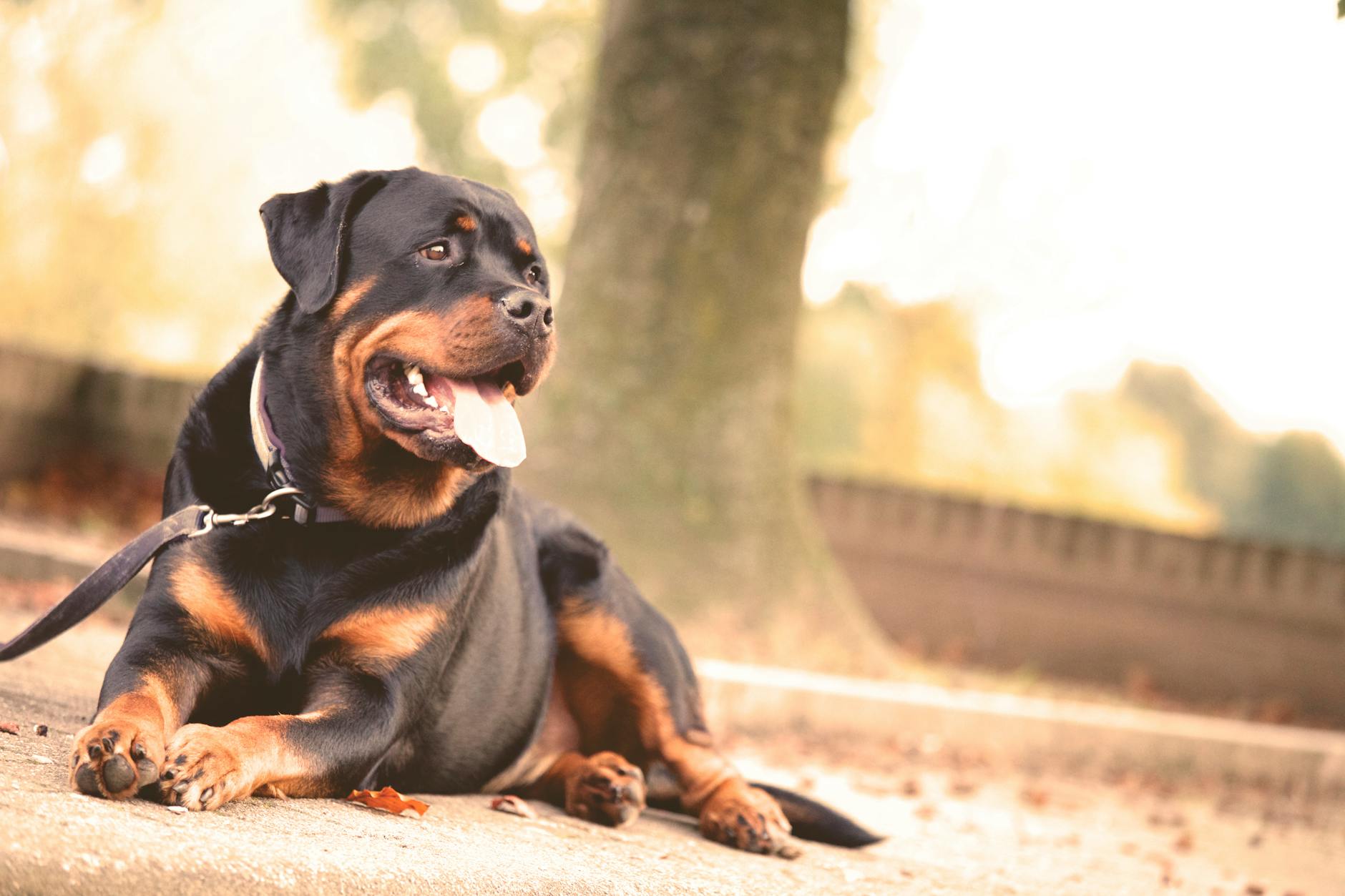
Photo by Matthias Zomer
Average Premiums for Common Big Breeds
Premiums vary by breed risk. Great Danes and Mastiffs top the list due to size and conditions like GDV. Labs and German Shepherds fall in the middle with dysplasia risks.
Here are typical monthly ranges for accident and illness plans on young adult dogs in average U.S. areas:
| Breed | Monthly Range | Main Risk Factors |
|---|---|---|
| Great Dane | $110–$180+ | Bloat, heart issues, joints |
| Mastiff | $120–$200+ | Heavy build, bloat, heart |
| German Shepherd | $80–$130 | Dysplasia, spine problems |
| Labrador Retriever | $80–$130 | Dysplasia, cruciate tears |
Data from MoneyGeek’s Great Dane guide shows averages near $206 for some plans. Labs stay lower at $80 to $130 across providers.
Factors That Raise or Lower Your Costs
Your quote depends on choices and details. Pick a high deductible to cut monthly payments. Unlimited coverage costs more but handles big claims.
Key drivers include:
- Breed and size: Giants like Mastiffs pay 50% more than Labs.
- Age: Puppies cost less; rates rise yearly.
- Location: City vets charge more, so premiums follow.
- Deductible: $1,000 saves over $500 ones.
- Reimbursement rate: 70% beats 90% on price.
- Annual limit: $5,000 limits keep costs down.
ValuePenguin’s cost overview notes U.S. dog averages at $56, but big breeds double that. Adjust for your ZIP code and plan.
Sample Quotes from Top Providers
Shop three to five companies for the best deal. Enter your dog’s breed, age, and ZIP for exact numbers.
For a 2-year-old Great Dane with 80% reimbursement, $500 deductible, and unlimited limit:
- Lemonade: $75 to $120
- Pets Best: $100 to $140
- Pumpkin: $60 to $110
Mastiffs run $130 to $170 on similar plans. German Shepherds and Labs hit $80 to $120. NerdWallet breaks down provider averages. One $5,000 claim pays back a year’s premiums. That’s why many owners find insurance worth it for big dogs.
Pros and Cons of Pet Insurance for Large Breeds
Large breeds face high vet costs from issues like hip dysplasia, bloat, and cruciate tears. Insurance can offset those bills, but it comes with trade-offs. Owners often wonder is insurance worth it for big dogs when premiums add up monthly. Weigh these pros and cons based on real claim data and policy details to decide.
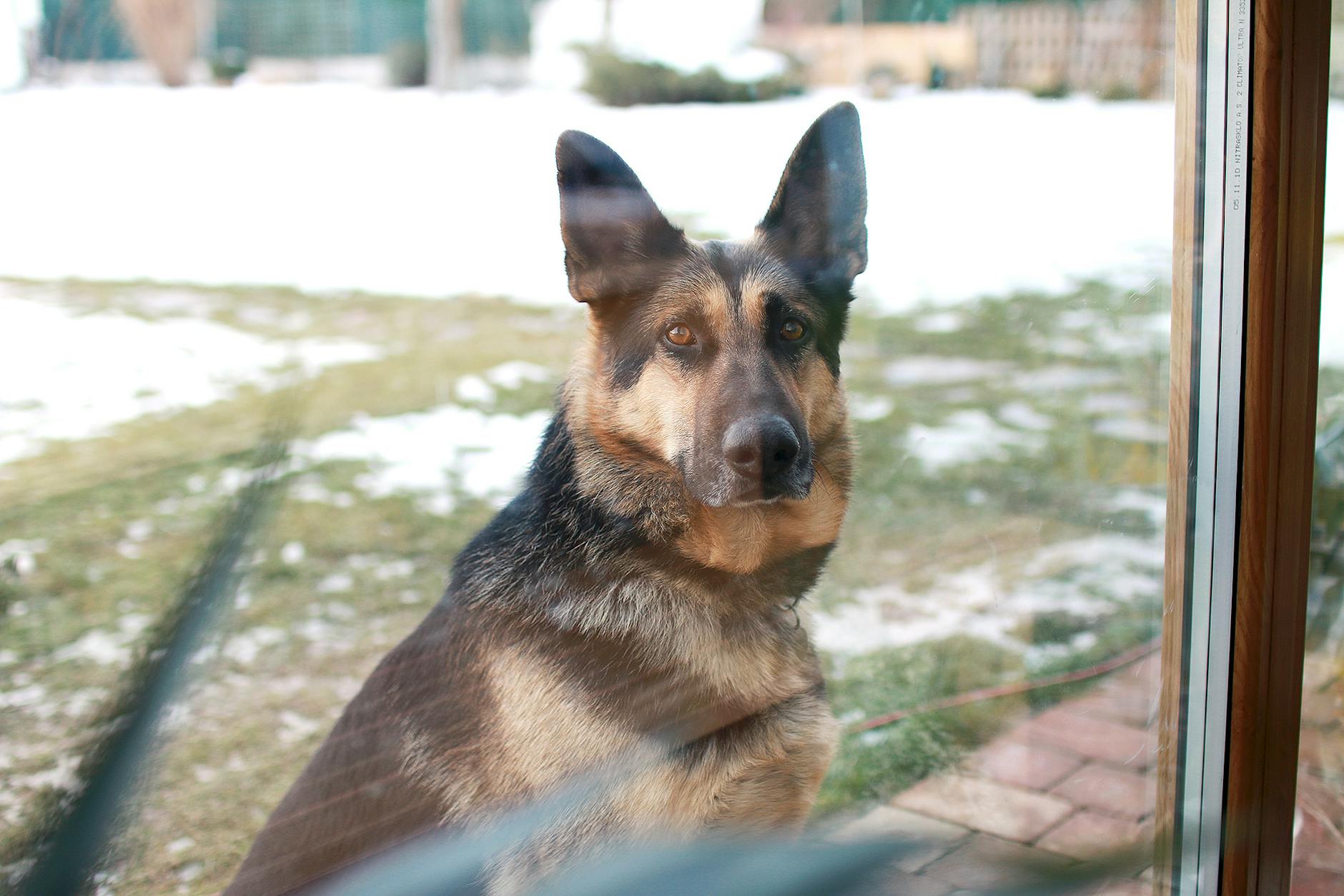
Photo by JÉSHOOTS
Key Pros: Protection from Huge Bills
Insurance reimburses most costs after your deductible. Policies often cover 70% to 90% of eligible bills. Large breeds generate bigger claims due to their size and health risks.
Take hip dysplasia surgery. Total hip replacement costs $4,000 to $8,000 per hip. With an 80% reimbursement rate and $500 deductible on a $6,000 bill, you get back about $4,400. Providers see these claims often in Great Danes and Labs.
Cruciate tears run $3,000 to $6,000 per knee. A $4,500 surgery yields roughly $3,200 back under the same terms. Mastiffs and Rottweilers file many of these.
Bloat emergencies hit $3,000 to $7,000. Expect $3,600 reimbursed on a $5,000 bill. Deep-chested giants like Great Danes top claim lists for this.
Stats show large breeds drive high payouts. Forbes Advisor notes breeds like Bernese Mountain Dogs and Golden Retrievers lead in expensive claims, often over $10,000 total. One policy handles multiple events, unlike paying full price each time.
Here is how reimbursements stack up for common large breed issues:
| Condition | Typical Vet Bill | Example Payout (80%, $500 Deductible) |
|---|---|---|
| Hip Dysplasia Surgery | $4,000–$8,000 | $2,800–$6,200 |
| Cruciate Tear (per knee) | $3,000–$6,000 | $2,000–$4,500 |
| Bloat Surgery | $3,000–$7,000 | $2,000–$5,200 |
These payouts protect against totals that exceed $10,000 lifetime. You keep your dog treated without draining savings.
Main Cons: Upfront Costs and Limits
Premiums start your main expense. Large breeds pay $80 to $200 monthly, higher than small dogs. A Great Dane might hit $150, while a Lab stays near $100. That adds $1,200 to $2,400 yearly before any claims.
Waiting periods delay coverage. Most plans impose 14 days for accidents but two to six months for illnesses like dysplasia. Orthopedic issues often wait 12 months. Your dog needs care during that gap.
Exclusions limit help. Pre-existing conditions stay uncovered forever. Breed-specific issues like bloat may face scrutiny if hereditary. Annual or lifetime caps cap payouts at $5,000 to unlimited, but low limits block full coverage on cancer or double surgeries.
Providers also raise rates yearly and drop coverage after claims. You face non-renewal risks on high-cost dogs.
Consider these drawbacks before signing up:
- Higher premiums: 50% more for giants due to claim history.
- Waiting periods: Up to 12 months for joints, leaving early issues exposed.
- Exclusions: No help for known problems or routine care like exams.
These factors make insurance less ideal if your budget stays tight or your dog already shows signs. Compare quotes to match your needs.
Factors to Weigh Before Buying Insurance for Your Big Dog
Big dogs carry high vet risks, but insurance fits only if it matches your setup. Consider your dog’s health history, your finances, and policy fine print. These steps help you decide is insurance worth it for big dogs without regrets. Providers base rates on breed, age, and location, so quotes vary.
Your Dog’s Age and Health History
Age drives premiums up. Puppies under two years pay the least, often $80 to $120 monthly for Labs or Shepherds. Seniors over eight face 50% higher rates due to joint wear and cancer odds.
Health records matter most. Vets review them for issues like limping or bloat signs. Clean history lowers costs; past claims raise them. Start coverage early to lock in lower rates before problems show.
Pre-existing Conditions and Exclusions
Most plans skip pre-existing issues. That means hip limps or allergies noted before signup stay uncovered forever. Curable conditions might qualify later if they resolve for six months.
Big dogs often show dysplasia young, so check records closely. Forbes Advisor explains pet insurance and pre-existing conditions with coverage options. Ask providers how they define these to avoid gaps.
| Factor | Impact on Coverage |
|---|---|
| Known symptoms | Excluded permanently |
| Treated and resolved | May cover after 6 months |
| Undiagnosed issues | Often covered if new |
Waiting Periods and Coverage Start
Plans impose waits to prevent instant claims. Accidents cover after 1 to 14 days. Illnesses take 14 days; orthopedic surgeries like cruciate repairs wait 6 to 12 months.
Big breeds need ortho coverage soon, so time your signup. Trupanion lists key questions before buying pet insurance, including wait details. Pick plans that match your dog’s current risks.
Budget Fit, Deductibles, and Reimbursement Levels
Match premiums to your wallet. Great Danes hit $110 to $180 monthly; choose $500 to $1,000 deductibles to cut that 20% to 30%. Higher reimbursement like 90% costs more upfront.
Annual limits range from $5,000 to unlimited. Low caps fail big bills over $10,000. Test scenarios: a $6,000 surgery pays back $4,000 to $5,000 at 80% after deductible.
| Deductible | Monthly Savings Example (Great Dane) |
|---|---|
| $250 | Baseline $150 |
| $500 | Drops to $120 |
| $1,000 | Falls to $100 |
Breed Risks and Custom Options
Breed sets base rates. Mastiffs pay more than Labs for bloat and heart claims. Bankrate covers how dog breed impacts pet insurance costs.
Add-ons like exam fees or rehab help big dogs. Compare three quotes for wellness riders if you spend on preventives. Skip if budget stays tight. These choices ensure coverage works for your life.
Conclusion
Pet insurance proves worth it for most big dog owners. Large breeds like Great Danes, Mastiffs, and Labs face steep vet bills from hip dysplasia ($4,000 to $7,000 per hip), bloat surgery ($3,000 to $7,000), and cancer care ($8,000 to $20,000). One emergency wipes out savings without coverage. Premiums run $80 to $150 monthly for solid accident and illness plans, far less than a single claim.
Providers like Embrace, ASPCA, and Trupanion suit large breeds well. Embrace covers hereditary issues if caught early. ASPCA offers middle-ground pricing around $31 average base, higher for giants. Trupanion skips payout caps for unlimited protection on high-cost fixes. Get quotes from all three to match your dog’s age, breed, and location.
Build an emergency fund alongside insurance. Save $5,000 to $10,000 for deductibles or gaps. This combo shields you from tough choices on treatments.
Check your big dog’s breed risks today. Run quotes on Embrace, ASPCA, and Trupanion now. Coverage starts young to beat waiting periods on joints and cruciates. You gain peace of mind and funds for happy, healthy years with your giant companion.