
Puppy Insurance (Save Thousands on Vet Bills)
Picture this: your fluffy new puppy grabs a squeaky toy, swallows it whole, and now faces emergency surgery. That fix can cost $3,000 or more, based on recent vet data. Most owners don’t have that cash sitting around.
Puppy insurance changes everything. It covers up to 90% of vet bills for accidents like this, illnesses, and even routine care in some plans. You pay a monthly premium, meet a deductible, and get reimbursed fast.
New puppy parents need it now more than ever. Vet fees keep climbing with inflation and higher demand. In 2026, expect those emergency tabs to stay steep, often $3,000 to $5,000 for blockages alone.
The perks go beyond money. You gain peace of mind knowing Fluffy’s health won’t bankrupt you. Over time, it saves thousands on unexpected treatments.
In this post, we’ll break down puppy insurance and dog insurance basics, what coverage options fit best, top benefits for your budget, average costs, and simple steps to pick the right plan. Stick around to protect your pup without the worry.
What Is Puppy Insurance and How Does It Work?
Puppy insurance acts as a safety net for your new furry friend. It reimburses 80-90% of eligible vet bills after you meet the deductible. You pay a monthly premium, say $20 to $50 for a puppy, depending on breed and location. Key terms include the deductible (your out-of-pocket start, like $250), reimbursement rate (the payback percentage), and sometimes a co-pay (your share after deductible).
Here’s how it works. Take your pup to any licensed vet in the US. Pay upfront, then submit a claim online or by app. Get money back in days. Covers broken bones from rough play or ear infections from teething. Enroll your 8-week-old puppy early. That skips pre-existing condition exclusions later.
Most plans fall into accident-only, accident-and-illness, or add wellness for routine stuff. Let’s compare the basics.
Accident-Only vs. Accident-and-Illness Plans
Accident-only plans cost less, around $15 monthly for puppies. They handle injuries like swallowed toys, car hits, cuts, or poisonings. Think your pup chases a bee and breaks a leg: surgery runs $2,500, you pay deductible then 90% back. Pros: Cheap entry, great for healthy pups at low risk. Cons: No coverage for illnesses like cancer, diabetes, or arthritis that hit young dogs.
Accident-and-illness plans add those diseases. Your energetic Lab gets parvovirus? Bills top $3,000; insurance covers most. Or allergies lead to chronic ear issues. Pros: Full protection, better long-term value. Cons: Higher premium, $30-60 monthly. Puppies face both risks, so pick this for peace. Bankrate compares options well. Go comprehensive unless budget squeezes tight.
Adding Wellness Coverage for Routine Puppy Care
Wellness add-ons cover vaccines, yearly checkups, flea meds, heartworm tests, and spay/neuter. First-year puppies need multiple shots and deworming; costs add $500 easy.
Benefits shine early. Skip out-of-pocket for boosters that prevent parvo or rabies fines. Adds $10-20 monthly but pays itself fast. Your pup stays current, healthy. ASPCA details preventive perks. Total savings beat paying cash each visit.
Key Benefits of Puppy Insurance for New Owners
Puppy insurance delivers real value right when you need it most. It shields your wallet from sky-high vet bills that hit new owners hard, especially with costs rising in 2025. Think $3,000 to $5,000 for common puppy mishaps like swallowed toys or infections. You pick any vet, no networks required. That means quick care without skimping. Plus, it lets you focus on fun puppy moments instead of money worries. Here are the standout perks.
Financial Protection and Peace of Mind
Imagine your pup needs surgery for a blockage. Bills hit $4,000. With puppy insurance at a $250 deductible and 90% reimbursement, you pay upfront then get $3,375 back fast. Your net cost? Just $875 plus a year’s premiums around $360. That’s thousands saved on one event.
Plans cover 80-90% of accidents and illnesses, slashing stress. No more choosing between your budget and your pup’s health. Owners sleep better knowing big tabs won’t drain savings. Hartville breaks down insurance vs. savings to show the edge. You enjoy tail wags without the what-ifs.
Why Enroll Your Puppy Early
Sign up at 8 weeks old to dodge pre-existing condition traps. Issues like hip dysplasia in Labs count as pre-existing only after symptoms show. Enroll before, and coverage kicks in for hereditary woes that cost $5,000+ over time.
Lifetime savings stack up. One chronic ear infection treated yearly? $1,500 saved per year after reimbursements. Skip waiting, lock in lower rates too. Puppies qualify easiest with clean records. Pawlicy explains pre-existing rules clearly. Early puppy insurance protects for years, not just now. Your growing buddy stays covered through every stage.
What Does Puppy Insurance Cover Exactly?
Puppy insurance steps in for the big stuff that routine care skips. Most plans handle accidents and illnesses, plus diagnostics and some extras like alternative therapies. Coverage varies by provider, so check policy fine print. Expect 80-90% reimbursement after your deductible on approved claims. Puppies chew socks or chase cars, so these protections matter fast. ASPCA outlines common coverages. Let’s break it down.
Accidents, Injuries, and Emergency Care
Your playful pup darts into traffic or gulps a toy? Puppy insurance covers emergencies like broken bones from falls, bite wounds from scuffles, or swallowed objects needing surgery. Think a $4,000 blockage fix: X-rays, surgery, and hospital stay get reimbursed.
Plans often include:
- Trauma treatment: Cuts, fractures, or poisoning antidotes.
- Urgent surgery: Foreign body removal or wound repairs.
- Overnight care: IV fluids and monitoring in clinics.
Not all plans cover every ER visit, but accident-and-illness policies do. One puppy owner saved $3,200 on a bone shard surgery this way.
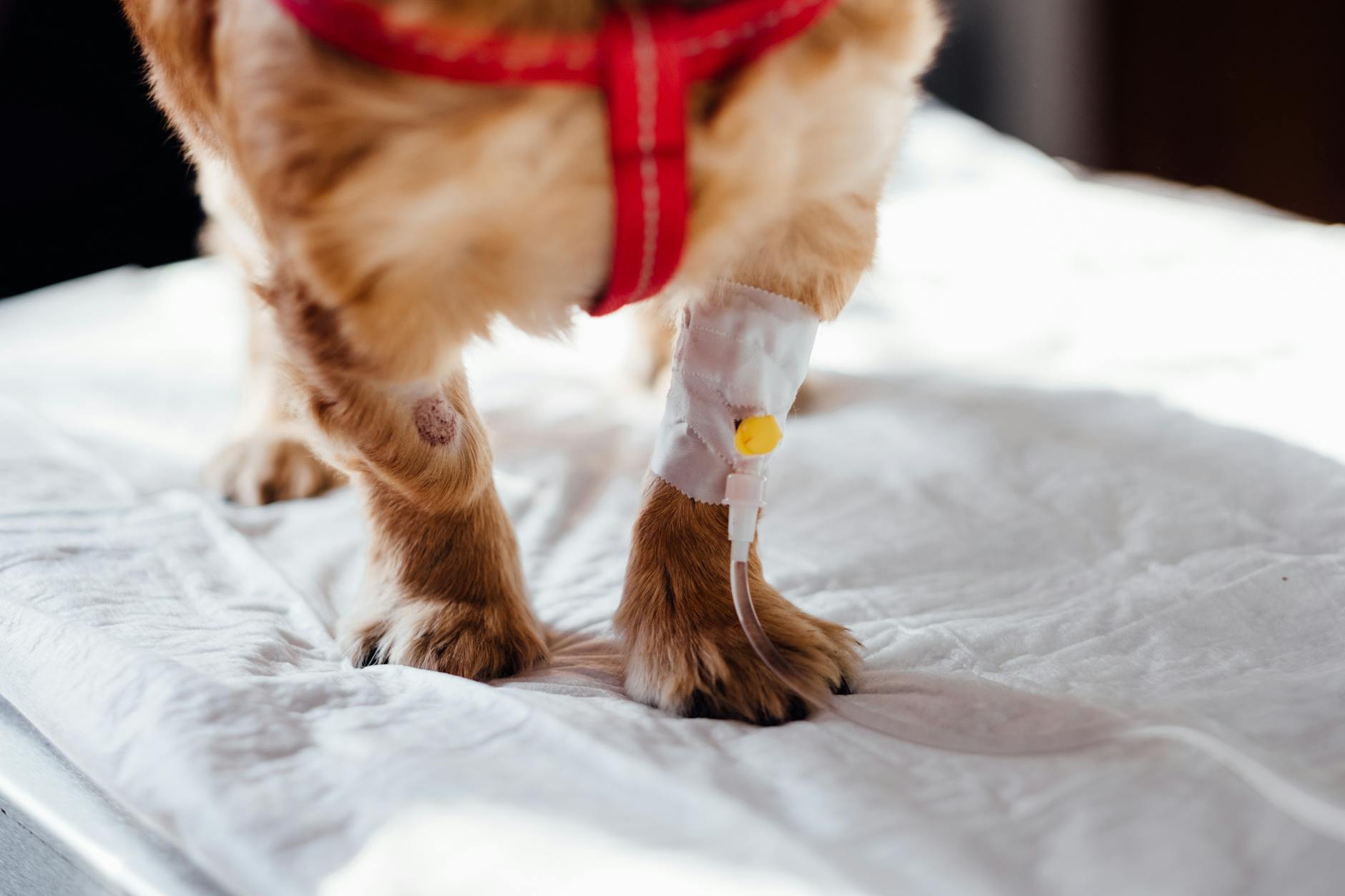
Photo by freestocks.org
Illnesses, Diagnostics, and Chronic Conditions
Puppies battle infections or breed-specific woes too. Insurance pays for illnesses like parvovirus, cancer, or chronic issues such as diabetes and arthritis. Diagnostics count: blood tests, ultrasounds, even MRIs for hidden problems.
Key inclusions:
- Common puppy diseases: Ear infections, kennel cough, or allergies.
- Hereditary conditions: Hip dysplasia in Labs, covered if you enroll early before symptoms.
- Ongoing care: Meds for behavioral issues like separation anxiety, or acupuncture for joint pain.
Expect variations; some plans cap chronic treatments yearly. Nationwide details puppy specifics. Your energetic furball gets top care without the full bill.
Puppy Insurance Costs, Exclusions, and How to Save Money
Puppy insurance premiums run $20 to $50 a month on average, much lower than for adult dogs. No firm 2025 numbers exist yet, but puppies qualify for the best rates. Your choices shape the final price. Watch exclusions too; they block claims on common issues. Smart tweaks like higher deductibles or bundling cut costs. Compare quotes from multiple providers to lock in savings.
Factors That Affect Your Premium
Your puppy’s age sets the base rate. Enroll at 8 weeks for the lowest premiums; costs rise as they age due to higher claim risks.
Breed plays a big role. High-risk ones like Bulldogs or Labs face 20-50% higher quotes from hip issues or allergies. Pets Best explains breed impacts.
Zip code matters. Urban areas with pricey vets push rates up 30%. Rural spots stay cheaper.
Coverage levels seal it. Pick a $500 deductible over $250 to drop premiums 20%. Opt for 80% reimbursement instead of 90%. Skip extras unless needed. Tweak these for your budget.
Common Exclusions to Watch For
Pre-existing conditions top the list. Anything seen before enrollment, like limp or itch, gets denied forever. Enroll early to cover future flare-ups.
Breeding stays out. Pregnancy, whelping, or stud fees never qualify.
Routine care skips base plans. Vaccines, nails, and checkups need a wellness add-on, or you pay cash.
Mitigate by reading policies upfront. ASPCA covers pre-existing rules. Add wellness for puppies’ shots. Bundle family pets for discounts. Shop sites like Pawlicy Advisor for quotes that fit.
How to Choose the Best Puppy Insurance Plan
Picking the right puppy insurance plan feels overwhelming with so many options. You want coverage that matches your pup’s needs and your budget. Start young, around 8 weeks, to lock in low rates and avoid pre-existing condition issues. Follow these steps to find the best fit fast.
Assess Your Puppy’s Breed Risks First
Know your puppy’s breed quirks. Labs often face hip dysplasia; Bulldogs deal with breathing problems. These boost premiums but need coverage. Check breed stats on sites like Pawlicy Advisor. List potential issues: allergies, joints, or heart conditions. Match plans to those risks. This step saves money long-term.
Compare at Least Three Providers Online
Shop smart. Use comparison tools to review Embrace, Lemonade, and Pets Best. Look at reimbursement rates (aim for 80-90%), deductibles ($250-500), and annual limits (unlimited beats $5,000 caps). Get free quotes tailored to your zip code, breed, and age. Sites show side-by-side costs. Spend 15 minutes; it uncovers deals.
Check Waiting Periods, Reviews, and Key Features
Plans have wait times: 14 days for accidents, 14-30 for illnesses. Skip ones over 30 days. Hunt exam fee coverage (saves $50-100 per visit) and high reimbursement. Read real owner reviews on Trustpilot or Reddit for claim speed. Seek 30-day money-back trials.
Ready to protect your pup? Get free quotes today from top providers. Your wallet and wagging tail will thank you.
Conclusion
Your new puppy deserves the best shot at a healthy, happy life. Puppy insurance covers accidents like swallowed toys, illnesses from parvo to allergies, and even routine care with add-ons. It reimburses 80-90% after a small deductible, turning $3,000 to $5,000 vet bills into manageable costs. Enroll early at 8 weeks to skip pre-existing issues and lock in low rates around $20 to $50 monthly.
Picture that fluffy pup from the start, now chasing balls without worry. One owner shared how their Lab puppy ate a sock, faced $4,000 surgery, and got most back fast. They saved thousands over time on checkups and meds. No more tough choices between bills and care. Peace of mind lets you enjoy every wag and play.
Don’t wait for the first emergency. Research plans today from Embrace, Lemonade, or Pets Best. Get quotes online in minutes to fit your breed and budget. Your puppy’s future health starts now. What story will you protect? Share in the comments below. Thanks for reading.