
Pet Insurance Claims Process: Step-by-Step Guide
Back to Pet Insurance By State
Pet emergencies hit hard and fast. They can cost thousands in vet bills. Pet insurance covers much of that if you follow the pet insurance claims process.
This process matters because it speeds up reimbursements. You pay the vet upfront, then get money back. Preparation cuts stress and saves cash.
Here are the six main steps: pay vet upfront, contact insurer, fill out the form, gather documents, submit claim, and wait for payout. Most insurers process claims in 7 to 14 days.
This guide breaks it all down. You’ll get tips from Trupanion, Healthy Paws, and Lemonade too. Follow along to file claims right.
Prepare Your Policy Before You Need It
A smooth pet insurance claims process starts long before your pet gets sick. You pay vets upfront, so know your policy inside out. This prep work cuts delays and denials. Review details now to avoid surprises later.
Review Coverage Details Thoroughly
Check what your plan covers. Most policies handle accidents and illnesses. Some add wellness visits or meds.
Look for limits on breeds or ages. Pre-existing conditions often stay uncovered. Read the fine print on waiting periods too. They block claims right after signup.
Key areas to scan:
- Accident coverage: Broken bones or cuts.
- Illness coverage: Infections or cancer.
- Optional riders: Dental or alternative therapy.
Trupanion keeps it simple with direct vet payments in some cases. See their guide for policy basics.
Understand Deductibles and Reimbursement Rates
Deductibles come first. Pay this amount out of pocket per year or condition. Annual ones reset each policy year. Per-condition types apply once per issue.
Reimbursement sets your payback percent. Plans offer 70%, 80%, or 90%. Higher rates cost more in premiums.
Quick comparison example:
| Feature | Annual Deductible | Per-Condition Deductible |
|---|---|---|
| Reset Timing | Yearly | Once per illness/injury |
| Best For | Frequent visits | One-time big bills |
| Common Amount | $100-$1,000 | $0-$500 |
Pick what fits your budget. MoneyGeek breaks it down with real numbers.
Locate and Organize Key Documents
Hunt down your policy papers now. Print or save digital copies.
Must-haves include:
- Policy ID number.
- Certificate of insurance.
- Provider’s contact list.
Store them in a folder or phone app. Add vet records from day one. Photos of your pet’s microchip help too.
Set Up Your Insurer’s Online Portal
Most companies like Healthy Paws or Lemonade use apps and sites. Create an account today.
Upload pet info and past bills. Test submissions with a small claim if possible. This familiarizes you with the pet insurance claims process.
Portals track status in real time. No more phone waits.
Note Deadlines and Provider Contacts
Claims have time limits. File within 30 to 90 days of the vet visit. Mark it on your calendar.
Save these numbers:
- Claims hotline.
- Email for submissions.
- App download link.
Test the line once. Confirm your policy details match their records. Small fixes now prevent big headaches later.
The Step-by-Step Pet Insurance Claims Process
You handle the pet insurance claims process one step at a time. Start with the vet visit and end with cash back. Each move builds on the last. Follow this order to avoid denials.
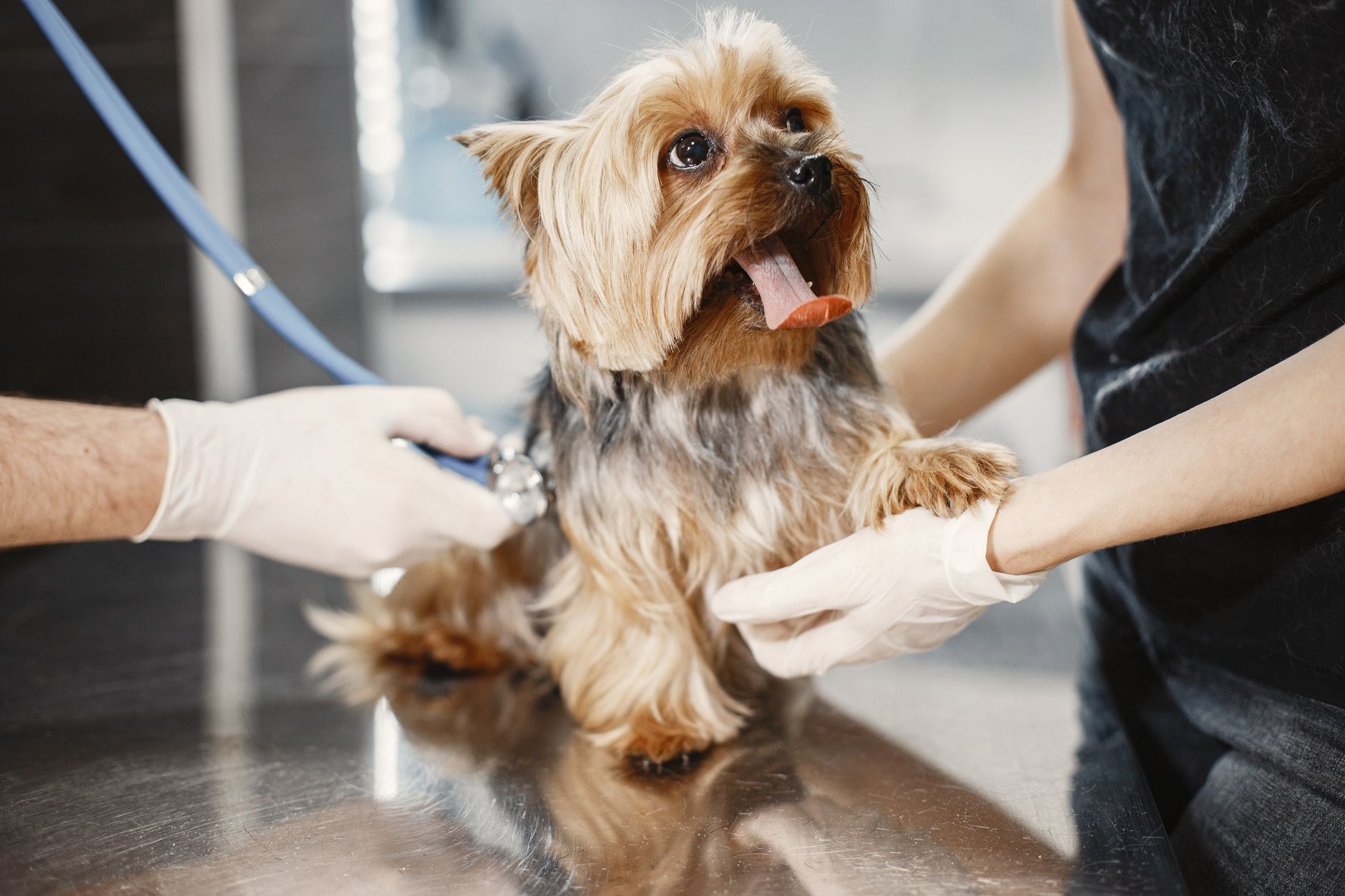
Photo by Gustavo Fring
Step 1: Pay the Vet Bill Upfront
Pay the full vet bill at the time of service. Most plans require this. You get reimbursed later.
Ask for an itemized receipt. It lists services, diagnosis, medications, and dates. It also shows a zero balance. Vets must provide this by law in most states. A summary bill won’t work. Insurers need details to approve coverage.
Trupanion offers an exception. Partnered vets accept direct pay. Tell them you have Trupanion coverage. They bill the insurer on site. Check Trupanion’s claim page for partners.
Keep the receipt safe. You’ll need it next.
Step 2: Contact Your Insurer Right Away
Call or notify your insurer the same day as the vet visit. Quick reports help claims go smooth.
Use the app, online portal, phone, email, mail, or fax. Share incident basics: what happened, when, pet details, and vet info.
ASPCA lets you start claims fast in their app. Snap photos and submit details right away. Healthy Paws offers online filing too. See ASPCA’s claims info for steps.
Act fast. Some policies have short reporting windows.
Step 3: Complete the Claim Form
Grab the claim form from your insurer’s site or app. Fill it out fully.
Enter pet name, breed, age, policy number, and incident details. Describe symptoms, treatment, and costs.
Lemonade requires a short video. Explain the issue in your words. It speeds reviews.
Incomplete forms top the mistake list. Double-check every field. Missing info delays or denies claims. Lemonade’s guide shows examples.
Sign and date it. Now add documents.
Step 4: Gather Required Documents
Collect these essentials before submission:
- Itemized vet bill: Shows all charges and zero balance.
- Medical records: Include diagnosis, treatments, and test results.
- Proof of payment: Receipt or bank statement.
- Bank details: For direct deposit reimbursement.
First claims often need prior vet records too. They prove no pre-existing issues.
Ask your vet for everything upfront. Scan or photo clear copies. Organize them by date.
Nationwide lists these on their submit claim page.
Step 5: Submit Your Claim
Send the form and docs together. Pick the fastest method.
Apps shine here. ASPCA and Healthy Paws take photo uploads. Lemonade uses online forms with video.
Nationwide has a member portal for uploads. Mail works but slows things. Digital cuts days off processing.
Choose online or app. Track it instantly. Healthy Paws examples show quick payouts at their claim site.
Confirm receipt with a reference number.
Step 6: Track and Receive Reimbursement
Log into your portal to check status. Most update daily.
Expect 7 to 14 days for processing. Direct deposit hits your account fast.
First claims or medical reviews take longer, up to 30 days. Follow up if over two weeks.
MoneyGeek outlines timelines. Save emails and notes. Your money comes back minus deductible and co-pay.
Documents Needed for Pet Insurance Claims
Complete paperwork powers your pet insurance claims process. Insurers reject claims over missing or unclear documents. Gather these items right after the vet visit to speed up approval and reimbursement.

Photo by Nataliya Vaitkevich
Itemized Veterinary Bill
The itemized vet bill forms the core of every claim. It lists each charge with details like exam fees, lab tests, medications, and procedures.
Vets must provide this detailed invoice. It shows dates, diagnosis codes, and a zero balance. A simple summary receipt fails. Insurers use it to match treatments to your coverage.
Fetch Pet Insurance stresses a finalized invoice. It confirms payment and breaks down costs. Ask your vet to email it as a PDF. Scan paper copies clearly. Bankrate explains why details matter.
Keep multiples if treatment spans visits.
Medical Records and Vet Notes
Medical records prove the treatment and diagnosis. They include exam notes, lab results, X-rays, and prescriptions.
Submit records from the current visit. First claims need history too. This shows no pre-existing conditions.
Your vet keeps digital files. Request them same day. Black out unrelated pet info if needed.
Embrace Pet Insurance requires detailed records. They review for coverage fit. Organize by date for easy upload. Full notes cut review time.
Proof of Payment
Proof of payment confirms you covered the bill upfront. Attach credit card statements, bank transfers, or canceled checks.
It matches the invoice total. Some insurers skip this for small claims. Others demand it always.
Take a photo of the receipt stamp. Digital payments show transaction IDs.
MetLife Pet Insurance lists it as standard. Pair it with the bill for quick checks.
Policy and Pet Details
Attach your policy number and pet profile. Include ID card copies or enrollment confirmation.
Add pet photos, microchip numbers, and breed info. This verifies identity.
Log into your portal for these. Print if mailing.
Nationwide pulls policy data automatically. Still send basics to avoid holds.
Extra Documents for Complex Claims
Certain cases need more. Accidents require incident reports or photos of injuries.
Surgeries attach operative notes. Chronic issues include progress reports.
Alternative therapies like acupuncture need provider licenses.
Check insurer rules. Fetch details submission needs. Always over-prepare. Vets charge for copies, so ask once.
Organize files in folders by claim date. Digital scans beat crumpled papers. This setup ensures your pet insurance claims process runs fast.
Timelines, Reimbursements, and What Delays Claims
You submit your claim in the pet insurance claims process. Now you wait for approval and payment. Timelines vary by insurer. Most pay out in 7 to 14 days. Know these details to set expectations and spot issues early.

Photo by Vlad Deep
Typical Processing Timelines
Insurers process simple claims fast. Expect 5 to 10 business days from Healthy Paws or Lemonade. Complex cases take 15 to 30 days.
First claims often need extra review. They check for pre-existing conditions. Track progress in your online portal. Updates appear daily.
Some companies stand out. Trupanion aims for 10 days. Nationwide reports 10 to 14 days average. Fetch Pet Insurance details their timelines.
Deadlines matter too. File within 30 to 90 days of the vet visit. Late submissions get denied.
How Reimbursements Work
Reimbursement pays back a set percent of costs. Plans cover 70% to 90% after your deductible.
You pick the rate at signup. Higher means bigger premiums. Hit your deductible first. Then get the percent on the rest.
Payment methods include:
- Direct deposit: Fastest, 1 to 3 days after approval.
- Check: Mailed in 5 to 10 days.
- Credit card: Rare, but some offer it.
See an example. Vet bill totals $1,000. Deductible sits at $250. 80% reimbursement covers $600. You pay $400 net.
Pet Insurance Quotes explains reimbursement levels. Bankrate covers payment options.
Common Reasons Claims Get Delayed
Delays frustrate pet owners. Fix these issues to speed things up.
Top causes:
- Missing documents: No itemized bill or records halts review.
- Incomplete forms: Blank fields trigger returns.
- Medical reviews: Orthopedic claims need vet specialist checks.
- High volume: Busy seasons slow teams.
- Errors: Wrong policy number or pet details.
Pre-existing flags add weeks. Submit clear scans. Call if no update in 10 days. Insurers must explain holds.
Quick fixes:
- Double-check submissions.
- Use portals for status.
- Follow up politely.
Spot these early. Your claim moves faster in the pet insurance claims process.
Common Mistakes and Denial Reasons in Pet Insurance Claims
Claims denials frustrate pet owners during the pet insurance claims process. You follow steps, yet get rejected. Most denials stem from simple fixes. Spot these errors upfront to boost approval odds.
Pre-existing Conditions
Insurers deny claims for issues your pet had before policy start. Symptoms, treatments, or diagnoses count as pre-existing. Even if problems return later, coverage skips them.
Disclose full history at signup. Vets note past visits. First claims trigger reviews of old records. ManyPets lists this as the top denial reason in their top 10 guide.
Keep detailed vet logs. Appeal denials with proof it counts as new.
Waiting Period Violations
Policies set wait times after signup. Accidents often wait 1-3 days. Illnesses need 14 days or more. Claims filed too soon get denied.
Buy insurance before issues arise. Mark calendar dates. Some plans extend waits for knees or hips. Check your policy declarations page.
Incomplete or Wrong Paperwork
Forms with blanks or errors bounce back. Wrong pet name, policy number, or bill details halt reviews. Itemized bills must show zero balance and codes.
Vet records go missing too. Submit clear scans. Double-check before send. Bankrate covers appeal steps for paperwork denials.
Use portals to verify uploads. Test with small claims.
Late Claim Filings
File within policy limits, often 30-90 days from vet visit. Late ones deny outright, even if covered.
Set reminders post-visit. Track via app. Extensions rarely happen. Note dates on receipts.
Routine or Preventive Care Mix-ups
Basic plans exclude vaccines, checkups, spays, dentals, or flea meds. Wellness add-ons cover them. Claims for these deny fast.
Read coverage riders. Submit only eligible items. Split bills if needed.
Hitting Policy Limits or Exclusions
Claims stop at deductibles, annual caps, or per-condition maxes. Breed risks, negligence, or cosmetics exclude too.
Track spending yearly. Meet deductibles first. Review exclusions list.
Avoid these pitfalls:
- Read policy yearly.
- Gather docs same day.
- Appeal with extras.
Fix mistakes early. Your pet insurance claims process succeeds more often.
Tips for Fast and Successful Pet Insurance Claims
You want quick payouts in the pet insurance claims process. Smart moves cut wait times and raise approval rates. These tips help you file right and follow up strong.
Submit Claims Through Apps or Portals
Digital tools speed everything up. Apps from Healthy Paws or Lemonade let you snap photos of bills and upload on site. No mail delays.
Portals track status live. You see updates daily. Paper claims take weeks longer. Switch to online now. Providers process digital files twice as fast.
PetInsuranceU outlines six easy steps for app submissions.
Double-Check Forms and Documents First
Errors cause most holds. Review every field before you hit send. Match pet names, policy numbers, and dates exactly.
Scan bills for zero balances and full details. Clear photos beat blurry ones. Test uploads in draft mode if your portal allows.
Complete sets approve quicker. Insurers reject half of incomplete claims.
File Claims Right Away
Time limits hit hard. Most policies demand submission in 30 days. File same day as the vet visit.
Set phone alerts post-exam. Early reports flag issues fast. Late filings deny outright, no appeals.
Act now. You keep more cash.
Follow Up Without Delay
No update in 10 days? Call or email. Note reference numbers and dates.
Ask for timelines. Polite chases move queues. Portals show holds; fix them quick.
Track key contacts:
- Claims phone line.
- Support email.
- Status login.
Appeal Denials with Proof
Denials happen. Read the letter close. Gather extra records or vet notes.
Submit appeals in writing within policy time, often 30 days. Explain changes clearly. Half of appeals win.
InsuranceRanked shares smooth process tips including appeals.
These steps turn claims into fast wins. Your pet gets care without cash worries.
Conclusion
The pet insurance claims process boils down to six steps: pay the vet upfront, contact your insurer, complete the form, gather documents, submit everything, and track reimbursement. Prep your policy details, use apps for submissions, double-check paperwork, and file right away to avoid delays. Follow this guide, and you’ll see payouts in 7 to 14 days. Review your policy today. Upload records now. File claims promptly next time.
Back to Pet Insurance Claims