
Pet Insurance Claim Waiting Period After Enrollment Explained
Back to Pet Insurance By State
Picture this: Sarah finally signs her new puppy up for pet insurance, excited for peace of mind. The very next day, the little guy twists his paw during playtime. She rushes to the vet, gets a hefty bill, and calls her insurer, only to learn she can’t file a claim yet.
That’s the pet insurance claim waiting period after enrollment in action. It means the time you must wait after signing up before you can submit claims for covered conditions. Insurers set this rule to stop folks from enrolling only after their pet falls ill or gets hurt.
Most plans have short waits for accidents, often 1 to 14 days. Illnesses take longer, sometimes up to six months. Providers differ, so one might offer 3 days for accidents while another sticks to 14.
Don’t stress if this catches you off guard. In this post, we’ll break down typical waiting periods, how they vary by provider, simple tips to shorten or skip some waits, and common mistakes that trip people up. You’ll walk away ready to pick the right coverage without surprises.
Let’s jump into the standard waiting periods you can expect.
What Is the Pet Insurance Claim Waiting Period After Enrollment?
The pet insurance claim waiting period after enrollment acts as a buffer. It counts the days from your policy’s effective date, not the day you sign up, until you can file claims for things like accidents, illnesses, or specific issues such as cruciate ligament tears. Think of it as your coverage warming up before it fully activates.
Picture enrolling today with an effective date tomorrow. You might wait just two days for accident claims, like if your dog cuts his paw. But illnesses often need 14 days or more, and orthopedic conditions can take up to six months. These waiting times for pet insurance claims change by provider and your pet’s needs. New owners, take note: check these details early. A surprise wait could leave you paying out of pocket for that sudden limp or cough.
Knowing this helps you time enrollment right, especially for senior pets or breeds prone to joint problems. Always review your policy docs to spot these timelines upfront.
Why Providers Use Waiting Periods
Insurers build in these delays for smart reasons. They keep costs fair for everyone and block shady tactics. Here are the main ones:
- Stops fraud and adverse selection: Owners can’t enroll a sick pet and claim right away. In the UK alone, pet insurance fraud hit £52 million last year, with tricks like backdating coverage for already-ill animals. As Progressive notes, waits make it tough to cash in on known issues.
- Allows admin setup time: Providers verify pet details, exam records, and set up your account without rushed errors.
- Follows state rules: Some areas cap waits at 30 days max to balance protection and access.
These steps protect honest pet parents like you from higher premiums driven by cheats.
Typical Pet Insurance Waiting Periods by Condition Type
Pet insurance claim waiting periods after enrollment split by condition type. Recent 2026 data shows accidents need just 1-15 days on average. Illnesses run 14-30 days. Orthopedic, cruciate, and hereditary issues drag on for 6-12 months. These timelines help insurers spot pre-existing problems while covering true surprises. Check your policy docs, since providers tweak them by state or plan. The table below sums up waits from top companies like Embrace and Lemonade.
| Provider | Accidents | Illnesses | Orthopedics (e.g., cruciate, hip dysplasia) |
|---|---|---|---|
| Embrace | 2 days | 14 days | 6 months (waiver possible) |
| Figo | 1 day | 14 days | 6 months |
| Lemonade | None | 14 days | 30 days |
| Healthy Paws | 15 days | 15 days | 12 months |
| Pumpkin | 14 days | 14 days | 14 days |
| Trupanion | 5 days | 30 days | 30 days |
Data from ConsumerAffairs and others; confirm with quotes.
Waiting Periods for Accidents: Quick Coverage Starts
Accidents hit fast, like cuts, broken bones, or bites from a scrap. That’s why waits stay short, often 1-15 days or even immediate. Embrace covers after 2 days. Figo starts at 1 day. Lemonade skips it entirely for mishaps, as Bankrate explains. Sudden events don’t give time for fraud, so coverage kicks in quick. If your active pup twists a paw tomorrow, you might file soon. Labs or high-energy breeds benefit most here. Just note: exam records help avoid denials.
Illness Waiting Periods: 14-30 Days Usual
Illnesses cover ear infections, cancer, or tummy bugs. Standard waits hit 14 days, like with Healthy Paws or Pumpkin. Trupanion stretches to 30 days. This buffer catches symptoms that started pre-enrollment. Think upset stomach brewing before signup. It keeps premiums fair for all. Your cat’s cough? Plan ahead if adopting a senior. Most owners sail through after two weeks. Review quotes to match your pet’s health history.
Orthopedic, Cruciate, and Hereditary: The Long Waits
Tough stuff like hip dysplasia, torn cruciate ligaments, or breed quirks demand patience: 6-12 months. Embrace sets 6 months but offers a vet exam waiver to cut it. Healthy Paws goes 12 months for hips. Post-wait, they cover hereditary risks if not pre-existing. Labs, Goldens, and big breeds face higher odds, so enroll pups early. These long holds stop claims on known genetics. Weigh breed risks against your timeline; a quick vet check might shorten it.
Pet Insurance Waiting Periods from Top Providers in 2026
Top pet insurance providers set their own pet insurance claim waiting periods after enrollment to balance quick coverage with fraud protection. In 2026, accidents often start in 1 to 15 days, illnesses around 14 days, and orthopedics up to 12 months. We’ve grouped major players like Embrace, Healthy Paws, and others into categories based on their timelines. Shortest for accidents? Figo at 1 day. Longest orthopedics? Healthy Paws at 12 months. Grab personalized quotes to confirm, as waivers can shorten some waits.
Embrace, ASPCA, and Pumpkin: Balanced Options
These providers offer solid middle-ground waits. Embrace leads with 2 days for accidents and 14 days for illnesses, but orthopedics like cruciate tears need 6 months (drop to 14 days with a vet exam waiver). Check Embrace’s details for your state.
ASPCA and Pumpkin keep it simple at 14 days across accidents, illnesses, and even some orthopedic issues like knee ligaments. Pumpkin shines for breeds prone to joints, covering them after just two weeks. No long holds here mean faster peace of mind for new pups or kittens. All three suit families wanting predictable starts without extremes.
Healthy Paws, Lemonade, Trupanion: Fast Starts
Speed draws pet parents to this trio. Healthy Paws uses a flat 15 days for both accidents and illnesses, though orthopedics stretch to 12 months (the longest here).
Lemonade skips accidents entirely (immediate coverage) and waits 14 days for illnesses, with 30 days on orthopedics. Trupanion covers accidents in 5 days but takes 30 days for illnesses. As NerdWallet outlines, these quick accident options help active dogs. Pick based on your pet’s risks; quotes reveal add-ons.
Figo, Pets Best, Nationwide: Quick Accident Coverage
Accident pros dominate this group. Figo starts at 1 day for accidents (shortest overall) and 14 days for illnesses, with 6 months on orthopedics and hereditary conditions like hip dysplasia.
Pets Best follows close: 3 days accidents, 14 days illnesses. Nationwide sets 14 days for both, noting hereditary coverage post-wait if not pre-existing. Great for high-energy breeds, but watch breed-specific ortho risks. Bankrate highlights how these beat averages. Always get a quote to match your pet.
How to Shorten or Skip Pet Insurance Waiting Periods
You can’t erase the pet insurance claim waiting period after enrollment every time. But smart moves let you cut it down or dodge long ones for key issues. Providers offer options like waivers and quick-start plans. These steps get you faster coverage without surprises. Here’s how pet parents make it happen.
Use a Vet Exam Waiver for Orthopedics
Pay for a vet check right after signup to slash orthopedic waits. Embrace cuts its six-month hold to 14 days with this. Your vet notes no current joint problems, like cruciate tears or hip dysplasia. You cover the exam cost upfront, often $100 to $200.
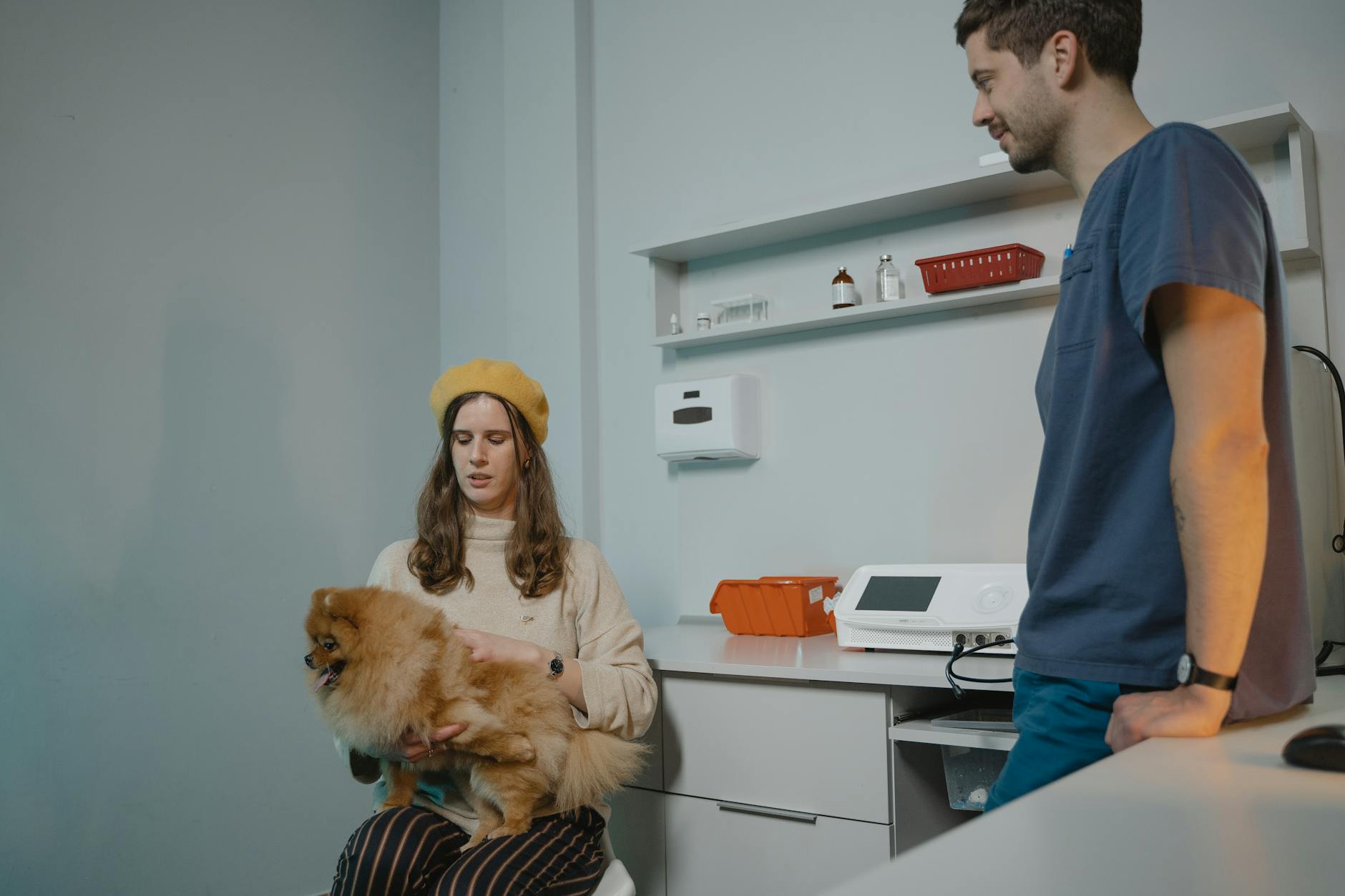
Photo by Tima Miroshnichenko
Schedule within days of enrollment. It proves your pet starts healthy. Big breeds gain the most here. NerdWallet details how this works across plans.
Pick Providers with Short or No Waits
Shop for companies that skip accidents or keep all waits brief. Lemonade has no accident delay and just 14 days for illnesses. Figo starts accidents at one day. Pumpkin covers orthopedics in 14 days flat.
Compare quotes side by side. Active dogs or cats fit these best. You lock in quick protection from day one.
Enroll Young, Healthy Pets Early
Sign up puppies or kittens right away. Healthy young pets face fewer pre-existing flags, so waits pass smooth. No brewing issues means claims file post-standard hold.
Time it before playdates or adventures ramp up risks. Early enrollment builds a clean record.
Know Your State’s Caps on Waits
Some states limit waits to 30 days max. California and New York enforce this. Check local rules; they force shorter timelines.
Contact your insurer or state agency for details. This levels the field for quick needs.
Smart Tips to Handle the Waiting Period Without Worry
That pet insurance claim waiting period after enrollment feels like a drag at first. But you can turn it into a smart prep time for your pet’s health. Stay calm and proactive with these practical steps. You’ll build confidence and avoid nasty surprises.
Build an Emergency Fund
Set aside cash just for vet bills during the wait. Aim for $1,000 to $3,000 based on your pet’s breed and age. Active dogs need more for mishaps. Stash it in a high-yield savings account. This covers cuts or tummy troubles without stress. Think of it as your pet’s safety net until coverage kicks in.
Schedule Self-Pay Vet Checks
Book a full exam right after signup. Pay out of pocket, around $50 to $150. It spots issues early and creates a baseline record. Your vet can flag potential problems before they balloon. Regular checkups, every three months, keep tabs on joints or allergies. Puppies and seniors benefit most.
Monitor Health and Document Daily
Watch your pet like a hawk. Note changes in appetite, energy, or limps. Snap photos of scrapes or rashes. Keep a simple journal: date, symptom, duration. This proves issues popped up after enrollment. Apps like PetDesk make tracking easy. Can you spot trouble sooner? You bet.
Dodge These Common Pitfalls
Don’t file claims too soon; they’ll get denied flat out. Also, skip ignoring subtle signs that could tag as pre-existing later. One owner tried claiming a limp on day three: instant rejection. Learn from that. As Pawlicy Advisor explains, patience pays off.
These moves keep you worry-free. Next, wrap up with key takeaways to choose your plan right.
Conclusion
You now grasp the pet insurance claim waiting period after enrollment. Accidents often start in 1 to 15 days. Illnesses take 14 to 30 days. Orthopedics can stretch to six months or more. Providers like Embrace, Lemonade, and Figo vary, so compare their plans to match your pet’s needs.
Waivers help too. A quick vet exam cuts long ortho waits. Enroll young pets early for smooth starts. Build that emergency fund and track health during the hold. These steps keep surprises low.
Ready to act? Grab quotes today from top providers. Head to insuremyfur.com to find plans that fit. Pick one with short waits for your dog’s zoomies or your cat’s climbs.
Once the wait ends, you gain real peace of mind. Vet bills won’t shock you. Your furry pal gets top care without breaking the bank.
Back to Pet Insurance Claims