
Step-by-Step Pet Insurance Claim Process for Emergency Surgery
Back to Pet Insurance By State
Emergency pet surgery hits hard on the wallet. Bills often run $1,000 to $10,000 or more for dogs or cats facing broken bones, injuries, or life-saving fixes. Pet parents face tough choices in those frantic moments.
Pet insurance steps in to ease the blow. Most plans reimburse 70% to 90% of covered costs after you pay the vet upfront. You meet a deductible first, say $250 to $500, then get money back fast.
That’s where the pet insurance claim process for emergency surgery comes in. It lets you focus on your pet, not paperwork piles. Know the steps ahead, and you’ll cut stress during crises.
Accidents trigger coverage right away or after a short 1 to 14 day wait. Unlike illnesses, these plans kick in quick for urgent needs. Check your policy, but emergencies rarely need pre-approval.
The process boils down to four key steps. First, get care at any licensed vet and pay the full bill. Next, collect your itemized invoice, records, and payment proof.
Then submit the claim online, via app, or mail within 30 to 90 days. Insurers review it in days to weeks and send reimbursement by check or deposit. Clear docs speed things up.
Why master this now? Emergencies don’t wait for perfect prep. A smooth claim means more cash back to cover extras or future care.
This post walks you through each step in detail. You’ll learn exact docs to gather, tips to avoid denials, and timelines from top providers. Plus, real cost examples show what to expect.
Armed with this guide, you’ll handle claims with confidence. Your pet gets top care, and you reclaim peace of mind. Let’s dive into the steps.
Does Your Pet Insurance Cover Emergency Surgery?
You pay the vet bill upfront during emergencies, but reimbursement hinges on policy terms. Coverage for surgery like fracture repairs or bloat fixes often applies to accidents. Check these core elements first to avoid claim denials in the pet insurance claim process for emergency surgery.

Photo by JUAN FIGUEROA
Waiting Periods and Pre-Existing Conditions
Waiting periods delay coverage after policy start. Accidents trigger shorter waits than illnesses. This setup helps insurers cover sudden injuries without prior screening.
Providers set these times differently. Accidents include trauma like car hits or falls. Illnesses cover infections or chronic issues.
Here’s how top providers handle waits:
| Provider | Accidents | Illnesses | Key Notes |
|---|---|---|---|
| Trupanion | 5 days | 30 days | 12 months for ligaments |
| Embrace | 2 days | 14 days | 6 months orthopedic (waived with exam) |
| Lemonade | 2 days | 14 days | 30 days orthopedic |
| ASPCA | 14 days | 14 days | 14 days for knees |
| Healthy Paws | 15 days | 15 days | General for both |
Data from provider sites shows accidents average 0-3 days. Illnesses hit 14 days typical. Orthopedic waits extend to 6-12 months. See details at Forbes Advisor on best pet insurance.
Pre-existing conditions block coverage. These count as any sign, symptom, diagnosis, or treatment before policy start or during waits. Coverage stays denied even if cured, unless providers like Embrace allow it after 180 symptom-free days.
Examples clarify risks:
| Scenario | Pre-Existing? | Impact on Surgery |
|---|---|---|
| Limping during wait period | Yes | Leg surgery denied |
| Hip signs before policy | Yes | No orthopedic coverage |
| Past ear infection | Yes | Flare-up surgery excluded |
| Cough in first 14 days | Yes | Related emergencies denied |
| Healed injury (180+ days, Embrace) | Possible no | Coverage if rules met |
Take bloat surgery. Your dog bloats two weeks after policy start. If no prior signs, accidents cover it post-wait. But a vet note on tummy issues pre-policy makes it pre-existing. No reimbursement follows. Enroll puppies or young pets early. This skips most pre-existing traps. Review records before signup.
Deductibles, Coinsurance, and Coverage Limits
These terms shape your out-of-pocket costs. Deductibles set the amount you pay first per year. Coinsurance splits the rest with the insurer. Limits cap total payouts.
Pick deductibles based on budget. Low ones like $100 mean higher premiums but less upfront pay. High $1,000 cuts premiums yet raises your risk.
Run the math on a $5,000 emergency surgery bill. Assume 80% reimbursement.
- $250 deductible: You pay $250. Eligible costs: $4,750. Insurer pays 80% ($3,800). You pay 20% ($950). Total out: $1,200.
- $1,000 deductible: You pay $1,000. Eligible: $4,000. Insurer: $3,200. You: $800. Total out: $1,800.
Higher deductibles save on premiums. A $250 plan might cost $40 monthly. $1,000 drops to $25. Weigh against bill size. Embrace explains options in their deductible guide.
Coinsurance stays fixed, often 10-20%. You cover that share forever per claim.
Annual limits protect against big bills. Unlimited plans reimburse without cap. $5,000 limits stop at that amount yearly.
For $10,000 surgery on a $5,000 limit:
- Post-deductible eligible: Say $9,500.
- 80% reimbursement: $7,600 maxed at $5,000.
- You pay deductible plus coinsurance on remainder, plus uncovered over limit.
Lemonade breaks down these in their coverage explainer. Choose unlimited for surgeries. It fits high-risk breeds like deep-chested dogs prone to bloat. Match policy to your pet’s needs now.
Step-by-Step Pet Insurance Claim Process for Emergency Surgery
Your pet faces sudden trauma like a car accident or swallowed object. You act fast in the pet insurance claim process for emergency surgery. These steps start right at the vet clinic. Follow them to secure reimbursement without delays.
Get Treatment and Pay the Vet Bill
Rush your pet to the nearest licensed vet. Time matters most; delays risk worse outcomes. Most policies let you pick any vet, not just in-network ones. This freedom helps in crises.
Pay the full bill upfront. Vets accept cash, credit cards, debit, or checks. Some offer payment plans through third parties like CareCredit. Ask about options at check-in.
Confirm surgery details with the vet. Note the emergency reason, like a ruptured spleen or broken leg. This info supports your later claim.
Keep calm. Your pet gets care now. Reimbursement follows soon.
Gather and Submit Your Claim Documents
Collect papers right after discharge. Act quick to meet deadlines, often 30 to 90 days. Missing items lead to denials.
You need these key documents:
- Itemized invoice: Lists every charge, service, date, and vet name. Avoid summary bills.
- Proof of payment: Receipt or bank statement showing you paid.
- Detailed vet report: Explains the surgery, diagnosis, reason for emergency, and treatment.
- Policy number: Find it on your ID card or app.
Snap clear photos of each page. Use good light. Hold steady for sharp images. Save as PDFs or JPEGs.
Upload online via your insurer’s portal or app. Providers like Fetch detail submission in their FAQ. Mail works too, but digital speeds review.
Forbes outlines the full process in their step-by-step guide.

Photo by Nataliya Vaitkevich
Double-check files before sending. Complete claims process faster with all docs ready. Expect review in 5 to 30 days.
How Long Does the Pet Insurance Claim Process Take?
When emergencies strike, timing matters as much as the care your pet receives. The pet insurance claim process for emergency surgery is designed to get you reimbursed quickly, but the exact duration hinges on several factors. The goal here is to give you a clear sense of what to expect, where delays commonly happen, and how to move faster from treatment to reimbursement.
Typical timelines for emergency claims
Most emergency claims move through three broad stages: submission, review, and reimbursement. Here’s what owners generally see:
- Submission window: Most insurers require claims within 30 to 90 days of service. Submitting earlier is better, as it reduces back-and-forth and the chance of missing documents.
- Initial review: Once submitted, a typical review window ranges from a few days to a few weeks. Shorter timelines are common when the claim is straightforward and complete.
- Final decision and reimbursement: If everything is in order, reimbursement can arrive within days after approval. Some providers send funds via direct deposit, while others mail a check.
- Speed by provider: Some insurers are known for faster processing, especially for straightforward emergencies. Always check current timelines in the provider’s claims help center or policy documents.
To put it in perspective, many owners report claim processing times from as quick as 2–5 days for simple, well-documented cases, up to several weeks for complex cases or when records are incomplete. For a detailed view of how long specific providers take, see provider-specific guidance in their claim information or reimbursement articles. For example, Embrace and other providers publish timelines and claim-status categories that help you estimate where your claim stands during the review process. You can compare general timelines across providers in reputable comparisons and claims guides. Read more about claim timelines from Embrace and others.
Factors that speed up or slow down the process
Understanding what drives the pace of a claim helps you act decisively. Key factors include:
- Documentation quality: A clear, itemized invoice plus a detailed vet report makes the review straightforward. Include dates, services, and the exact procedures performed.
- Submission method: Online submissions with scanned PDFs or JPEGs tend to be faster than mail. Many insurers provide in-app file uploads and status tracking.
- Policy specifics: Waiting periods, deductible type, coinsurance, and whether the event qualifies as an accident or illness influence eligibility and timing. When a claim clearly fits a covered event, processing speeds up.
- Pre-existing conditions and documentation gaps: If the claim touches on a pre-existing condition or if key records are missing, reviewers may pause or request more information, delaying reimbursement.
- Communication responsiveness: Quick replies to insurer requests for additional documents keep the timeline tight.
- Provider workload and audit requirements: Peak times or routine audits can extend review by days or weeks.
What you can do now to keep the process moving
Proactive steps can shave days off the timeline:
- Gather complete documentation at discharge: Have the itemized bill, proof of payment, a full vet report, and your policy number ready.
- Take high-quality copies or scans: Clear photos or PDFs reduce back-and-forth.
- Submit promptly through the fastest channel: Use the insurer’s online portal or app when possible, as many providers list submission speed and review status there.
- Follow up strategically: If a claim sits for more than a couple of weeks, a polite check-in can speed resolution.
- Keep records of phone calls and emails: A written trail helps resolve any misunderstandings quickly.
For a practical look at how different insurers handle reimbursements and claim status, review the reimbursement process guidance from major providers. This insight helps you anticipate steps after you file and understand what affects timing. What is the reimbursement process for Embrace claims? and similar pages from other providers offer concrete details you can apply today.
Common bottlenecks and how to avoid them
- Missing or unclear invoices: An itemized bill should spell out every service, date, and charge. If the vet bills in a single lump sum, ask for a line-by-line breakdown.
- Incomplete vet notes: The claim needs a clear medical rationale for the surgery. Ensure the report outlines the emergency reason, diagnosis, procedure, and outcome.
- Policy misalignment: Some surgeries qualify under accident coverage, others under illness or a specific rider. Double-check your policy language to confirm coverage before submitting.
- Waiting period pitfalls: If the incident occurred while the policy was still in a waiting period, coverage may be delayed or denied.
- Pre-existing conditions: Have complete medical history ready to demonstrate that the condition was not pre-existing or excluded by policy terms.
When you align your documentation with the insurer’s expectations, you reduce back-and-forth and accelerate payment.
Real-world expectations by provider type
Different providers publish different timelines and review practices. While exact times vary, you can set reasonable expectations based on common patterns:
- Emergency surgery claims are typically given priority for documentation completeness. If you provide a thorough packet at submission, you may see quicker decisions.
- Some providers offer quick reimbursement for straightforward cases, sometimes in a matter of days after approval. Others may take a couple of weeks if the claim requires deeper medical review or if there are questions about pre-existing conditions or coverage limits.
- A robust online claims portal with status tracking helps you monitor progress in real time and anticipate when money will arrive.
For actionable context, see provider guidance on claim status and processing times from Embrace and other well-known insurers. These resources are valuable references when estimating your own claim timeline. Embrace claim status overview and Healthy Paws claims overview illustrate typical timelines and required documents.
A practical, quick-start timeline you can use
- Day 0–3: Vet care and payment in full. Gather the itemized bill and all supporting documents.
- Day 3–10: Prepare the claim packet. Ensure the invoice is itemized, the vet report is detailed, and your policy number is clear.
- Day 10–30: Submit the claim via the insurer’s portal or app. Confirm receipt and locate your claim number.
- Day 15–45: Insurer reviews the documents. Respond quickly if additional information is requested.
- Day 20–60: Reimbursement issued by direct deposit or mail. Track the payment status and confirm the amount matches your expectations.
This streamlined approach helps you anticipate when you’ll see funds and reduces the stress of the emergency period.
Visual aid: what to expect at a glance
- Submission: Online upload or mail of a complete packet
- Review: 5–30 days for many cases, longer if missing items
- Reimbursement: Direct deposit or check, typically within days after approval
Image: A close-up view of an insurance policy with a magnifying glass, money, and a toy car, highlighting the cost awareness and claim scrutiny involved in pet insurance.
Photo by Vlad Deep.
Photo URL: https://images.pexels.com/photos/10341357/pexels-photo-10341357.jpeg?auto=compress&cs=tinysrgb&dpr=2&h=650&w=940
Credit: Photo by Vlad Deep
Quick reference: key documents to have ready (checklist)
- Itemized invoice from the emergency visit
- Proof of payment (receipts, bank statements)
- Detailed vet report and surgery notes
- Policy number and insurer contact info
- Any pre-authorization or pre-approval notices (if applicable)
Having these ready at discharge means you can file promptly and avoid delays caused by waiting for missing items. For more guidance on the claim submission process, review the claim submission resources from major providers. This helps ensure you’re submitting what the insurer needs to process quickly.
- Example: “How to file a pet insurance claim” from Trupanion and similar resources from other insurers offer step-by-step guidance. Trupanion claim filing guidance
Images and citations are included to support practical steps and expectations. The goal is to give you a clear, realistic view of how long the pet insurance claim process for emergency surgery can take, what slows it down, and how to move it along efficiently.
Common Mistakes in Pet Insurance Claims for Emergency Surgery and How to Fix Them
When an emergency surgery is required, the focus should stay on your pet’s health. The claim process can feel like a second crisis if you’re not prepared. This section highlights the most common missteps owners make and practical fixes to keep your reimbursement on track. You’ll learn how to navigate deadlines, documentation, policy exclusions, and the fine print so you can claim efficiently and reduce stress during a crisis.
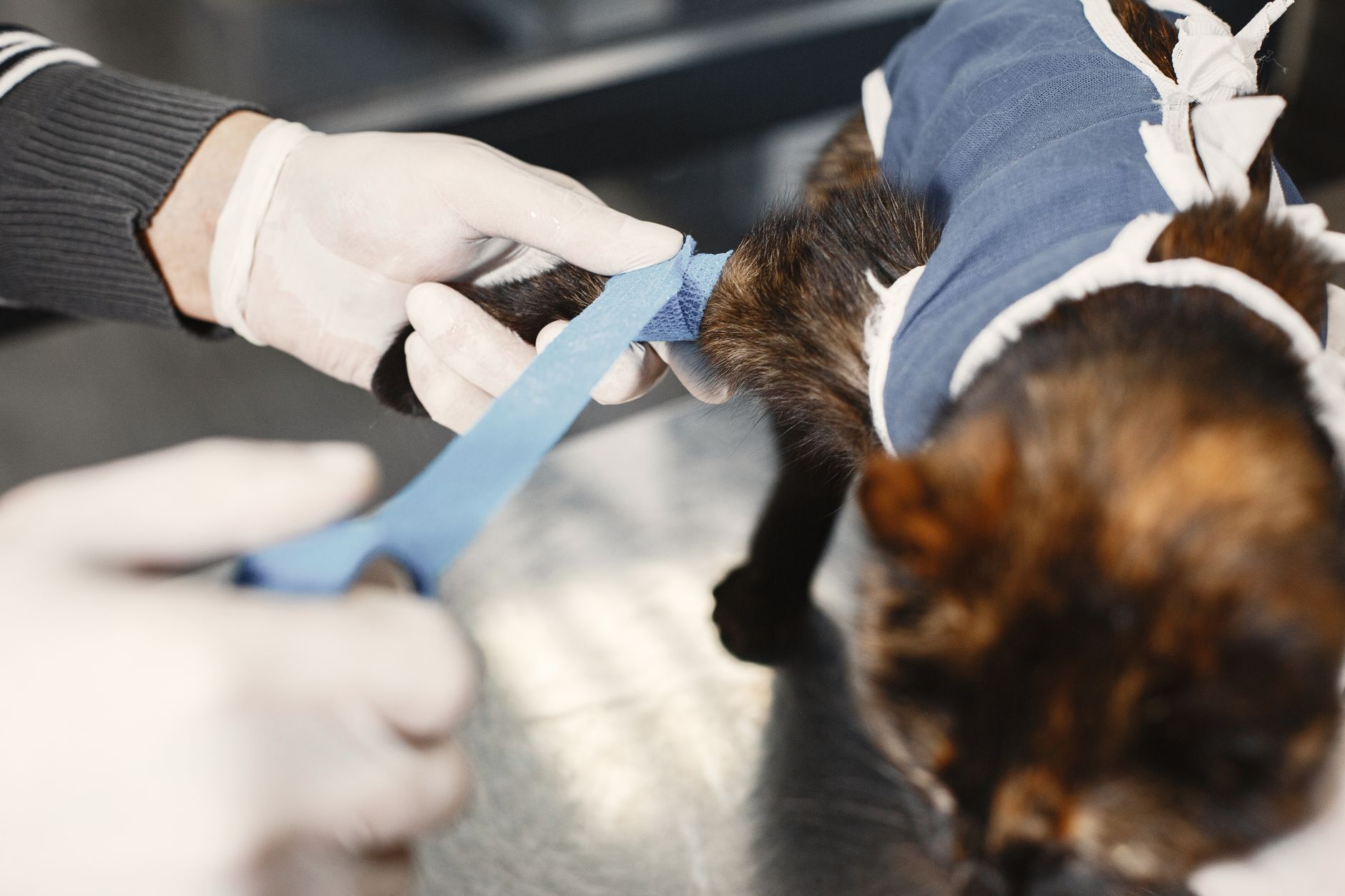
Photo by Gustavo Fring
Overlooking Deadlines and Documentation
Missing a deadline or skimping on paperwork is the fastest route to a denied claim. Most pet insurers set a window for claims after service, and failing to meet it can sink your reimbursement before it’s even reviewed. The key is to act fast and stay organized.
- Typical claim windows: Many insurers require claims within 30 to 90 days of the service date. Some plans are even tighter, so check your policy language and the claims FAQs in your account portal.
- What to gather at discharge: An itemized invoice, proof of payment, a full vet report with the emergency reason, diagnosis, and procedure, plus your policy number.
- How to submit: Online portals and mobile apps usually offer the fastest path. If you must mail, send with tracking and keep copies of every document.
- Calendar reminders matter: Create a three-part reminder system. (1) Acknowledge when care happens, (2) set a 2-week reminder to start collecting documents, (3) schedule a final 48-hour window before the claim deadline to review everything and file.
Fixes that speed up the process
- Prepare an itemized invoice in advance. If the vet provides a lump sum, request a line-by-line breakdown. You want every service date, description, and cost clearly listed.
- Photograph or scan every page. Ensure legible lighting, and save as PDFs for easy uploading.
- File as soon as you can. Don’t wait for the last day. Submitting early reduces the chance of missing supporting documents and speeds up review.
- Keep a simple paper trail. Note who you spoke with and when, plus any requests from the insurer. A quick log prevents back-and-forth delays.
Helpful references you can check for timing and submission best practices include typical claim windows and how to claim quickly. For example, major providers outline submission timing and the importance of timely filing in their claim resources. See guidance from Fetch Pet on when to claim and how long it can take to process claims, and Lemonade’s step-by-step filing instructions for a clear path forward.
- When to claim: https://www.fetchpet.com/faqs/when-to-claim-pet-insurance
- How to file a claim: https://www.lemonade.com/pet/explained/how-to-file-a-pet-insurance-claim/
Tip: If you’re unsure about a deadline, contact your insurer before any stress point. A quick confirm can save days of back-and-forth and prevent preventable denials.
Ignoring Policy Exclusions
Policy exclusions are the hidden gatekeepers of your coverage. Surgeries can be covered or restricted depending on how the event is classified, whether it’s an accident, an illness, or a specific rider. Misunderstanding the exclusions is a leading cause of claim denials. The fix is simple: read the fine print before or immediately after an emergency.
- Check the coverage scope for surgery: Some plans cover fracture repairs and life-saving procedures when they arise from an accident. Others limit or exclude specific conditions or types of surgery.
- Understand waiting periods: Waiting periods determine when coverage starts after the policy begins. Emergencies often trigger shorter waits, but rules vary by provider.
- Pre-existing conditions matter: A pre-existing condition can block coverage for new treatment. Some plans allow limited coverage after a particular symptom-free period, while others exclude it entirely.
Practical steps to fix exclusions
- Review the exact wording of what counts as an accident versus an illness in your policy. If a surgery is categorized under accident coverage, confirm the incident qualifies and the date aligns with the event.
- Confirm any policy riders or add-ons that affect surgical coverage. Some riders specifically cover orthopedic or emergency procedures.
- Document the emergency context clearly in the vet report. A precise description of the emergency reason supports how the event should be classified under coverage.
- If a claim is denied, request a written explanation and compare it to your policy language. Many denials hinge on misinterpretation of exclusions.
Helpful external references to deepen understanding of policy exclusions and how different insurers handle surgery coverage include Embrace’s surgery coverage details and MetLife’s coverage and exclusions pages. These resources can help you align expectations with real plan language.
- Embrace Surgery Coverage: https://www.embracepetinsurance.com/coverage/surgery-coverage
- MetLife Coverage and Exclusions: https://www.metlifepetinsurance.com/coverage-exclusions/
How to avoid denial due to exclusions
- Pick a policy with clear, broad coverage for emergency surgeries if your pet is high risk.
- Choose a plan that offers an orthopedic rider or a higher accident coverage limit if your pet is prone to injuries.
- Maintain comprehensive medical history records, so you can demonstrate that a condition is truly new and not pre-existing.
Extra tip: Use patient-friendly, plain-language summaries of your policy for quick reference. It helps to keep a short, one-page sheet in your claim file that explains how your policy treats emergencies and surgeries. This quick reference can prevent misclassification during the review.
References you can consult for broader context on common myths and misperceptions about pet insurance, plus guidance on avoiding coverage gaps, include ASPCA and NerdWallet resources. These can help you set realistic expectations when choosing a plan and filing claims.
- ASPCA myths and clarity about pet insurance: https://www.aspcapetinsurance.com/research-and-compare/more-articles/9-myths-about-pet-insurance/
- NerdWallet waiting periods guide: https://www.nerdwallet.com/insurance/pet/learn/pet-insurance-waiting-periods
Images and citations are included to support practical steps and expectations. The goal is to give you a clear, realistic view of how long the pet insurance claim process for emergency surgery can take, what slows it down, and how to move it along efficiently.
Conclusion
The pet insurance claim process for emergency surgery is a straightforward sequence when you’re prepared. Start with care, pay the vet bill, then gather a precise itemized invoice, a detailed vet report, proof of payment, and your policy number. Submitting online or through an app speeds things up; most providers also accept mail, but digital submissions shorten the review window.
Keep timelines in mind: claims are usually due within 30 to 90 days, reviews run from days to a few weeks, and reimbursements often arrive within days after approval. The exact pace depends on documentation quality, policy specifics, and how quickly the insurer can verify the emergency context. Clear, complete records reduce back-and-forth and prevent denials.
A few practical tips to improve leverage: review your policy now before an emergency, compare providers for higher limits and broader accident coverage, and discuss flexible payment options with your vet, such as payment plans if available. Choose a plan with higher limits or an orthopedic rider if your pet faces risk of serious injury. Consider enrolling early to minimize pre existing condition pitfalls.
If you’re unsure, get quotes and read claim guides from major insurers. Share your experiences or ask for recommendations to help others. By following these steps and keeping thorough records, you’ll see money back faster and keep your pet’s care on track.
Back to Pet Insurance Claims