
Tips on Giving Cats Pills: Vet-Approved Tricks
Back to Pet Insurance By State
Picture your cat turning into a furry tornado. Scratches sting your arms, and it bolts under the couch mid-battle. That tips on giving cats pills struggle hits every pet owner hard.
Cats face health woes like urinary tract infections or flea outbreaks. Pills fight these issues and keep them healthy. But getting them down? That’s the real challenge.
This post pulls fresh, vet-approved advice straight from 2026 sources. You’ll get easy hiding methods like pill pockets or food tricks. Learn direct mouth techniques, plus tools such as the pill popper for tough cases.
We cover safety steps too, from glove use to when to call your vet. Explore alternatives if pills just won’t work. Every tip comes with simple, at-home steps anyone can follow.
Stay calm during the process. Your chill vibe rubs off on your cat and makes it quicker. No more chase scenes, just success.
Start with the Easiest Trick: Hide the Pill in Treats or Food
One of the simplest tips on giving cats pills starts right here. Hide the pill in a treat or food your cat loves. This method works best when your cat feels hungry. Skip free feeding for six to eight hours first. Use just a small bit of food, like one tablespoon. This keeps the pill hidden and lets you retry if needed.
Mold the food tight around the pill. Check with your vet before you start. Some pills need an empty stomach. Others can’t get crushed. Pick foods that stick well and taste great to mask any bitterness.
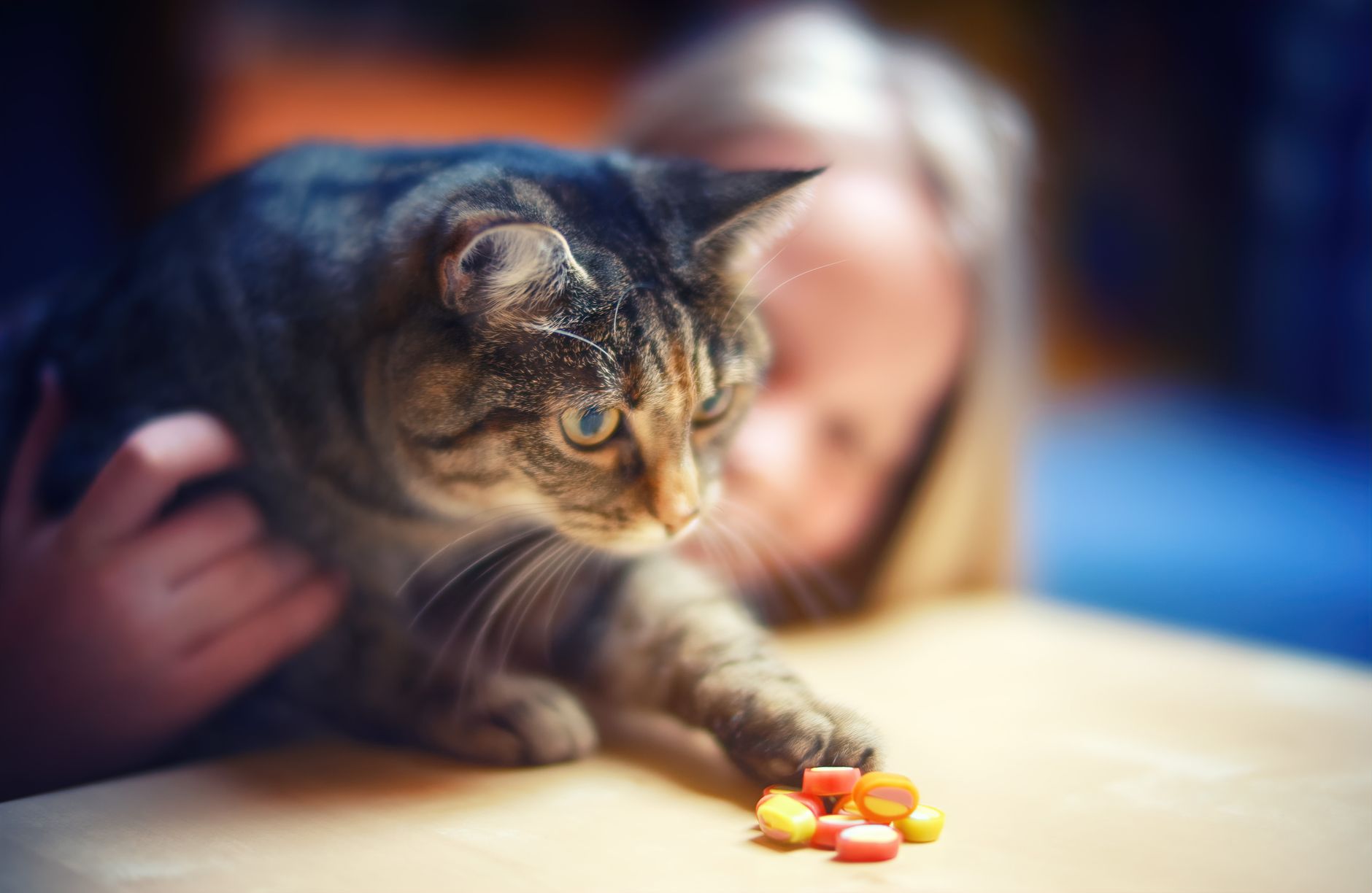
Photo by Johannes Plenio
Choose the Right Hiding Spot in Your Cat’s Favorites
Pick soft treats or foods that hold the pill snug. Greenies Pill Pockets top the list. These come in flavors like chicken or tuna. Just pinch off a small piece, press the pill inside, and seal it up. Your cat gobbles it like a regular snack.
Canned tuna juice works too. Drop the pill in a spoonful of the strong-smelling liquid. For picky eaters, try meat baby food. Go for chicken or beef varieties without onions or garlic. Scoop a tiny bit, bury the pill, and smooth it over.
Always scan labels for xylitol. This sweet stuff in some sugar-free foods poisons cats fast. Call your vet to confirm safe options. Shape the food pea-sized around the pill. Test a plain piece first to build trust. Your cat finishes it quick, pill and all. This trick cuts stress and boosts success rates.
What to Do If Your Cat Spits It Out
Don’t get mad if the pill pops out. Stay calm and retry smart. Next time, mix it better. Crush the pill if your vet says it’s okay. Some meds lose effect or taste bad crushed, so ask first. Stir the powder into meat baby food or wet tuna for better hold.
Switch foods your cat craves more. Hide the pill in a Greenies pocket, then bury that in gravy-heavy wet food. Strong smells overpower the pill taste.
Offer fresh water right after. It helps wash down bits and rinses the mouth. Praise your cat big time, even for a near miss. Builds good vibes for round two. If fails keep happening, chat with your vet about flavored meds. Patience wins this round.
Nail the Direct Pilling Method Without a Scratch
Hiding pills in food works great until your cat gets wise. Then you need tips on giving cats pills straight into the mouth. This direct method takes practice but nails it fast. Stay calm, move quick, and follow these vet-backed steps. Your cat stays safe, and you avoid scratches. Grab gloves if needed. Have the pill ready in your dominant hand. Let’s break it down.
Position Your Cat’s Head and Mouth the Right Way
Approach your cat from the side. This feels less scary than from above. Wrap your non-dominant hand over the top of the head. Put your thumb on one side of the upper jaw. Place your fingers on the other side. Hold firm but gentle. Skip the whiskers; they tickle and upset cats.
Point the nose straight up at the ceiling. The mouth drops open a bit. Now use your pinky or ring finger from the pill hand. Hook it under the lower jaw. Give a light tug down on the lip and front teeth. Skip the big canines.
Slide the pill deep with your dominant thumb and forefinger. Hit the back third of the tongue. That’s the sweet spot; cats spit less from there. Shut the mouth right away. Lower the head to normal. Done right, this takes seconds. Practice on a toy first if you worry about scratches.
Trigger the Swallow and Follow Up Quick
Help the pill slide down smooth. Rub your cat’s throat or nose soft. Or blow gentle on the nose. Most cats lick their lips when they swallow. Watch for that sign.
Follow up fast with liquid. Use at least 4 ml of water, tuna juice, or broth. A syringe works best; squirt it in the side of the mouth. This pushes the pill past the esophagus. Coat the pill in butter first if it sticks easy.
Check for trouble signs like coughing, drooling, or pawing the mouth. That means it might be stuck. Give more water. No lick? Retry or call your vet. Offer a treat after praise. Your cat links it to good times. Repeat daily, and it gets routine.
Gear Up with Pill Poppers and Other Handy Tools
You nailed the direct method, but your cat still fights back? Time to grab tips on giving cats pills with tools that keep your hands safe. Pill poppers, also called pill guns, push meds deep without bites or scratches. Vets love these for tough cases. They hold the pill tight and let you stay at arm’s length. Pair them with a few extras, and pilling turns simple.
Soft-tip models shine for cats. Their rubber ends grip without harm. Clean them after each use with soap and water. Pick one that fits small pills your cat takes.
Top Pill Poppers Vets Recommend in 2026
Recent reviews point to standouts that work fast on cats. These cut stress and boost success. Check this quick guide to pick yours.
| Product | Key Pros | Key Cons | Review Highlights |
|---|---|---|---|
| Buster Pill Giver – Soft Tip | Best overall; soft tip holds pills; add water option | Skip hard versions | “Best pill popper for cats” |
| VETONE Pet Piller | Grips small pills; quick use | Few issues noted | “Cat hardly reacted” |
| Pet Piller Soft Tip | Flexible for wiggly cats | Tiny pills may slip; length varies | “Perfect” or “too long” mixed |
| Jorvet Pet Piller | Tip extends for deep delivery | None major | “Best I’ve tried” |
Start with Buster or VETONE. They top Chewy lists for ease and durability. Test on empty first to build skill.
Load and Use a Pill Popper Step by Step
Load smart to avoid drops. Push the pill in firm with the plunger back. Practice the motion dry.
Approach from the side. Hold your cat’s head as before, nose up. Slip the popper past teeth to the tongue’s back. Push the plunger smooth. Close the mouth quick.
Rub the throat or blow the nose light. Watch for a lip lick, that means it went down. Follow with a syringe of water or broth, about 4 ml on the side. Praise big and treat after.
Your cat calms with routine. If it sticks, more liquid helps. Vets demo these at visits, so ask.
Pair with Syringes and Gloves for Extra Wins
Don’t stop at poppers. 1 ml or 3 ml syringes squirt water or tuna juice perfect. They force swallow without mess.
Wear nitrile gloves. They grip slick fur and block scratches. Cheap packs last months.
Butter the pill tip first if it sticks. For daily meds, these tools make it no big deal. Your cat stays healthy, you stay scratch-free. Stick with vet picks, and watch fights fade.
Steer Clear of Mistakes That Make Pilling Worse
Pilling cats can be a tense moment, but staying calm and prepared makes a big difference. This section covers practical tips to minimize stress, protect you from scratches, and keep your cat cooperative. When you avoid common missteps, you’ll see faster, safer results and fewer bites. Use a steady routine, gentle handling, and the right tools to turn pill time into a predictable part of your day rather than a chaotic ordeal.
Handle Bites and Scratches Like a Pro
Clean bites immediately and watch for signs of infection. Cat teeth and claws can drive bacteria deep, so treat wounds fast. If a bite bleeds, apply gentle pressure with a clean cloth, then wash with running water and mild soap for a few minutes. Pat dry and apply a thin layer of antibiotic ointment, keeping the area covered with a sterile bandage. Avoid hydrogen peroxide or alcohol. If redness, swelling, or fever appears, seek medical care promptly. For the moment of bite risk, a towel burrito can help: wrap your cat snugly, leaving the head free, to restrain limbs while you administer the pill. Practice this with treats first to build confidence, then use it only when necessary.
Stuck on Pills? Explore Vet-Approved Alternatives
If your cat refuses to swallow a pill, you’re not out of luck. There are vet-approved alternatives that can make medicine time easier for both of you. This section highlights practical options beyond direct oral pilling, helping you choose the method that fits your cat’s temperament and your household routine. Remember, always discuss any switch with your veterinarian to ensure dosing stays correct and the medicine remains effective.
Liquids (Oral Suspensions)
Liquid formulations are a common first step when pills are off the table. Flavored suspensions can be easier to dose accurately and often reduce stress during administration. For cats, a small amount delivered with a syringe into the side of the mouth can be quick and efficient. A key advantage is dose adjustability, which is helpful if your cat needs slightly more or less medication over time. Some medications can be formulated as liquids to be given daily or per prescription, offering a gentler entry point for medicine time. Always confirm taste and administration technique with your vet to avoid bypassing important instructions, such as whether the medicine should be taken with food or on an empty stomach.
Transdermals (Gels or Creams on Skin)
Transdermal options place medicine on the skin, usually inside the ear flap, where it can absorb into the bloodstream. This route is excellent for cats that hate swallowing or resisting mouth contact. Pros include avoiding the mouth entirely and delivering systemic effects for a range of conditions. Gloves are a must to protect your skin, and not every drug is suitable for skin absorption. If you’re considering a transdermal approach, work with your vet to pick the right drug, formulation, and application method, and monitor your cat for skin irritation after use.
Injections
Injections eliminate the struggle with swallowing altogether. Some medications are designed for subcutaneous or intramuscular use, and many owners opt for at-home administration after proper training. The primary benefit is precise dosing and consistent absorption, which can be crucial for conditions like diabetes or pain management. The main drawback is the needle factor, which can cause anxiety in both you and your cat. If injections are on the table, your vet can teach you the best technique and safe handling practices to minimize stress.
Spot-Ons (Topical Drops on Skin)
Spot-ons are convenient for parasite control and a growing number of systemic medications. Applied to the neck or shoulder area, these drops are absorbed through the skin and can provide a monthly dosing schedule. They’re especially appealing for owners who want to avoid any form of ingestion. While generally well tolerated, some cats may have a local reaction or rub off during play, so follow the product’s instructions about cooldown time and contact with children and other pets.
Compounded Meds (Custom-Made Solutions)
When standard forms don’t fit your cat, compounded medications can be tailored to taste, texture, and dosing. Compounding can convert pills into liquids or gels, or create transdermal formulations that aren’t commercially available. The downside is variability in absorption and cost, plus the need for ongoing vet oversight. If you’re exploring this option, ask about validation, stability, and how long the compounded product will remain effective.
Taking the time to understand these alternatives gives you concrete choices for your next “tips on giving cats pills” moment. With the right method, medicine time becomes smoother, less stressful, and more predictable for you and your feline patient.
Conclusion
Giving cats pills boils down to a simple rhythm: hide first, direct if needed, lean on the right tools, and know there are alternatives. When you start with tasty concealment, your cat stays curious and you stay calm, which makes medication time faster and less stressful for both of you. The moment you switch to a direct approach, rely on a steady technique, a helper if possible, and hands that stay gentle rather than tense. Tools like pill poppers, syringes, and gloves become teammates that protect you and your cat from bites and scratches.
There are solid, vet approved alternatives if pills just won’t work. Liquids, transdermals, injections, spot-ons, and compounded meds give you real options that fit your routine and your cat’s personality. Remember to discuss any switch with your veterinarian to keep dosing correct and effective. With the right plan and practice, you’ll turn medicine time into a predictable, smoother part of daily care.
Back to Pet Tips